MSI Gaming Vector GP78HX 13VG-006FR RAM upgrade specifications
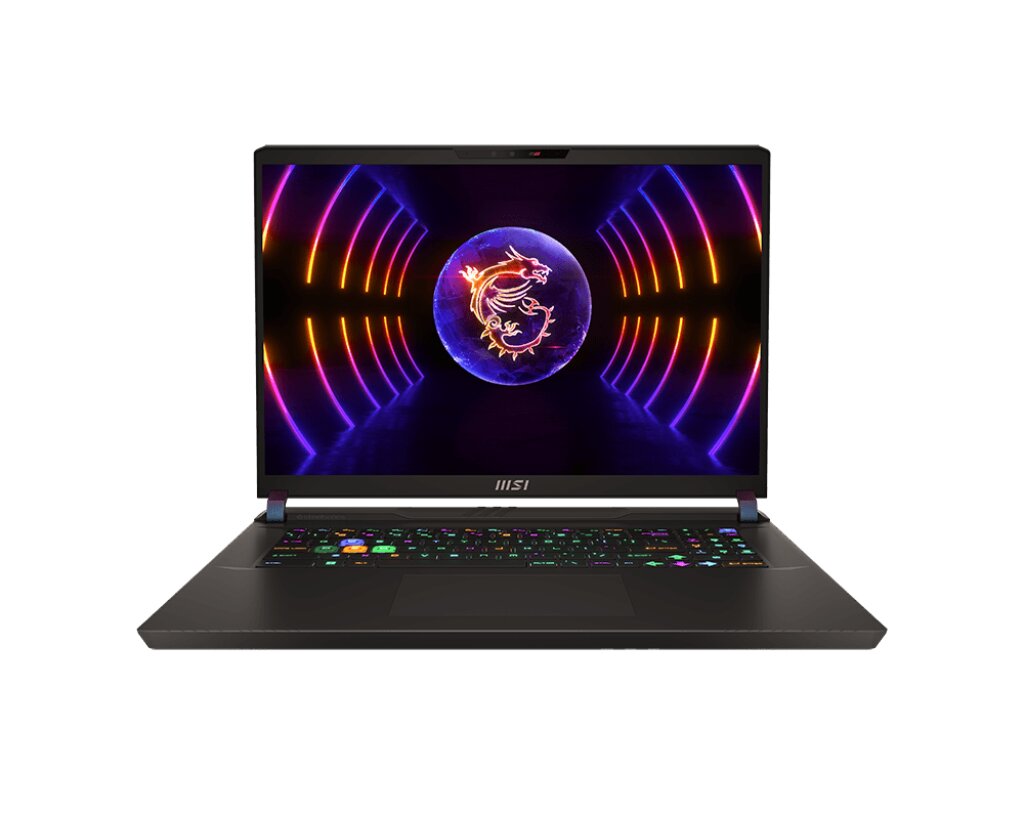
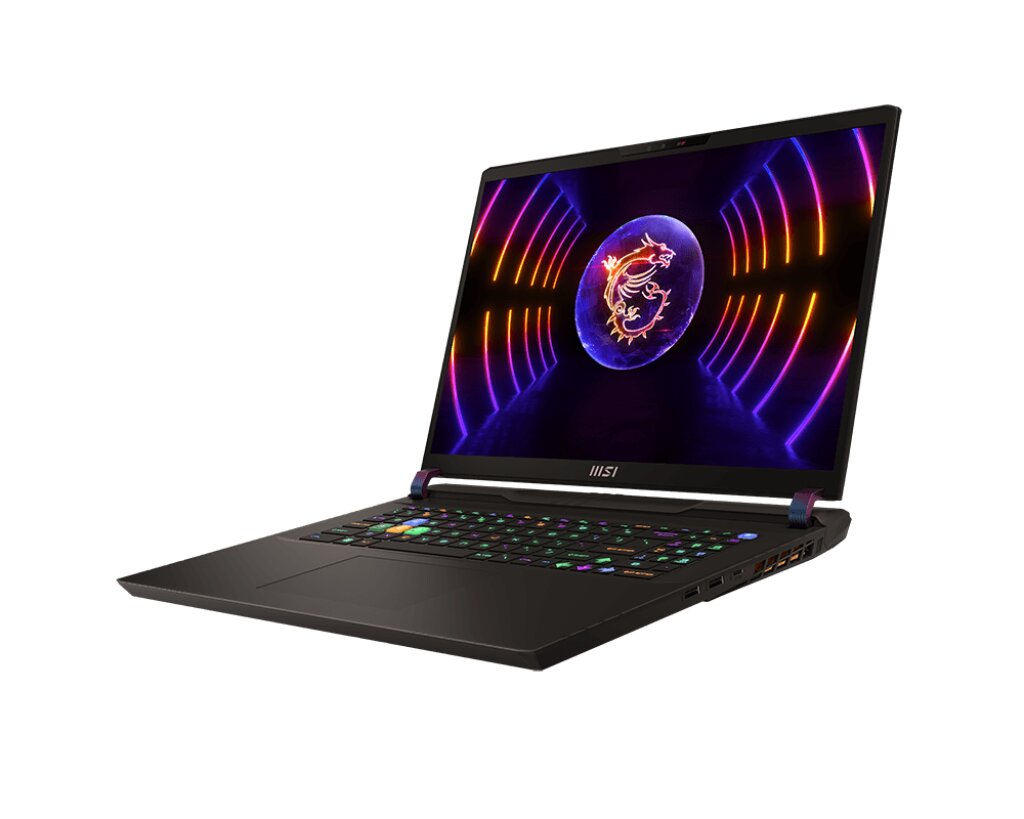
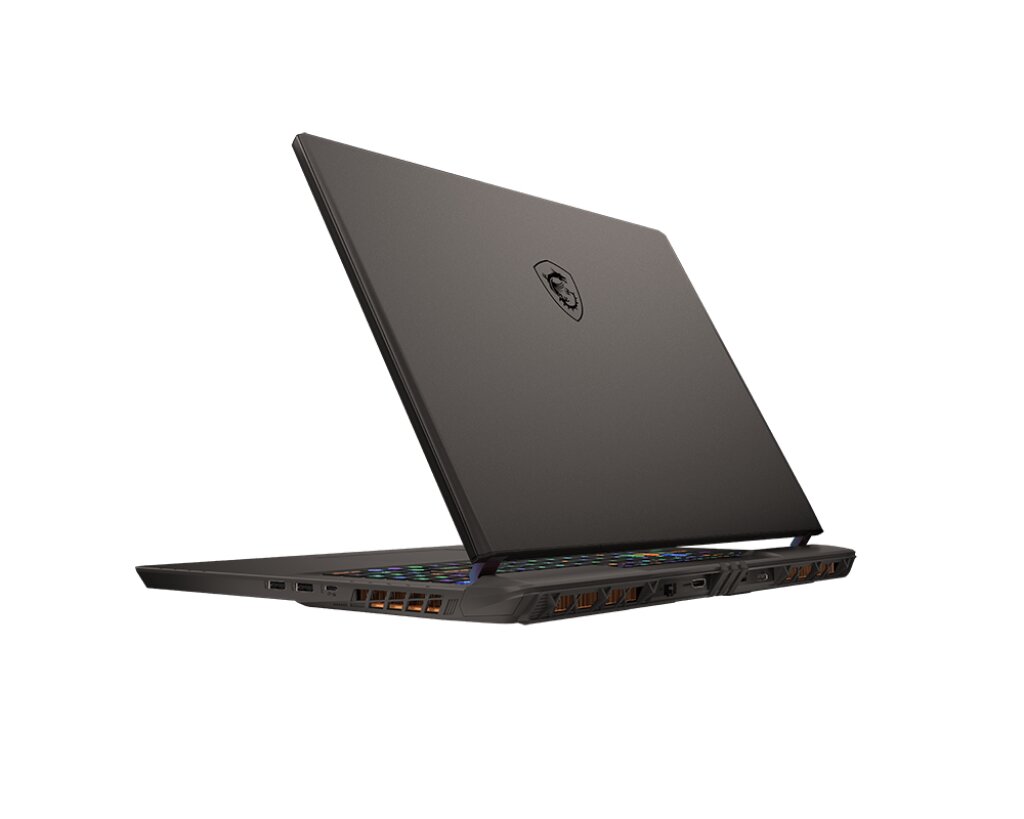
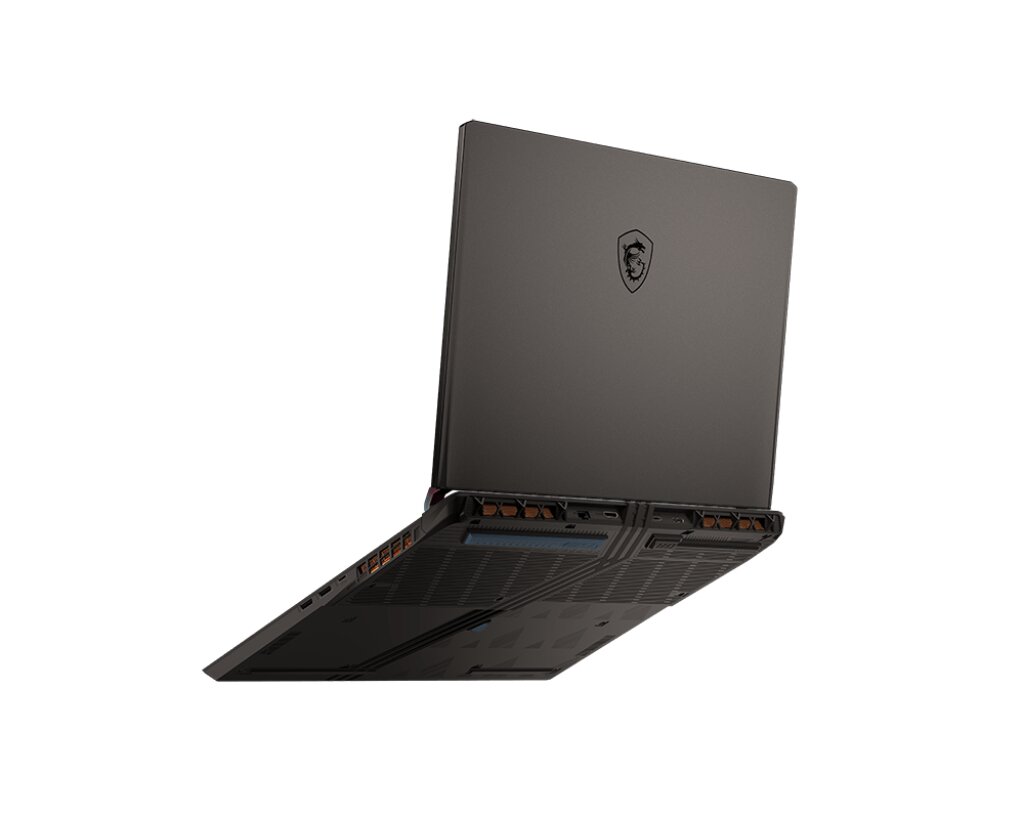
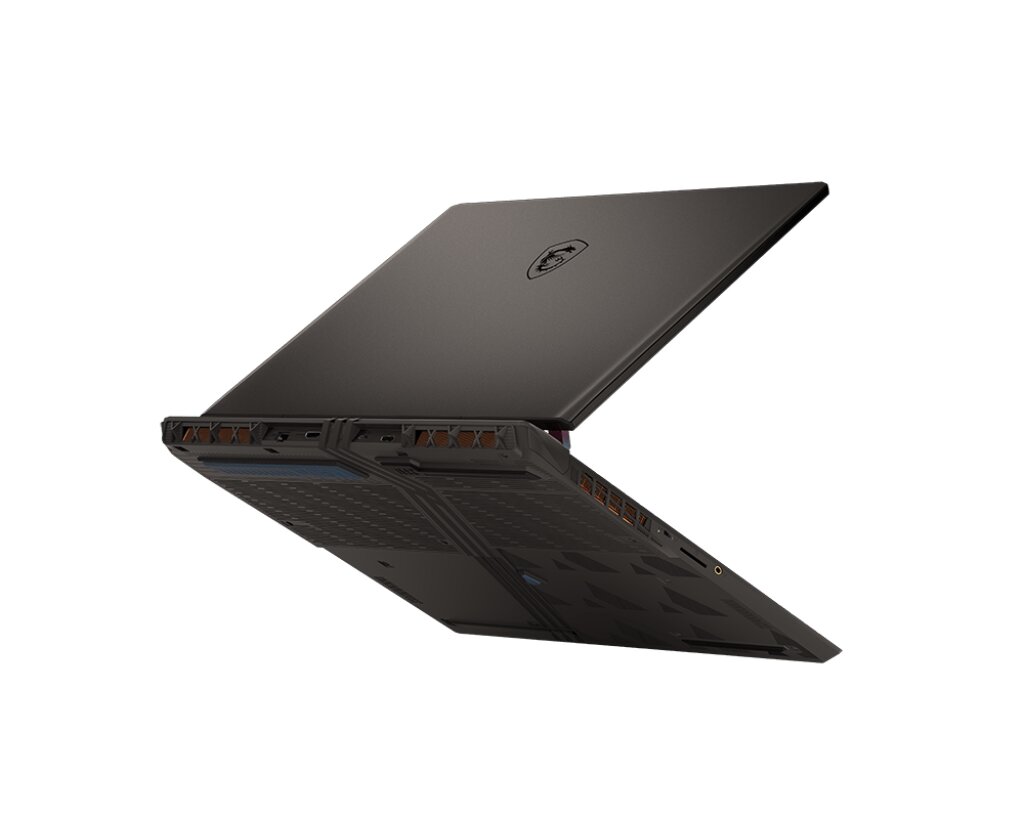
The MSI Vector GP78HX 13VG-006FR gaming laptop features DDR5-SDRAM memory upgrade specifications with two SO-DIMM slots supporting maximum RAM capacity of 64 GB. Memory modules operate at 5600 MHz frequency. Compatible RAM upgrades utilize SO-DIMM form factor. Specifications enable memory expansion for enhanced multitasking and performance capabilities in gaming and professional applications.
Memory Upgrade Specifications
| Specification | Value |
|---|---|
| Memory slots | 2x SO-DIMM |
| Form factor | SO-DIMM |
| Memory type | DDR5-SDRAM |
| Frequency | 5600 MHz |
| Maximum RAM | 64 GB |
| Voltage | 1.1V |
| Number of pins | 262-pin |
| Interface | PC5 |
| PC Speed Rating | PC5-5600 (PC5-44800) |
| Bandwidth | 44.8 GB/s |
| Laptop Release date | 10 February 2023 |
Additional Notes
- The MSI Vector GP78HX 13VG-006FR accommodates DDR5 modules exclusively, rendering DDR4 memory incompatible regardless of physical similarities between form factors.
- A 64 GB ceiling with 2 SO-DIMM slots mandates 32 GB modules per slot to achieve maximum capacity; smaller increments (16 GB or 8 GB) will leave performance headroom unused.
- 5600 MHz frequency represents the qualified specification; modules rated above this threshold will downclock to 5600 MHz, while lower-rated DDR5 variants may fail to initialize or operate at reduced speeds.
- SO-DIMM slot occupancy determines upgrade feasibility: replacing both modules requires system shutdown and access to internal memory compartments, whereas populating empty slots (if present) avoids removal of existing sticks.
- Bandwidth saturation potential exists with high-end discrete GPUs paired to dual-channel memory; 2 SO-DIMM configuration locks the system to 2-channel architecture with no option for 4-channel expansion.
- JEDEC DDR5 specifications guarantee stability at 5600 MHz across vendors, but non-standard XMP/DOCP profiles on premium modules introduce compatibility risk and may require BIOS adjustments post-installation.
- Memory latency on DDR5-5600 modules typically ranges 46-56 nanoseconds; gaming workloads remain tolerant of this latency variance, but content creation tasks may register measurable throughput differences.