MSI Gaming GS65 8SG-031ES Stealth RAM upgrade specifications
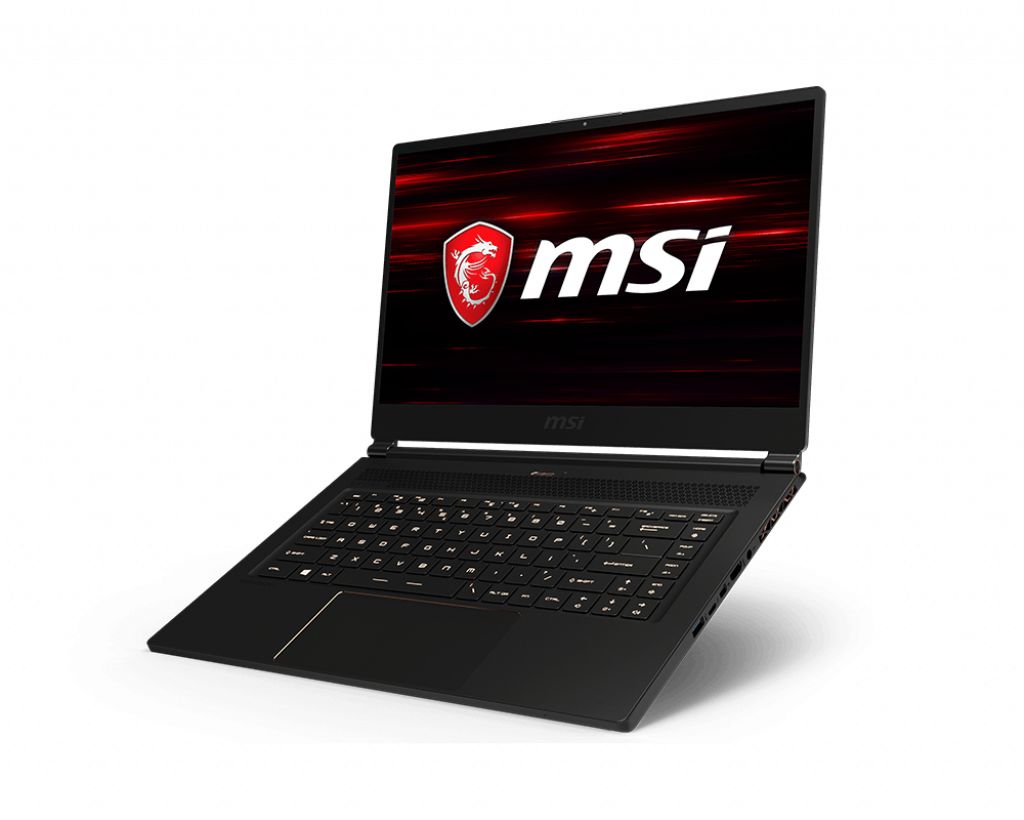
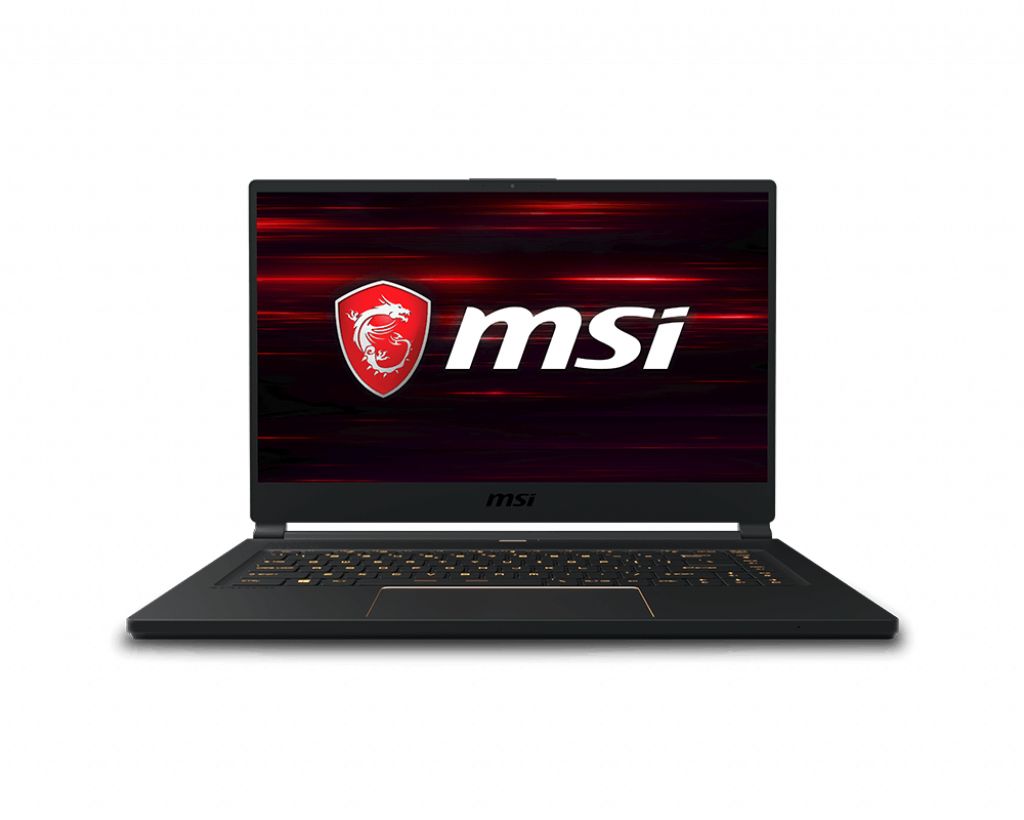
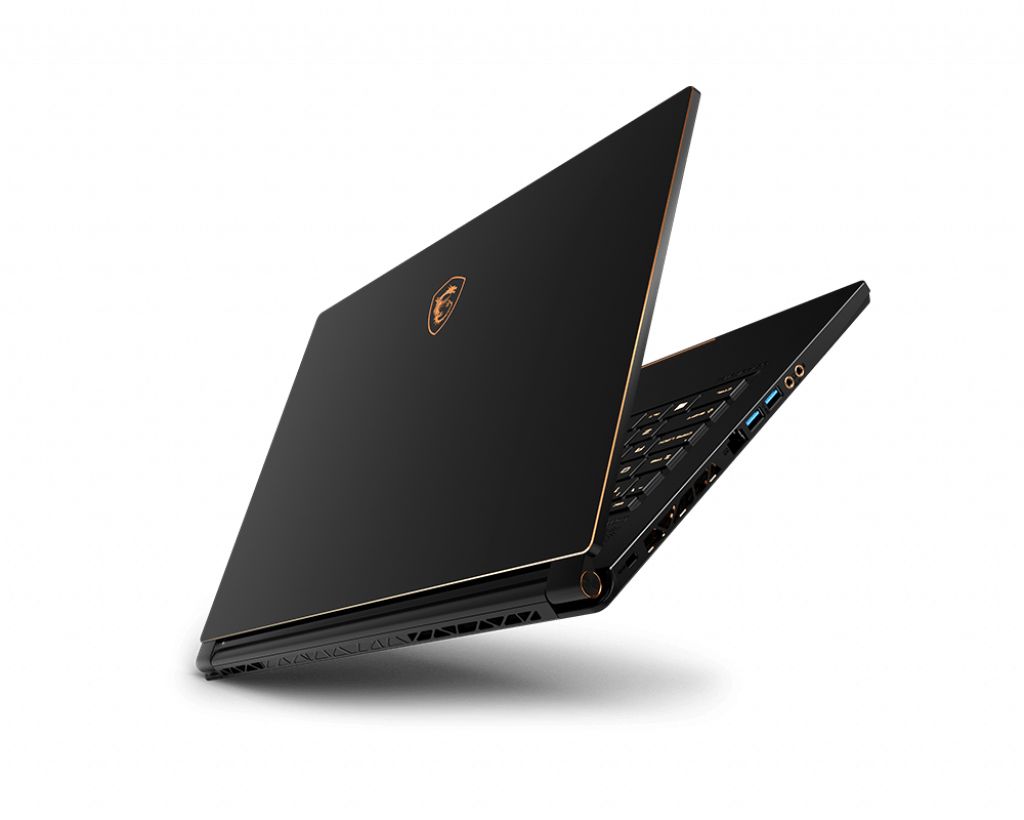
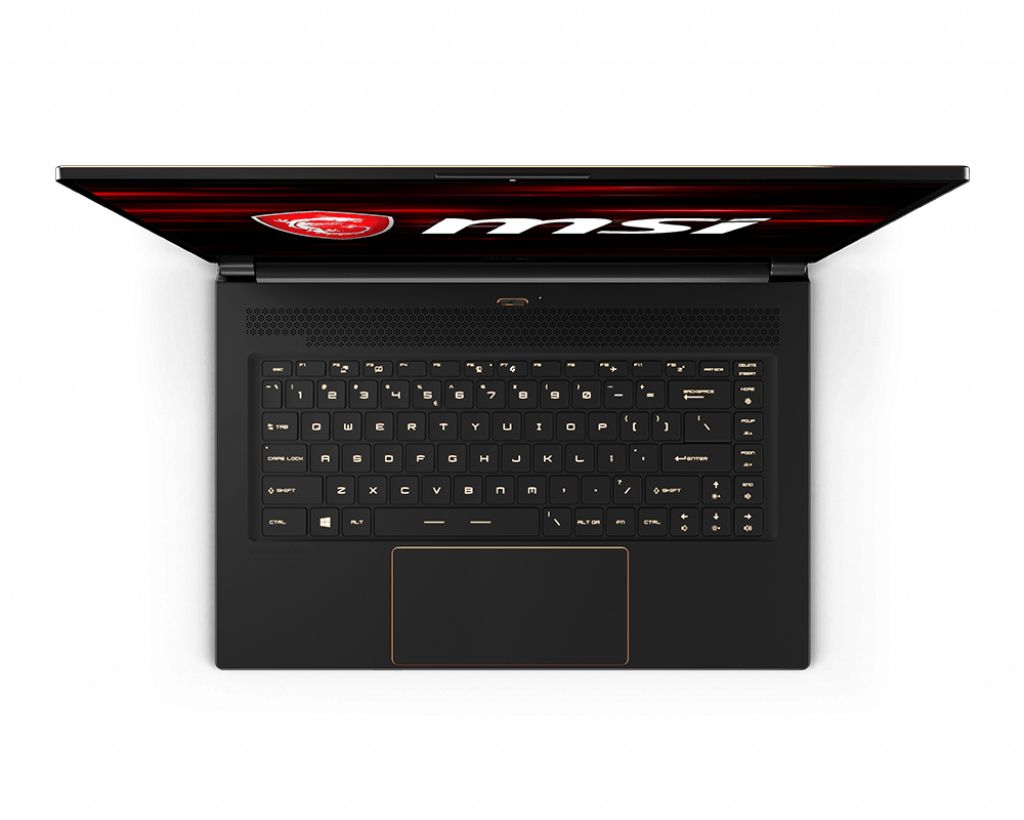
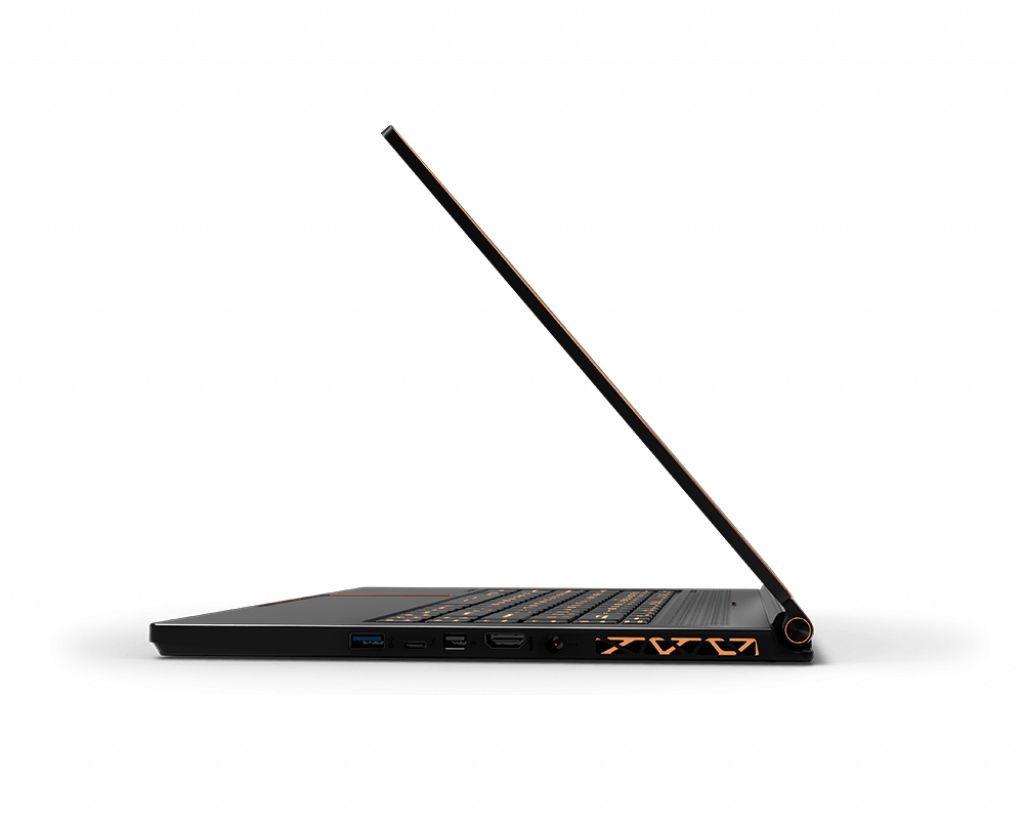
MSI GS65 8SG-031ES Stealth Gaming series laptop features DDR4-SDRAM memory upgrade specifications with 2x SO-DIMM slots supporting maximum capacity of 32 GB. Compatible memory modules operate at 2666 MHz frequency. Upgrade specifications indicate SO-DIMM form factor for memory expansion. Current slots accommodate compatible RAM modules within maximum specifications of 32 GB total capacity.
Memory Upgrade Specifications
| Specification | Value |
|---|---|
| Memory slots | 2x SO-DIMM |
| Form factor | SO-DIMM |
| Memory type | DDR4-SDRAM |
| Frequency | 2666 MHz |
| Maximum RAM | 32 GB |
| Voltage | 1.2V |
| Number of pins | 260-pin |
| Interface | PC4 |
| PC Speed Rating | PC4-2666 (PC4-21328) |
| Bandwidth | 21.3 GB/s |
| Laptop Release date | 10 January 2019 |
Additional Notes
- The 32 GB maximum capacity requires 2x16 GB modules, as smaller configurations will underutilize available memory ceiling.
- DDR4-2666 represents the official JEDEC standard speed, though the chipset associated with 8th generation Intel mobile processors typically supports DDR4-2400 and DDR4-2666 natively without overclocking.
- SO-DIMM modules operate at 1.2V standard for DDR4, distinguishing them from older DDR3L laptop memory which used 1.35V or 1.5V.
- Mixing modules with different speeds will force all installed memory to run at the lowest common frequency, creating a performance reduction if mismatched.
- Dual-channel architecture requires matched pair installation for optimal memory bandwidth, as asymmetric configurations revert to single-channel mode or flex mode with reduced throughput.
- The GS65 Stealth chassis design typically positions memory slots beneath the bottom panel, requiring complete base cover removal for access rather than a dedicated service door.
- Non-ECC unbuffered modules are required for consumer laptop compatibility, as registered or ECC memory will either fail to boot or operate incorrectly.
- CAS latency specifications impact real-world performance, with CL19 being common for DDR4-2666 and CL17 offering tighter timings at potential cost premium.
- The Intel 8th generation mobile platform does not support DDR4 speeds beyond 2666 MHz in standard configuration, making higher-frequency modules unnecessary unless XMP profiles are supported.
- MSI factory memory configuration may use single-rank or dual-rank modules, where replacing single-rank with dual-rank can affect compatibility on some systems despite matching capacity and speed.
- Thermal considerations in the thin Stealth chassis make low-profile SO-DIMM modules without extended heat spreaders preferable to avoid clearance interference with the bottom cover.