MSI Gaming GS65 8SG-088RU Stealth RAM upgrade specifications
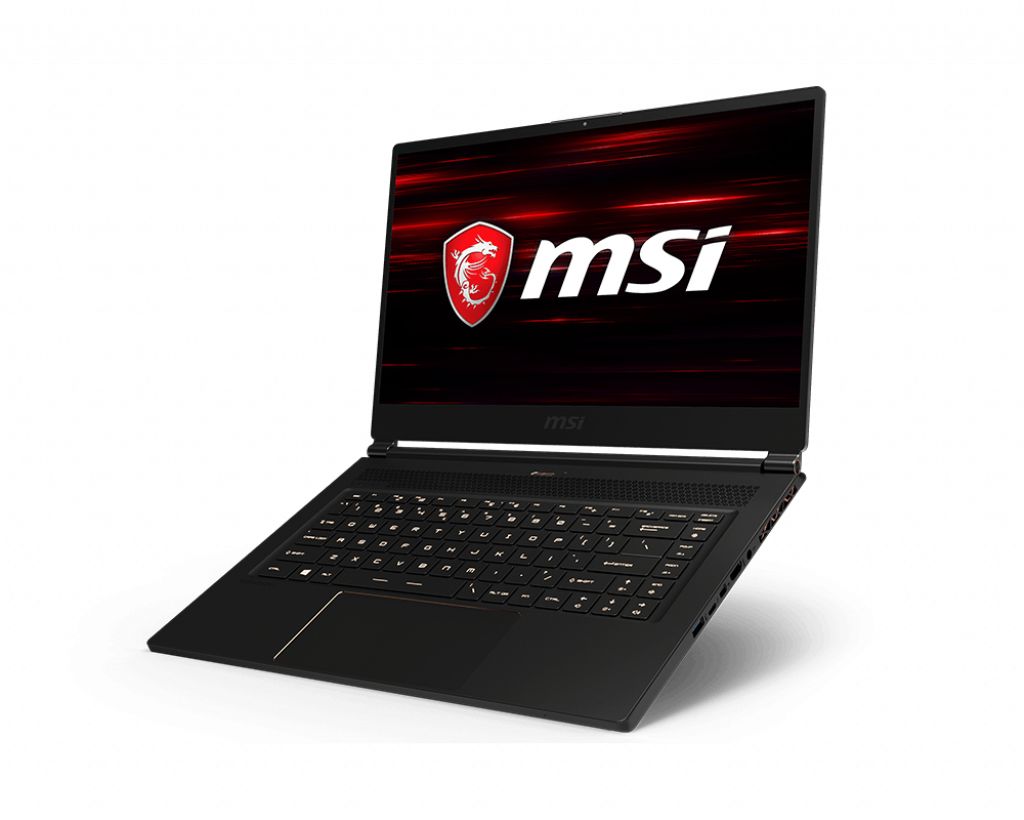
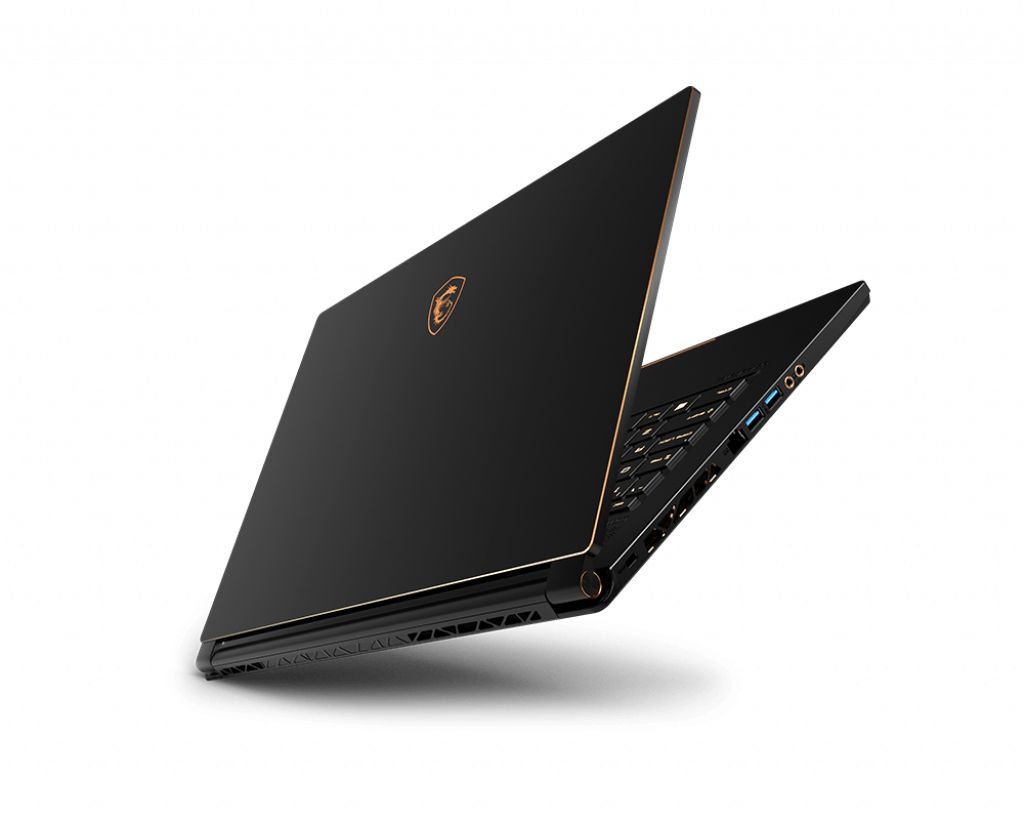
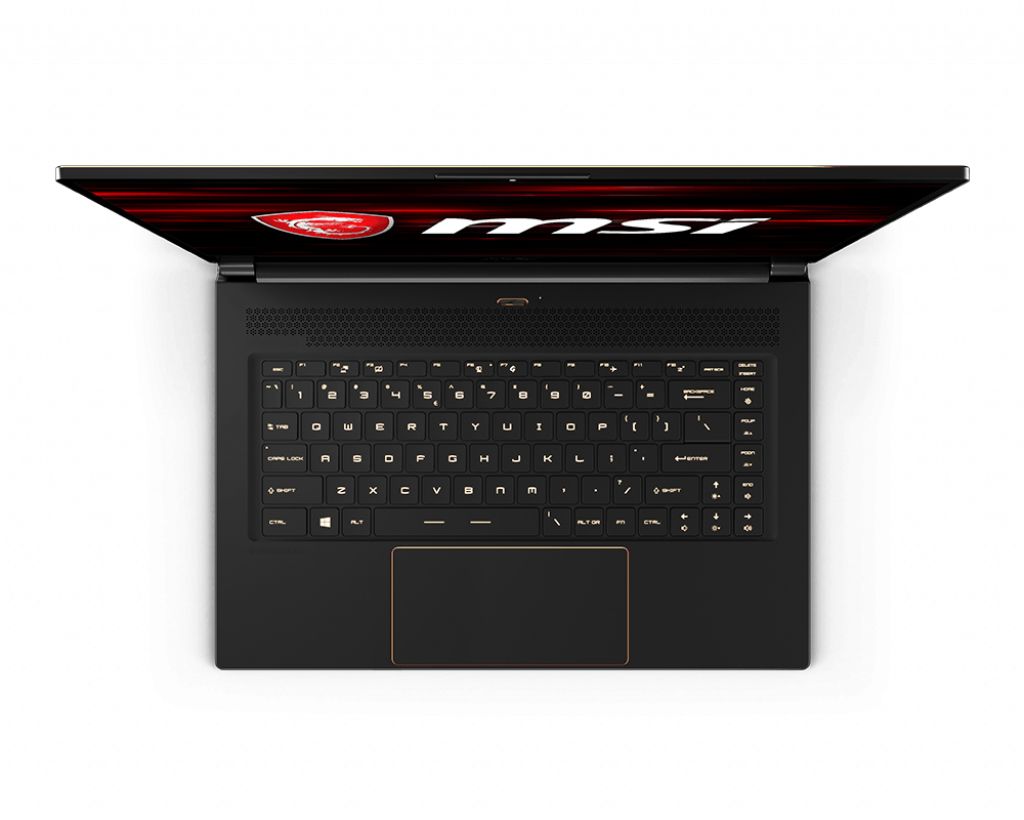
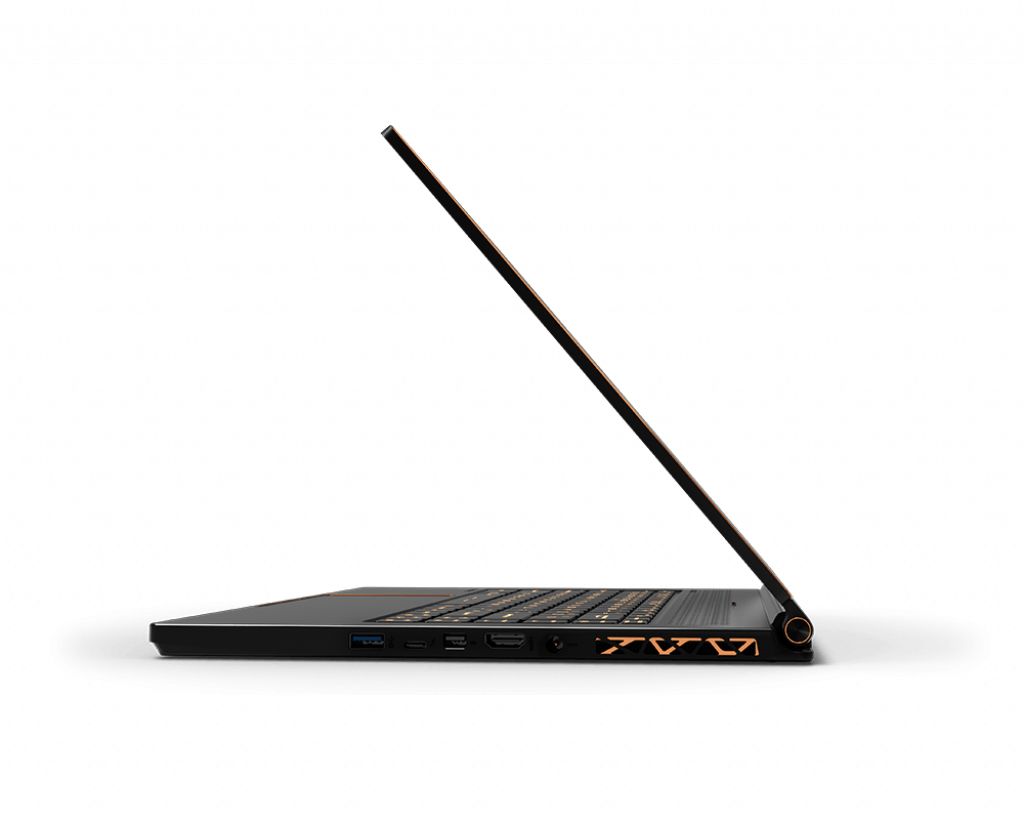
The MSI GS65 8SG-088RU Stealth gaming laptop features DDR4-SDRAM memory with 2x SO-DIMM slots supporting maximum RAM capacity of 32 GB. Memory upgrade specifications indicate SO-DIMM form factor modules operating at 2666 MHz frequency. Compatible memory upgrades for this GS Series model enable users to expand total system memory from factory configuration up to the maximum supported capacity of 32 GB across available slots.
Memory Upgrade Specifications
| Specification | Value |
|---|---|
| Memory slots | 2x SO-DIMM |
| Form factor | SO-DIMM |
| Memory type | DDR4-SDRAM |
| Frequency | 2666 MHz |
| Maximum RAM | 32 GB |
| Voltage | 1.2V |
| Number of pins | 260-pin |
| Interface | PC4 |
| PC Speed Rating | PC4-2666 (PC4-21328) |
| Bandwidth | 21.3 GB/s |
| Laptop Release date | 11 April 2019 |
Additional Notes
- The 2x SO-DIMM slot configuration permits symmetric dual-channel memory architecture only when both slots contain matched capacity modules, yielding full bandwidth utilization. Asymmetric population (mismatched capacities) forces single-channel operation on the smaller module, degrading aggregate throughput by approximately 50 percent.
- DDR4-2666 MHz represents the maximum certified frequency for this generation MSI GS65 8SG-088RU Stealth, though the memory controller may accept higher-frequency modules at reduced clock speeds. Upgrading beyond 2666 MHz requires manual BIOS frequency downclocking to maintain stability and warranty compliance.
- The 32 GB ceiling (16 GB per slot) restricts practical upgradeability beyond dual 16 GB modules. This constraint reflects hardware-level addressing limitations on 8th-generation Intel platforms paired with DDR4 controllers.
- SO-DIMM form factor limits module height to 30 mm maximum. Tall heatspreaders on some aftermarket SO-DIMM kits may physically obstruct chassis cover closure or create memory slot access conflicts, requiring verification before purchase.
- Replacing both original modules simultaneously eliminates potential compatibility friction between legacy and new memory silicon. Retention of a single original module for mixed-capacity testing introduces debugging complexity if POST failures occur.
- DDR4 SO-DIMM pricing for 2666 MHz speeds remains inflated relative to desktop DDR4 modules due to lower production volumes. Capacity-per-dollar efficiency improves substantially when purchasing matched 16 GB pairs versus single 8 GB increments.