MSI Gaming GS65 9SD-675CZ Stealth RAM upgrade specifications
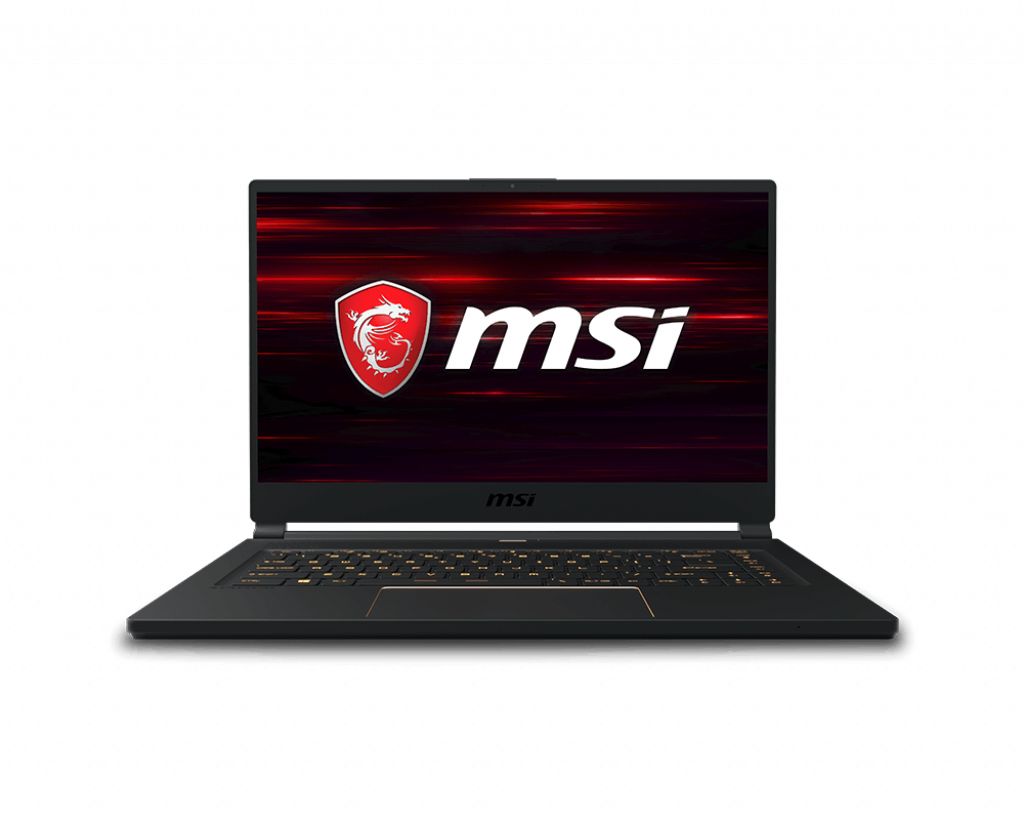
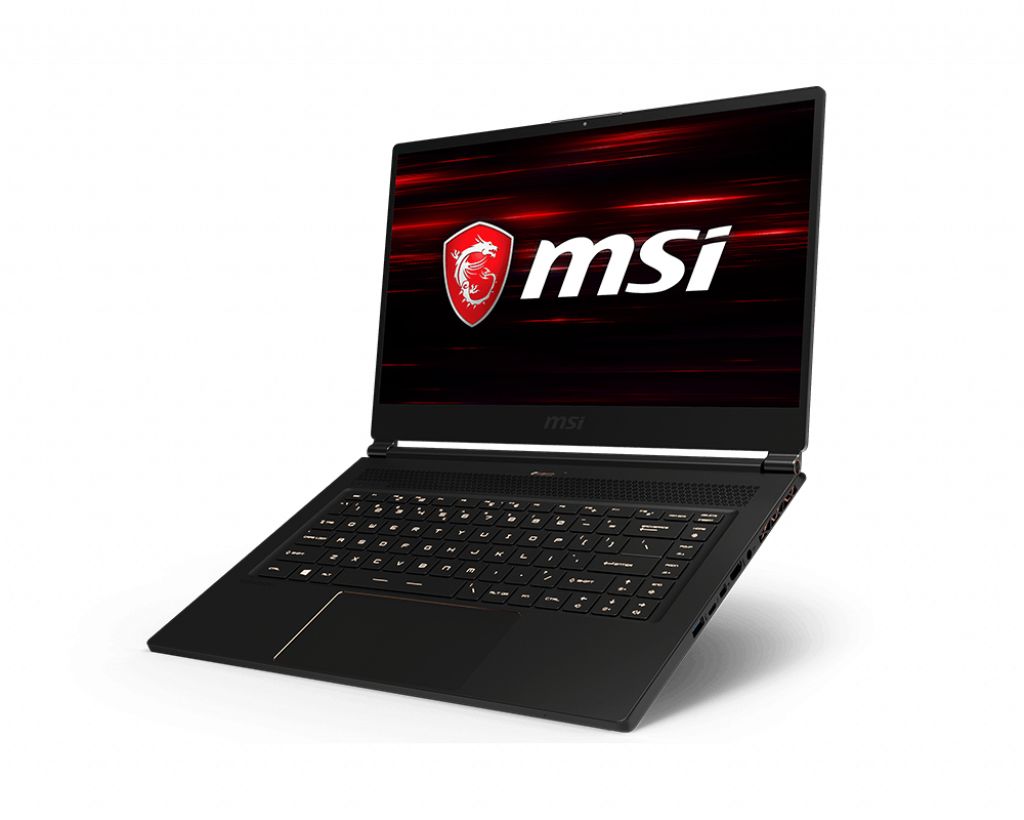


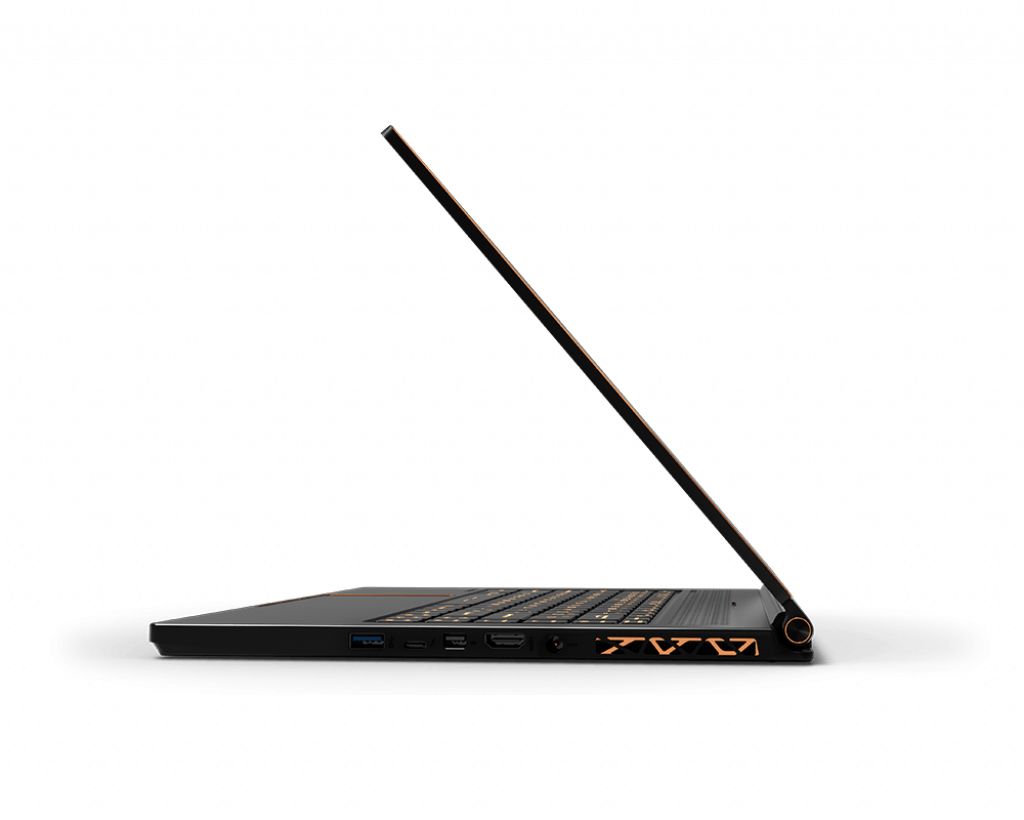
MSI GS65 9SD-675CZ Stealth laptop features DDR4-SDRAM memory upgrade specifications. Compatible memory modules utilize SO-DIMM form factor across 2 available slots. Maximum RAM capacity reaches 64 GB total. Standard frequency operates at 2666 MHz. Upgrade slots accommodate DDR4 memory modules for enhanced system performance. Specifications support memory expansion configurations within compatibility parameters established for Gaming series GS model laptops.
Memory Upgrade Specifications
| Specification | Value |
|---|---|
| Memory slots | 2x SO-DIMM |
| Form factor | SO-DIMM |
| Memory type | DDR4-SDRAM |
| Frequency | 2666 MHz |
| Maximum RAM | 64 GB |
| Voltage | 1.2V |
| Number of pins | 260-pin |
| Interface | PC4 |
| PC Speed Rating | PC4-2666 (PC4-21328) |
| Bandwidth | 21.3 GB/s |
| Laptop Release date | 25 May 2019 |
Additional Notes
- The 2 SO-DIMM slot configuration requires symmetric pairing for optimal dual-channel performance; installing a single module or mismatched capacities will result in single-channel operation and reduced memory bandwidth by approximately 50 percent.
- DDR4-2666 MHz represents the baseline supported frequency for the MSI GS65 9SD-675CZ Stealth; higher-frequency modules (3000+ MHz) may function at reduced clockspeeds rather than advertised speeds due to BIOS limitations, yielding negligible performance gains that do not justify the cost premium.
- The 64 GB maximum capacity ceiling establishes a practical upgrade path of 32 GB per slot, but the benefits plateau at 32 GB total for gaming workloads; additional capacity beyond this threshold addresses content creation and virtualization scenarios only.
- SO-DIMM modules occupy a compact footprint beneath the keyboard deck, requiring disassembly beyond basic keyboard removal to access; this increases warranty risk if thermal interface material or cable connections are disturbed during installation.
- Memory bandwidth constraints from the DDR4-2666 specification may compound existing I/O bottlenecks if the CPU and GPU both contend for data transfers; upgrading RAM alone will not resolve latency issues originating from the storage subsystem or PCIe configuration.
- Factory configurations likely shipped with 16 GB (2x8 GB) at 2666 MHz; the upgrade economics favor purchasing a matched 32 GB kit rather than incrementally adding a single 16 GB module, as this avoids the depreciation loss on the original pair.