MSI Gaming GS65 9SF-643RU Stealth RAM upgrade specifications
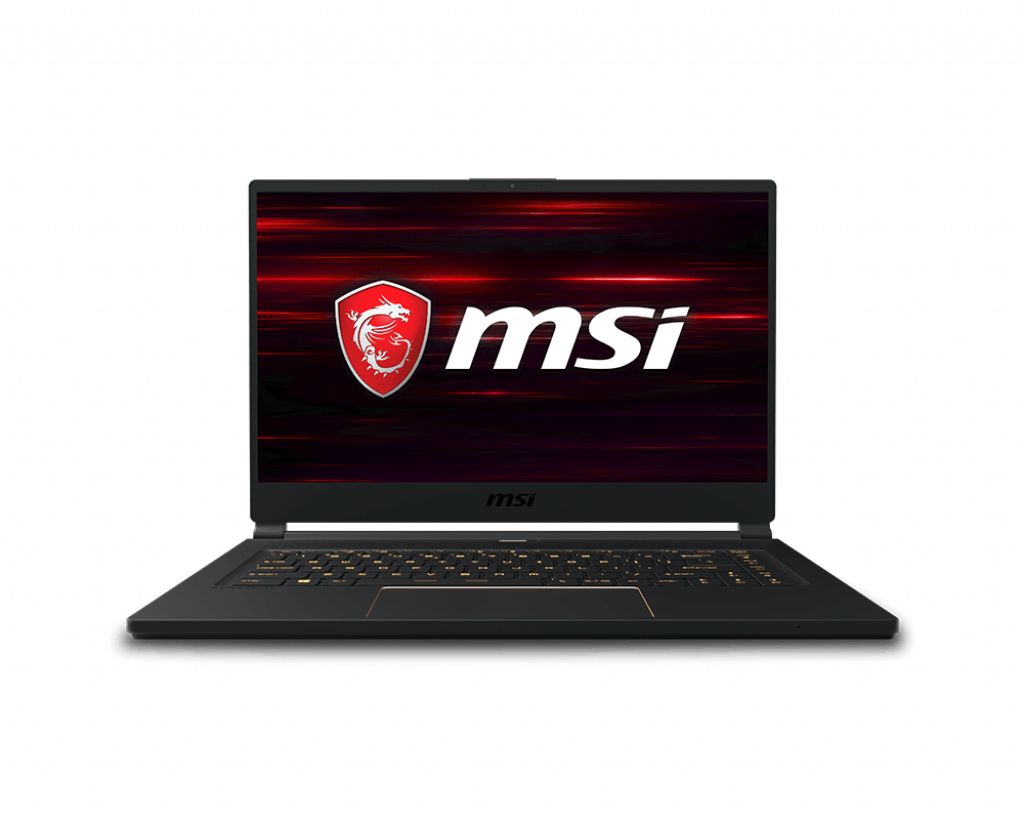
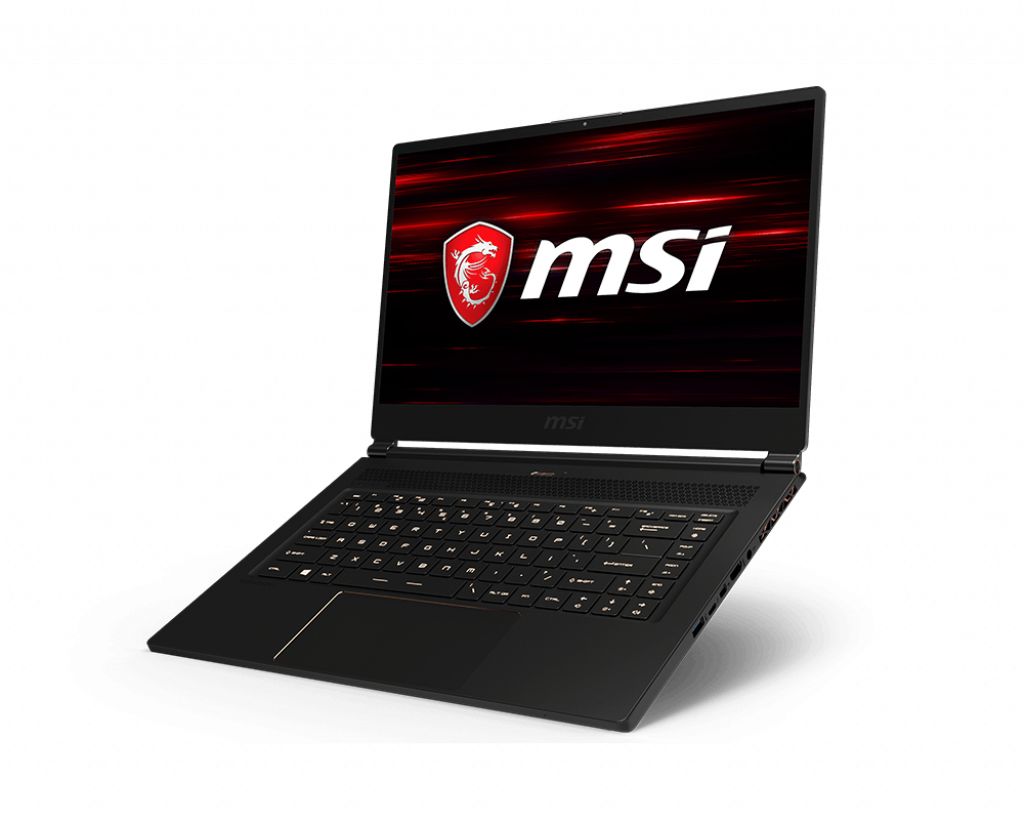
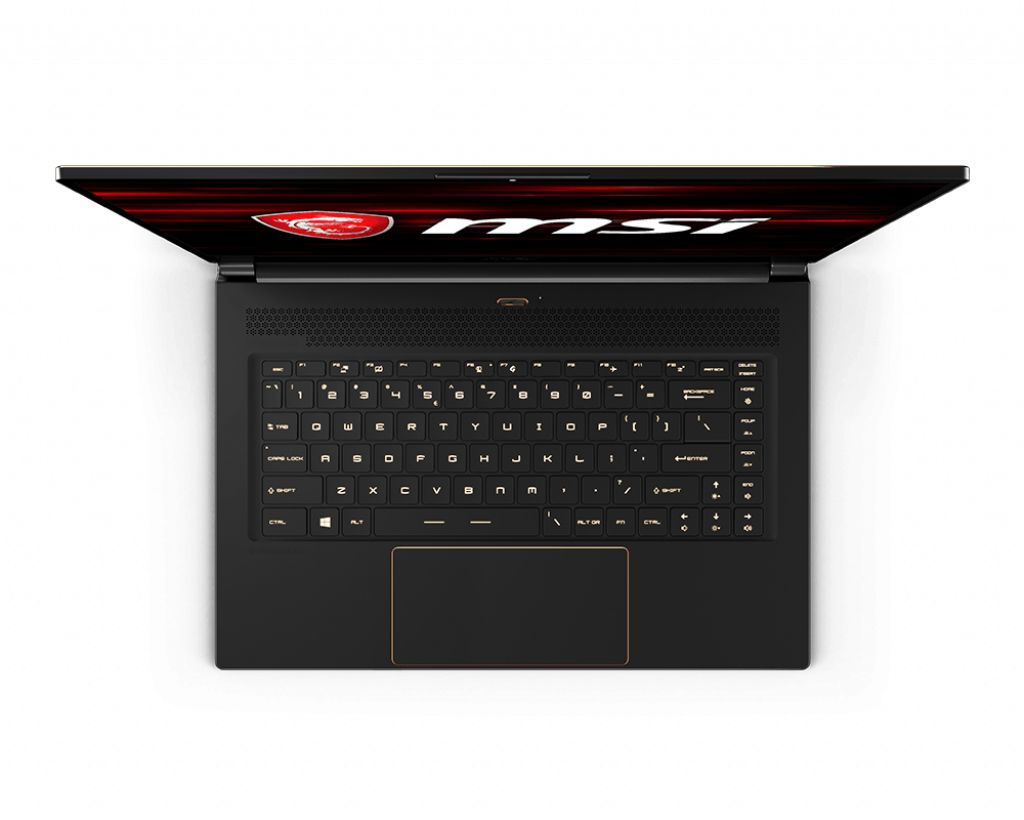
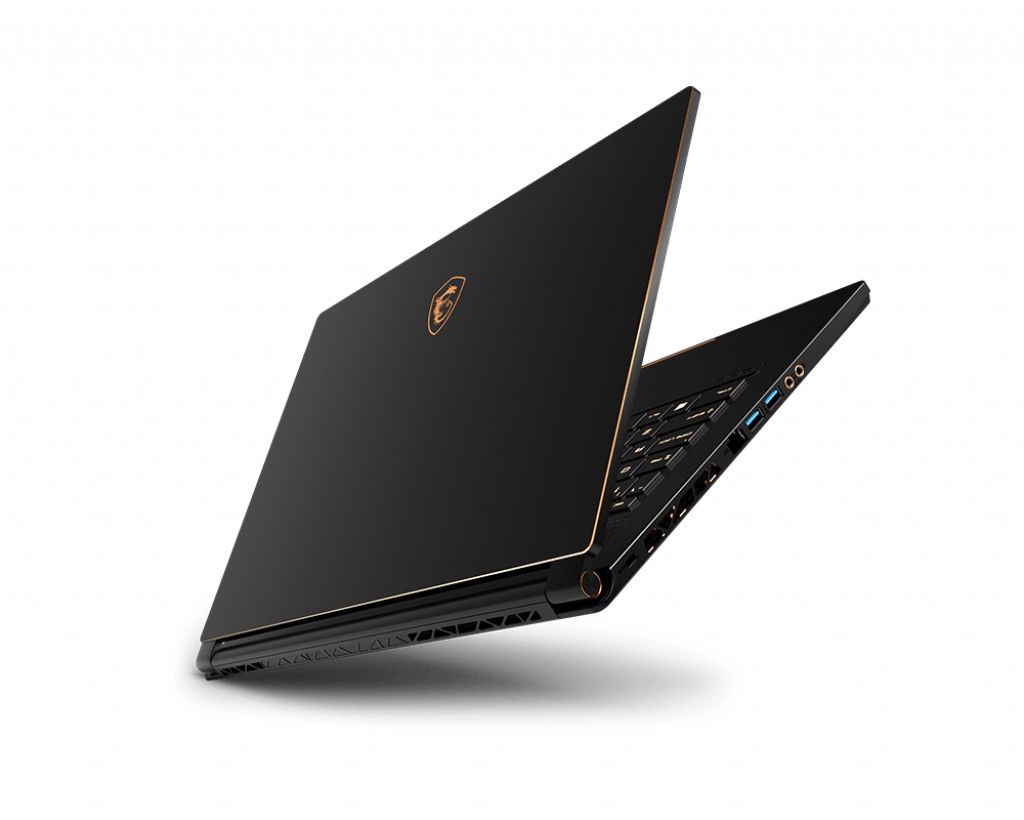
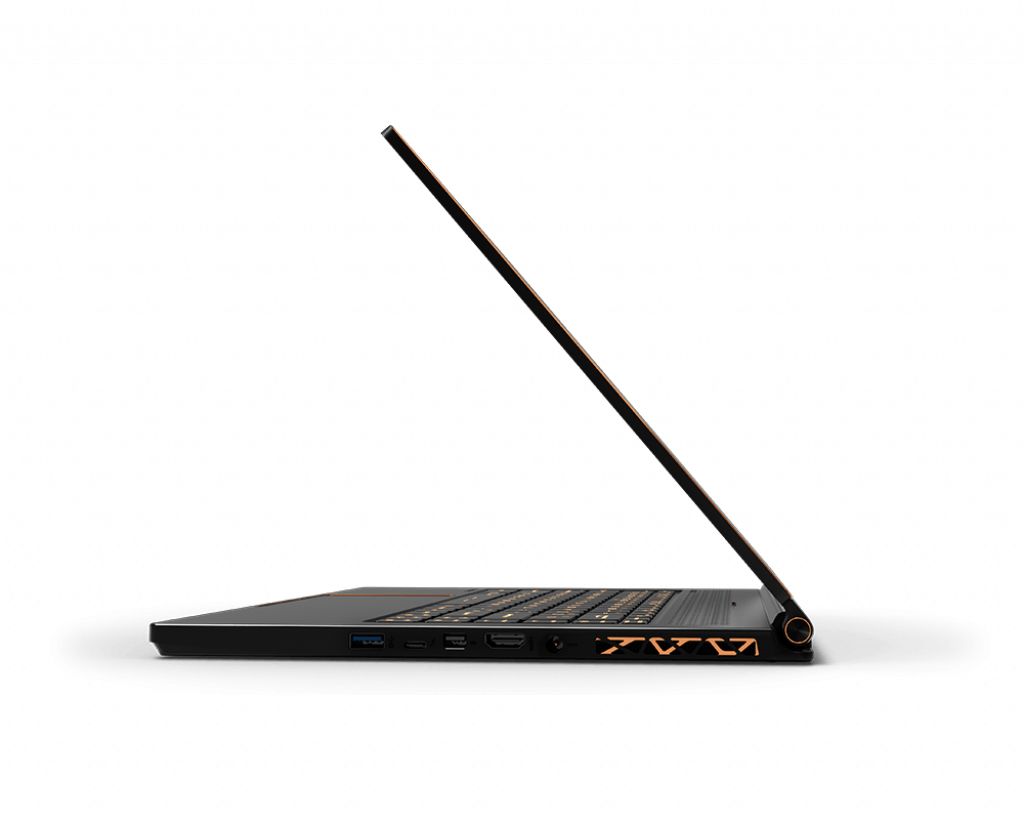
The MSI GS65 9SF-643RU Stealth gaming laptop features DDR4-SDRAM memory upgrade specifications with two SO-DIMM slots supporting maximum capacity of 64 GB. The system operates at 2666 MHz frequency. Compatible memory modules must match SO-DIMM form factor specifications. Upgrade configurations allow installation of dual modules to reach the maximum RAM capacity. The GS65 gaming series supports DDR4 memory technology for enhanced performance in the Stealth model lineup. Memory slots accommodate standard laptop memory upgrades within the specified compatibility parameters.
Memory Upgrade Specifications
| Specification | Value |
|---|---|
| Memory slots | 2x SO-DIMM |
| Form factor | SO-DIMM |
| Memory type | DDR4-SDRAM |
| Frequency | 2666 MHz |
| Maximum RAM | 64 GB |
| Voltage | 1.2V |
| Number of pins | 260-pin |
| Interface | PC4 |
| PC Speed Rating | PC4-2666 (PC4-21328) |
| Bandwidth | 21.3 GB/s |
| Laptop Release date | 07 August 2019 |
Additional Notes
- The MSI GS65 9SF-643RU Stealth uses laptop-class SO-DIMM slots rather than desktop DIMM form factors, restricting upgrade sources to mobile memory modules and eliminating compatibility with standard desktop RAM sticks.
- DDR4-2666 MHz specification indicates this system predates DDR4-3200 standardization, creating a ceiling on performance gains from memory upgrades since faster DDR4 modules will downclock to 2666 MHz to maintain compatibility.
- Dual SO-DIMM architecture means the 64 GB maximum is achievable only with 32 GB modules in each slot; single-slot upgrades cannot exceed 32 GB total capacity without replacing both modules simultaneously.
- SO-DIMM installation requires opening the base chassis to access the memory compartment, potentially voiding certain warranty provisions if performed outside manufacturer-authorized service channels.
- The 2x slot configuration leaves no expansion room for future upgrades beyond 64 GB, making the maximum capacity a hard ceiling rather than a practical stepping stone.
- Existing installed memory density determines upgrade cost efficiency; if the system shipped with single 8 GB modules, replacing only one to 16 GB creates an asymmetrical configuration that may incur latency penalties from unmatched DIMM capacities.