MSI Gaming GS65 9SG-426BE Stealth RAM upgrade specifications
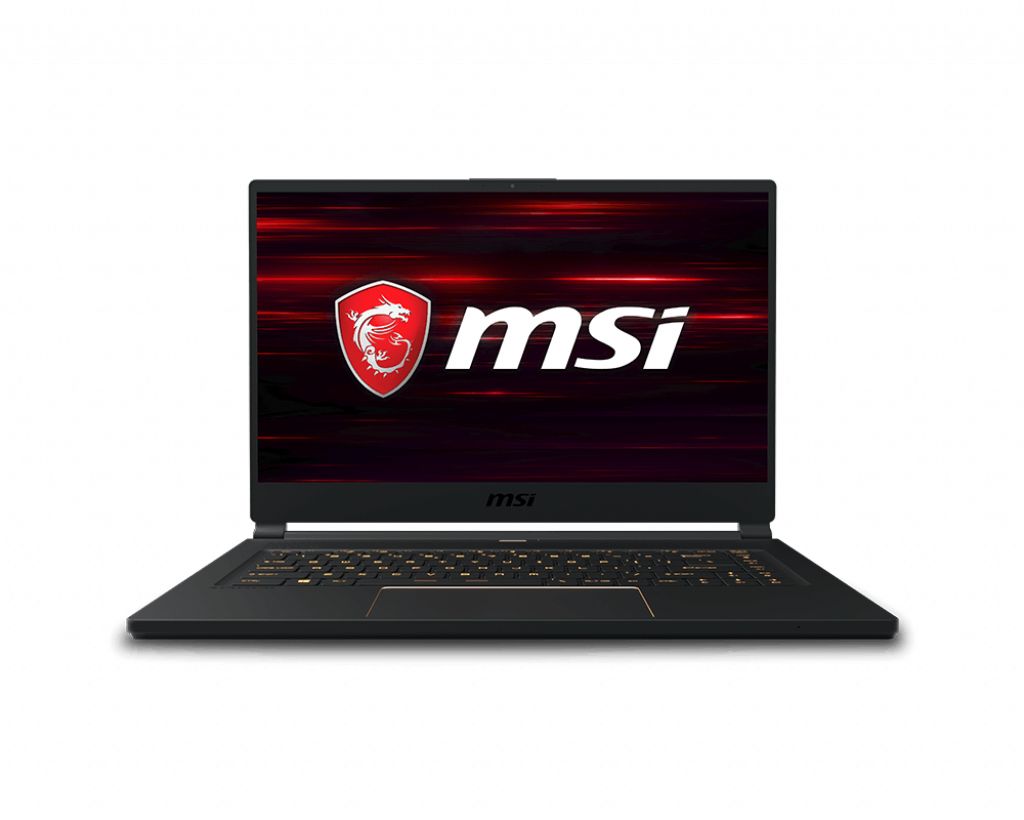
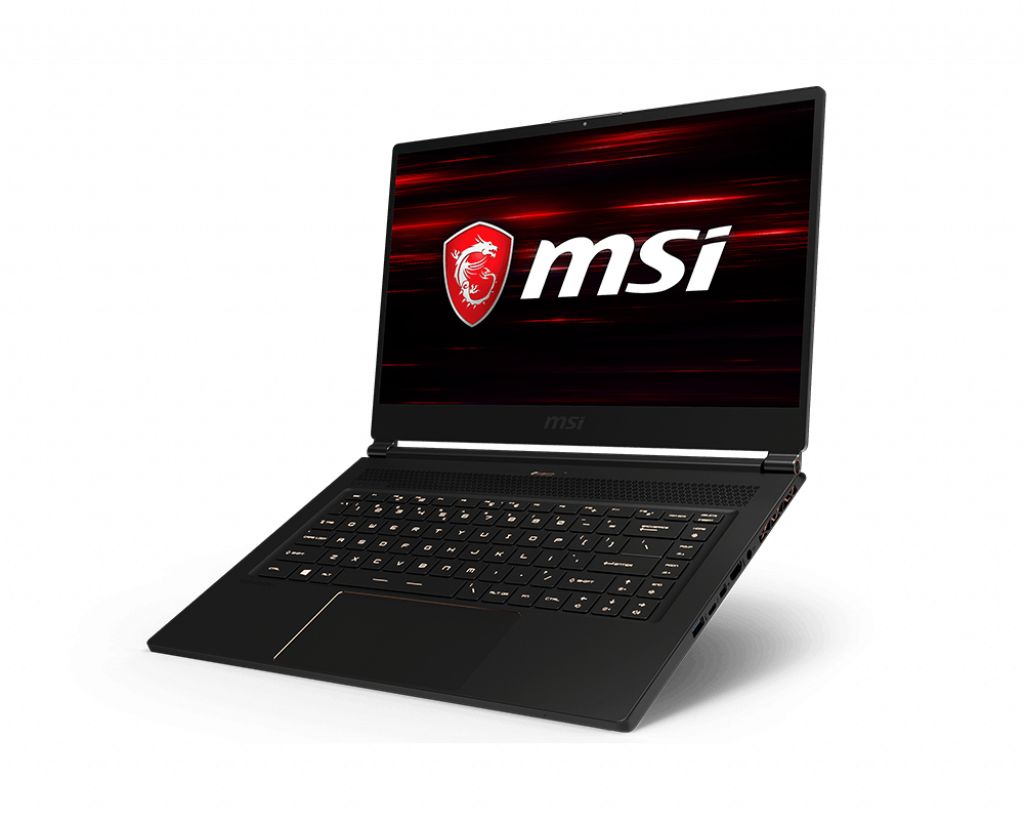
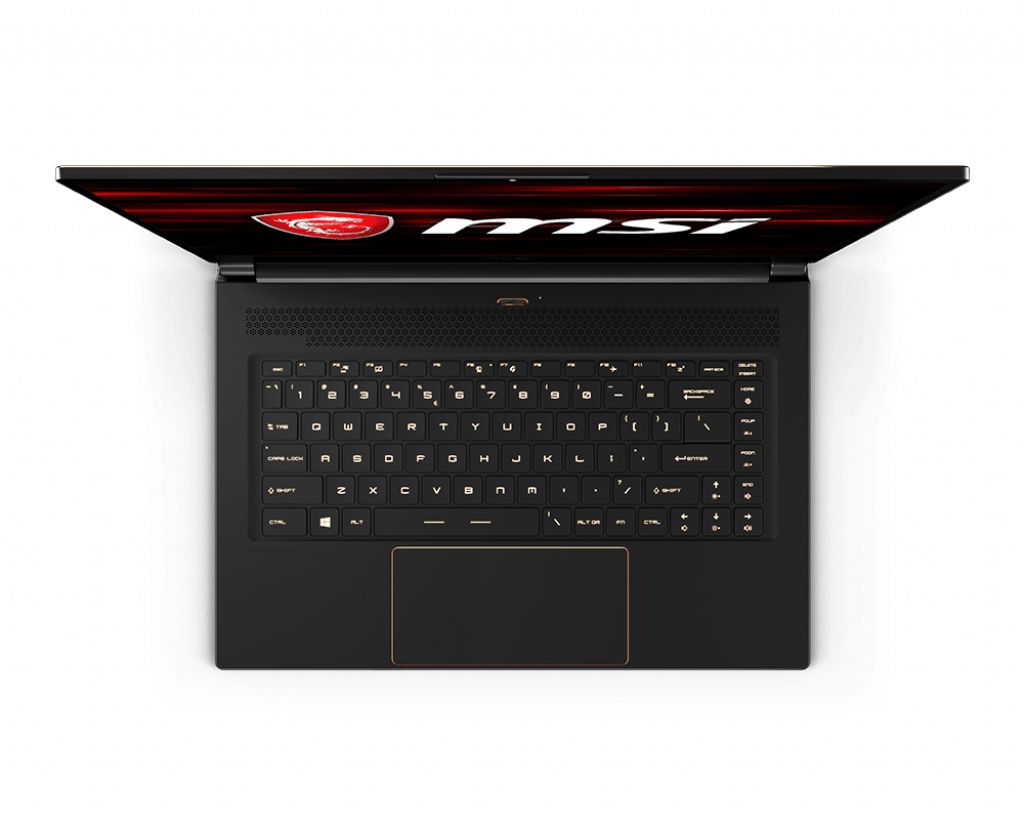

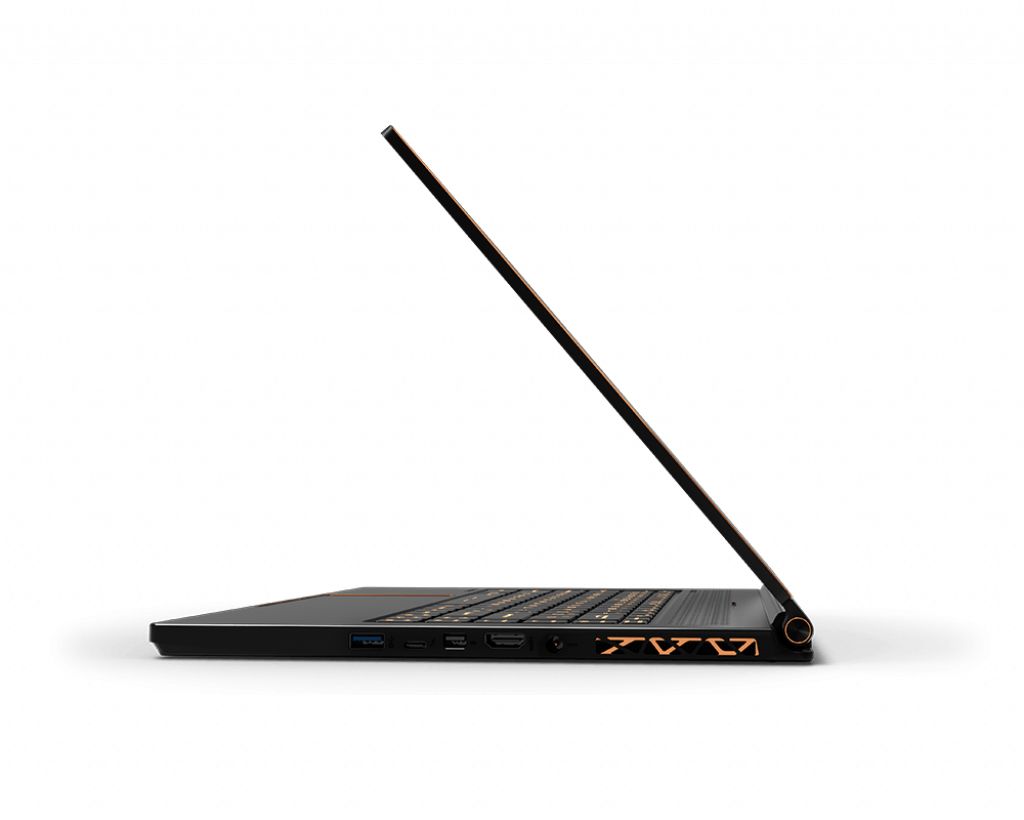
The MSI GS65 9SG-426BE Stealth gaming laptop features two SO-DIMM slots for memory expansion. This Gaming Series model supports DDR4-SDRAM memory operating at 2666 MHz frequency. The maximum RAM capacity compatible with specifications reaches 64 GB total. Users can upgrade the existing memory configuration by installing additional DDR4 SO-DIMM modules into available slots to increase overall system performance and multitasking capabilities.
Memory Upgrade Specifications
| Specification | Value |
|---|---|
| Memory slots | 2x SO-DIMM |
| Form factor | SO-DIMM |
| Memory type | DDR4-SDRAM |
| Frequency | 2666 MHz |
| Maximum RAM | 64 GB |
| Voltage | 1.2V |
| Number of pins | 260-pin |
| Interface | PC4 |
| PC Speed Rating | PC4-2666 (PC4-21328) |
| Bandwidth | 21.3 GB/s |
| Laptop Release date | 08 April 2019 |
Additional Notes
- The 2666 MHz frequency specification indicates that installing faster modules such as DDR4-3200 will result in automatic downclocking to the supported speed, potentially wasting cost premium on higher-rated memory.
- The presence of exactly 2 SO-DIMM slots means any capacity upgrade requires replacing both existing modules rather than adding supplementary modules, affecting total upgrade costs.
- The 64 GB maximum capacity constraint suggests the memory controller and chipset architecture support individual 32 GB modules, although verification of BIOS compatibility with high-density modules may be required before purchase.
- DDR4 SO-DIMM modules operate at 1.2V standard voltage, and mixing modules with different voltage requirements can cause system instability or boot failures in dual-channel configurations.
- Achieving optimal dual-channel bandwidth requires installing matched pairs of identical specifications, as mismatched latencies or densities force the memory controller to operate at the lowest common denominator.
- The MSI GS65 9SG-426BE Stealth utilizes a thin chassis design where SO-DIMM slots may be positioned under the bottom panel, requiring disassembly that could void warranty seals depending on regional service policies.
- Memory upgrades beyond factory configuration may require thermal considerations, as DDR4 modules generate additional heat that ultra-thin gaming chassis may struggle to dissipate during sustained workloads.
- The 2666 MHz specification aligns with JEDEC standard rather than XMP profiles, meaning modules advertised for overclocking features will function but without accessing enhanced timings or frequencies.
- Systems configured with 2 occupied slots from factory eliminate installation flexibility, forcing complete replacement strategy rather than incremental expansion that 4-slot configurations permit.