MSI Gaming GS65(STEALTH)8SG-049FR RAM upgrade specifications
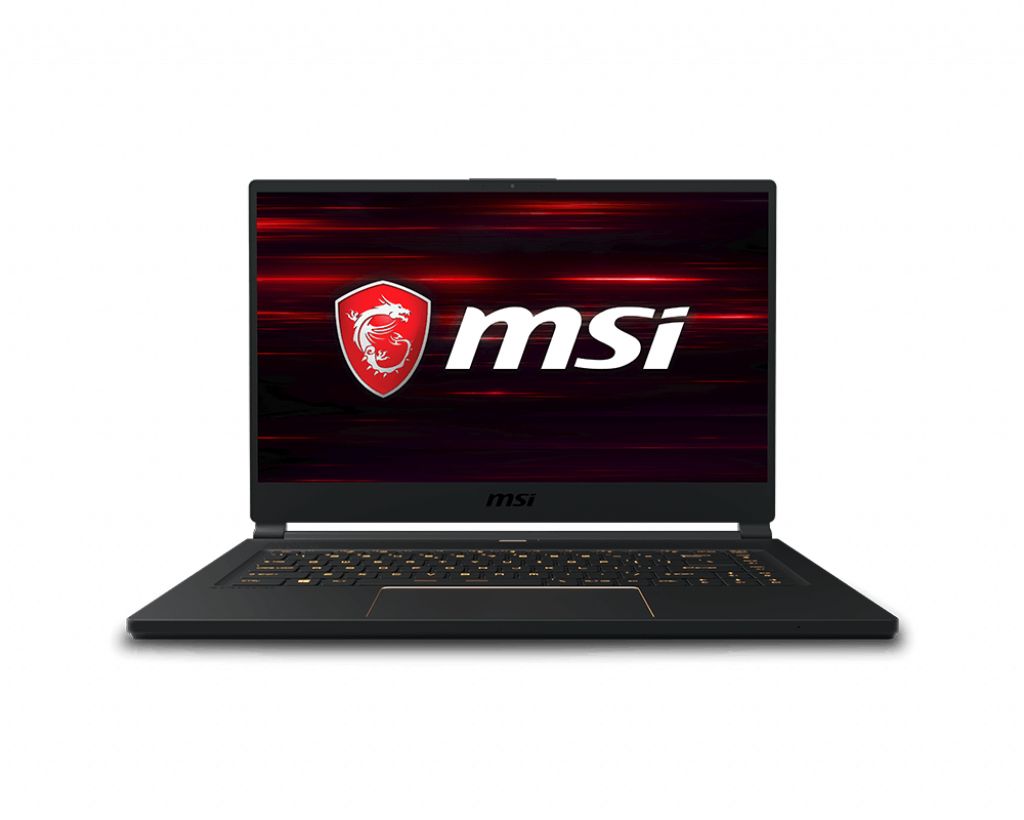
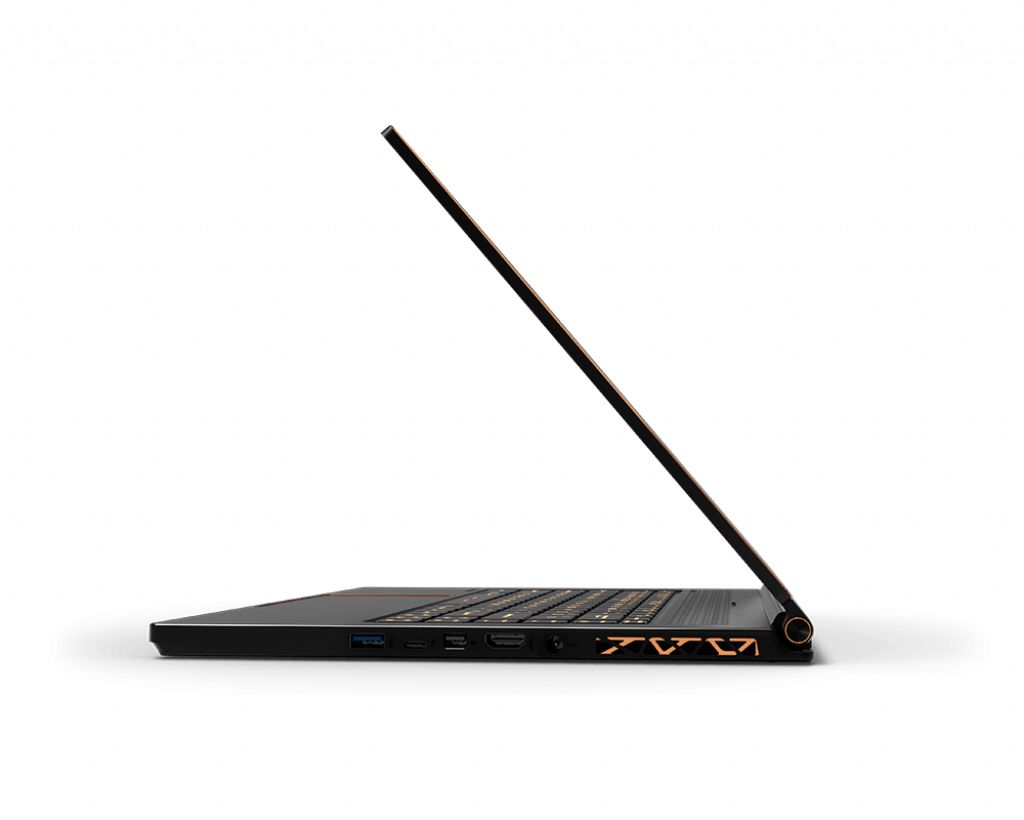
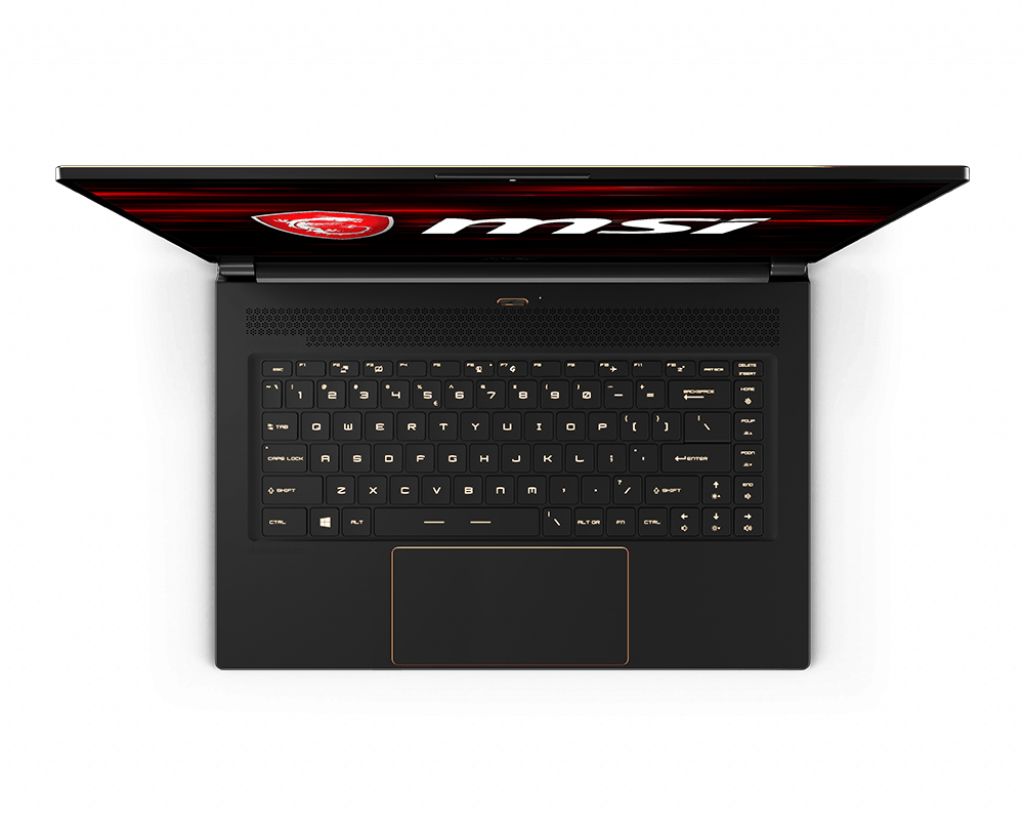
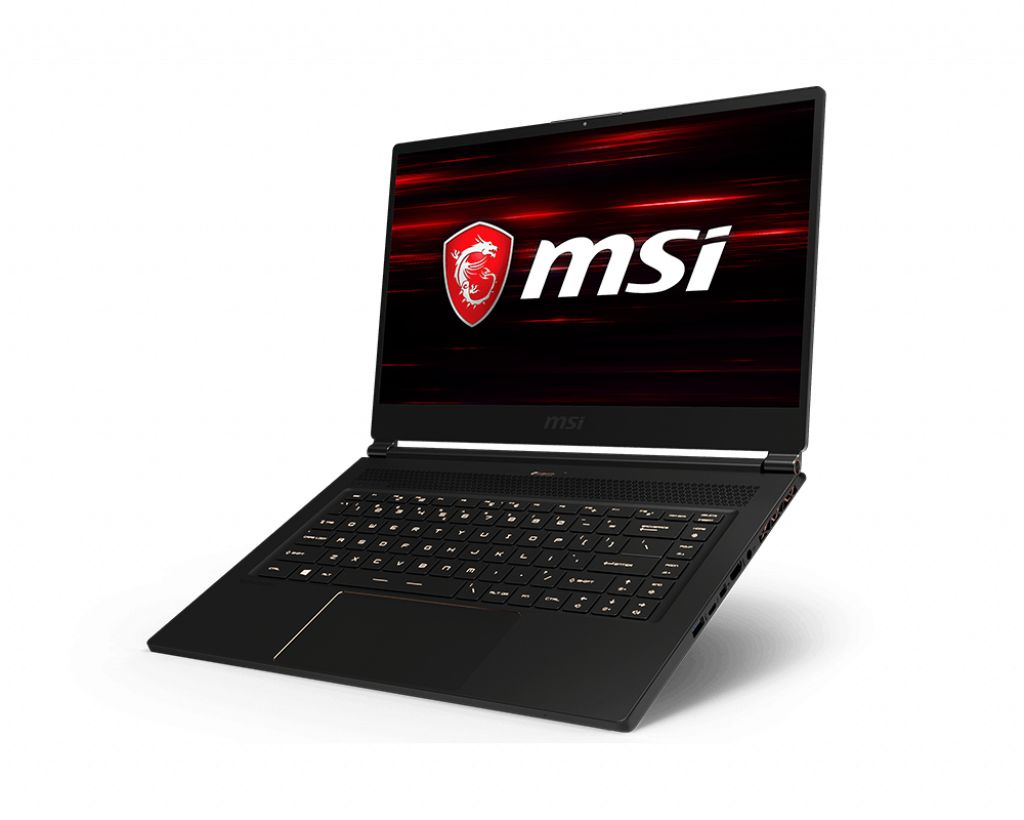
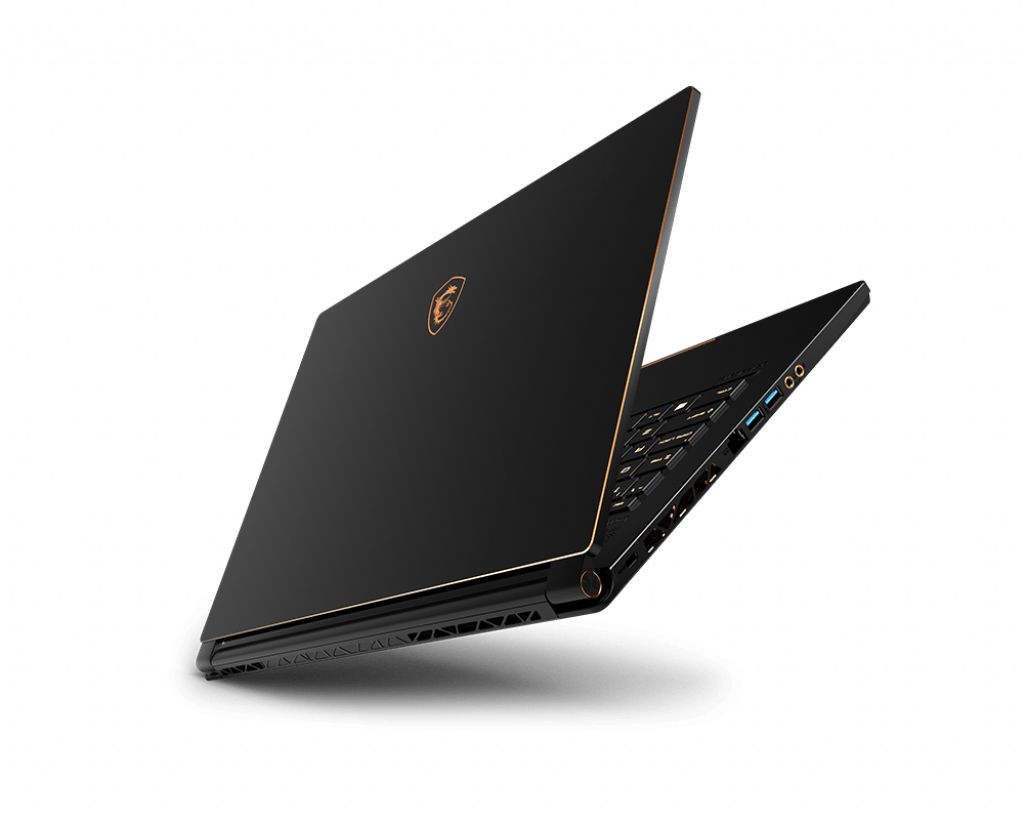
MSI GS65 STEALTH 8SG-049FR gaming laptop supports DDR4-SDRAM memory upgrades via two SO-DIMM slots. Maximum RAM capacity reaches 32 GB total, with compatible modules operating at 2666 MHz frequency. Memory upgrade specifications accommodate SO-DIMM form factor modules. The GS Gaming series laptop configurations allow for RAM expansion to enhance system performance through available memory slots and upgrade capacity.
Memory Upgrade Specifications
| Specification | Value |
|---|---|
| Memory slots | 2x SO-DIMM |
| Form factor | SO-DIMM |
| Memory type | DDR4-SDRAM |
| Frequency | 2666 MHz |
| Maximum RAM | 32 GB |
| Voltage | 1.2V |
| Number of pins | 260-pin |
| Interface | PC4 |
| PC Speed Rating | PC4-2666 (PC4-21328) |
| Bandwidth | 21.3 GB/s |
| Laptop Release date | 26 February 2019 |
Additional Notes
- The MSI GS65 Stealth 8SG-049FR contains 2 SO-DIMM slots that support up to 32 GB total capacity, meaning each slot accepts a maximum 16 GB module for full population.
- DDR4-2666 MHz frequency represents a mid-range specification for 8th-generation Intel platforms; pairing with newer DDR4-3200 or DDR4-3600 modules will default to 2666 MHz operation due to memory controller limitations, negating speed upgrade benefits.
- SO-DIMM form factor requires compact laptop-grade memory modules; desktop DDR4-SDRAM DIMMs are physically incompatible and cannot be mechanically inserted into the available slots.
- Accessing the 2 memory slots typically requires disassembling the bottom panel; opening the chassis may void certain manufacturer warranty provisions unless performed by authorized service personnel.
- The 32 GB ceiling means a single 16 GB module upgrade path exists, but upgrading both slots simultaneously eliminates the option to retain existing memory modules for external storage solutions or troubleshooting purposes.
- Memory bandwidth at DDR4-2666 MHz provides approximately 42.6 GB/second throughput; this represents a potential bottleneck for GPU-intensive gaming workloads when paired with high-end discrete graphics cards that may benefit from faster memory subsystems.