MSI Gaming GS66 10SE-039 Stealth RAM upgrade specifications
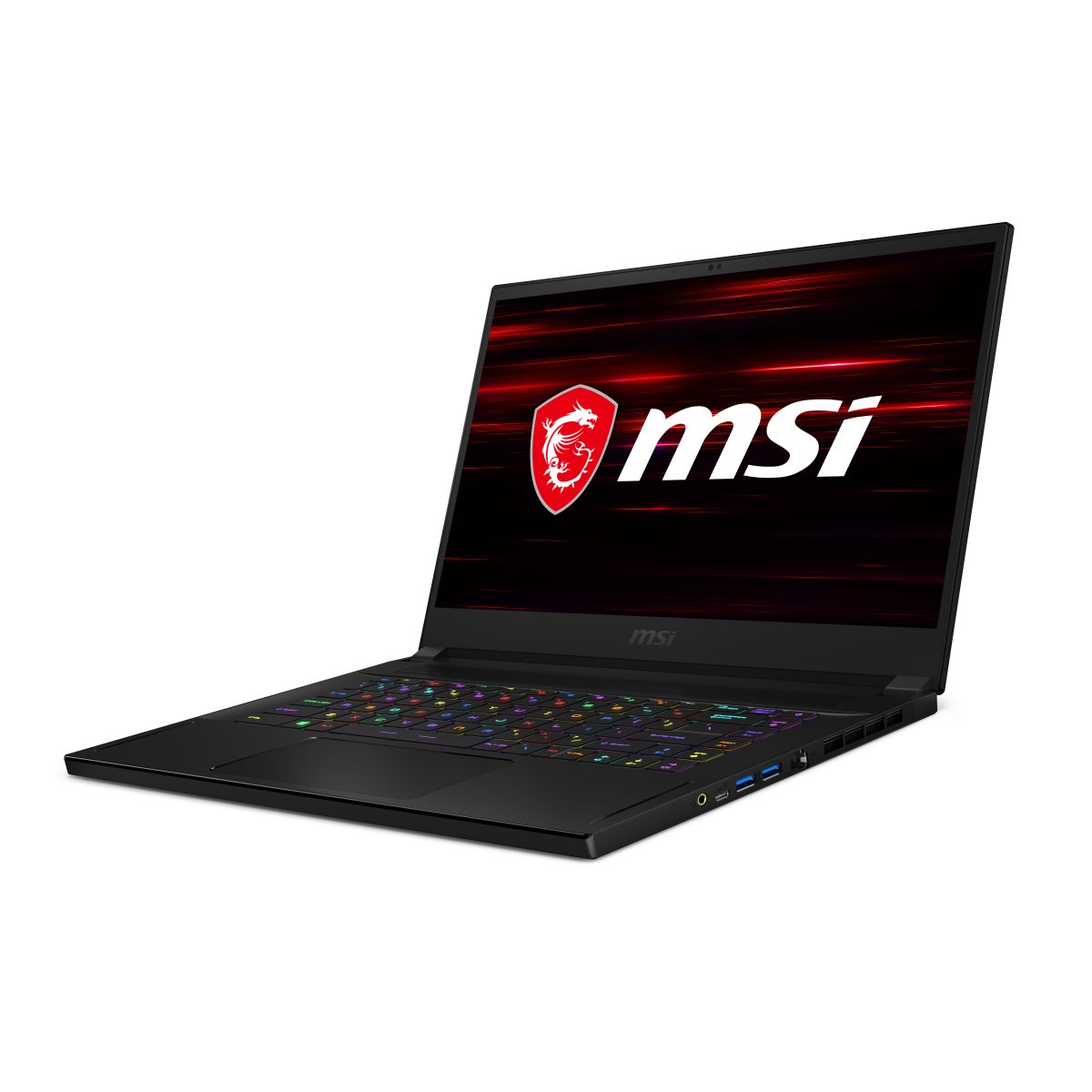
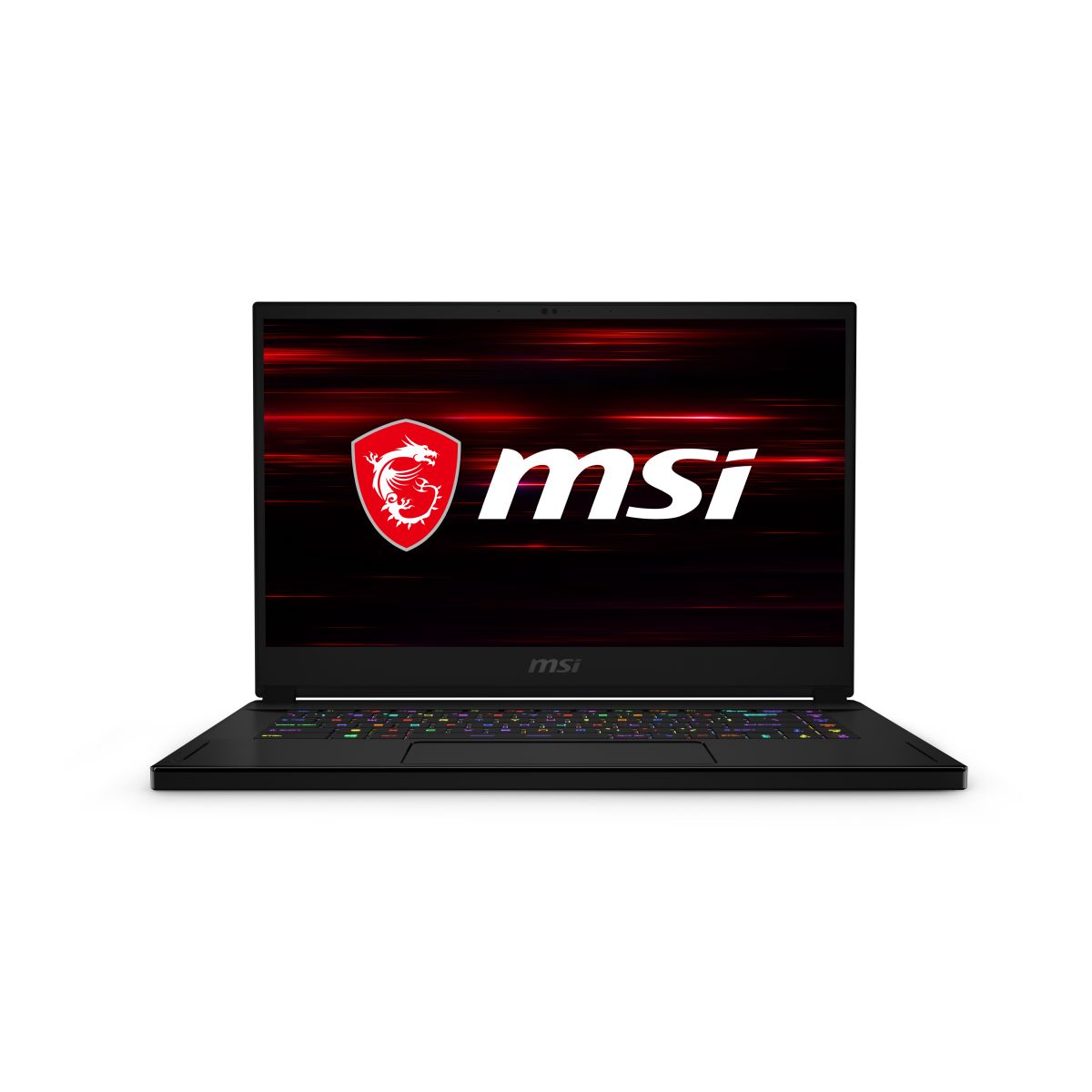
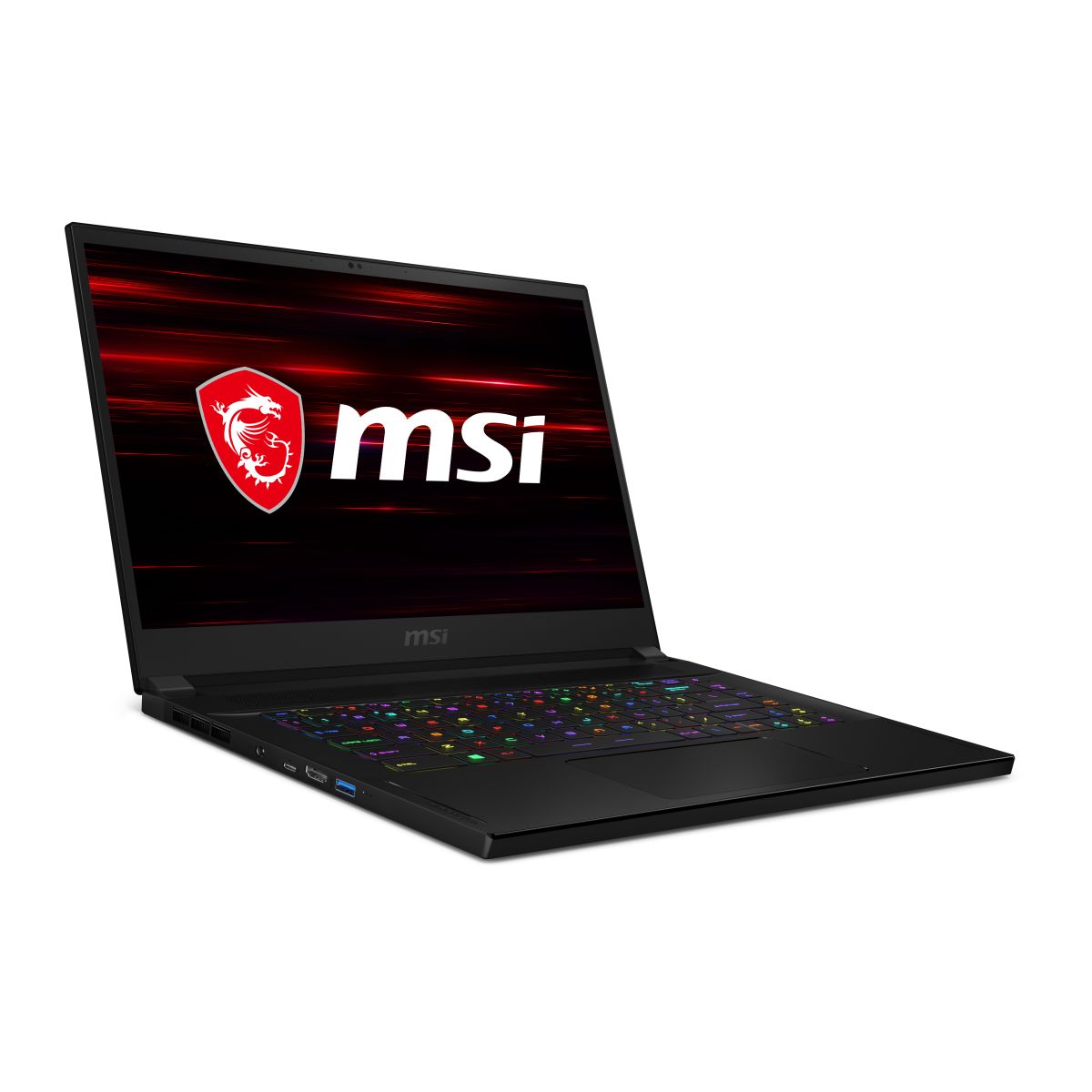

The MSI GS66 10SE-039 Stealth gaming laptop features DDR4-SDRAM memory upgrade specifications. The system supports 2x SO-DIMM slots with maximum RAM capacity of 64 GB. Memory modules operate at 2666 MHz frequency. Compatible upgrades utilize SO-DIMM form factor DDR4 memory. The GS66 series Gaming family laptop specifications allow for memory expansion to achieve the maximum 64 GB capacity through dual-slot configuration.
Memory Upgrade Specifications
| Specification | Value |
|---|---|
| Memory slots | 2x SO-DIMM |
| Form factor | SO-DIMM |
| Memory type | DDR4-SDRAM |
| Frequency | 2666 MHz |
| Maximum RAM | 64 GB |
| Voltage | 1.2V |
| Number of pins | 260-pin |
| Interface | PC4 |
| PC Speed Rating | PC4-2666 (PC4-21328) |
| Bandwidth | 21.3 GB/s |
| Laptop Release date | 27 April 2020 |
Additional Notes
- The MSI GS66 10SE-039 Stealth employs DDR4 memory running at 2666 MHz, which operates below the theoretical maximum bandwidth of 21.3 GB/s available in higher-frequency DDR4-3200 configurations, potentially limiting performance in memory-intensive workloads such as video rendering or large dataset processing.
- Both memory slots utilize the SO-DIMM form factor standard for laptops, requiring physical access to the bottom panel or keyboard assembly for installation, which may involve removing screws and potentially voiding manufacturer warranty seals if proper service procedures are not followed.
- The 64 GB maximum capacity constraint reflects the chipset and processor memory controller limitations of 10th generation Intel mobile platforms, preventing future expansion beyond 2x32 GB module configurations regardless of physical slot availability.
- Dual-channel architecture necessitates installing matched memory modules in both slots to achieve optimal bandwidth utilization, as asymmetric configurations or single-module operation reduces memory throughput by approximately 50 percent in bandwidth-sensitive applications.
- The 2666 MHz frequency specification represents JEDEC standard speed rather than XMP-overclocked profiles, meaning the system prioritizes stability and power efficiency over maximum performance headroom typical in desktop DDR4 implementations.
- Upgrading to the maximum 64 GB capacity requires purchasing two 32 GB SO-DIMM modules simultaneously, as mixing different density modules (such as combining existing 16 GB modules with new 32 GB modules) often triggers compatibility issues or forces the system to downclock to the lowest common specifications.
- The SO-DIMM 260-pin connector standard differs physically from desktop DIMM modules, preventing accidental installation of incompatible memory types but also limiting the available market selection compared to more common desktop memory configurations.
- Memory upgrades must maintain voltage compatibility at 1.2V standard for DDR4 SO-DIMMs, as higher-voltage modules designed for overclocking may exceed thermal design limits within the compact chassis or fail POST diagnostics entirely.