MSI Gaming GS66 10SF-433ES Stealth RAM upgrade specifications
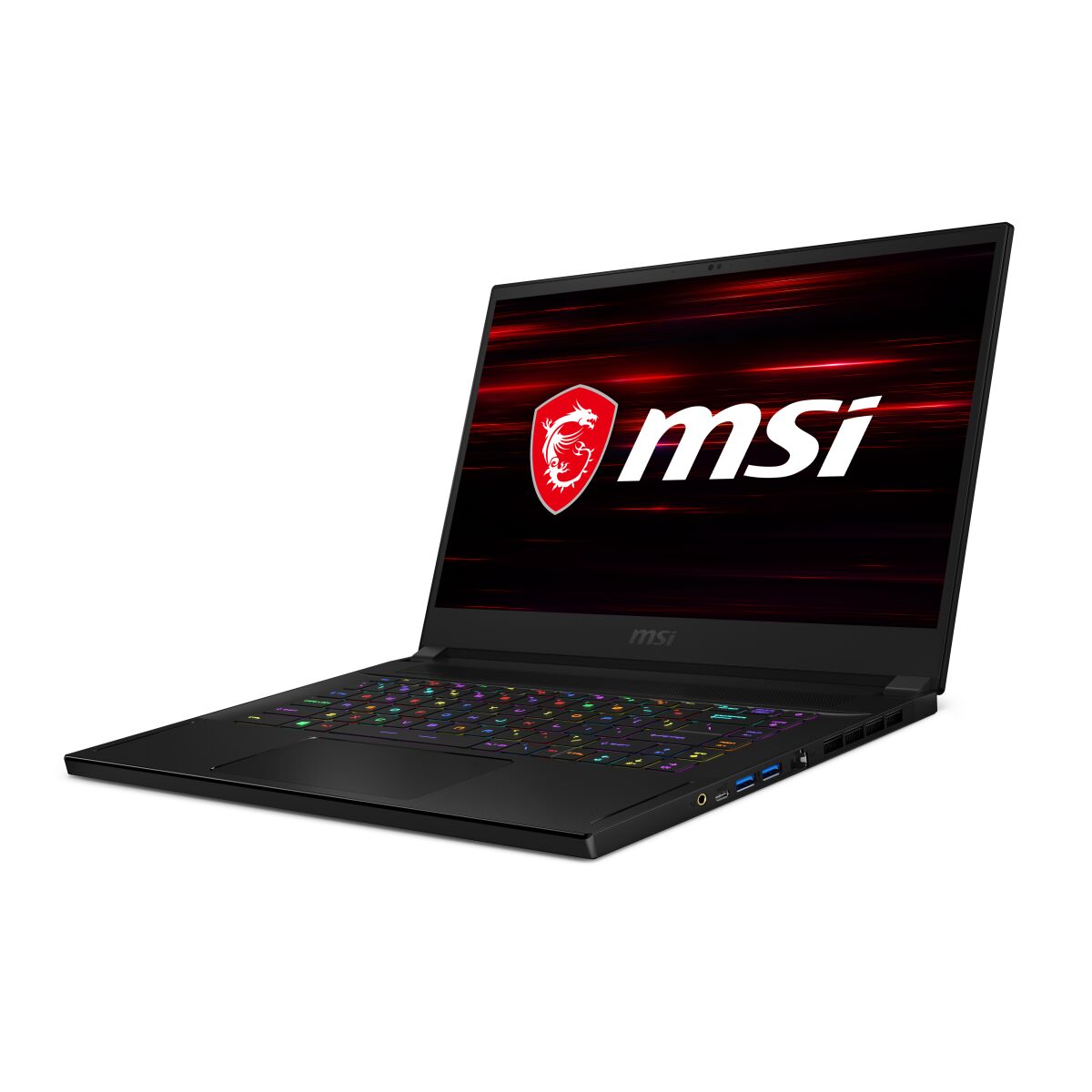
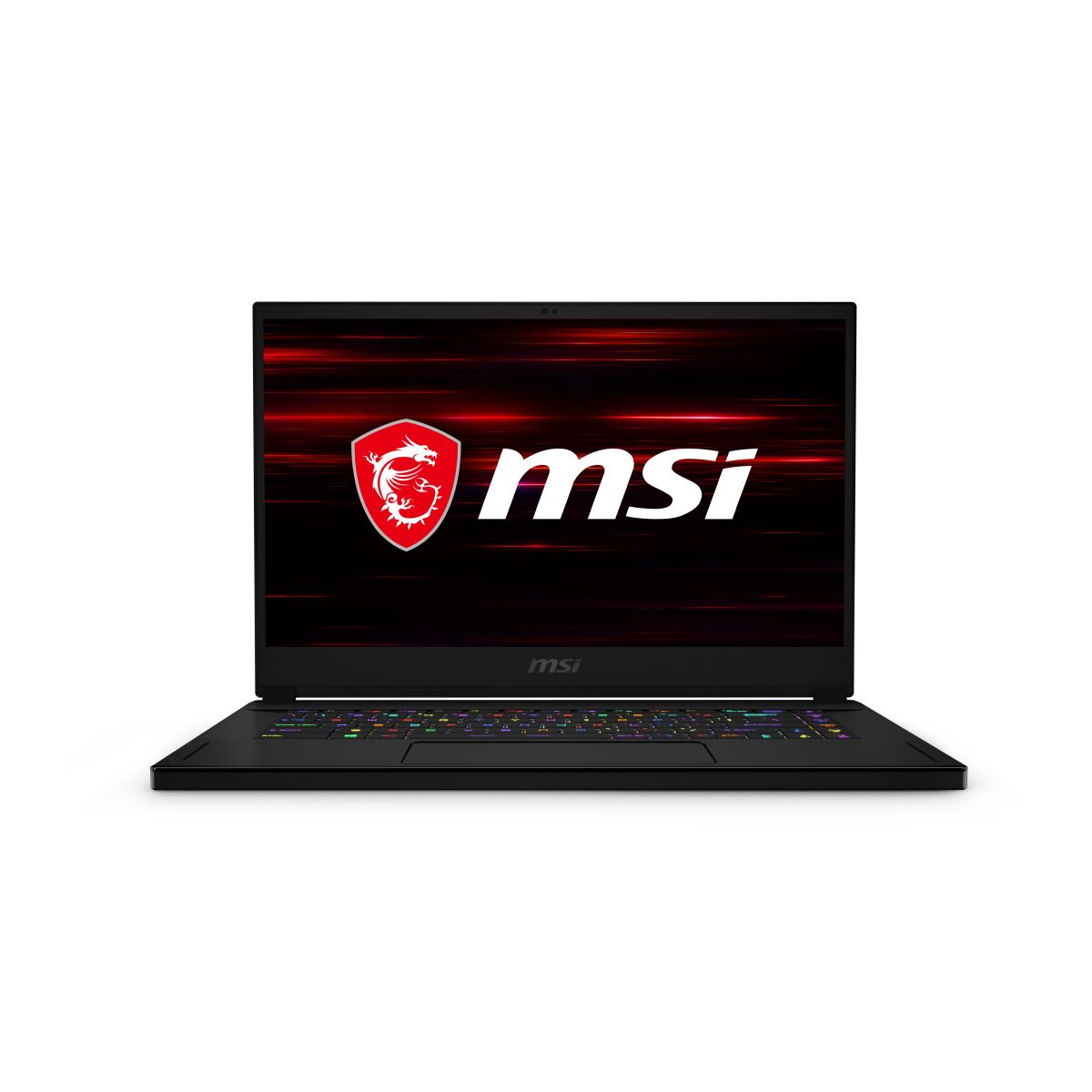
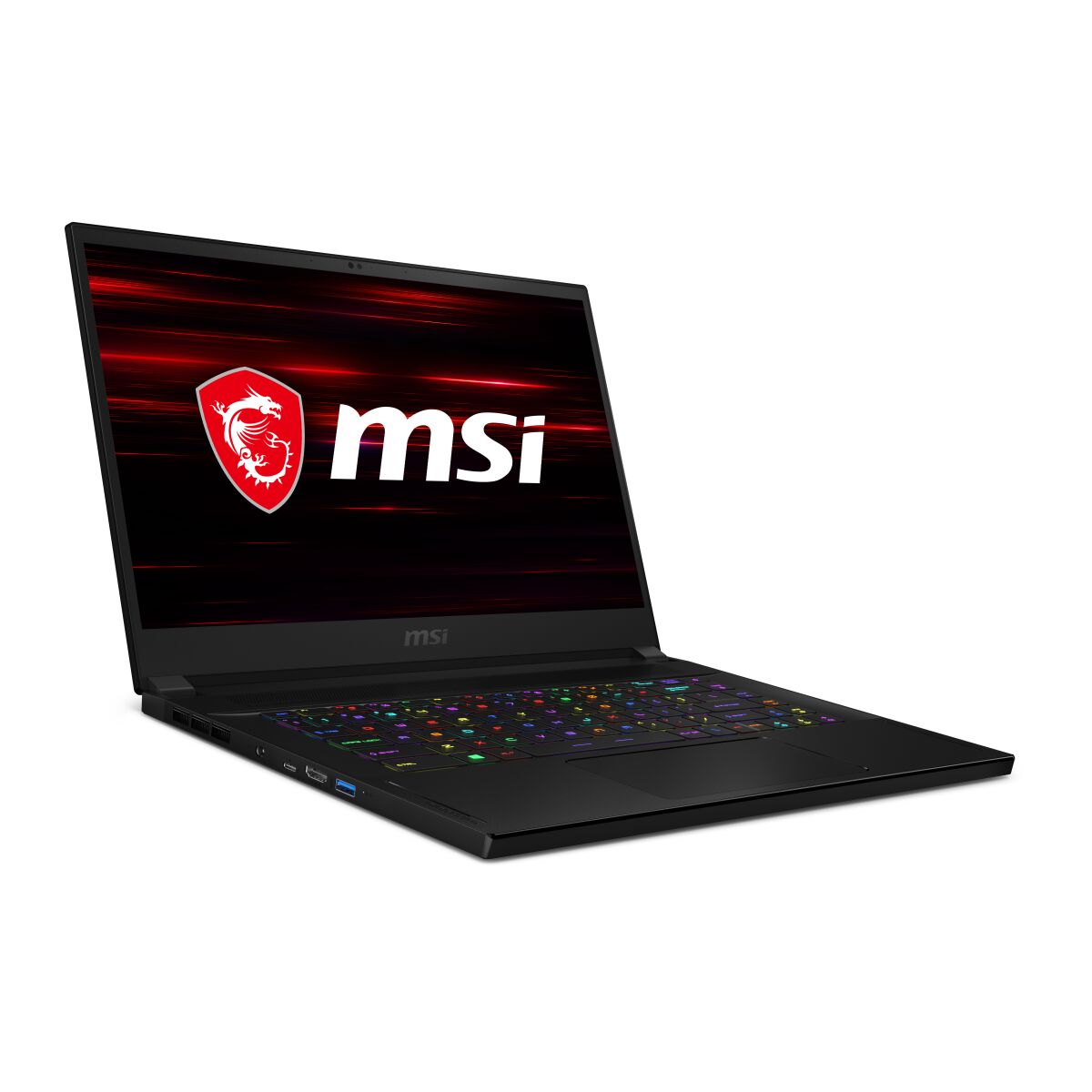
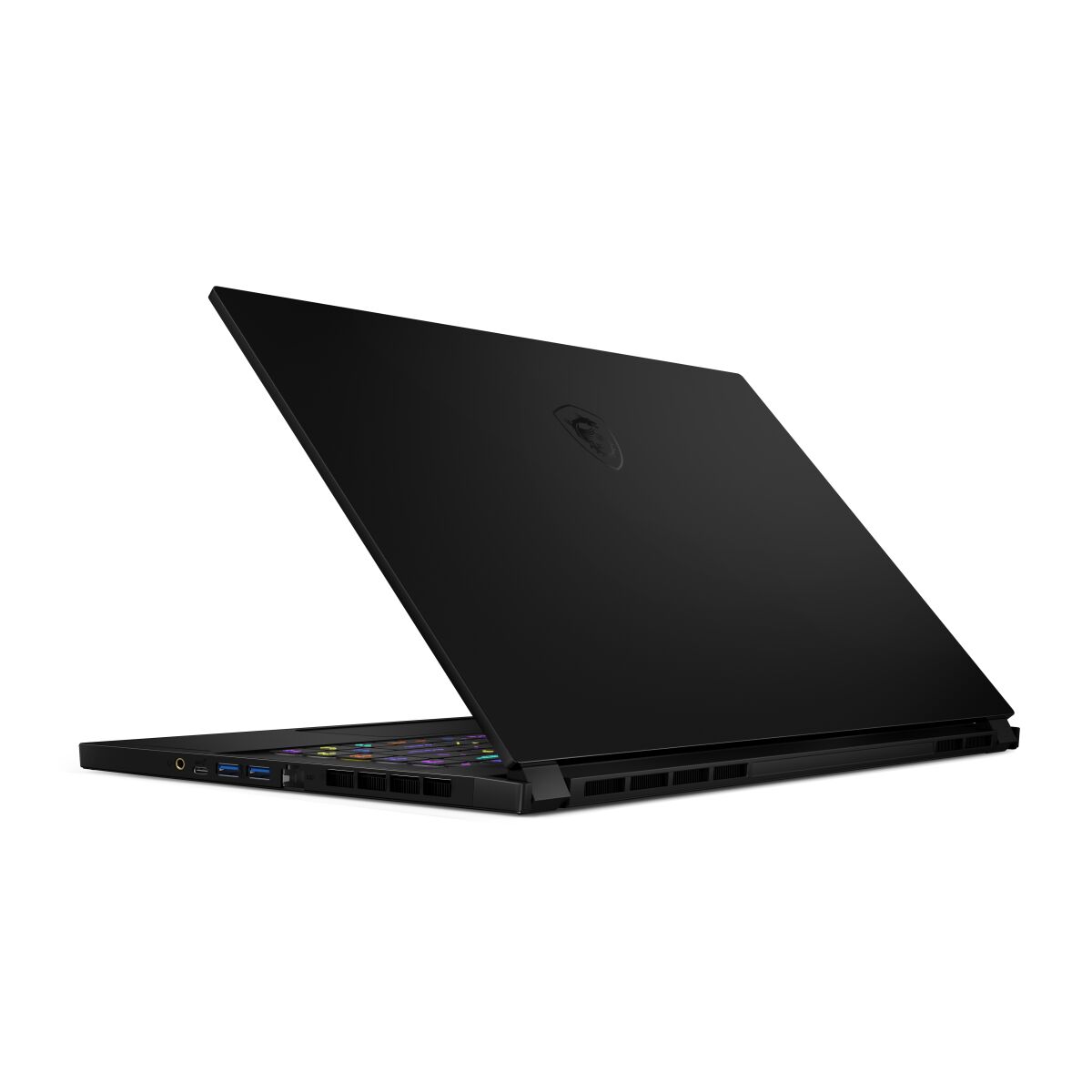
The MSI GS66 10SF-433ES Stealth gaming laptop features DDR4-SDRAM memory upgrade capabilities with 2x SO-DIMM slots supporting maximum capacity of 64 GB RAM. The compatible memory operates at 2666 MHz frequency with SO-DIMM form factor specifications. Current memory configuration and upgrade options are available for this specific MSI Gaming GS series model, allowing users to expand memory capacity according to specifications and compatible requirements.
Memory Upgrade Specifications
| Specification | Value |
|---|---|
| Memory slots | 2x SO-DIMM |
| Form factor | SO-DIMM |
| Memory type | DDR4-SDRAM |
| Frequency | 2666 MHz |
| Maximum RAM | 64 GB |
| Voltage | 1.2V |
| Number of pins | 260-pin |
| Interface | PC4 |
| PC Speed Rating | PC4-2666 (PC4-21328) |
| Bandwidth | 21.3 GB/s |
| Laptop Release date | 01 July 2020 |
Additional Notes
- The MSI GS66 10SF-433ES Stealth accepts only notebook-sized modules, which eliminates standard desktop DIMM compatibility.
- Both slots must be populated with matching modules to enable dual-channel operation, which doubles memory bandwidth from the memory controller.
- The 2666 MHz frequency ceiling prevents faster modules from operating above this speed, as the system will downclock any higher-rated modules automatically.
- Installing a single 32 GB module alongside an existing module of different capacity will maintain functionality but may disable symmetric dual-channel mode on some systems.
- The 64 GB maximum capacity requires 2 modules of 32 GB each, which may limit availability compared to more common 16 GB module configurations.
- DDR4 voltage standards at 1.2V reduce power consumption compared to previous generation memory, though lower-voltage variants offer no performance advantage at this frequency.
- Memory latency remains proportional to frequency, meaning CL19 timings at 2666 MHz deliver similar effective latency to CL22 at 3200 MHz if such modules are downclocked.
- Gaming workloads with high-resolution textures may saturate the available memory bandwidth before reaching capacity limits, making frequency and channel configuration more critical than absolute capacity.
- Factory-installed modules can be replaced without voiding the warranty in most regions, though verification of local warranty terms remains necessary before modification.
- Mixing modules from different manufacturers typically functions correctly but may prevent XMP profiles from loading, forcing the system to fall back on JEDEC standard timings.
- The SO-DIMM form factor height specification of 30mm must be observed, as low-profile variants designed for ultra-thin laptops may not secure properly in standard retention clips.
- Memory-intensive applications requiring more than 32 GB will necessitate upgrading both slots simultaneously, as partial upgrades cannot exceed the per-slot limitation inherent in the 64 GB total.