MSI Gaming GS66 10SFS-032 Stealth RAM upgrade specifications


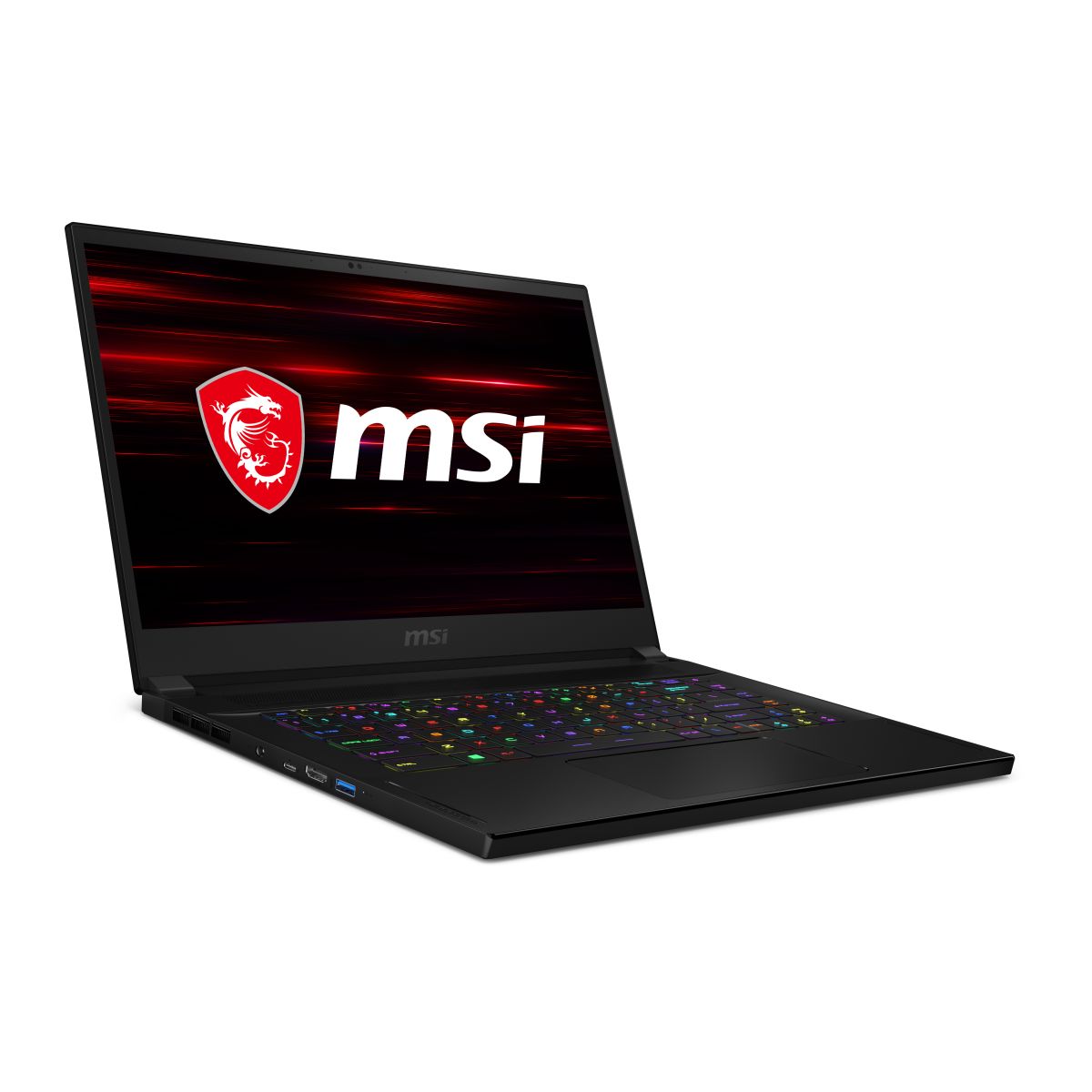


The MSI GS66 10SFS-032 Stealth gaming laptop features two SO-DIMM slots supporting DDR4-SDRAM memory upgrades. Maximum RAM capacity reaches 64 GB, with compatible modules operating at 2666 MHz frequency. Memory upgrade specifications allow installation of higher-capacity SO-DIMM modules to enhance system performance and multitasking capabilities on this gaming series model.
Memory Upgrade Specifications
| Specification | Value |
|---|---|
| Memory slots | 2x SO-DIMM |
| Form factor | SO-DIMM |
| Memory type | DDR4-SDRAM |
| Frequency | 2666 MHz |
| Maximum RAM | 64 GB |
| Voltage | 1.2V |
| Number of pins | 260-pin |
| Interface | PC4 |
| PC Speed Rating | PC4-2666 (PC4-21328) |
| Bandwidth | 21.3 GB/s |
| Laptop Release date | 27 April 2020 |
Additional Notes
- The MSI GS66 10SFS-032 Stealth features a dual-channel memory architecture that requires matched pairs for optimal bandwidth utilization, as single-module configurations would operate at half the theoretical throughput.
- Desktop-standard DIMM modules are physically incompatible with the SO-DIMM slots, necessitating laptop-specific memory modules with the smaller 260-pin form factor.
- The 2666 MHz frequency ceiling means higher-speed DDR4 modules rated at 3200 MHz or above will downclock to match the system's supported frequency, offering no performance advantage despite premium pricing.
- Reaching the 64 GB maximum capacity requires 2 x 32 GB SO-DIMM modules, which carry significantly higher per-gigabyte costs compared to more common 16 GB density modules.
- DDR4 operates at 1.2V standard voltage, while DDR3 or DDR3L modules use incompatible voltage specifications and different pin configurations that prevent physical installation.
- The dual-slot limitation means capacity upgrades require replacing existing modules rather than adding to them, potentially rendering the original memory unusable unless repurposed.
- Non-ECC unbuffered modules are required for consumer laptop platforms, as registered or ECC memory types designed for server applications will fail POST or refuse to boot.
- CAS latency variations at 2666 MHz typically range from CL17 to CL19, though real-world performance differences remain minimal for gaming workloads where GPU bandwidth dominates.
- Mixing modules with different densities, speeds, or timings forces the memory controller to operate all modules at the lowest common specifications, potentially creating instability or training failures during boot.
- The SO-DIMM slots typically reside beneath the bottom panel, requiring case disassembly that may void warranty seals depending on regional consumer protection regulations.