MSI Gaming GS66 10SGS-036 Stealth RAM upgrade specifications

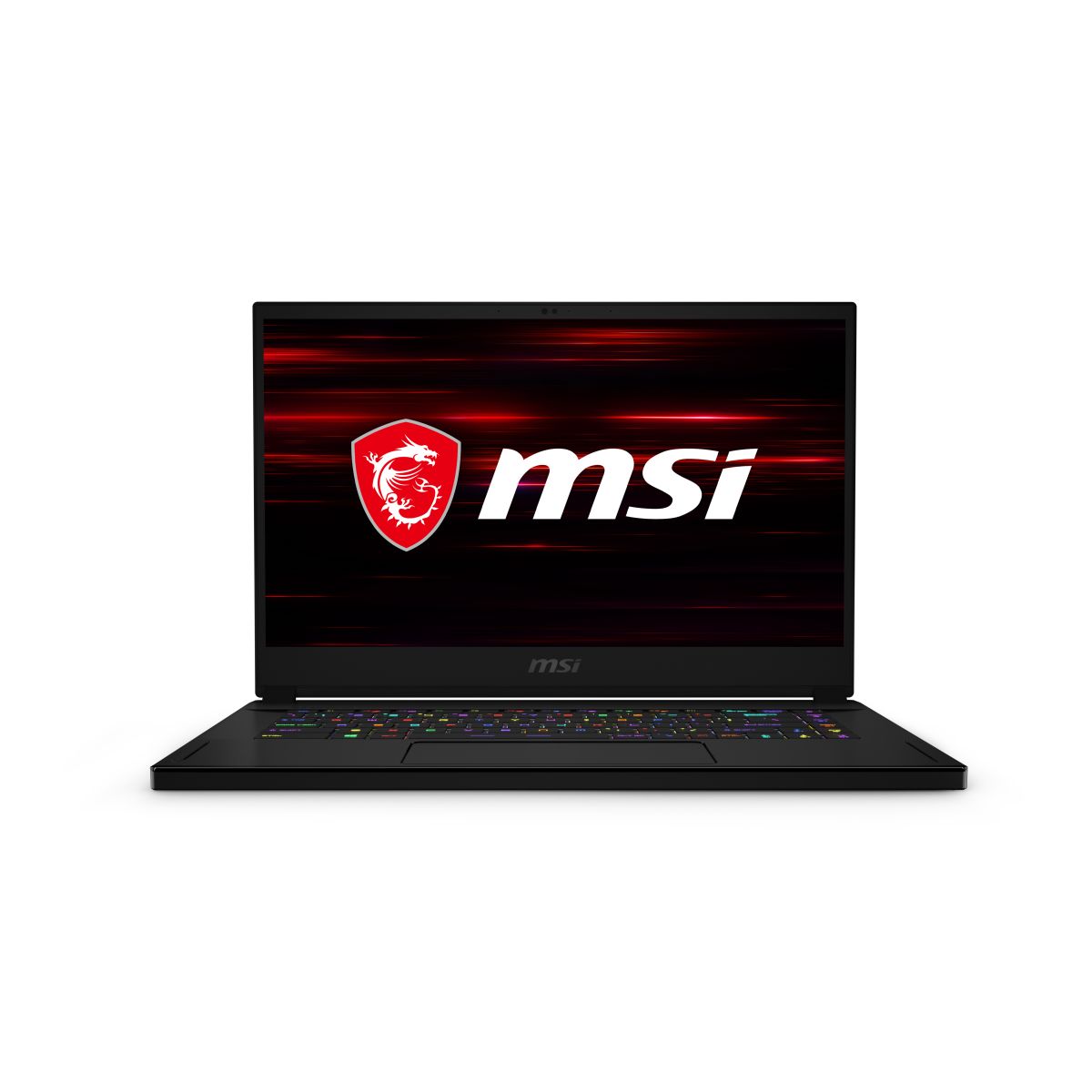
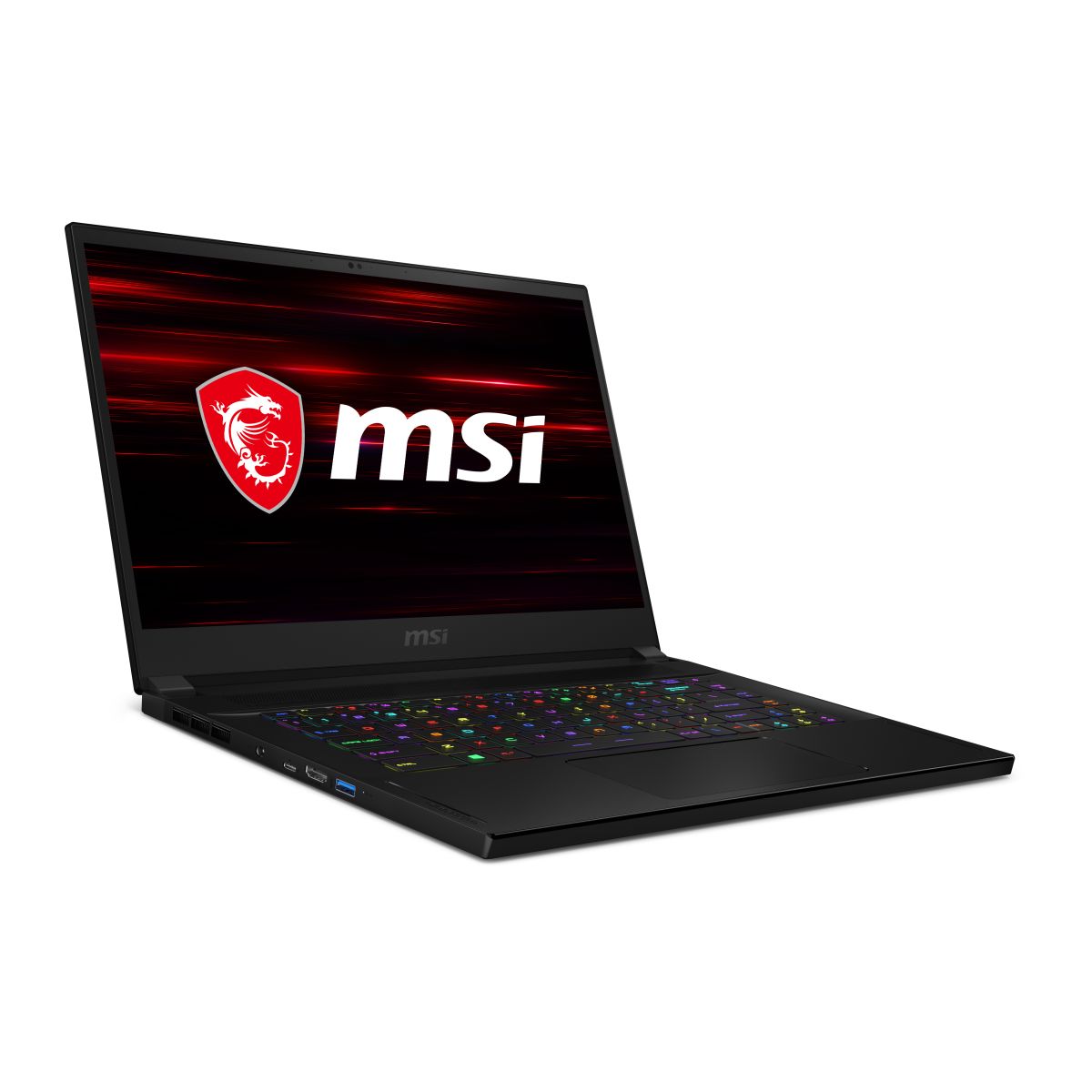

The MSI GS66 10SGS-036 Stealth gaming laptop supports DDR4-SDRAM memory upgrades with two SO-DIMM slots. Maximum RAM capacity reaches 64 GB, with memory operating at 2666 MHz frequency. Upgrade specifications indicate compatible DDR4 modules in SO-DIMM form factor. Current memory configuration supports expansion through available slots, allowing users to enhance system performance by installing additional compatible DDR4-SDRAM modules up to the maximum specifications listed.
Memory Upgrade Specifications
| Specification | Value |
|---|---|
| Memory slots | 2x SO-DIMM |
| Form factor | SO-DIMM |
| Memory type | DDR4-SDRAM |
| Frequency | 2666 MHz |
| Maximum RAM | 64 GB |
| Voltage | 1.2V |
| Number of pins | 260-pin |
| Interface | PC4 |
| PC Speed Rating | PC4-2666 (PC4-21328) |
| Bandwidth | 21.3 GB/s |
| Laptop Release date | 27 April 2020 |
Additional Notes
- The 2666 MHz frequency limitation creates a performance ceiling for any installed memory modules, as higher-speed DDR4 modules rated at 3200 MHz or above will downclock to match this specification when installed in the MSI GS66 10SGS-036 Stealth.
- Both memory channels must be populated with identical capacity modules to maintain dual-channel operation, as mismatched configurations force the system into asymmetric or single-channel mode with measurable bandwidth reduction.
- The 64 GB maximum ceiling permits only 2 configurations: dual 32 GB modules or retention of lower capacities, eliminating flexibility for incremental upgrades beyond the 32 GB per slot threshold.
- Standard desktop DDR4 DIMMs are physically incompatible with the SO-DIMM sockets, requiring laptop-specific modules with the shorter 260-pin form factor.
- Voltage requirements for DDR4 SO-DIMMs must remain at the standard 1.2V specification, as higher-voltage enthusiast modules designed for overclocking can trigger stability issues or POST failures.
- Warranty preservation typically requires non-destructive installation procedures, meaning the bottom panel removal process must avoid breaking factory seals if applied in specific warranty-protected regions.
- The Intel 10th generation platform's memory controller enforces JEDEC timing standards at 2666 MHz, so modules advertising tighter XMP timings provide no practical advantage without accessible BIOS overclocking options.
- Thermal throttling risk increases with higher-density modules operating in the confined gaming chassis, particularly when both slots contain 32 GB modules generating more heat than lower-capacity alternatives.
- Mixing different memory ranks (single-rank versus dual-rank modules) across the 2 slots can create latency asymmetries that impact performance consistency in memory-intensive gaming scenarios.