MSI Gaming GS66 10UG-044AU Stealth RAM upgrade specifications
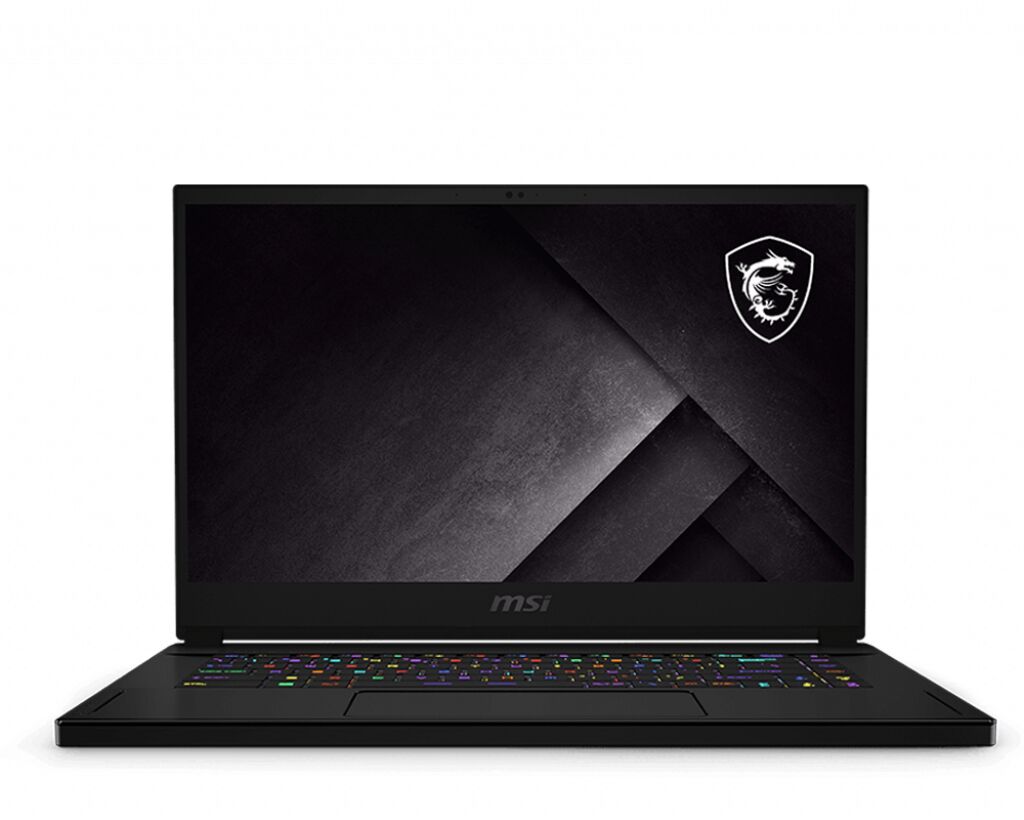


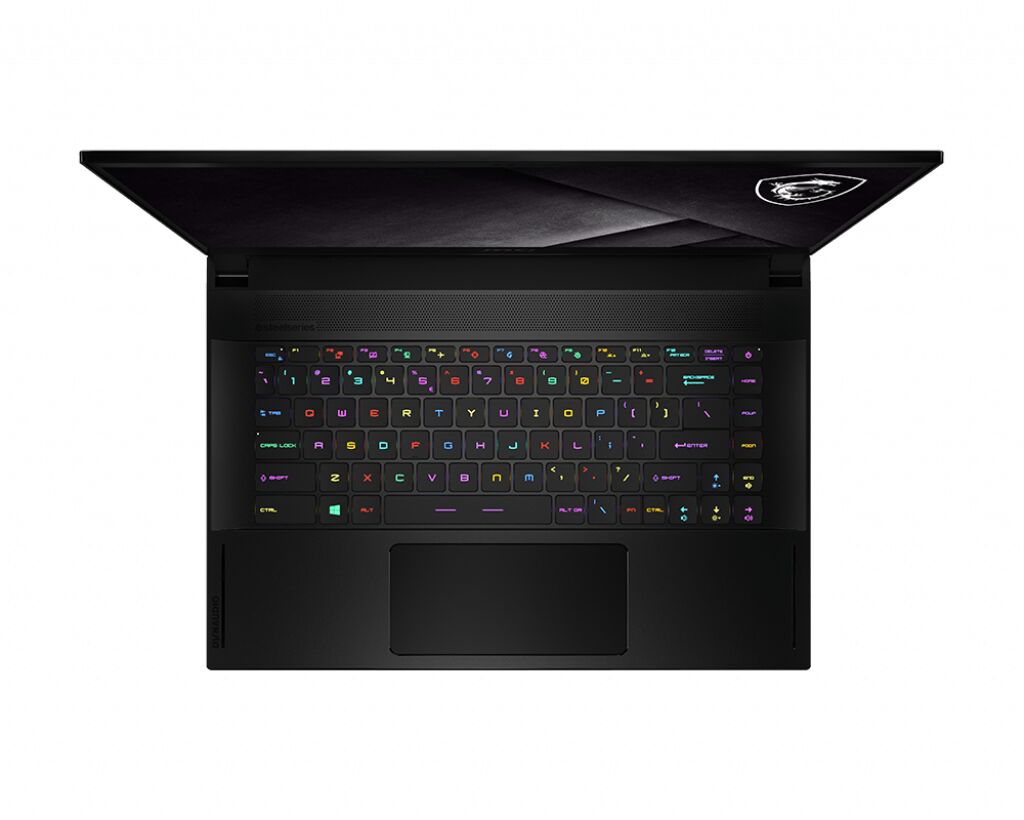
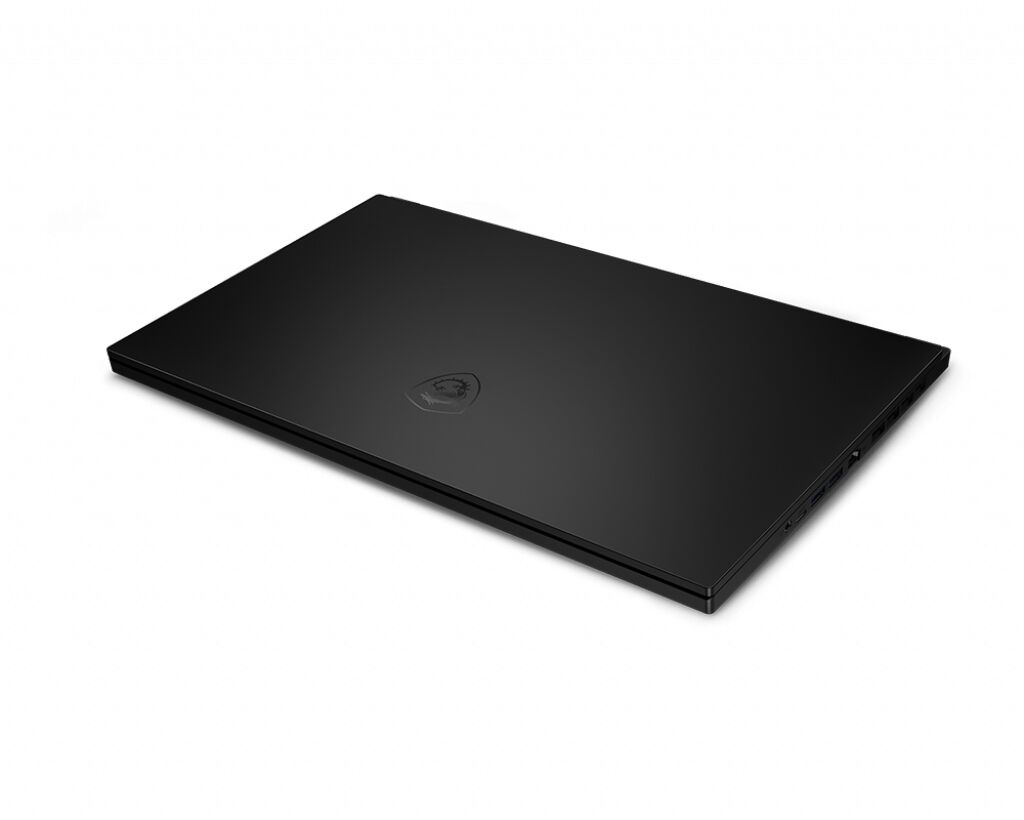
MSI GS66 10UG-044AU Stealth Gaming series laptop memory upgrade specifications: supports DDR4-SDRAM with maximum capacity of 64 GB across 2x SO-DIMM slots. Compatible RAM operates at 3200 MHz frequency. Current configuration allows for memory expansion through dual SO-DIMM slots, enabling users to upgrade existing RAM modules to meet higher performance requirements. Specifications ensure compatibility with standard DDR4 memory upgrades for enhanced multitasking and application performance.
Memory Upgrade Specifications
| Specification | Value |
|---|---|
| Memory slots | 2x SO-DIMM |
| Form factor | SO-DIMM |
| Memory type | DDR4-SDRAM |
| Frequency | 3200 MHz |
| Maximum RAM | 64 GB |
| Voltage | 1.2V |
| Number of pins | 260-pin |
| Interface | PC4 |
| PC Speed Rating | PC4-3200 (PC4-25600) |
| Bandwidth | 25.6 GB/s |
| Laptop Release date | 28 January 2021 |
Additional Notes
- The DDR4-3200 specification enables dual-channel operation when both SO-DIMM slots are populated with matched modules, doubling the effective memory bandwidth compared to single-channel configurations.
- The 64 GB maximum capacity requires two 32 GB SO-DIMM modules, which limits future expandability since both slots must be occupied to reach this ceiling.
- Mixing modules with different speeds will force all memory to operate at the frequency of the slowest module, negating any performance advantage of higher-speed RAM.
- The 10th generation Intel processor in this MSI GS66 10UG-044AU Stealth platform officially supports DDR4-2933, meaning the 3200 MHz rating relies on XMP/overclocking profiles rather than native JEDEC speeds.
- SO-DIMM modules generate different thermal profiles than desktop DIMMs, and the compact chassis design may create heat buildup that affects stability during sustained memory-intensive workloads.
- Installing memory modules with different timings will cause the system to default to the looser timings, potentially reducing performance even when frequencies match.
- The non-soldered SO-DIMM configuration allows RAM replacement without specialized reballing equipment, though accessing the slots typically requires complete bottom panel removal.
- Memory modules exceeding JEDEC voltage specifications (standard 1.2V for DDR4) may void warranty coverage or cause compatibility issues with the laptop's power delivery circuitry.
- Single-rank versus dual-rank module architecture affects memory interleaving, with dual-rank configurations sometimes providing 5-10% performance improvements in bandwidth-sensitive applications despite identical frequency ratings.
- The DDR4 generation excludes compatibility with DDR5 modules, which use physically incompatible notch positions and different voltage requirements.