MSI Gaming GS66 10UG-213CA Stealth RAM upgrade specifications
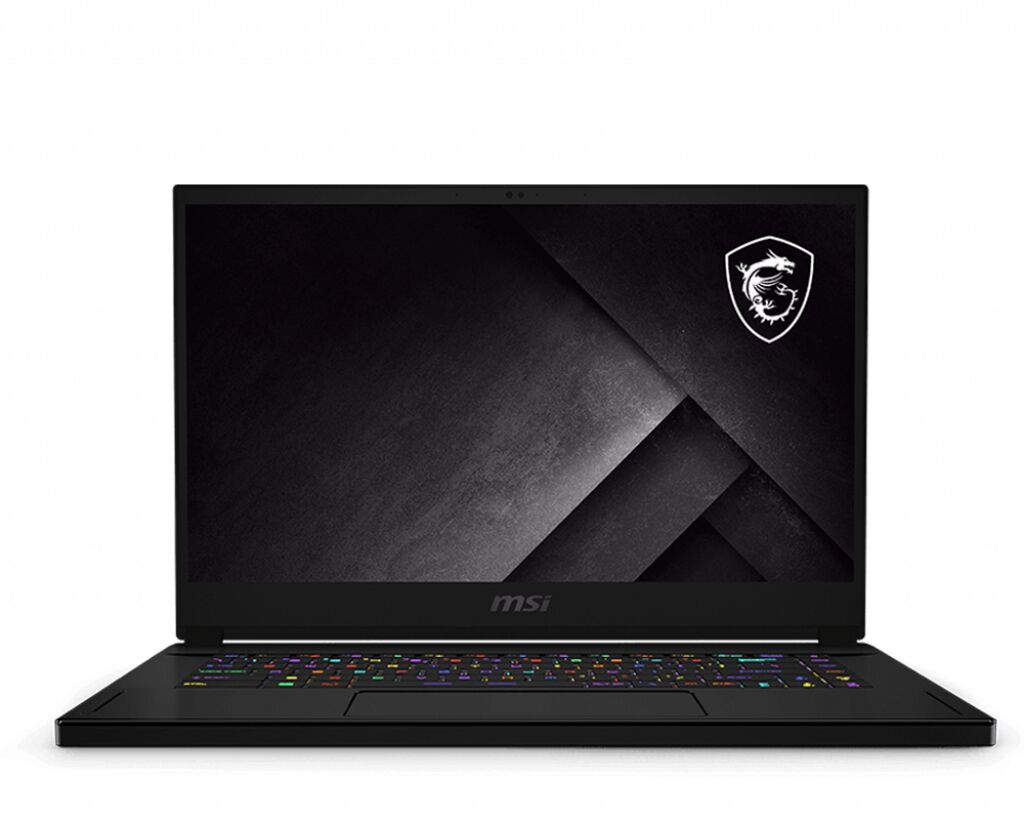

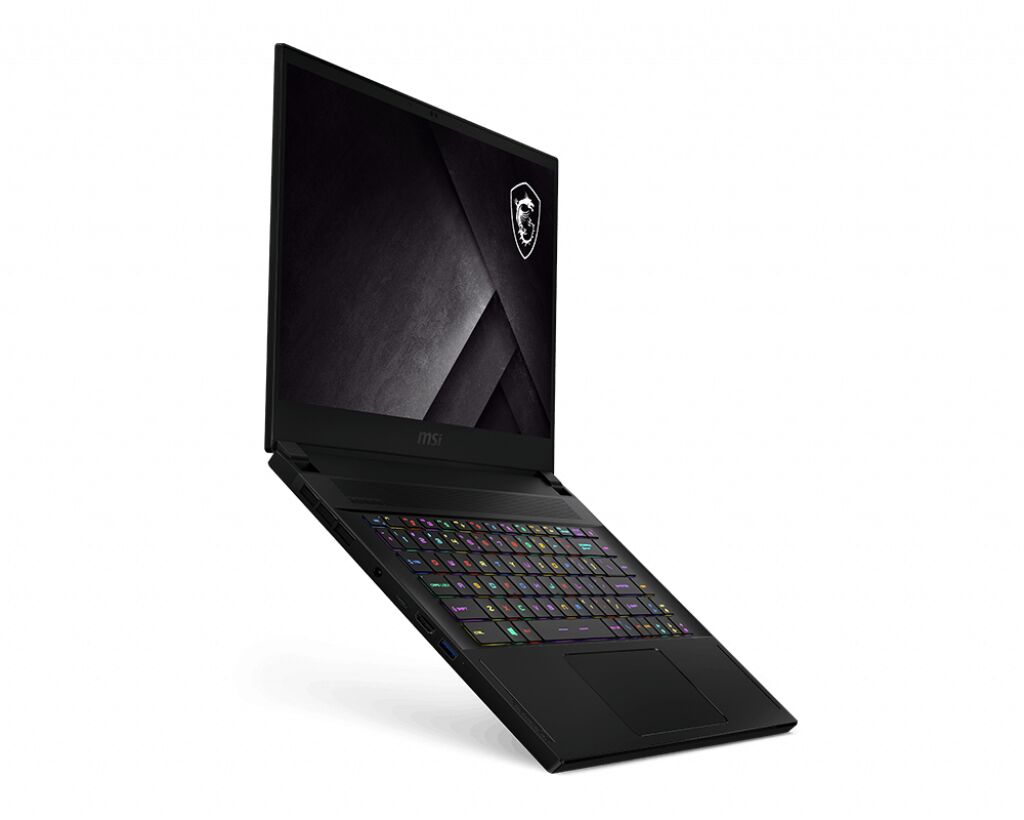
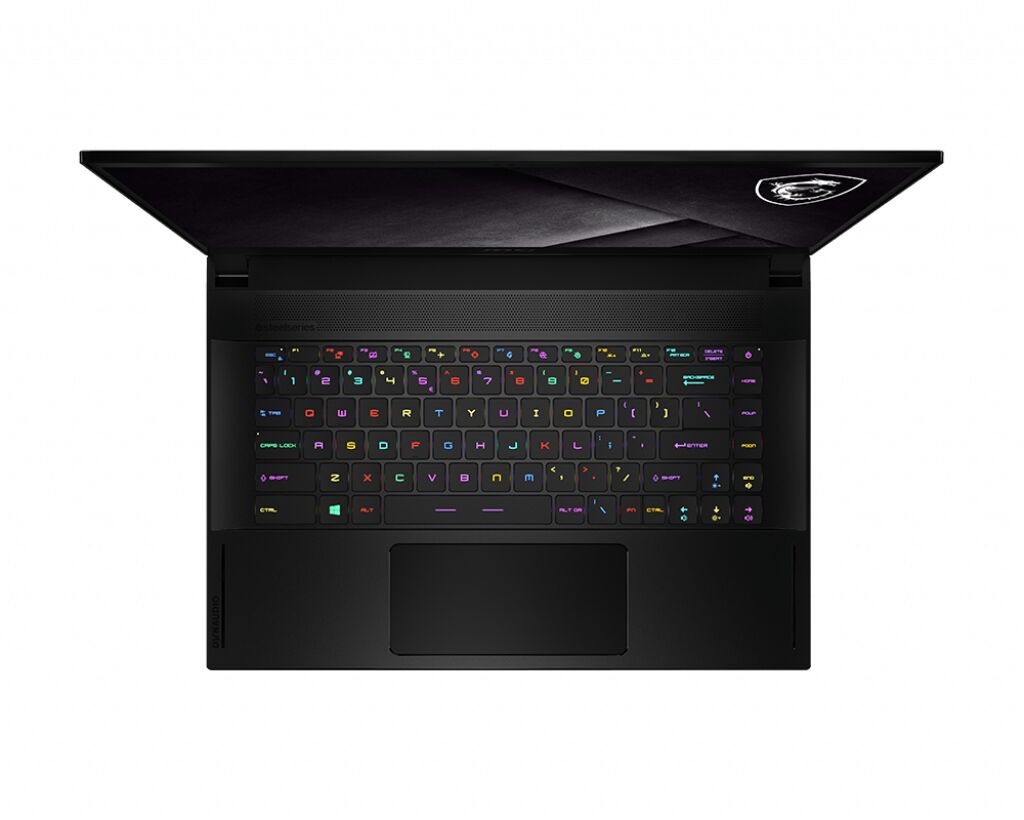
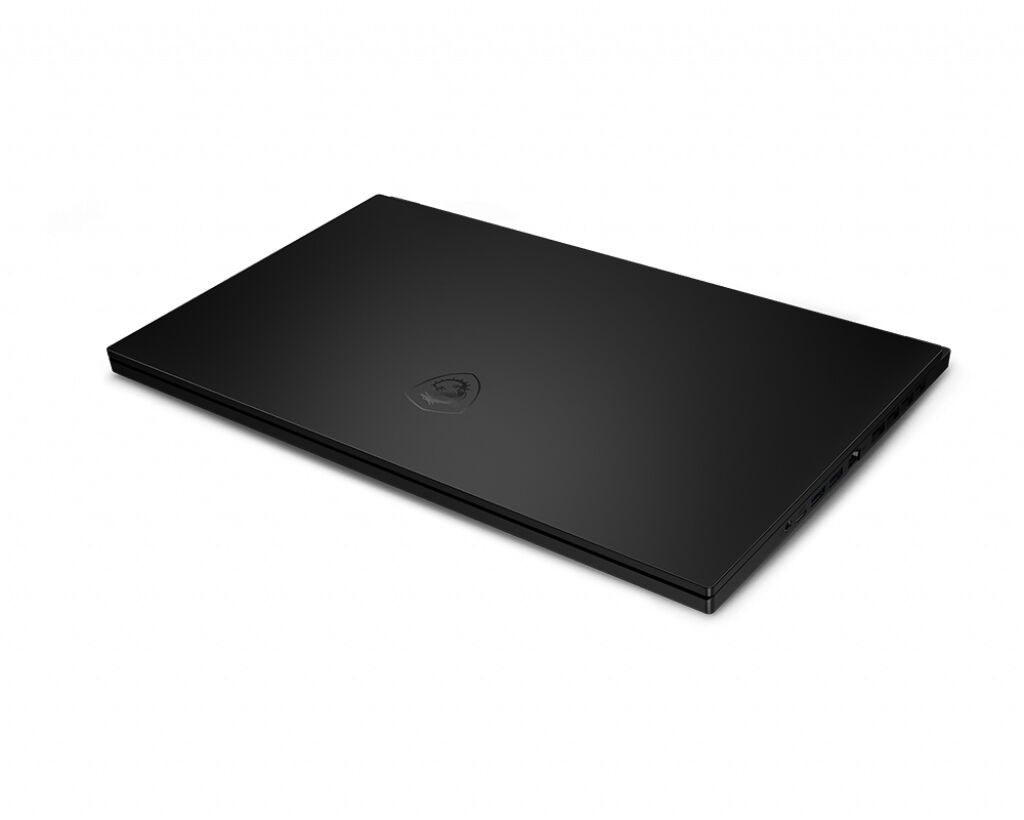
The MSI GS66 10UG-213CA Stealth gaming laptop supports DDR4-SDRAM memory upgrades through two SO-DIMM slots. Compatible memory operates at 3200 MHz frequency with maximum RAM capacity of 64 GB. The GS Series device allows for flexible memory expansion using standard SO-DIMM form factor modules. Upgrade specifications enable configurations up to the maximum supported capacity for enhanced multitasking and performance capabilities in gaming and professional applications.
Memory Upgrade Specifications
| Specification | Value |
|---|---|
| Memory slots | 2x SO-DIMM |
| Form factor | SO-DIMM |
| Memory type | DDR4-SDRAM |
| Frequency | 3200 MHz |
| Maximum RAM | 64 GB |
| Voltage | 1.2V |
| Number of pins | 260-pin |
| Interface | PC4 |
| PC Speed Rating | PC4-3200 (PC4-25600) |
| Bandwidth | 25.6 GB/s |
| Laptop Release date | 28 January 2021 |
Additional Notes
- The dual channel architecture requires symmetrical module pairs to achieve maximum memory bandwidth and prevent CPU performance throttling during intensive gaming tasks.
- Upgrading the MSI GS66 10UG-213CA Stealth to the maximum limit necessitates the complete replacement of existing modules because both available slots are occupied in standard high capacity configurations.
- The choice of memory must prioritize low latency timings to ensure the 10th Gen Intel architecture maintains stability at the 3200 MHz frequency ceiling.
- Integrating 64 GB of RAM provides sufficient overhead for virtual machine hosting and high resolution video editing without relying on slower disk based swap files.
- Physical installation involves removing the entire bottom chassis cover which may require specialized tools to avoid damaging the integrated thermal solutions or delicate internal ribbon cables.
- Standard voltage DDR4 modules are required as the motherboard chipset does not support older low voltage or newer high voltage overclocked variations.
- Memory modules exceeding the 3200 MHz specification will automatically downclock to match the hardware controller limit of the system.