MSI Gaming GS66 11UG-658 Stealth RAM upgrade specifications


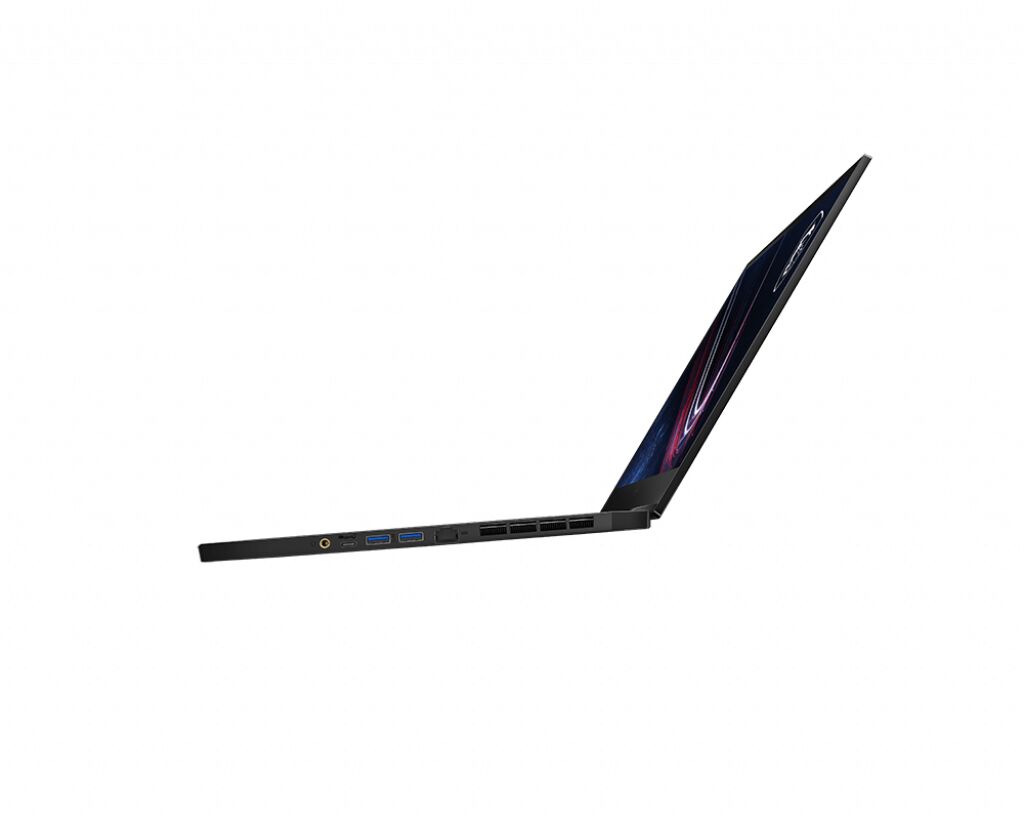
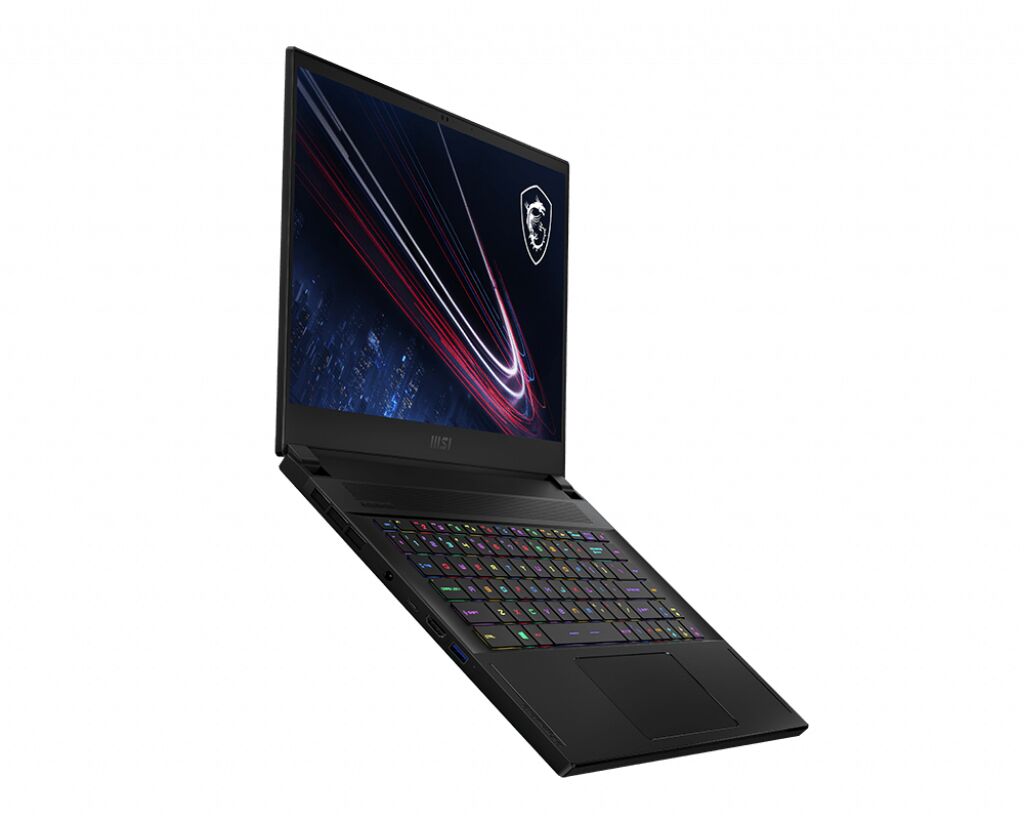
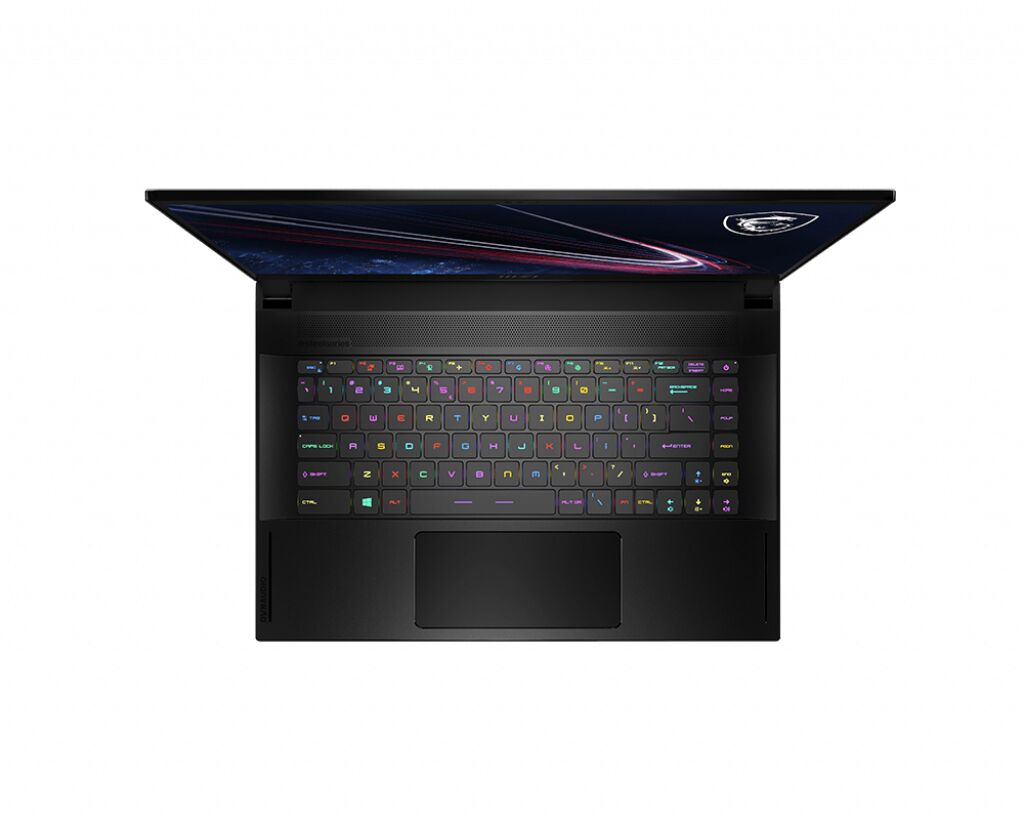
The MSI GS66 11UG-658 Stealth gaming laptop features DDR4-SDRAM memory upgrade specifications with two SO-DIMM slots supporting a maximum RAM capacity of 64 GB. Memory modules operate at 3200 MHz frequency. The GS Gaming series supports compatible DDR4 upgrades in SO-DIMM form factor, enabling users to expand system memory beyond factory specifications. This configuration allows for flexible memory expansion within the defined upgrade slots and maximum capacity parameters.
Memory Upgrade Specifications
| Specification | Value |
|---|---|
| Memory slots | 2x SO-DIMM |
| Form factor | SO-DIMM |
| Memory type | DDR4-SDRAM |
| Frequency | 3200 MHz |
| Maximum RAM | 64 GB |
| Voltage | 1.2V |
| Number of pins | 260-pin |
| Interface | PC4 |
| PC Speed Rating | PC4-3200 (PC4-25600) |
| Bandwidth | 25.6 GB/s |
| Laptop Release date | 16 July 2022 |
Additional Notes
- The 3200 MHz specification represents the maximum officially supported frequency, though the chipset may downclock higher-rated modules to this speed if installed.
- Both memory slots must be populated with identical capacity modules to enable dual-channel operation, which doubles the effective memory bandwidth from the integrated graphics controller.
- The 64 GB ceiling indicates that each SO-DIMM slot accepts modules up to 32 GB, though 16 GB modules remain the most cost-effective configuration for typical gaming workloads.
- DDR4 SO-DIMM modules operate at 1.2V standard voltage, while some performance-oriented kits require XMP profiles that may not function correctly on mobile platforms.
- The MSI GS66 11UG-658 Stealth utilizes 260-pin SO-DIMM architecture, incompatible with the newer 262-pin DDR5 standard or legacy DDR3 modules.
- Memory access requires complete disassembly of the bottom chassis panel, which typically voids no warranties but necessitates careful cable management during reassembly.
- Mixed-capacity configurations will force the system into asymmetric dual-channel mode, where only the matched portion of each module operates in dual-channel while excess capacity runs in slower single-channel mode.
- CAS latency timings below CL22 provide negligible real-world performance gains on this platform, making CL22 modules at 3200 MHz the practical performance threshold.
- The Intel 11th generation mobile platform supports DDR4-3200 natively without requiring motherboard overclocking features, ensuring stability across all conforming modules.
- Non-ECC unbuffered modules represent the only compatible memory type, as registered or ECC variants lack support in consumer mobile chipsets.