MSI Gaming GS66 12UGS-097AU Stealth RAM upgrade specifications
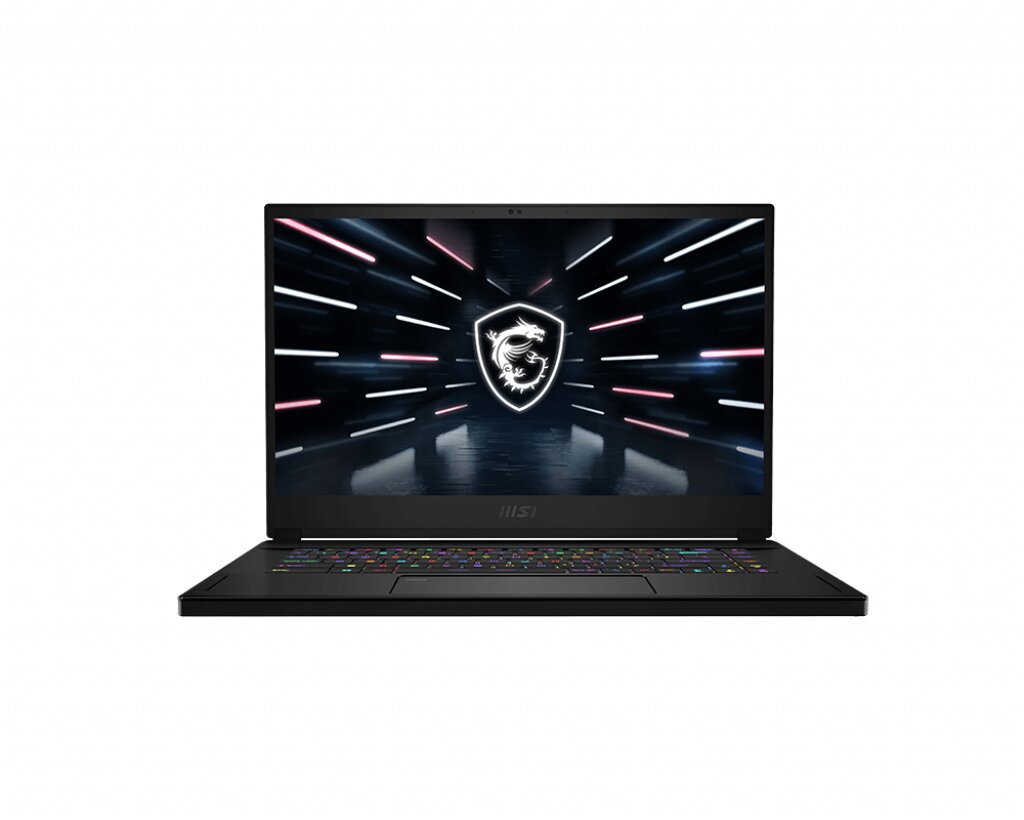
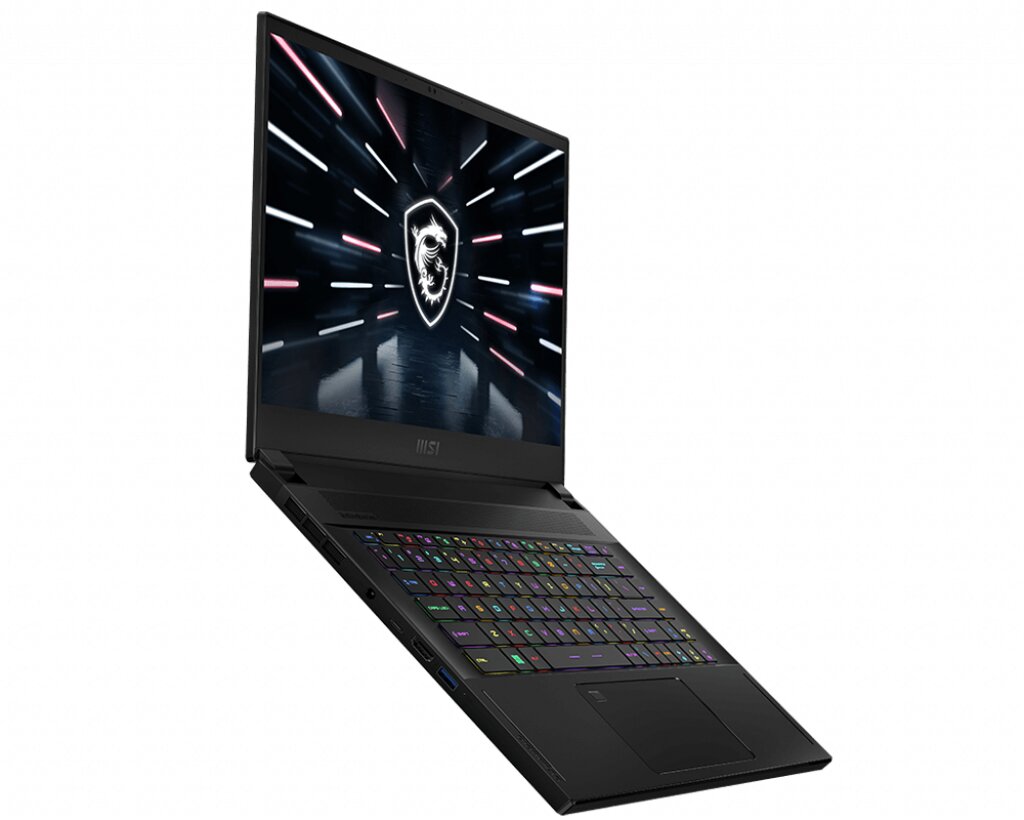
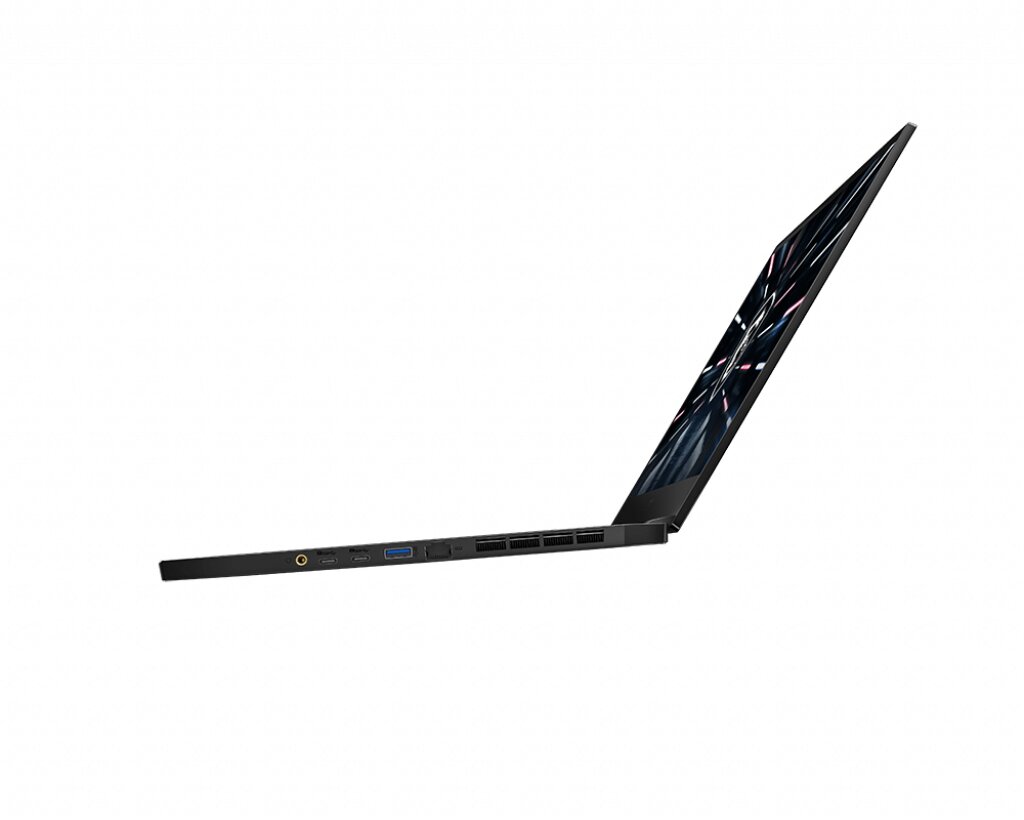
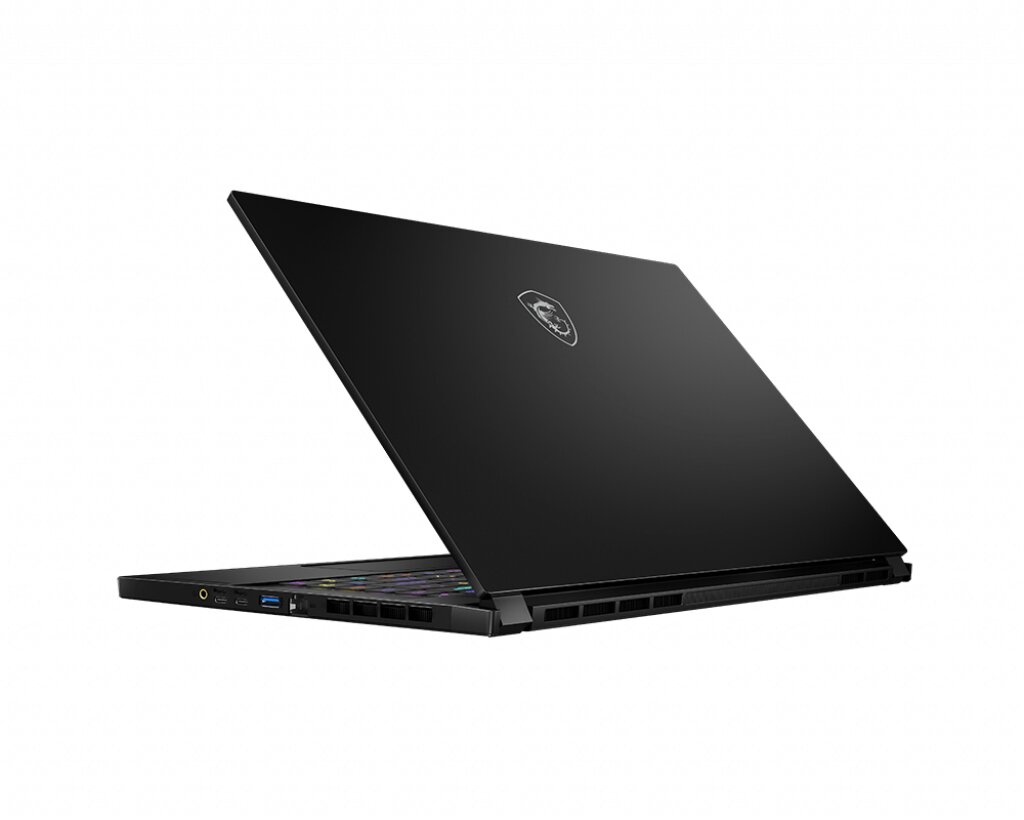
The MSI GS66 12UGS-097AU Stealth gaming laptop features DDR5-SDRAM memory with two SO-DIMM upgrade slots. Maximum RAM capacity reaches 64 GB, supporting DDR5 modules operating at 4800 MHz frequency. Compatible memory upgrades utilize SO-DIMM form factor specifications, allowing for expanded multitasking and performance capabilities on the GS series platform.
Memory Upgrade Specifications
| Specification | Value |
|---|---|
| Memory slots | 2x SO-DIMM |
| Form factor | SO-DIMM |
| Memory type | DDR5-SDRAM |
| Frequency | 4800 MHz |
| Maximum RAM | 64 GB |
| Voltage | 1.1V |
| Number of pins | 262-pin |
| Interface | PC5 |
| PC Speed Rating | PC5-4800 (PC5-38400) |
| Bandwidth | 38.4 GB/s |
| Laptop Release date | 05 May 2022 |
Additional Notes
- The MSI GS66 12UGS-097AU Stealth supports DDR5 modules exclusively, preventing any use of DDR4 memory due to incompatible physical notch positions and voltage requirements.
- Both memory slots operate in dual-channel mode when populated with matched modules, delivering approximately twice the memory bandwidth compared to single-channel configurations.
- The 4800 MHz frequency represents the maximum certified speed for this platform, though actual performance depends on CPU memory controller capabilities and thermal headroom.
- Installing a single 64 GB module would sacrifice half the available memory bandwidth despite meeting the capacity ceiling, as only one channel would remain active.
- The SO-DIMM form factor requires modules approximately 30% shorter than standard desktop DIMMs, making desktop memory physically incompatible regardless of specifications.
- Upgrade procedures typically require complete disassembly of the lower chassis panel, as memory slots in this form factor are rarely accessible through dedicated service doors.
- Mixed capacity configurations such as 16 GB plus 32 GB remain functional but may prevent optimal dual-channel interleaving across the entire capacity range.
- ECC (Error-Correcting Code) memory modules are incompatible with consumer-grade chipsets in gaming platforms, even when matching the DDR5 SO-DIMM form factor.
- Thermal throttling may occur with high-density modules during sustained memory-intensive workloads, as SO-DIMM slots often lack dedicated active cooling in slim chassis designs.
- Third-party memory installations preserve manufacturer warranty coverage in most regions, though mixing branded and generic modules may complicate diagnostic procedures during service claims.