MSI Gaming GS75 8SE-072IT Stealth RAM upgrade specifications
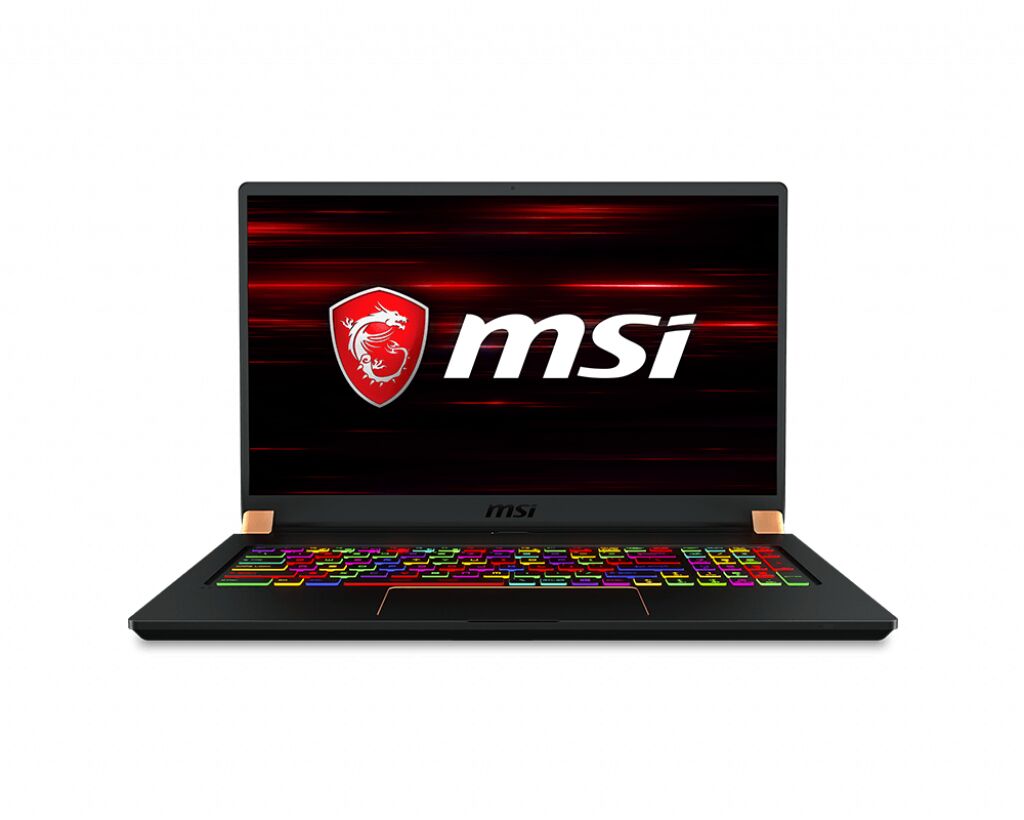
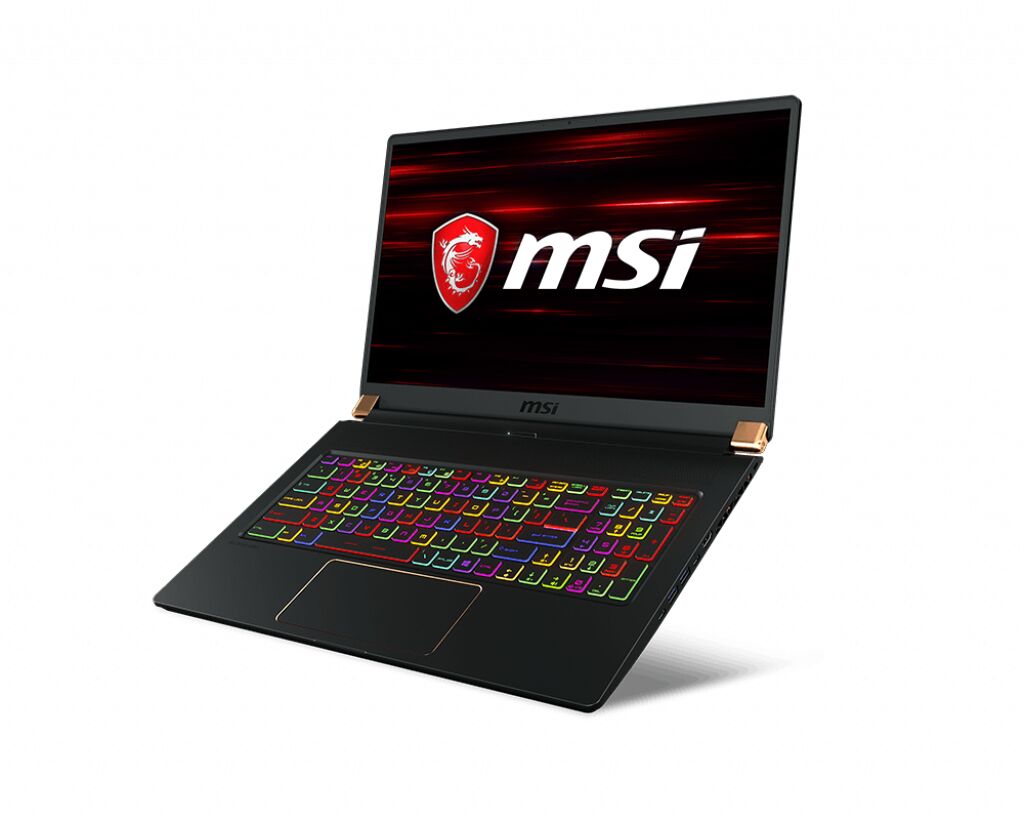
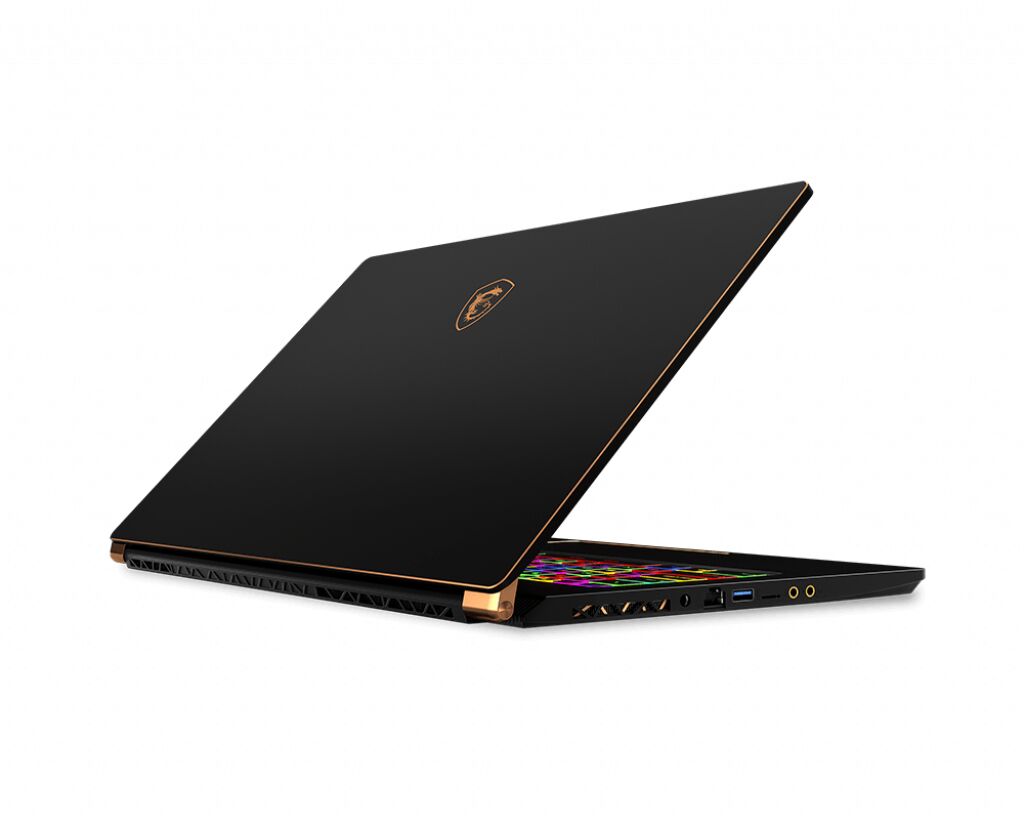
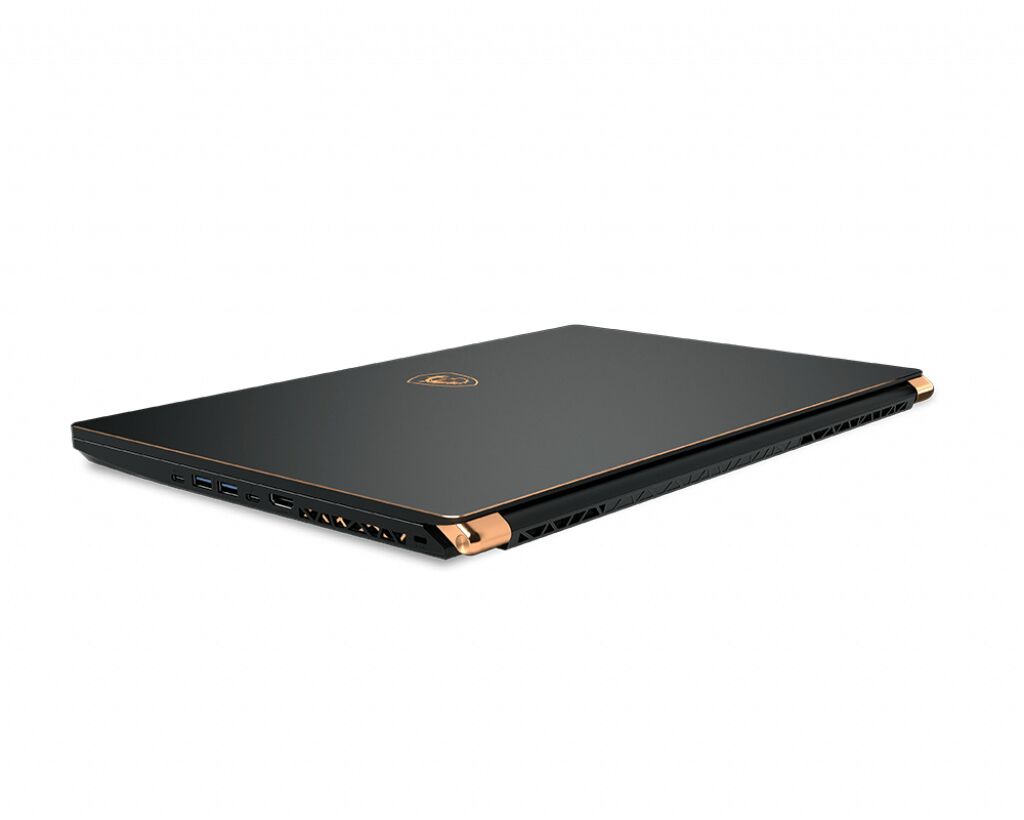

The MSI GS75 8SE-072IT Stealth gaming laptop features DDR4-SDRAM memory with two SO-DIMM slots supporting maximum upgrade capacity of 32 GB. The memory operates at 2666 MHz frequency. This Gaming Series model accommodates compatible DDR4 SO-DIMM modules for RAM upgrade, allowing users to expand memory specifications up to the maximum supported capacity. Specifications indicate the laptop supports dual-channel memory configuration with standard SO-DIMM form factor upgrades.
Memory Upgrade Specifications
| Specification | Value |
|---|---|
| Memory slots | 2x SO-DIMM |
| Form factor | SO-DIMM |
| Memory type | DDR4-SDRAM |
| Frequency | 2666 MHz |
| Maximum RAM | 32 GB |
| Voltage | 1.2V |
| Number of pins | 260-pin |
| Interface | PC4 |
| PC Speed Rating | PC4-2666 (PC4-21328) |
| Bandwidth | 21.3 GB/s |
| Laptop Release date | 30 July 2020 |
Additional Notes
- The MSI GS75 8SE-072IT Stealth utilizes SO-DIMM modules, which are soldered less frequently than standard DIMM, allowing for user-accessible upgrades without specialized equipment.
- The 32 GB ceiling across 2 slots requires 16 GB modules for maximum capacity, as 8 GB modules would limit total memory to 16 GB.
- DDR4-2666 operates at lower voltage (1.2V) compared to DDR3 (1.5V), reducing thermal output in the confined chassis typical of thin gaming laptops.
- The 2666 MHz specification represents JEDEC standard rather than overclocked speeds, ensuring compatibility without BIOS modifications or XMP profile activation.
- Modules rated above 2666 MHz will function but downclock to match the supported frequency, as the memory controller enforces the maximum rated speed.
- Dual-channel architecture across both slots provides 42.6 GB/s theoretical bandwidth when populated symmetrically, compared to 21.3 GB/s in single-channel configuration.
- Mismatched module capacities between slots will still enable dual-channel operation up to the capacity of the smaller module, with remaining memory reverting to single-channel mode.
- SO-DIMM installation requires angular insertion at approximately 30 degrees before seating flat, with retention clips engaging automatically when properly aligned.
- CAS latency specifications may vary between manufacturers, though CL19 represents the JEDEC standard for DDR4-2666 and ensures baseline compatibility.
- Non-ECC unbuffered modules are required, as ECC or registered memory types are incompatible with consumer-grade mobile platforms.
- Operating temperature range for DDR4 SO-DIMMs typically spans 0°C to 85°C, though sustained operation above 70°C may trigger thermal throttling in adjacent components.