MSI Gaming GS76 11UH-261ES Stealth RAM upgrade specifications
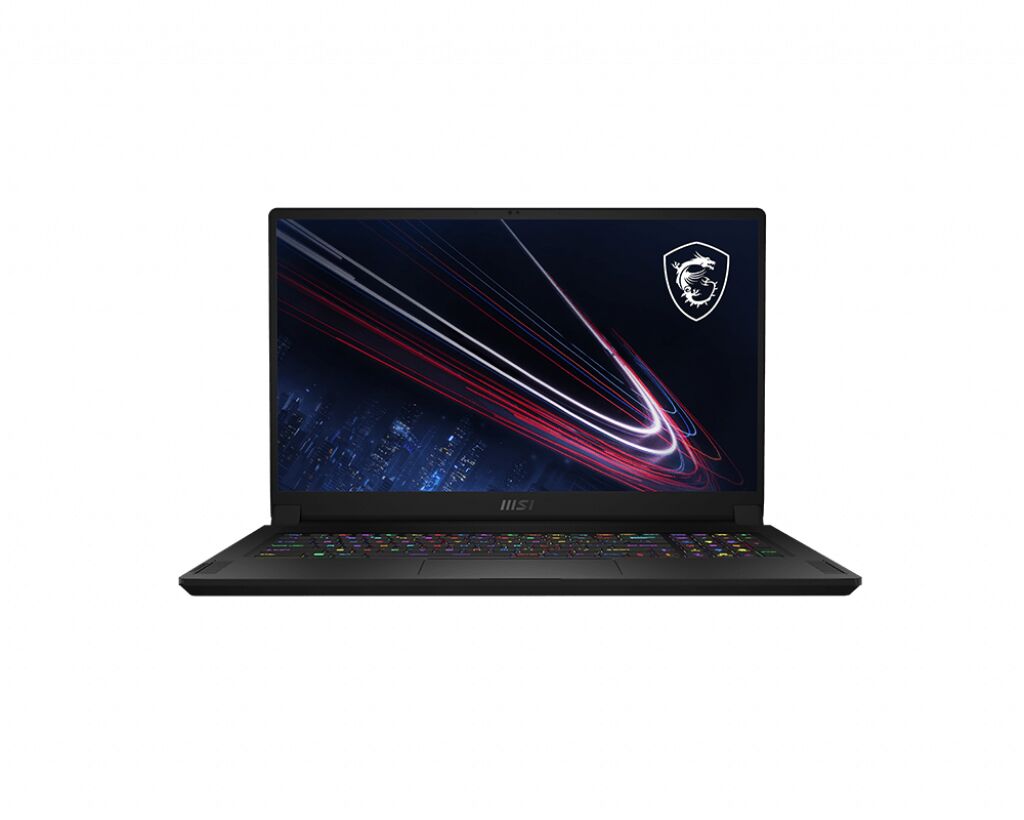
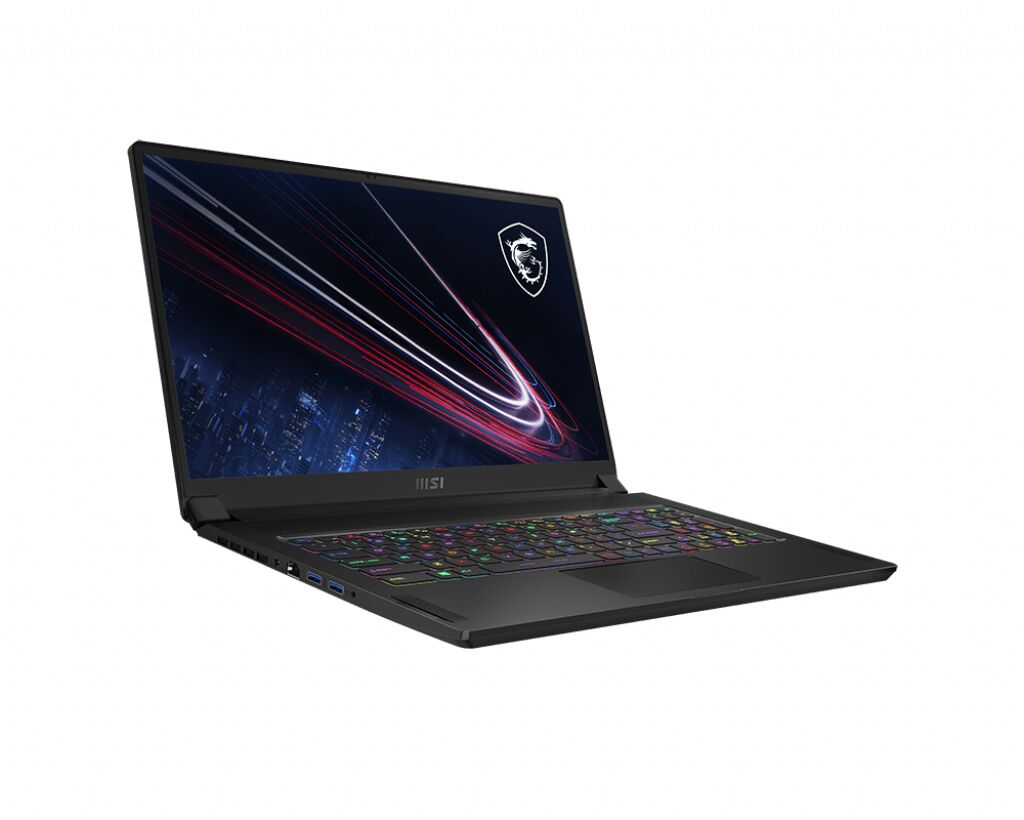
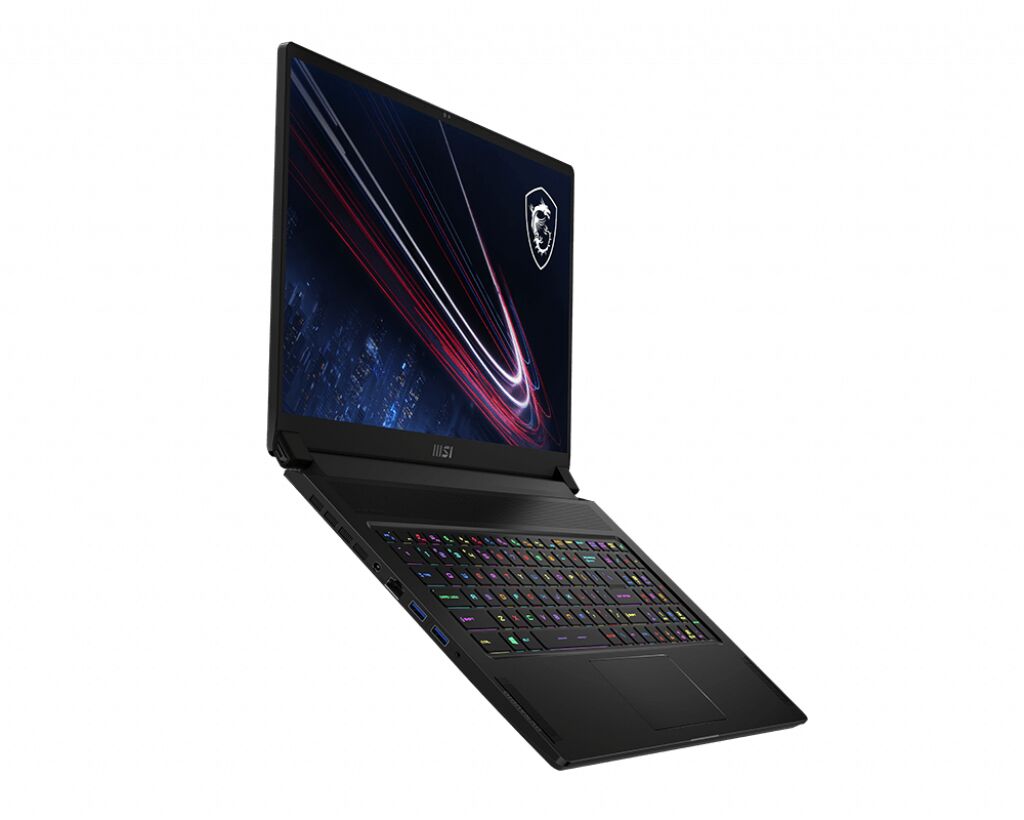
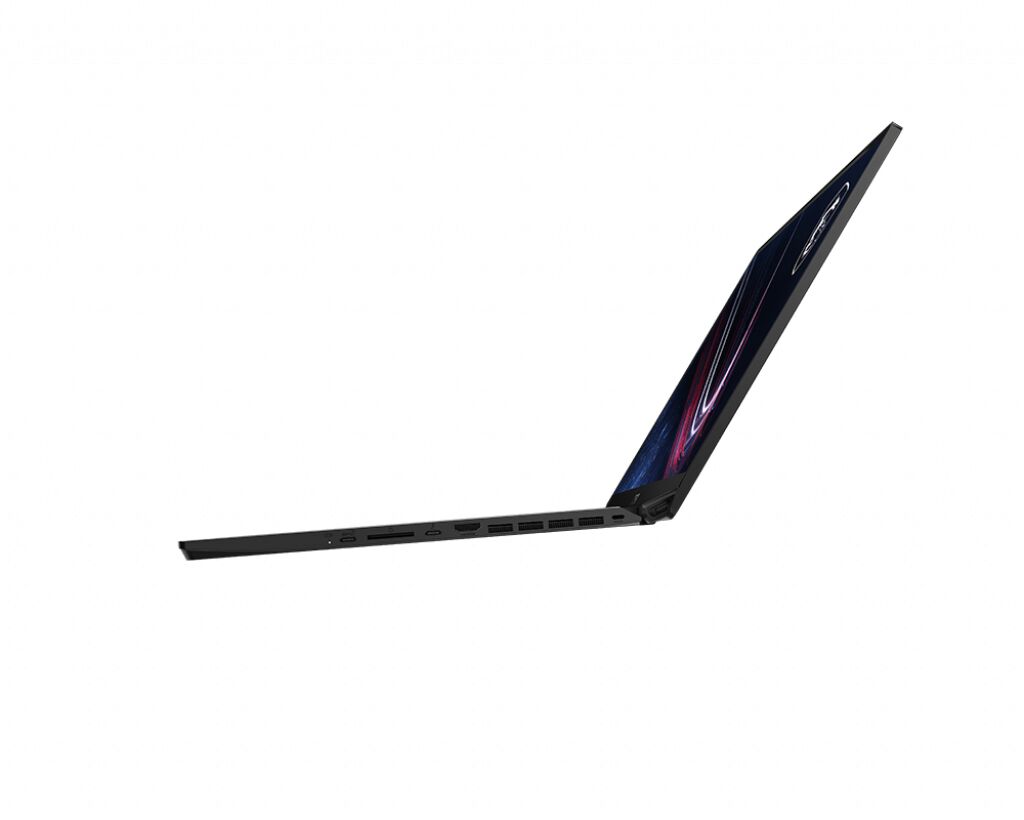
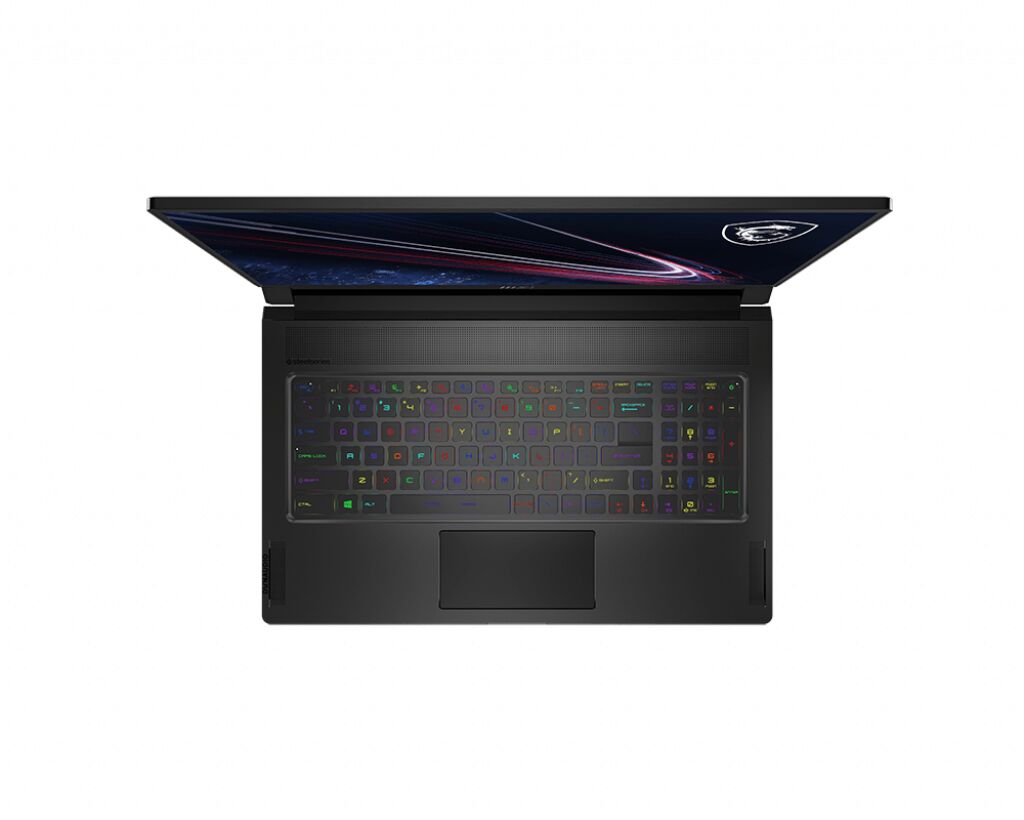
The MSI GS76 11UH-261ES Stealth gaming laptop features DDR4-SDRAM memory upgrade specifications with two SO-DIMM slots supporting maximum capacity of 64 GB. Compatible memory modules operate at 3200 MHz frequency. The upgrade specifications indicate each slot accommodates SO-DIMM form factor memory modules, enabling total system memory expansion to 64 GB maximum. The GS76 series Gaming laptop supports DDR4 specifications for enhanced performance and multitasking capabilities through dual-slot memory architecture.
Memory Upgrade Specifications
| Specification | Value |
|---|---|
| Memory slots | 2x SO-DIMM |
| Form factor | SO-DIMM |
| Memory type | DDR4-SDRAM |
| Frequency | 3200 MHz |
| Maximum RAM | 64 GB |
| Voltage | 1.2V |
| Number of pins | 260-pin |
| Interface | PC4 |
| PC Speed Rating | PC4-3200 (PC4-25600) |
| Bandwidth | 25.6 GB/s |
| Laptop Release date | 22 March 2022 |
Additional Notes
- The dual-slot configuration necessitates the removal of existing modules to reach the maximum threshold as no additional unoccupied slots are available.
- Operating the MSI GS76 11UH-261ES Stealth with mismatched module capacities will disable dual-channel interleaving and force the system into flex mode or single-channel operation.
- Total system bandwidth relies on installing two identical modules to leverage the integrated memory controller capability of the 11th generation chipset.
- Hardware stability for 64 GB configurations requires modules with matching timings to prevent cycles of memory retraining during cold boots.
- The internal layout requires the removal of the bottom chassis panel which may involve piercing a factory seal depending on regional warranty regulations.
- High-density 32 GB modules must utilize a compatible rank architecture to ensure BIOS recognition and prevent post-installation boot failures.
- Physical height limitations within the chassis restrict the use of SODIMM modules equipped with bulky aftermarket heat spreaders.
- Installing modules with XMP profiles exceeding the native 3200 MHz frequency will result in automatic downclocking to the processor maximum rated speed.