MSI Gaming GT76 10SFS-043ES Titan DT RAM upgrade specifications
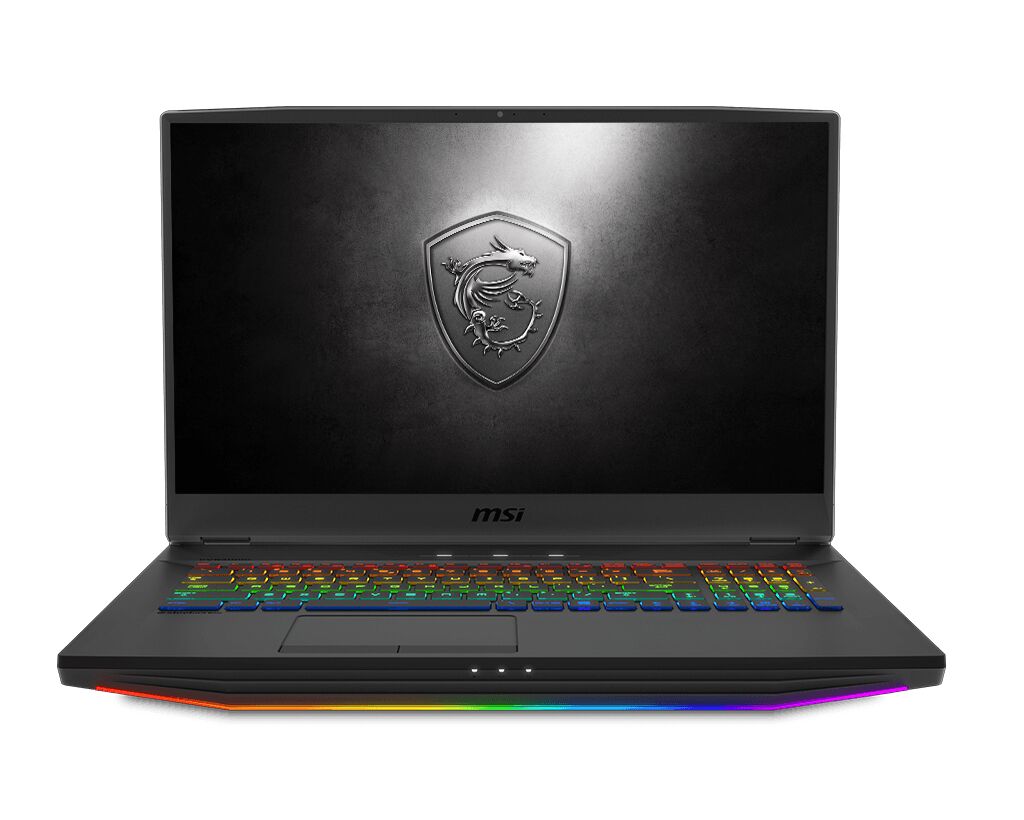
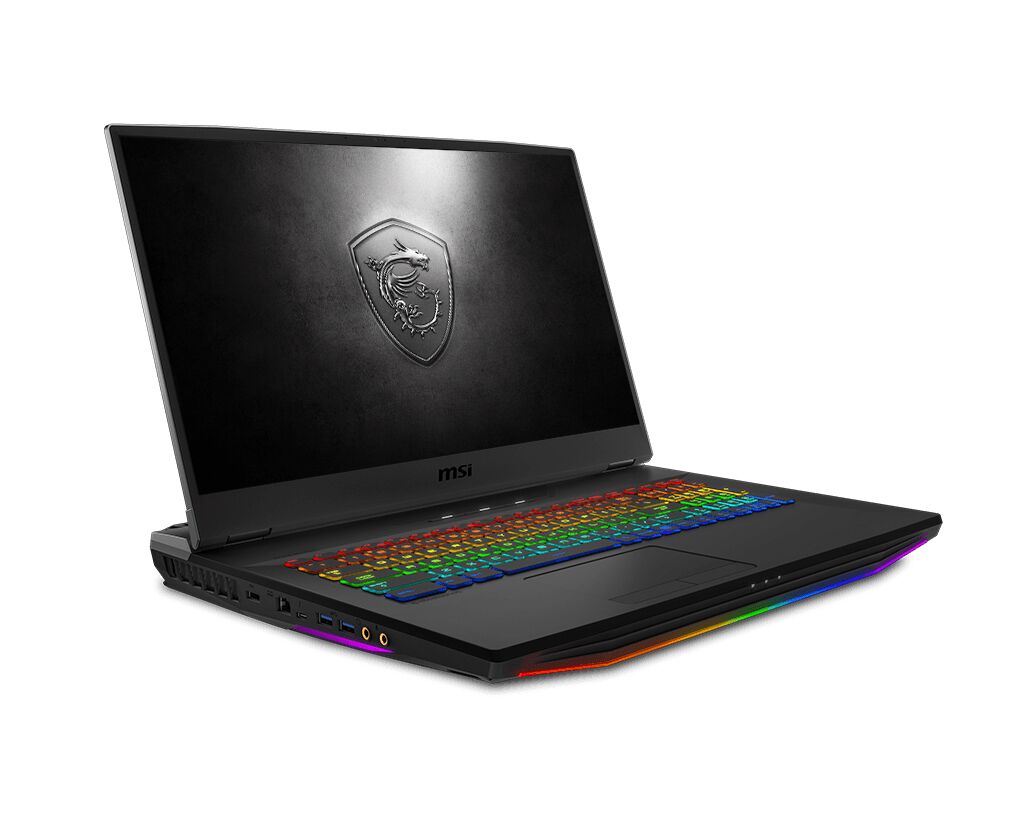
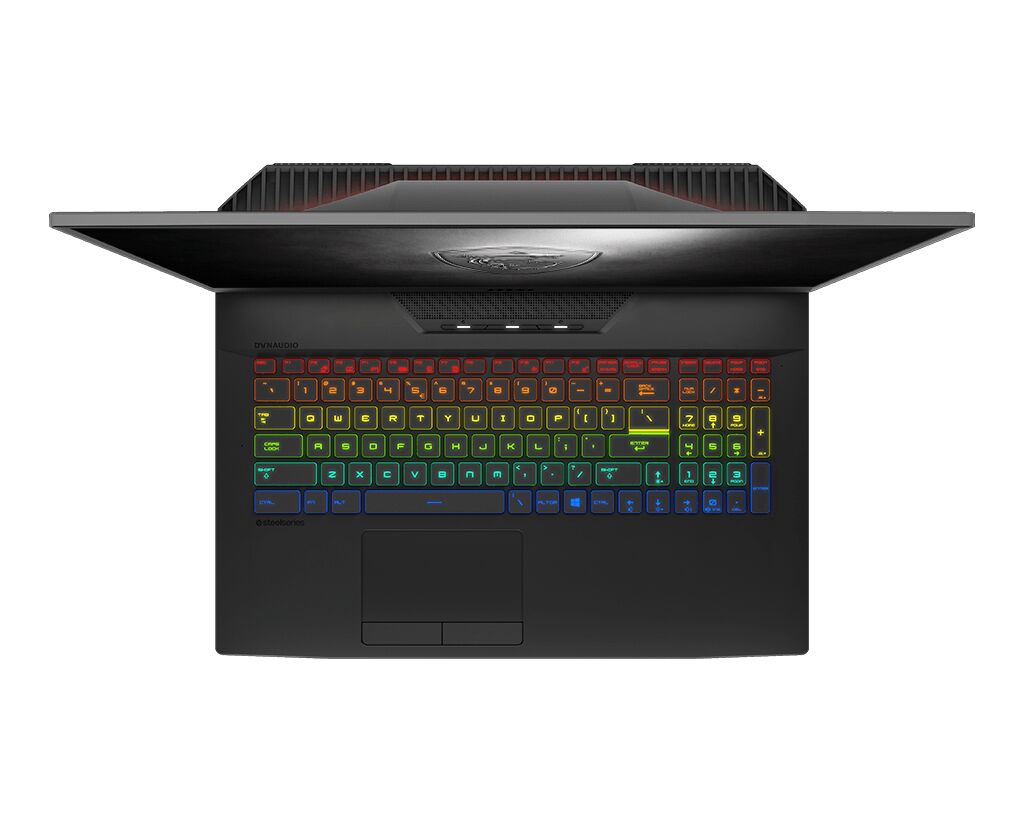
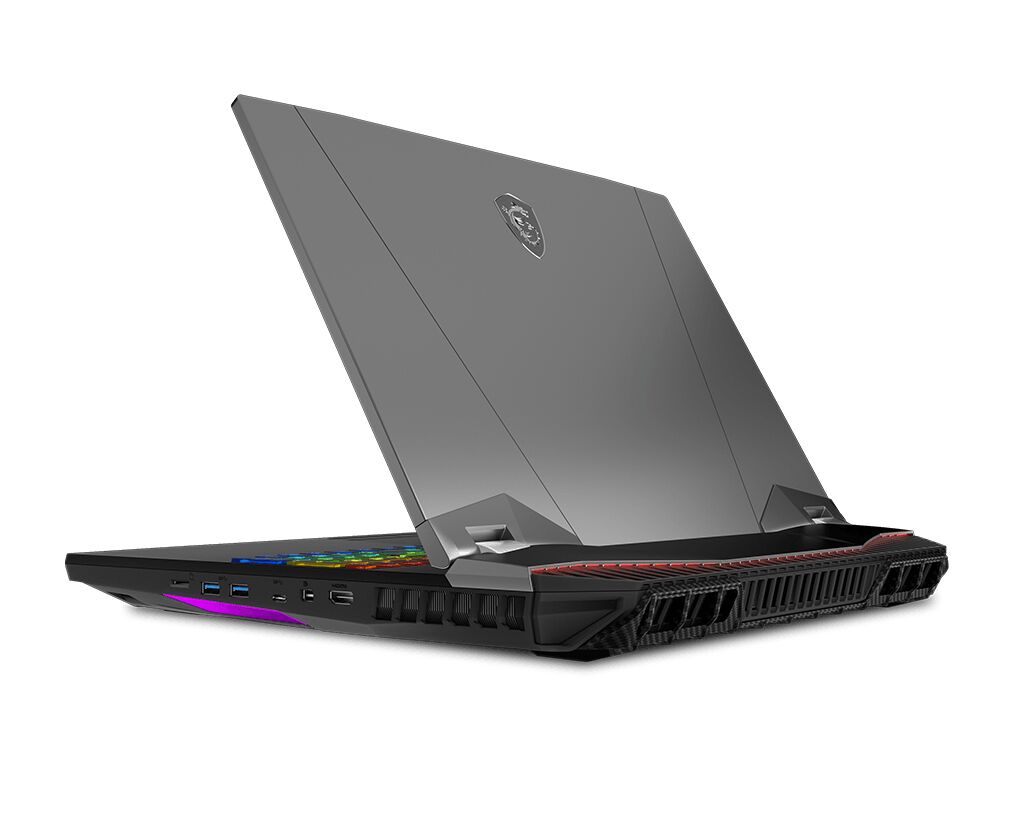
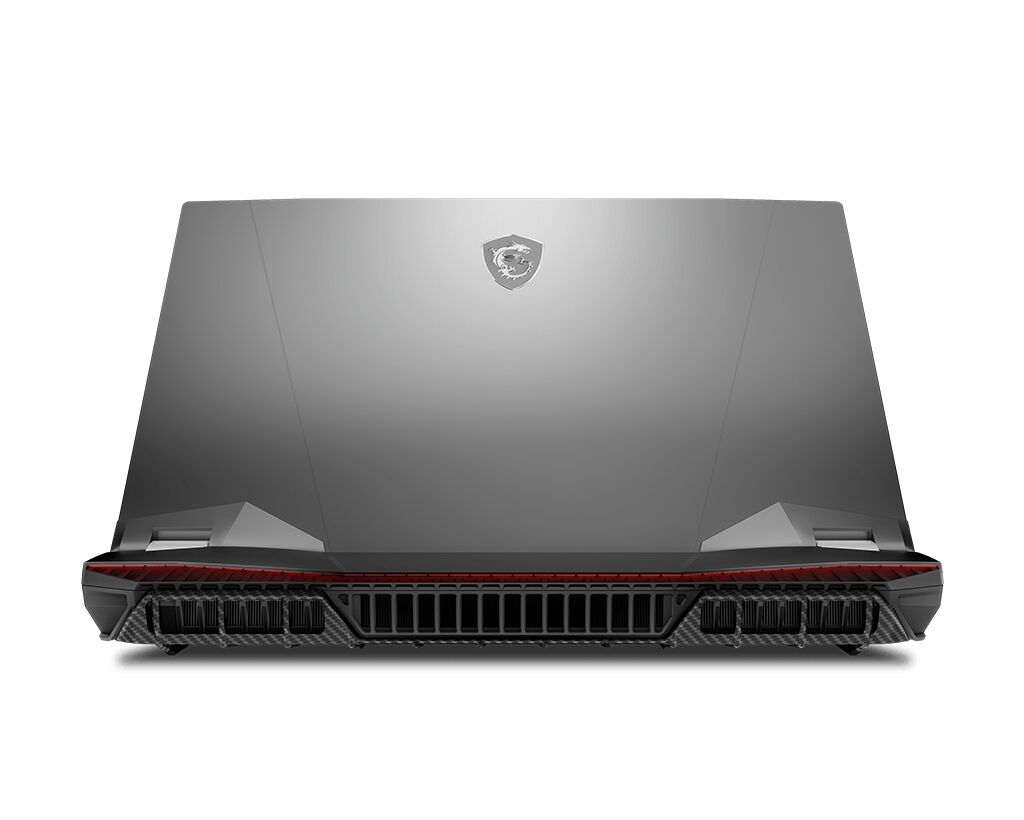
MSI GT76 10SFS-043ES Titan DT gaming laptop supports DDR4-SDRAM memory upgrades with four SO-DIMM slots. Maximum RAM capacity reaches 128 GB total, with compatible modules operating at 2666 MHz frequency. Current specifications allow memory expansion through standard SO-DIMM form factor modules. Upgrade options enable increased multitasking performance and gaming capabilities within manufacturer-supported parameters.
Memory Upgrade Specifications
| Specification | Value |
|---|---|
| Memory slots | 4x SO-DIMM |
| Form factor | SO-DIMM |
| Memory type | DDR4-SDRAM |
| Frequency | 2666 MHz |
| Maximum RAM | 128 GB |
| Voltage | 1.2V |
| Number of pins | 260-pin |
| Interface | PC4 |
| PC Speed Rating | PC4-2666 (PC4-21328) |
| Bandwidth | 21.3 GB/s |
| Laptop Release date | 22 June 2020 |
Additional Notes
- The presence of 4 SO-DIMM slots implies a dual-channel architecture where memory modules must be installed in matched pairs to ensure optimal bandwidth across the bus.
- The MSI GT76 10SFS-043ES Titan DT utilizes a desktop-class processor internal design which necessitates high-density 32 GB modules to reach the maximum supported capacity of 128 GB.
- Accessing all memory banks typically requires significant disassembly because 2 slots are often located on the underside of the mainboard while the others sit beneath the keyboard assembly.
- Mixing modules with different internal timings or ranks will force the system to default to the highest common latency profile, potentially reducing overall computational throughput.
- Thermal management constraints in the chassis are impacted by total memory density, as 4 active modules generate more localized heat than standard 2-slot configurations.
- System stability at the 128 GB threshold depends on using non-ECC unbuffered modules since the chipset does not support error-correcting code parity.
- Voltage consistency is critical for this board design, requiring 1.2V modules to maintain hardware compatibility with the integrated power delivery system.