MSI Gaming GV62VR 7RF-1216UK RAM upgrade specifications

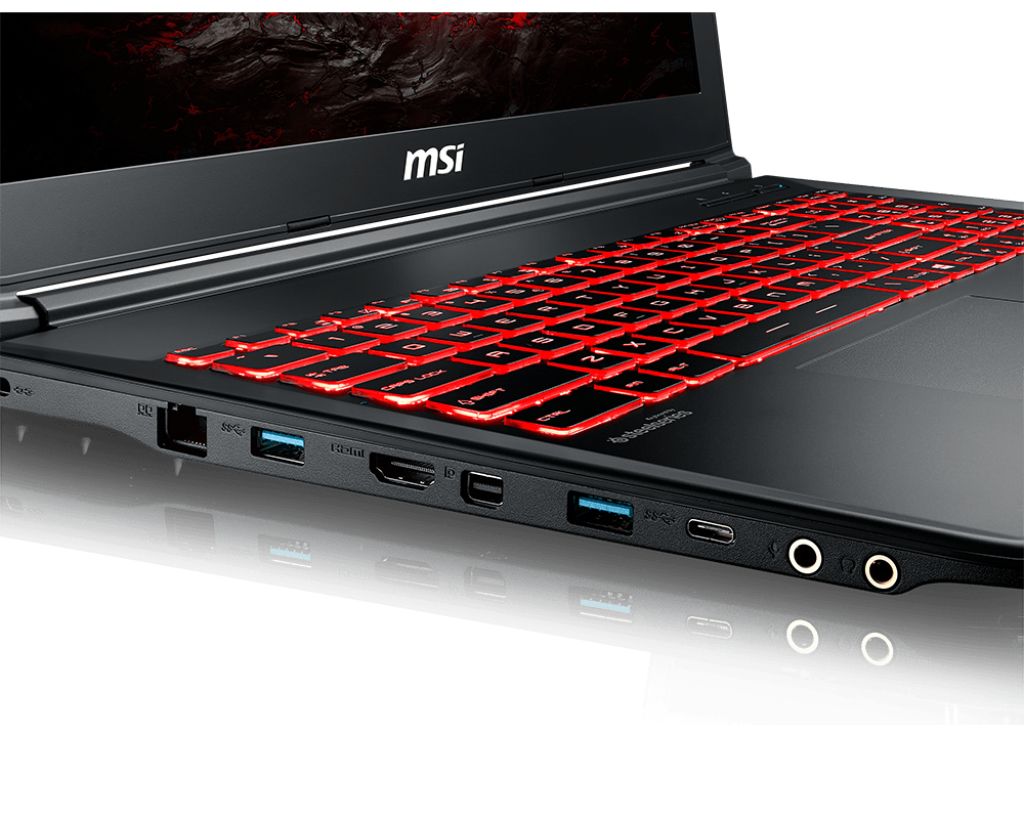
MSI GV62VR 7RF-1216UK Gaming series laptop features DDR4-SDRAM memory upgrade specifications with 2x SO-DIMM slots supporting maximum RAM capacity of 32 GB. Compatible memory modules operate at 2400 MHz frequency. Upgrade specifications indicate SO-DIMM form factor compatibility for this MSI Gaming GV series model, enabling memory expansion to the maximum supported capacity.
Memory Upgrade Specifications
| Specification | Value |
|---|---|
| Memory slots | 2x SO-DIMM |
| Form factor | SO-DIMM |
| Memory type | DDR4-SDRAM |
| Frequency | 2400 MHz |
| Maximum RAM | 32 GB |
| Voltage | 1.2V |
| Number of pins | 260-pin |
| Interface | PC4 |
| PC Speed Rating | PC4-2400 (PC4-19200) |
| Bandwidth | 19.2 GB/s |
| Laptop Release date | 24 October 2018 |
Additional Notes
- The 32 GB maximum capacity limitation originates from the chipset and memory controller architecture, not from physical slot availability.
- DDR4-2400 represents the official JEDEC specification supported by the system, though some modules advertised at higher speeds may downclock automatically to this frequency.
- SO-DIMM form factor modules measure 67.6 mm in length compared to standard desktop DIMM modules at 133.35 mm, making desktop memory physically incompatible.
- Both memory slots share the same dual-channel bandwidth, meaning asymmetric configurations (different capacities per slot) will limit the total dual-channel operation to twice the smaller module's capacity.
- Seventh-generation Intel mobile platforms in this model lack native support for DDR4 speeds beyond 2400 MHz without XMP/overclocking profiles, which may not function in locked mobile BIOS implementations.
- Single-channel operation occurs when only one slot is populated, reducing memory bandwidth by approximately 50 percent compared to dual-channel configuration.
- Memory upgrades require complete system power-down and battery disconnection to prevent damage, as SO-DIMM slots lack hot-swap capability.
- The 2400 MHz specification assumes standard 1.2V DDR4 modules; low-voltage variants may encounter stability issues depending on BIOS voltage regulation.
- Mixing modules with different latency timings (CL ratings) forces all memory to operate at the slowest common timing specification.
- Access to SO-DIMM slots in this model typically requires bottom panel removal, which may void warranty seals depending on regional warranty terms.