MSI Katana GF66 12UD-401PT RAM upgrade specifications
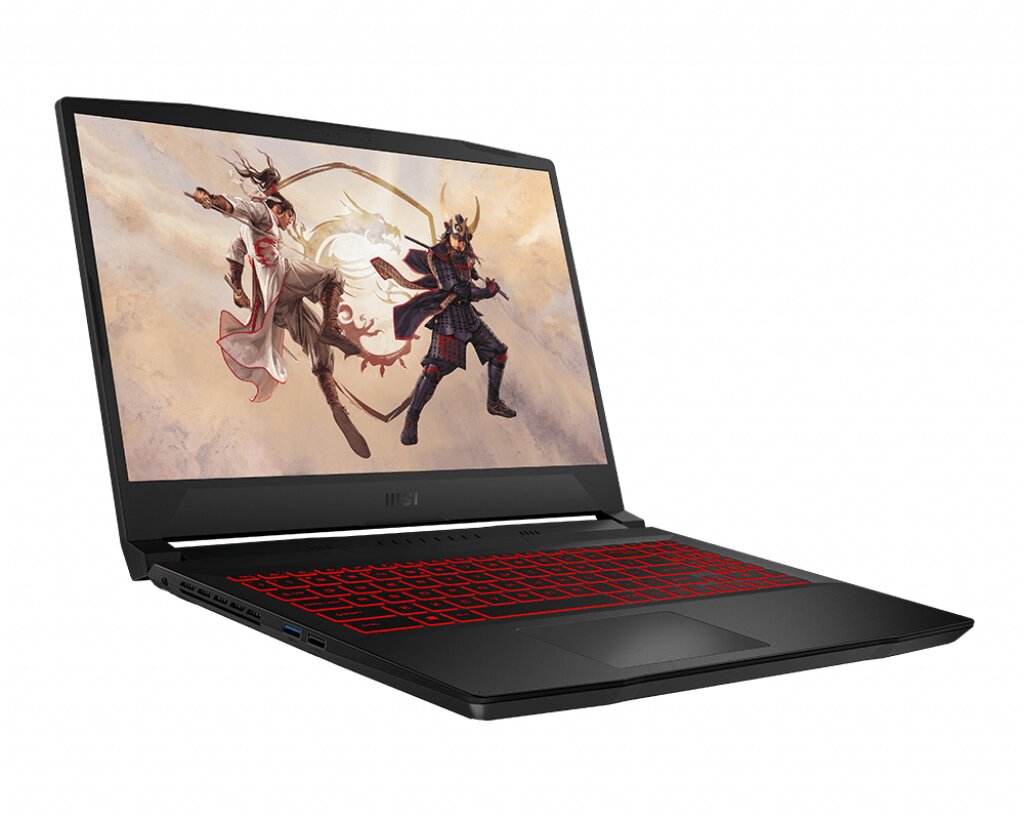
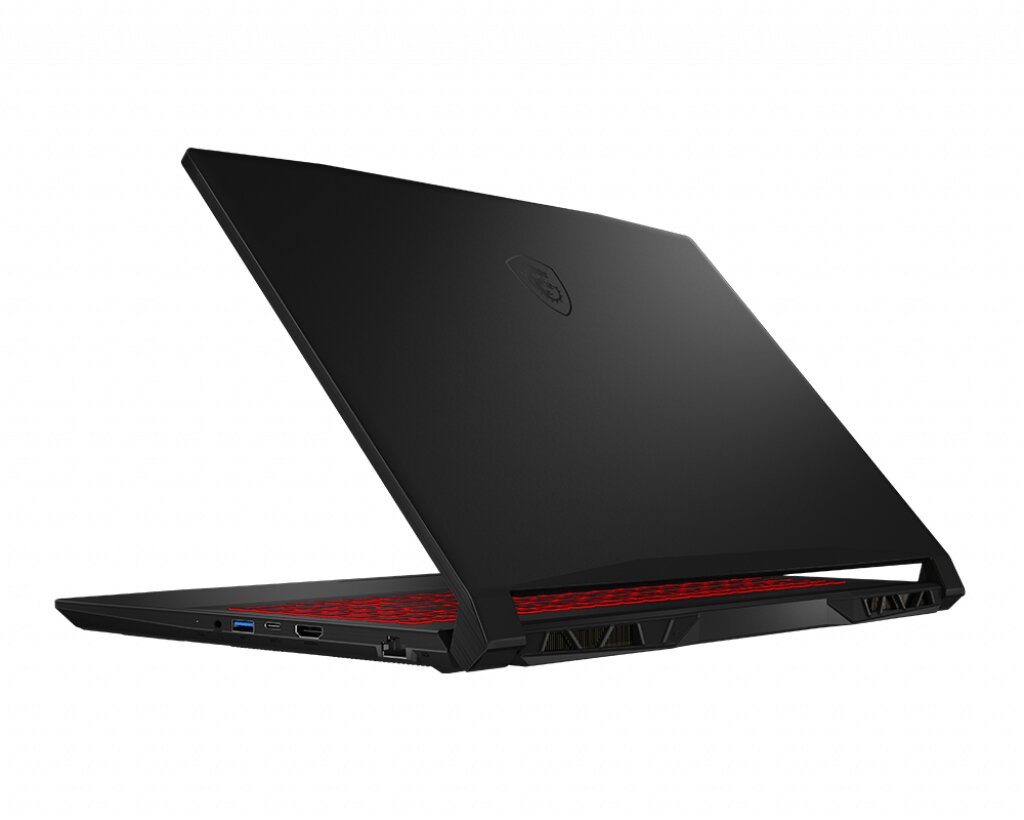
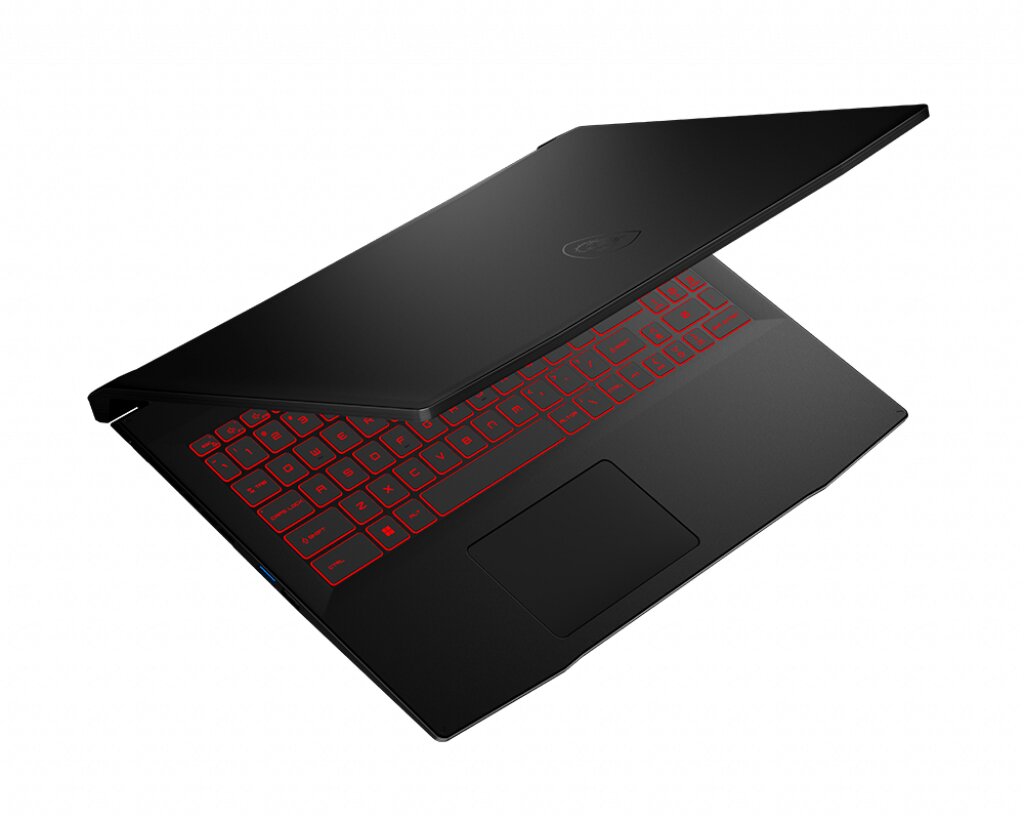
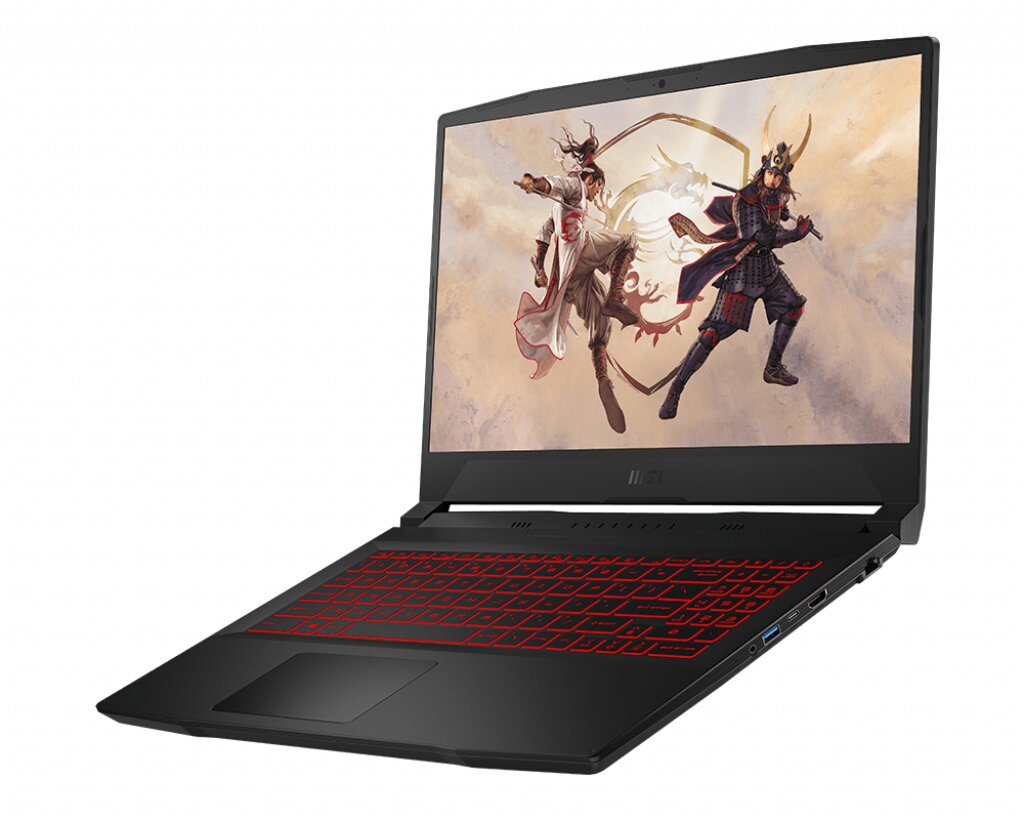
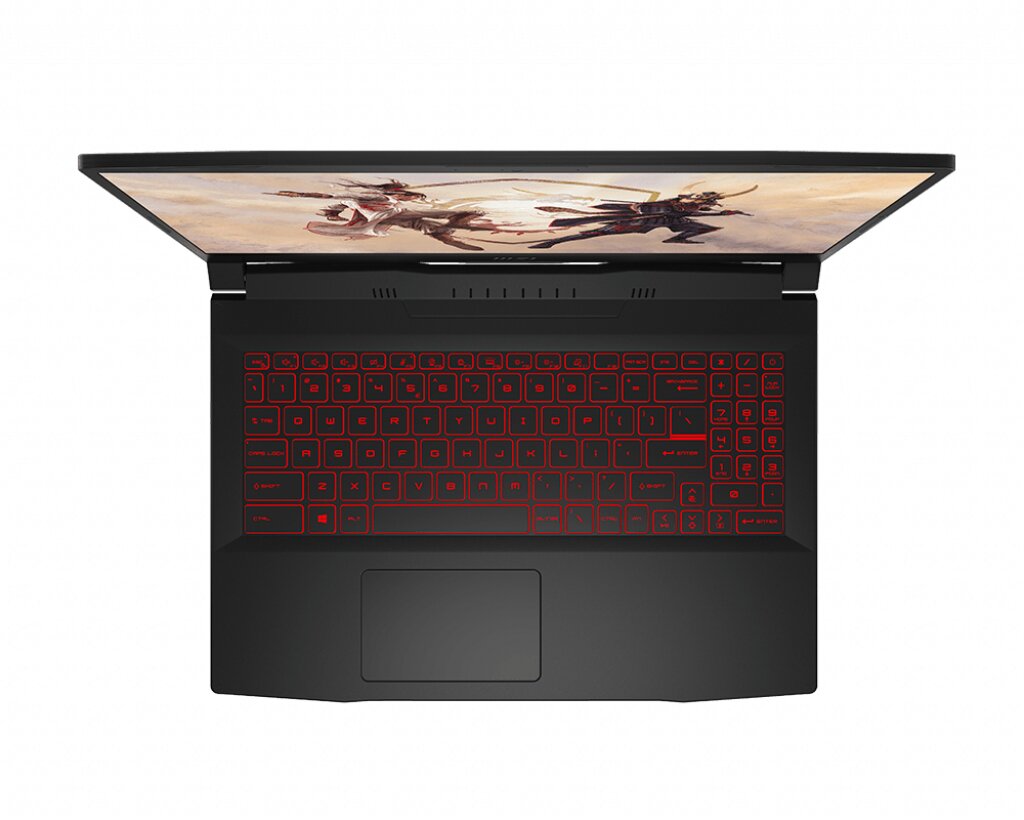
The MSI GF66 12UD-401PT, part of the Katana 15 series, features DDR4-SDRAM memory configuration with two SO-DIMM slots. Maximum memory capacity reaches 64 GB, supporting DDR4 modules at 3200 MHz frequency. Compatible RAM upgrades utilize SO-DIMM form factor specifications. Existing memory configurations can be upgraded by replacing or adding DDR4-SDRAM modules in available slots to reach maximum capacity specifications.
Memory Upgrade Specifications
| Specification | Value |
|---|---|
| Memory slots | 2x SO-DIMM |
| Form factor | SO-DIMM |
| Memory type | DDR4-SDRAM |
| Frequency | 3200 MHz |
| Maximum RAM | 64 GB |
| Voltage | 1.2V |
| Number of pins | 260-pin |
| Interface | PC4 |
| PC Speed Rating | PC4-3200 (PC4-25600) |
| Bandwidth | 25.6 GB/s |
| Laptop Release date | 28 October 2022 |
Additional Notes
- DDR4-SDRAM modules operate at reduced effective bandwidth compared to DDR5 alternatives, limiting concurrent data transfer rates during memory-intensive workloads such as video rendering or large dataset processing.
- The 2 SO-DIMM slot configuration on the MSI Katana GF66 12UD-401PT means both slots must be populated simultaneously to achieve dual-channel performance; populating a single slot results in single-channel operation with approximately 50% memory bandwidth reduction.
- SO-DIMM form factor requires laptop disassembly and removal of the base panel or keyboard assembly, depending on thermal layout; this procedure typically voids consumer warranties unless performed by authorized service centers.
- The 3200 MHz frequency specification represents the JEDEC standard for this DDR4 generation; actual performance depends on BIOS settings and may default to lower speeds if not explicitly enabled in firmware configuration.
- Upgrading to the 64 GB maximum capacity (2x32 GB modules) creates thermal considerations in the confined laptop chassis, as higher-density modules generate incrementally more heat than stock configurations; adequate airflow through memory slot areas becomes critical for sustained performance stability.
- DDR4-3200 modules currently occupy a price-to-performance middle tier; newer DDR5-5600 upgrades cannot be installed in this platform, eliminating future CPU-adjacent performance gains available to newer architectures.
- Installation of non-OEM memory modules may trigger BIOS warnings or require manual XMP/DOCP profile disabling, resulting in operation at JEDEC defaults unless manually reconfigured post-installation.