MSI Katana 9S7-158422-873 RAM upgrade specifications
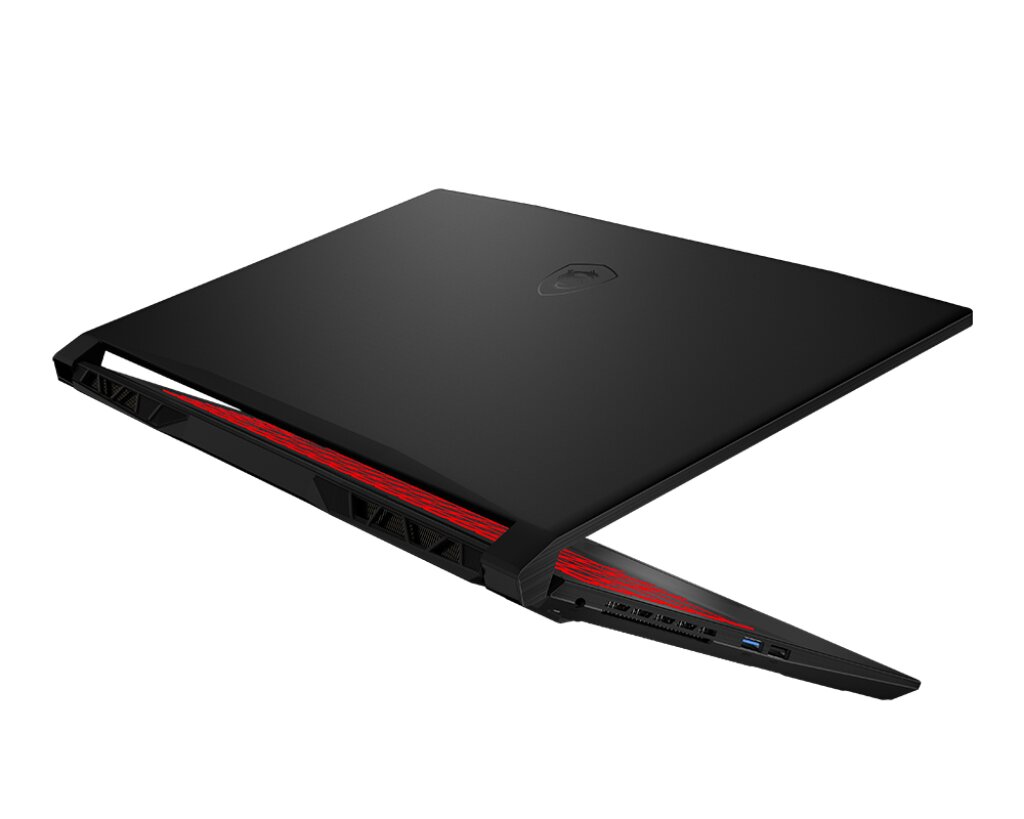
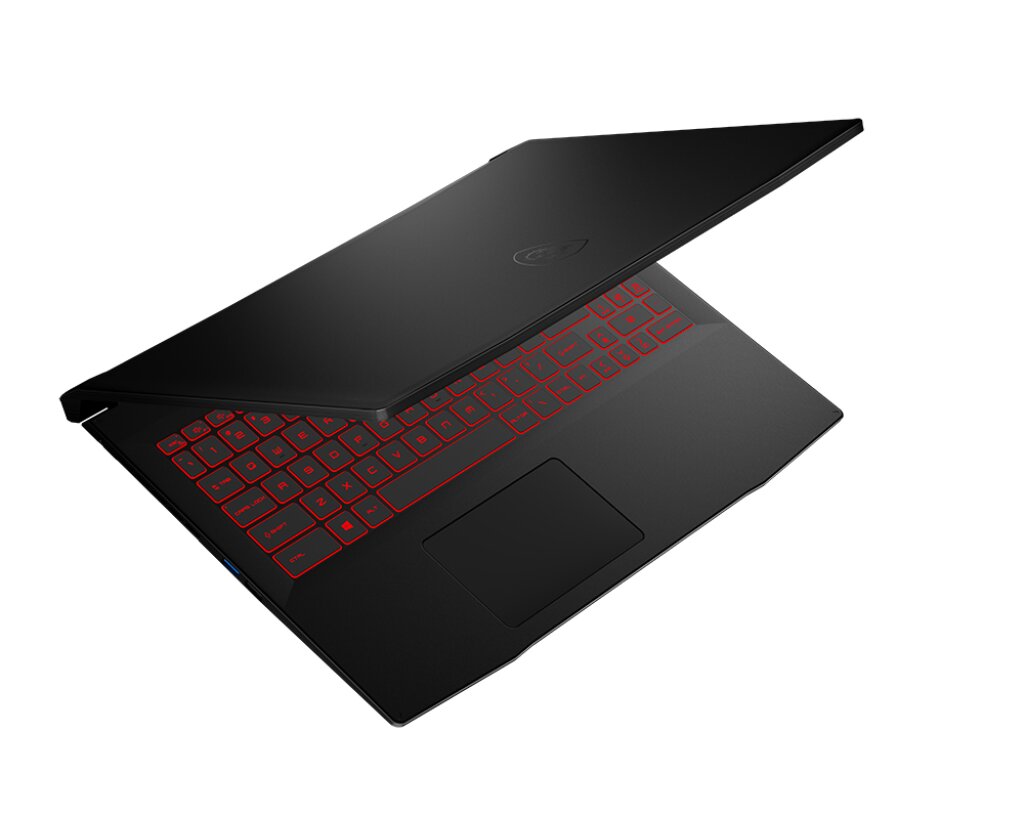
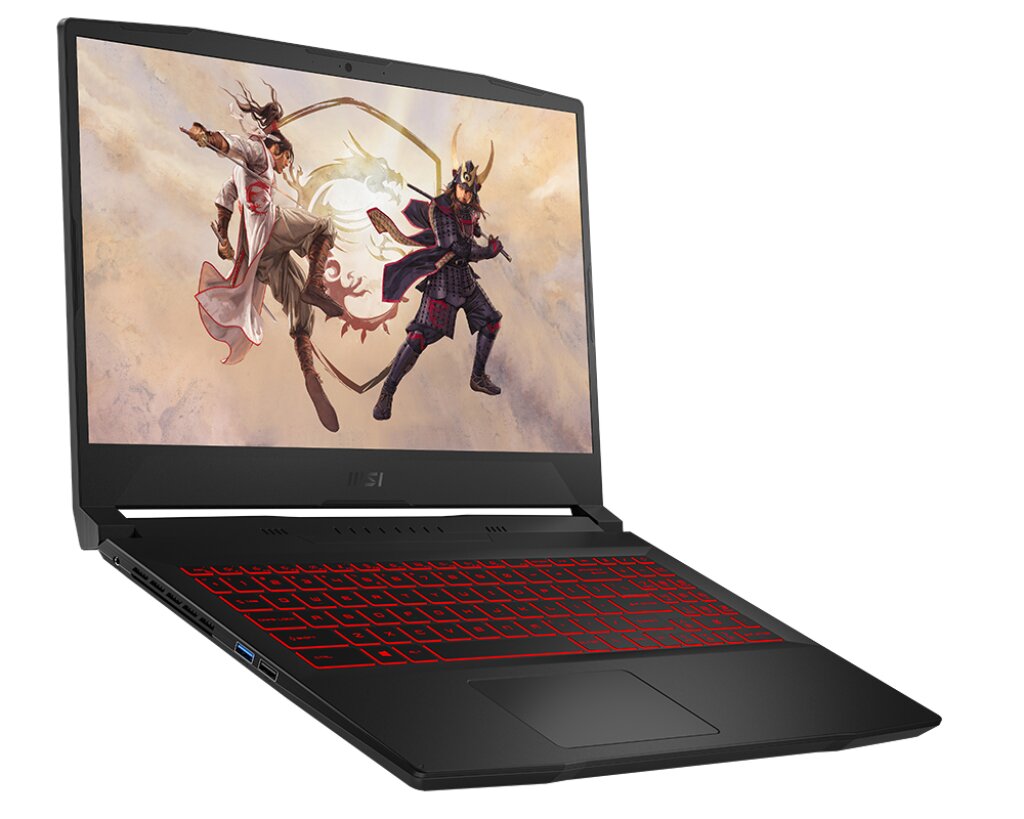
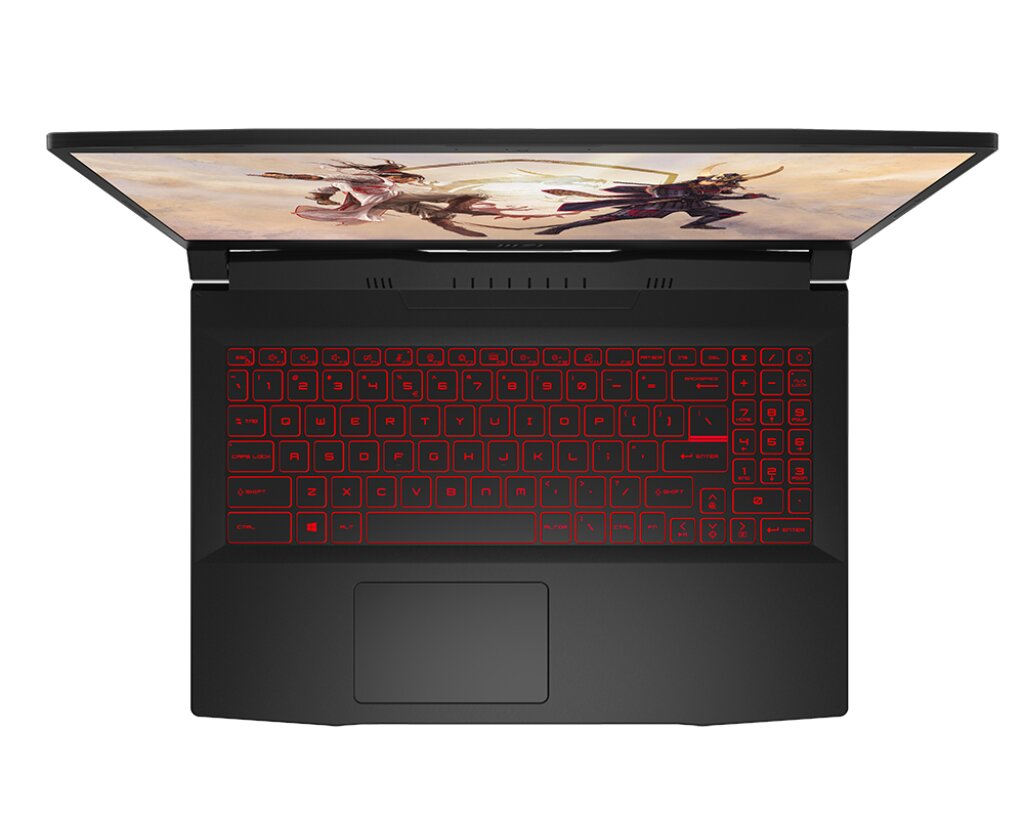
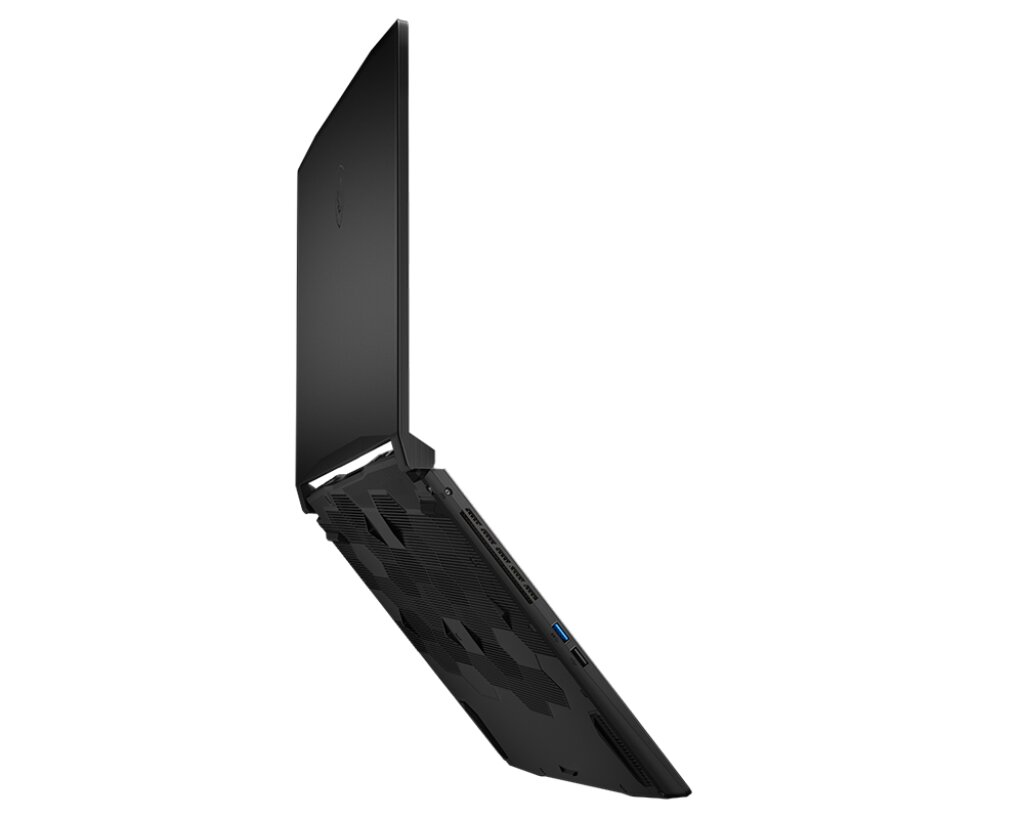
MSI Katana GF66 model 9S7-158422-873 supports DDR4-SDRAM memory upgrades with specifications including two SO-DIMM slots and maximum capacity of 64 GB. Compatible RAM operates at 3200 MHz frequency. Upgrade options utilize SO-DIMM form factor memory modules. Current slots accommodate memory expansion to reach the maximum supported capacity. Specifications indicate DDR4-SDRAM compatibility for RAM upgrade configurations on this laptop model.
Memory Upgrade Specifications
| Specification | Value |
|---|---|
| Memory slots | 2x SO-DIMM |
| Form factor | SO-DIMM |
| Memory type | DDR4-SDRAM |
| Frequency | 3200 MHz |
| Maximum RAM | 64 GB |
| Voltage | 1.2V |
| Number of pins | 260-pin |
| Interface | PC4 |
| PC Speed Rating | PC4-3200 (PC4-25600) |
| Bandwidth | 25.6 GB/s |
| Laptop Release date | 07 December 2022 |
Additional Notes
- The SO-DIMM form factor limits module height to 30mm, preventing installation of standard desktop DIMM modules which measure 133.35mm and use incompatible 288-pin connectors versus the required 260-pin configuration.
- DDR4-3200 operates at 1.2V nominal voltage, requiring modules rated for PC4-25600 bandwidth specification to maintain stability under the native 3200 MT/s transfer rate.
- Dual-channel architecture requires matched module pairs in both slots to achieve the full 51.2 GB/s theoretical memory bandwidth, as single-channel operation halves throughput to 25.6 GB/s.
- The 64 GB ceiling restricts individual module density to 32 GB per slot, necessitating dual-rank configuration which introduces approximately 2-3ns additional latency versus single-rank alternatives.
- JEDEC standard CAS latency for DDR4-3200 typically ranges between CL22 and CL16, where lower CL values reduce absolute latency despite identical frequency specifications.
- Non-ECC unbuffered modules maintain compatibility with this MSI Katana 9S7-158422-873 consumer platform, while registered or ECC variants designed for server applications will fail POST initialization.
- Module insertion requires 45-degree angled placement before downward pressure engages retention clips, with improper seating causing intermittent training failures during memory initialization sequences.
- XMP profile compatibility depends on BIOS support for automatic frequency and timing configuration, otherwise requiring manual BIOS adjustments to exceed JEDEC-standard 2666 MHz base specification.
- Thermal considerations become relevant when sustained memory bandwidth exceeds 40 GB/s under workload, as SO-DIMM modules lack integrated heatspreaders common on enthusiast desktop configurations.
- Mixed-capacity configurations between slots maintain functionality but may trigger flex mode rather than symmetric dual-channel operation, affecting interleaving efficiency during memory access patterns.