MSI Katana 11SC-863FR RAM upgrade specifications

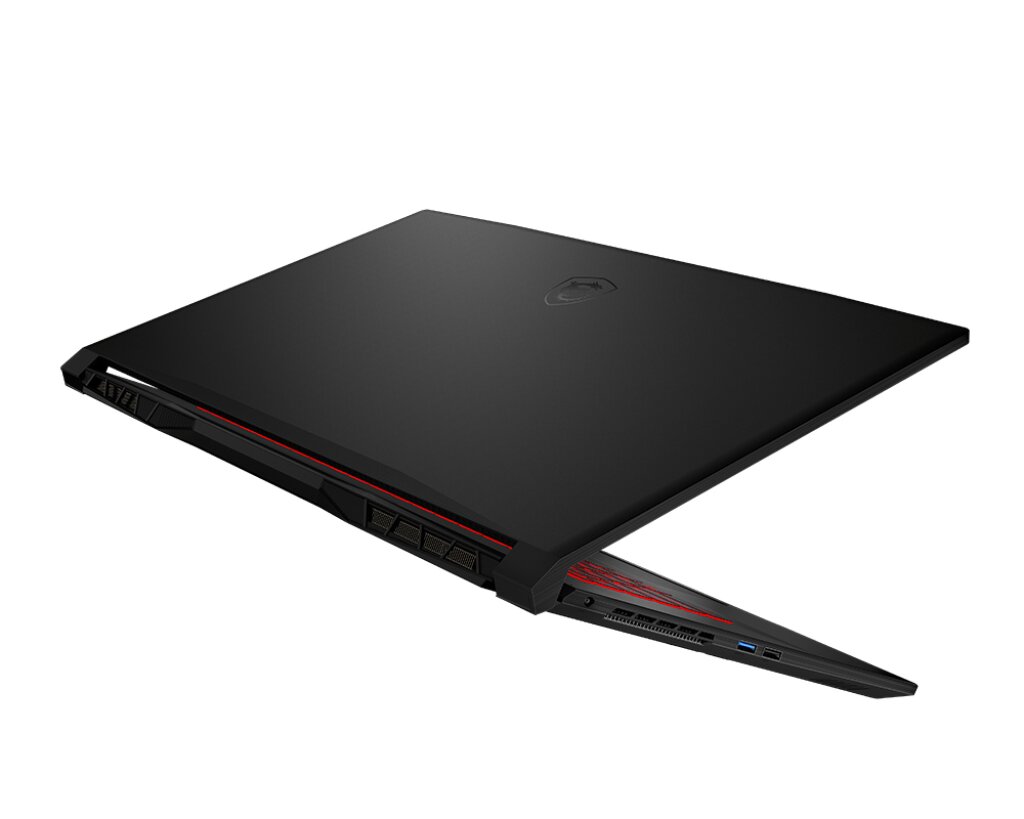
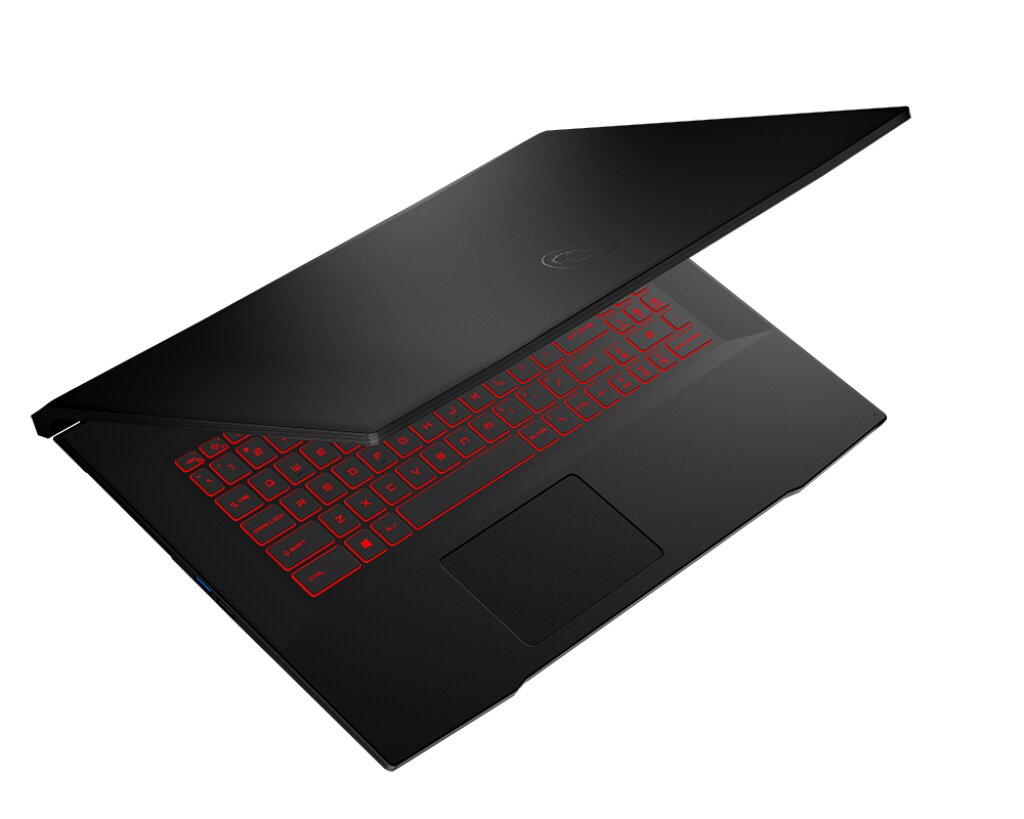
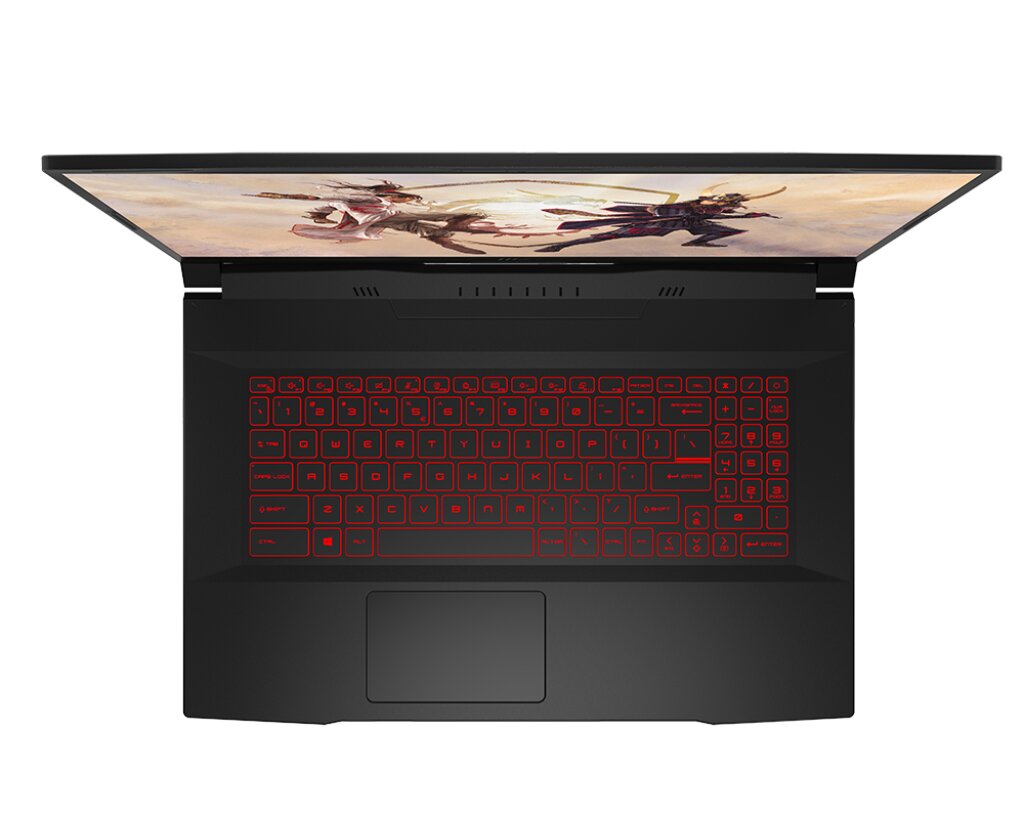
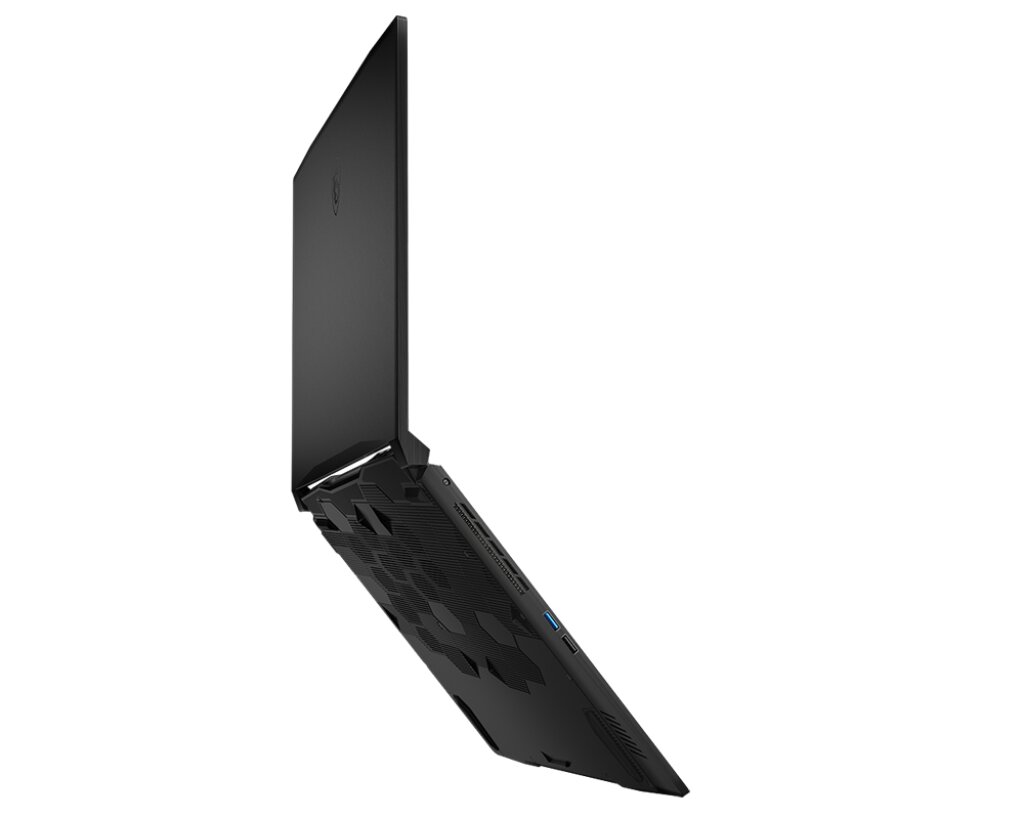
MSI Katana GF76 11SC-863FR laptop memory upgrade specifications include two SO-DIMM slots supporting DDR4-SDRAM memory modules. Maximum RAM capacity reaches 64 GB total, with compatible modules operating at 3200 MHz frequency. Each slot accommodates standard SO-DIMM form factor memory upgrades, enabling users to expand from factory-installed configuration up to maximum specifications. DDR4-SDRAM technology provides efficient performance for gaming and productivity applications on this MSI Katana series notebook computer.
Memory Upgrade Specifications
| Specification | Value |
|---|---|
| Memory slots | 2x SO-DIMM |
| Form factor | SO-DIMM |
| Memory type | DDR4-SDRAM |
| Frequency | 3200 MHz |
| Maximum RAM | 64 GB |
| Voltage | 1.2V |
| Number of pins | 260-pin |
| Interface | PC4 |
| PC Speed Rating | PC4-3200 (PC4-25600) |
| Bandwidth | 25.6 GB/s |
| Laptop Release date | 22 October 2022 |
Additional Notes
- The MSI Katana 11SC-863FR supports dual-channel memory architecture through its 2 SO-DIMM slots, enabling potential bandwidth doubling when matched modules are installed in both slots.
- The 64 GB maximum capacity indicates compatibility with individual 32 GB modules, though availability of SO-DIMM modules at this density may be limited compared to standard 8 GB or 16 GB options.
- DDR4-3200 represents the JEDEC standard speed, but actual operating frequency depends on processor memory controller specifications and may require XMP profile activation in BIOS for rated speeds.
- SO-DIMM form factor compatibility excludes standard desktop DIMM modules, requiring notebook-specific memory modules measuring approximately 67.6 mm in length.
- Memory upgrades beyond factory configuration may void warranty coverage depending on regional service policies and whether installation is performed by unauthorized technicians.
- Mixing memory modules with different speeds will result in all modules operating at the lowest common frequency, potentially underutilizing faster modules.
- The 3200 MHz specification represents PC4-25600 bandwidth rating, delivering theoretical maximum throughput of 25.6 GB/s per channel under optimal conditions.
- Access to memory slots typically requires bottom panel removal, with potential for thermal pad or shield interference depending on chassis design specifics.
- Single-rank versus dual-rank module selection can impact performance characteristics, with dual-rank configurations sometimes providing marginal latency improvements in specific workloads.
- DDR5 modules are physically and electrically incompatible with this DDR4 platform, preventing future memory technology upgrades without complete system replacement.