MSI Modern 14 B10MW-076 RAM upgrade specifications
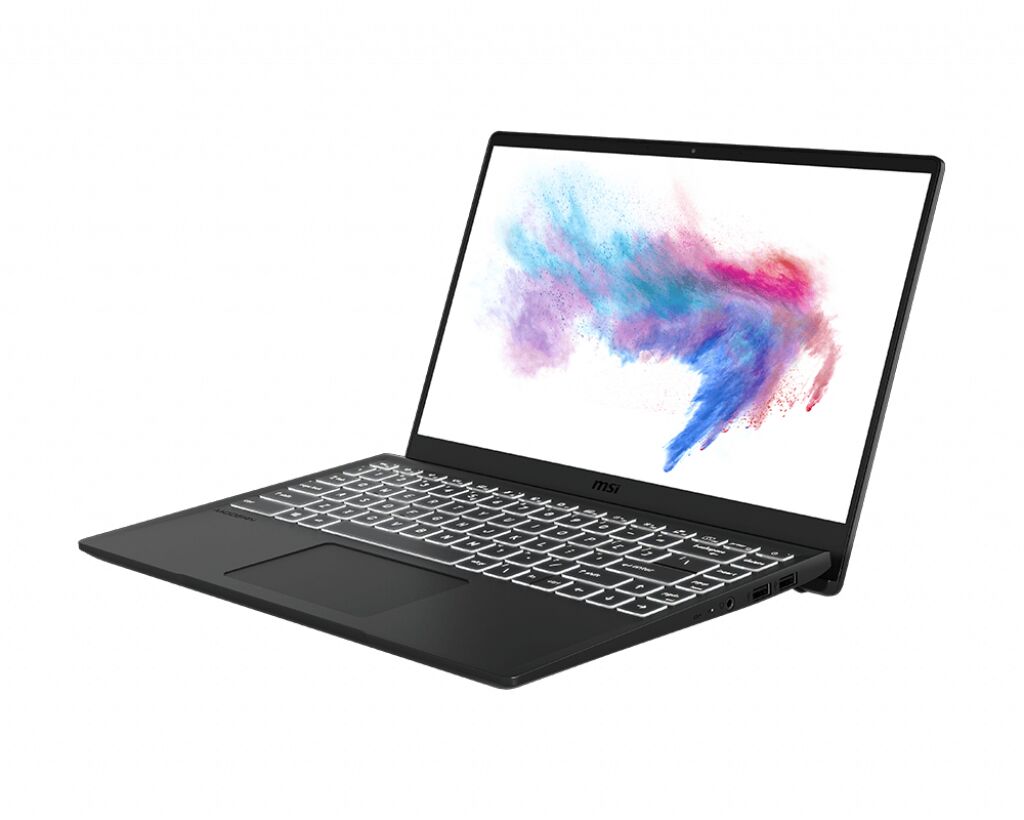
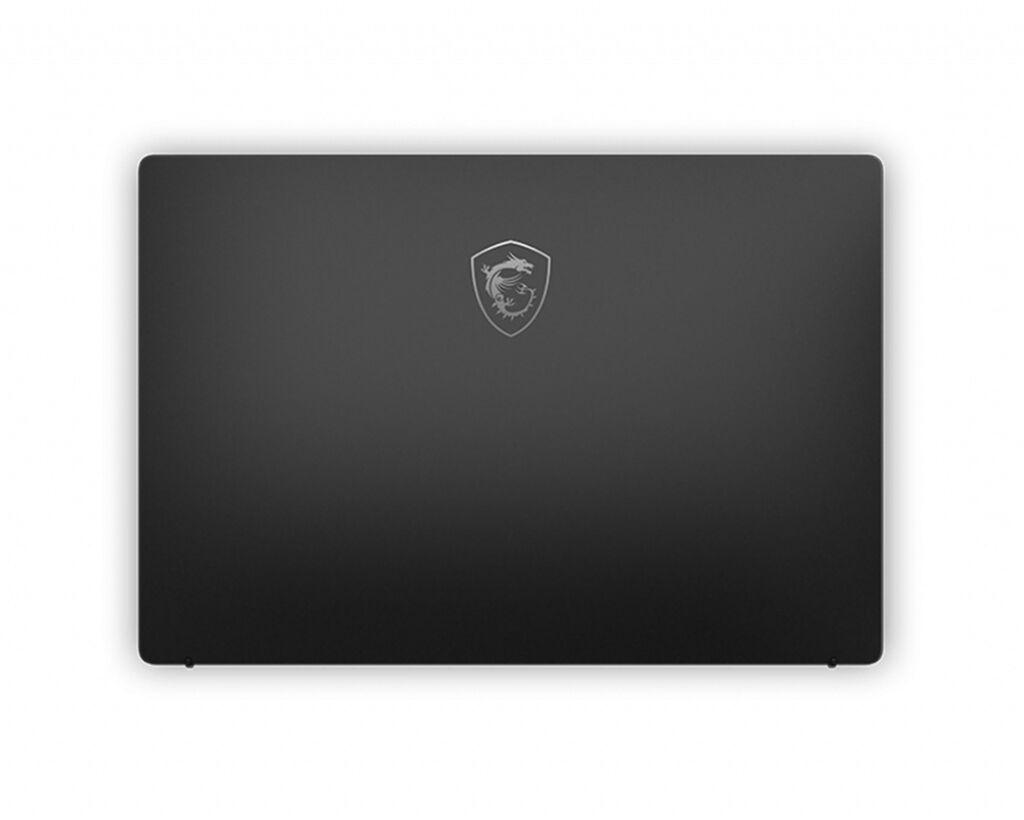
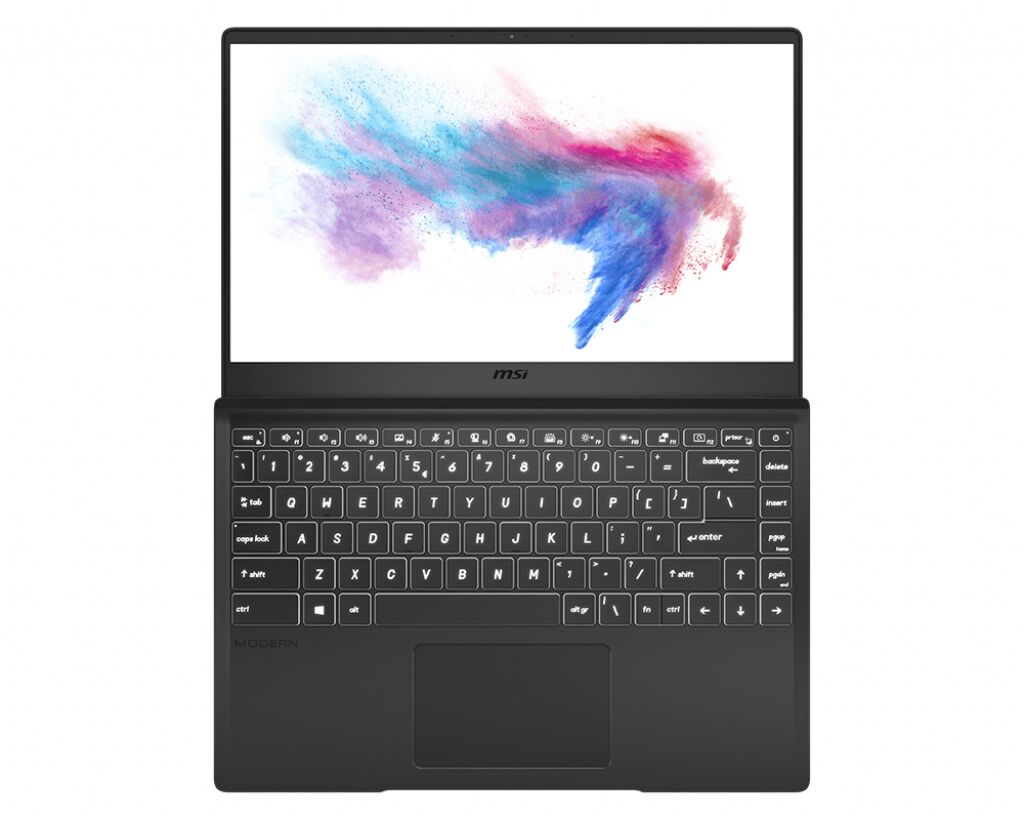
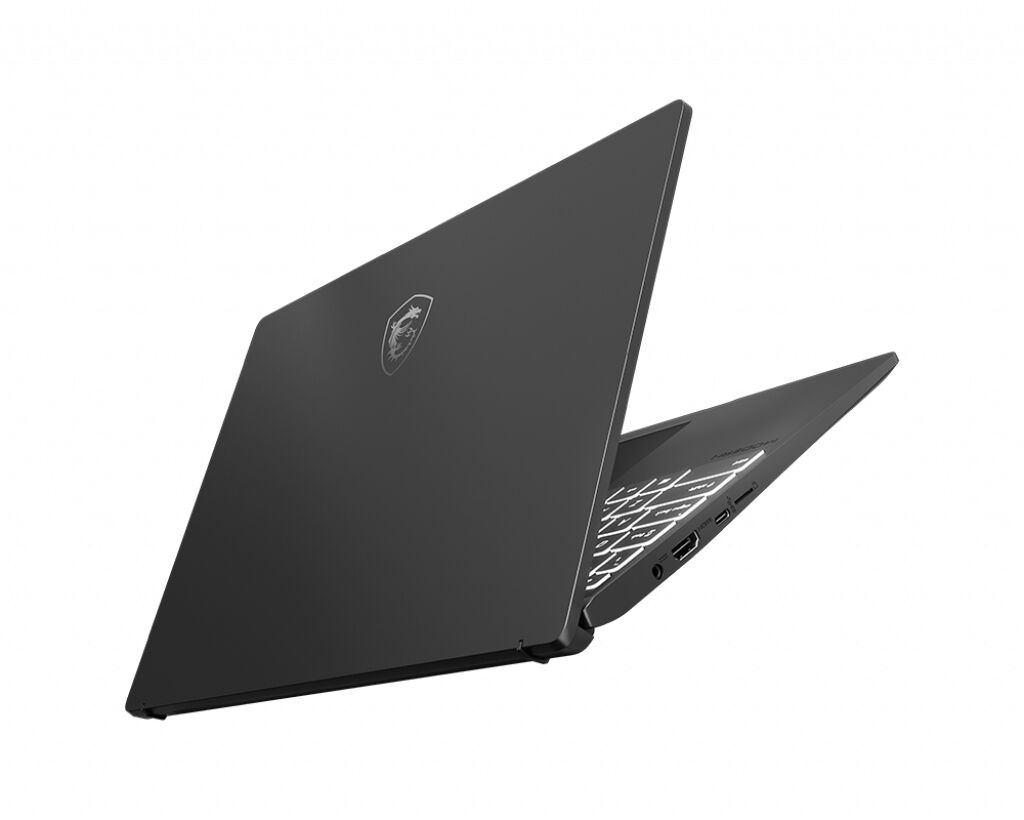
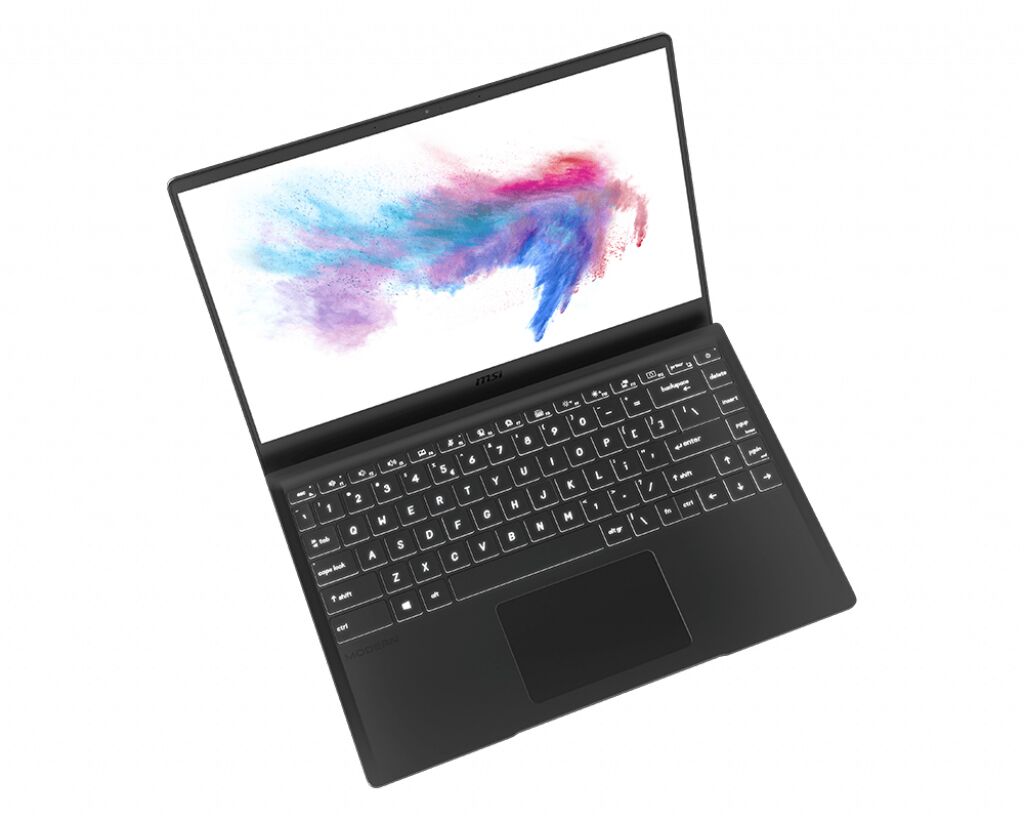
The MSI Modern 14 B10MW-076 features one SO-DIMM slot for DDR4-SDRAM memory upgrade. The laptop supports a maximum RAM capacity of 32 GB at 2666 MHz frequency. Compatible DDR4 memory modules in SO-DIMM form factor can be installed to expand the system's memory specifications. The upgrade slot accommodates standard laptop memory configurations for enhanced multitasking performance.
Memory Upgrade Specifications
| Specification | Value |
|---|---|
| Memory slots | 1x SO-DIMM |
| Form factor | SO-DIMM |
| Memory type | DDR4-SDRAM |
| Frequency | 2666 MHz |
| Maximum RAM | 32 GB |
| Voltage | 1.2V |
| Number of pins | 260-pin |
| Interface | PC4 |
| PC Speed Rating | PC4-2666 (PC4-21328) |
| Bandwidth | 21.3 GB/s |
| Laptop Release date | 11 February 2021 |
Additional Notes
- The MSI Modern 14 B10MW-076 uses a soldered memory architecture where 1 slot remains accessible, indicating a portion of system RAM is permanently integrated and cannot be replaced or upgraded independently.
- DDR4-2666 MHz represents the upper frequency ceiling for this platform; matching this speed specification is mandatory for warranty-safe upgrades, as higher-frequency modules will downclock to 2666 MHz at best or create stability issues at worst.
- Single SO-DIMM slot architecture creates a practical upgrade ceiling of 32 GB total system memory, which constrains multitasking headroom for applications requiring large working datasets or virtual machine configurations.
- SO-DIMM form factor locks upgrade options to laptop-grade modules only; desktop DDR4 UDIMMs are physically incompatible and cannot be force-fitted without permanent hardware damage.
- The 32 GB maximum capacity paired with a single accessible slot means any memory expansion requires complete module replacement rather than additive installation, necessitating temporary system unavailability during the upgrade procedure.
- DDR4-2666 MHz bandwidth (approximately 21 GB/s) may become a secondary performance limiter when paired with 10th-generation or newer processors, as CPU architectures from this era can saturate memory bus throughput during sequential operations.