MSI Modern 14 B11SB-053FR RAM upgrade specifications

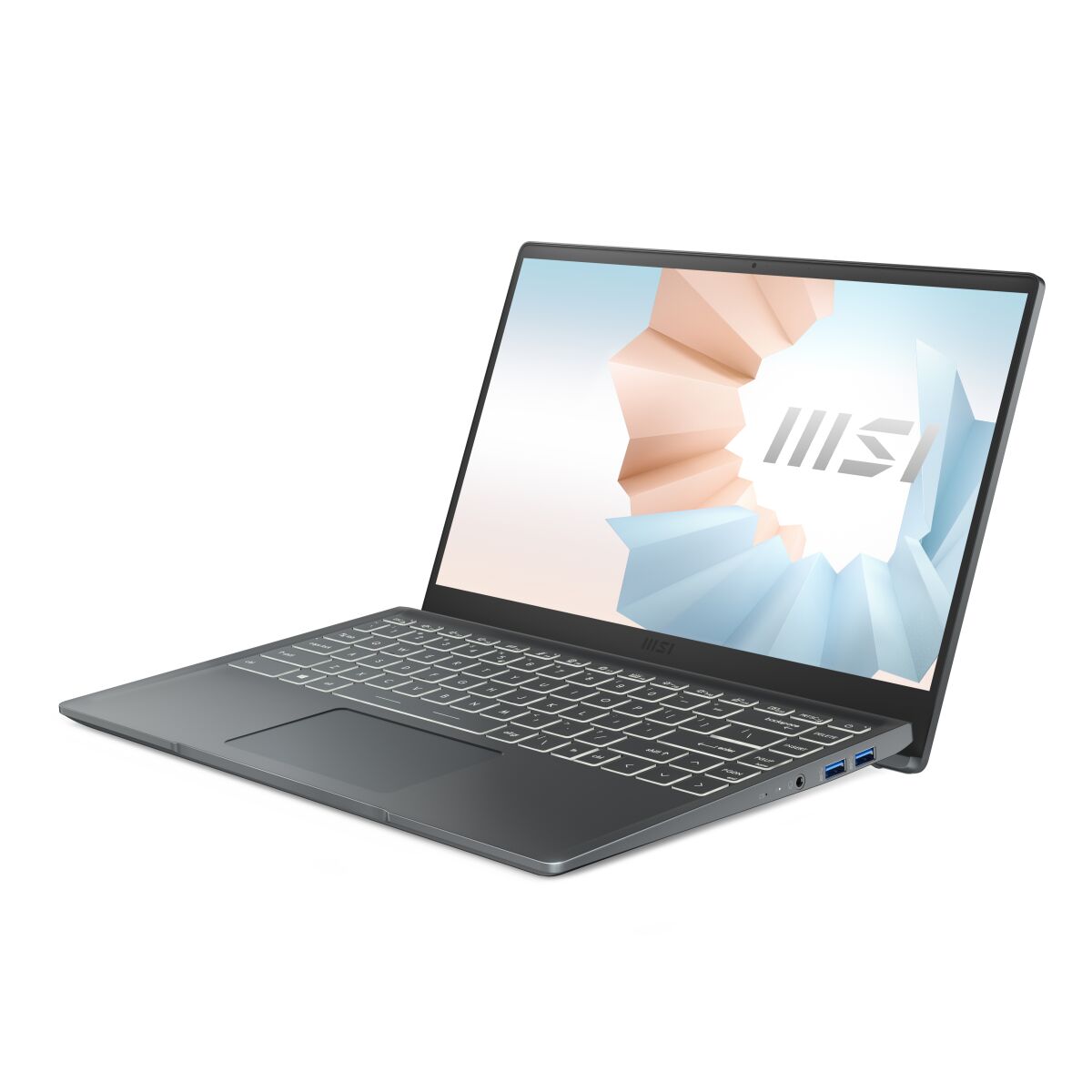
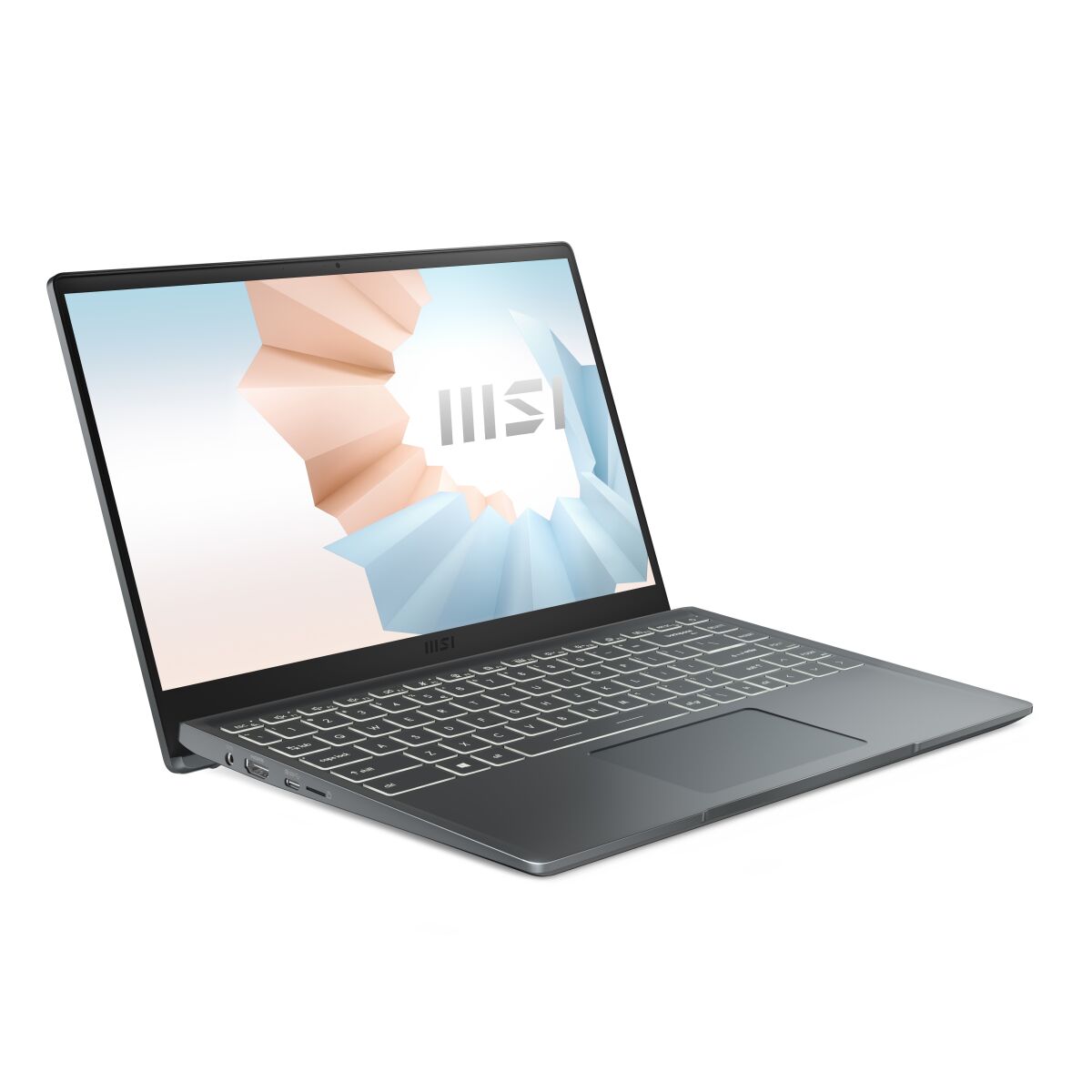
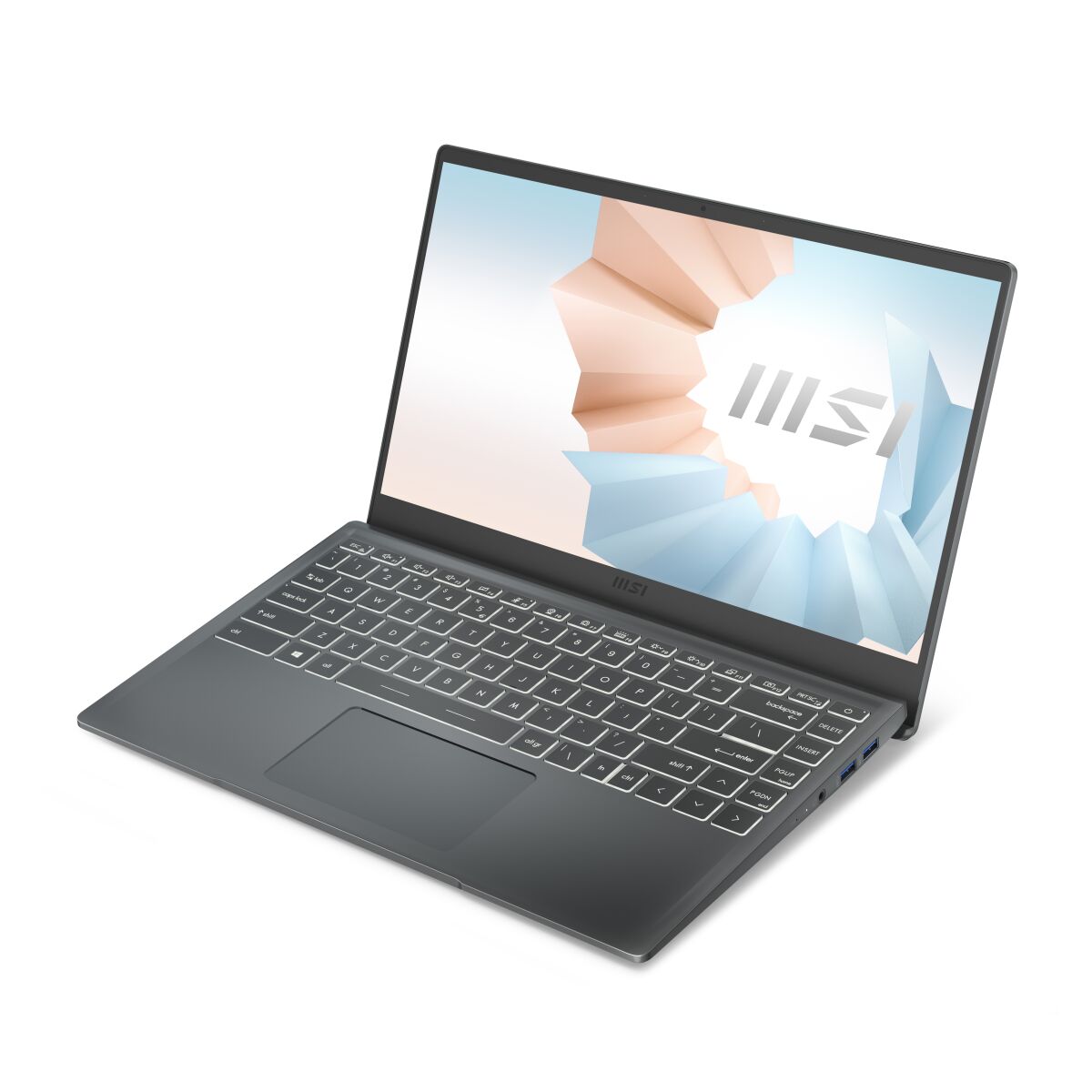
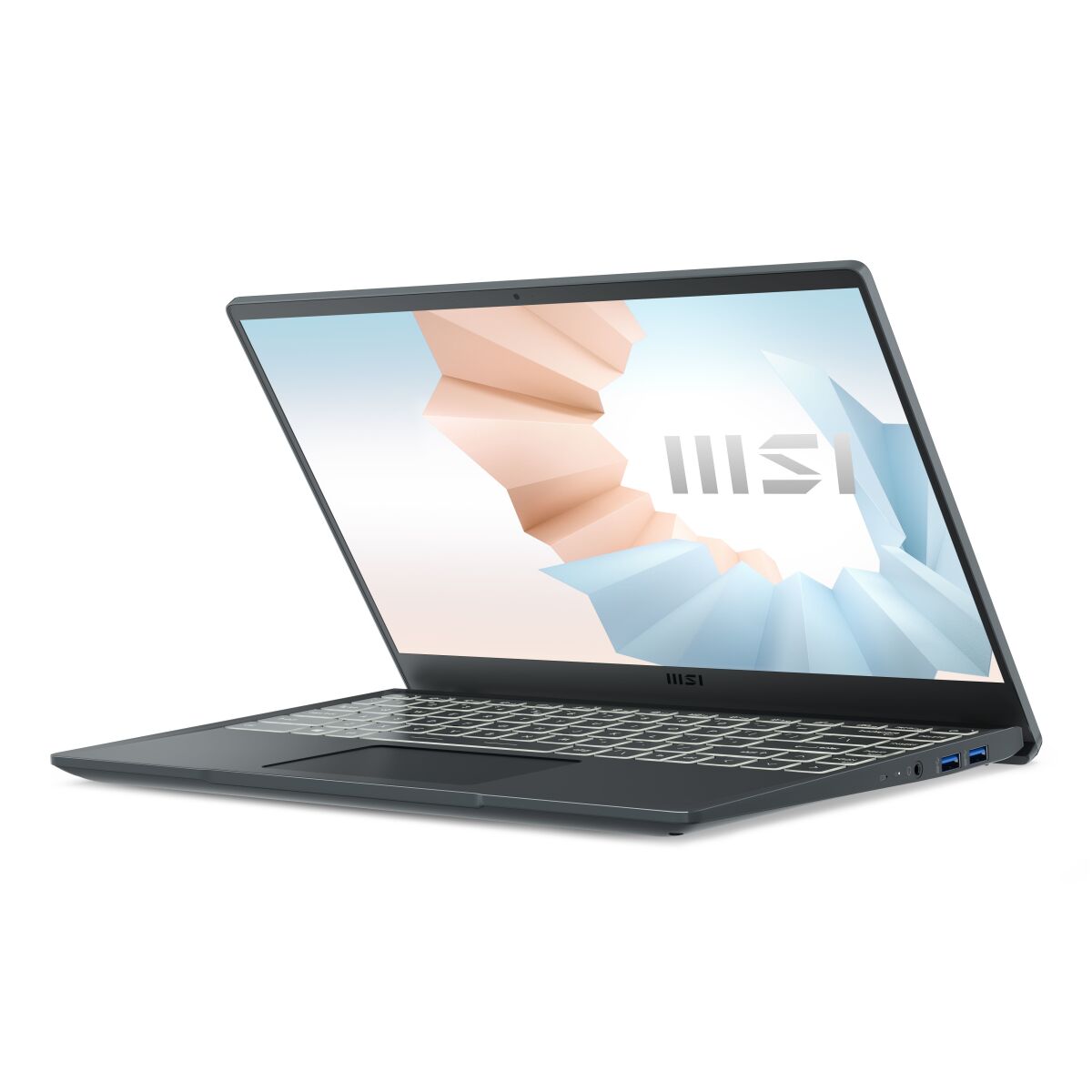
MSI Modern 14 B11SB-053FR laptop RAM upgrade specifications indicate DDR4-SDRAM memory compatibility with single SO-DIMM slot configuration. Maximum memory capacity reaches 32 GB through compatible upgrade modules. Existing memory operates at 2666 MHz frequency. Replacement or additional memory modules must match SO-DIMM form factor and DDR4-SDRAM specifications for proper compatibility with this MSI 14 series model.
Memory Upgrade Specifications
| Specification | Value |
|---|---|
| Memory slots | 1x SO-DIMM |
| Form factor | SO-DIMM |
| Memory type | DDR4-SDRAM |
| Frequency | 2666 MHz |
| Maximum RAM | 32 GB |
| Voltage | 1.2V |
| Number of pins | 260-pin |
| Interface | PC4 |
| PC Speed Rating | PC4-2666 (PC4-21328) |
| Bandwidth | 21.3 GB/s |
| Laptop Release date | 22 December 2020 |
Additional Notes
- The MSI Modern 14 B11SB-053FR features a single SO-DIMM slot configuration, which eliminates dual-channel memory architecture and reduces available memory bandwidth by approximately 50 percent compared to systems with paired modules.
- The 2666 MHz frequency operates at JEDEC standard DDR4-2666 specification with a theoretical maximum bandwidth of 21.3 GB/s in single-channel mode, creating potential throughput limitations for integrated graphics workloads and memory-intensive applications.
- Upgrading requires complete removal of the factory-installed module rather than adding a second module, meaning the original memory cannot be retained or repurposed within this system.
- The 32 GB maximum capacity requires a single high-density SO-DIMM module, which typically carries higher cost per gigabyte than splitting equivalent capacity across two lower-density modules in dual-slot systems.
- Installation access requires bottom panel removal and potential warranty seal breakage depending on regional service policies, as SO-DIMM slots in ultraportable chassis are typically located beneath non-user-serviceable covers.
- Memory compatibility is limited to DDR4 SO-DIMM modules operating at or below 2666 MHz, as higher frequency modules will downclock to match the supported speed without performance benefit.
- The single-channel configuration introduces latency penalties for CPU cache misses and may create performance asymmetry in workloads that benefit from interleaved memory access patterns.
- Thermal constraints in the compact 14-inch chassis may affect sustained memory performance under extended high-utilization scenarios, particularly when approaching the 32 GB maximum capacity with denser module configurations.