MSI Modern A10RAS-895FR RAM upgrade specifications

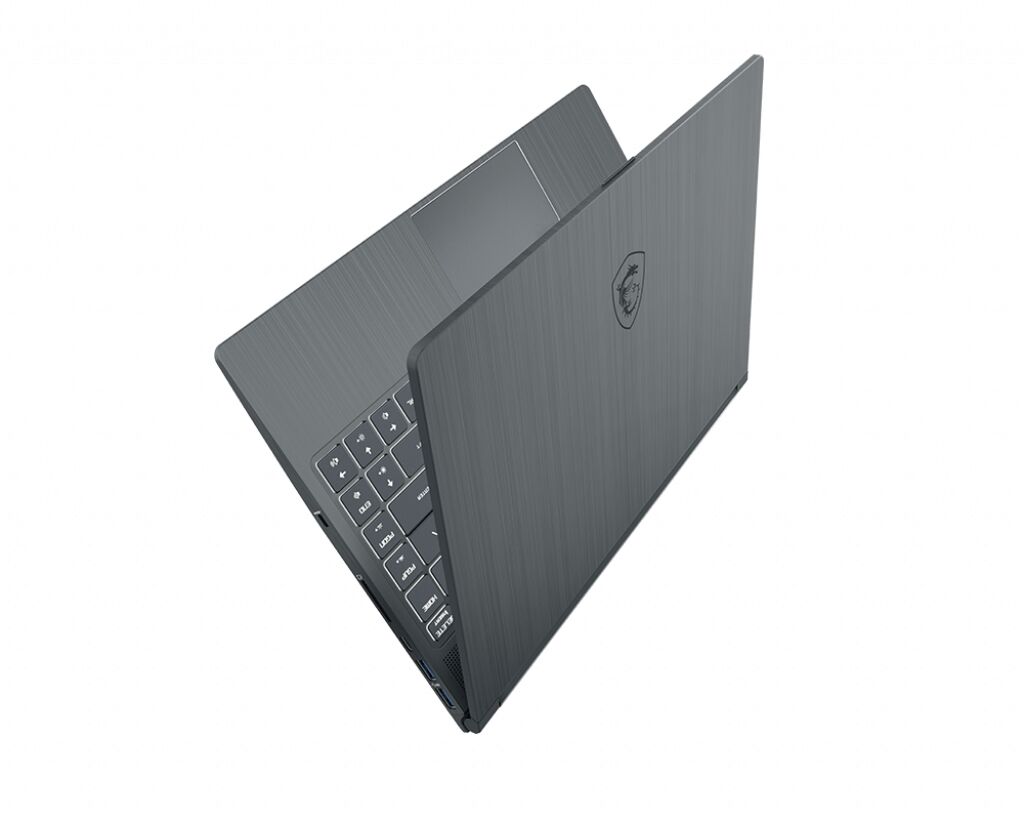



The MSI Modern 14 A10RAS-895FR laptop features DDR4-SDRAM memory upgrade capabilities with one SO-DIMM slot available for expansion. Maximum RAM capacity reaches 32 GB, supporting memory modules operating at 2666 MHz frequency. Compatible upgrades utilize the SO-DIMM form factor specifications, allowing users to expand the system's memory beyond factory-installed configurations. The upgrade specifications accommodate standard DDR4 memory modules meeting the defined frequency and form factor requirements for the A10RAS-895FR model.
Memory Upgrade Specifications
| Specification | Value |
|---|---|
| Memory slots | 1x SO-DIMM |
| Form factor | SO-DIMM |
| Memory type | DDR4-SDRAM |
| Frequency | 2666 MHz |
| Maximum RAM | 32 GB |
| Voltage | 1.2V |
| Number of pins | 260-pin |
| Interface | PC4 |
| PC Speed Rating | PC4-2666 (PC4-21328) |
| Bandwidth | 21.3 GB/s |
| Laptop Release date | 01 May 2020 |
Additional Notes
- The single SO-DIMM slot architecture in the MSI Modern A10RAS-895FR eliminates dual-channel memory operation, restricting bandwidth to approximately 21 GB/s instead of the 42 GB/s achievable with paired modules.
- Integrated graphics performance suffers significantly in single-channel configurations, as the GPU must share the reduced memory bandwidth with CPU operations.
- Capacity upgrades require complete module replacement rather than expansion, meaning the factory-installed module becomes surplus when installing higher density RAM.
- The 32 GB ceiling supports modern productivity workloads but excludes professional applications requiring 64 GB or more, such as large-scale 3D rendering or extensive virtual machine deployments.
- DDR4-2666 represents JEDEC standard specification, ensuring broad module compatibility but eliminating overclocking headroom typical of higher-spec XMP profiles.
- Manufacturers typically void warranties when damage occurs during user-initiated memory installation, though component upgrades themselves remain permissible under most terms.
- The 2666 MHz frequency limitation persists regardless of installed module specifications, as the memory controller enforces this maximum even with faster-rated SO-DIMMs.
- Single-slot designs create thermal concentration during sustained memory operations, potentially affecting module longevity in poorly ventilated environments.
- SO-DIMM physical access typically requires bottom panel removal and may involve disassembly beyond what quick-access doors provide, extending installation time.
- Legacy DDR3 SO-DIMM modules share identical 260-pin connector dimensions with DDR4, requiring voltage key position verification to prevent installation errors that risk permanent damage.