MSI Modern 15 RAM upgrade specifications
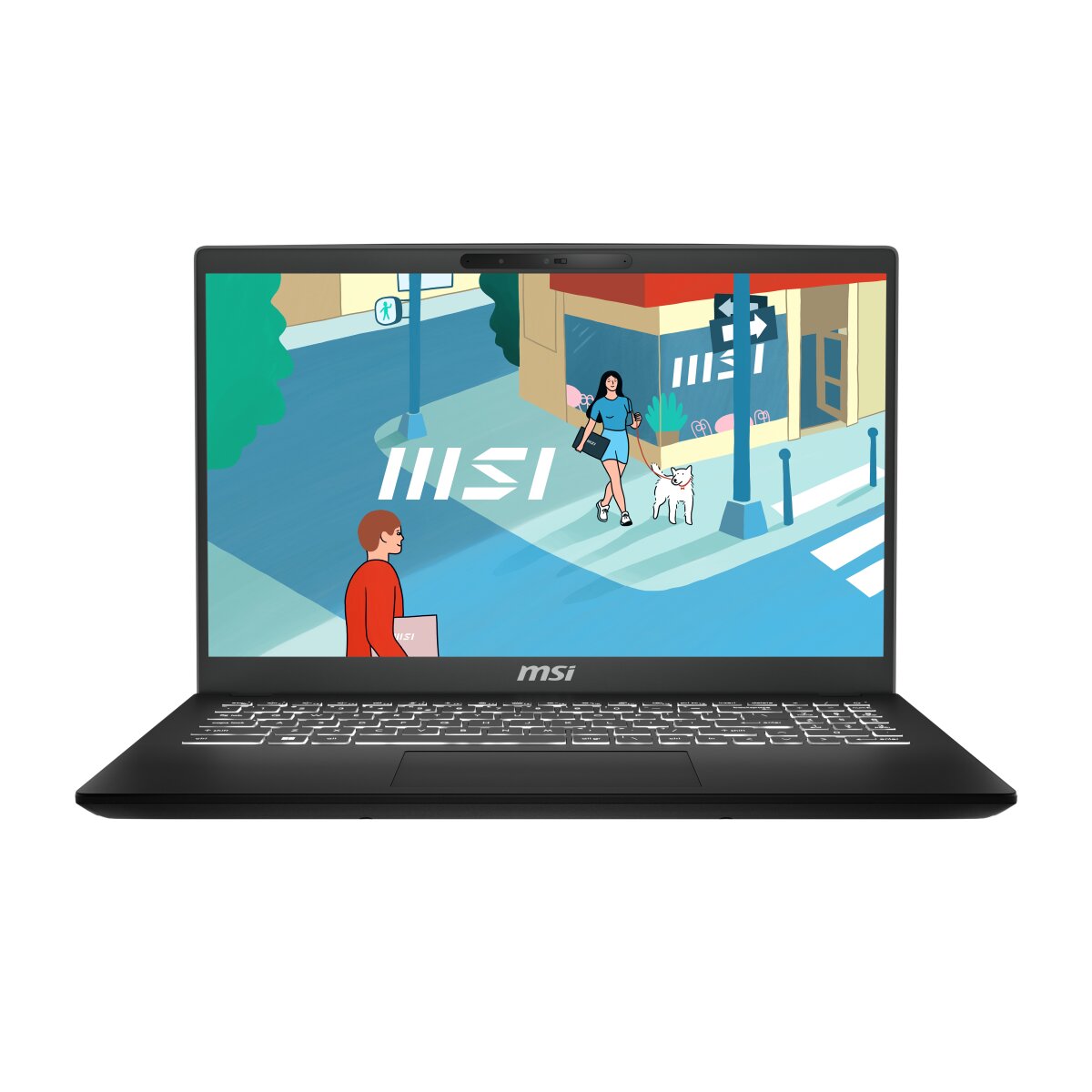
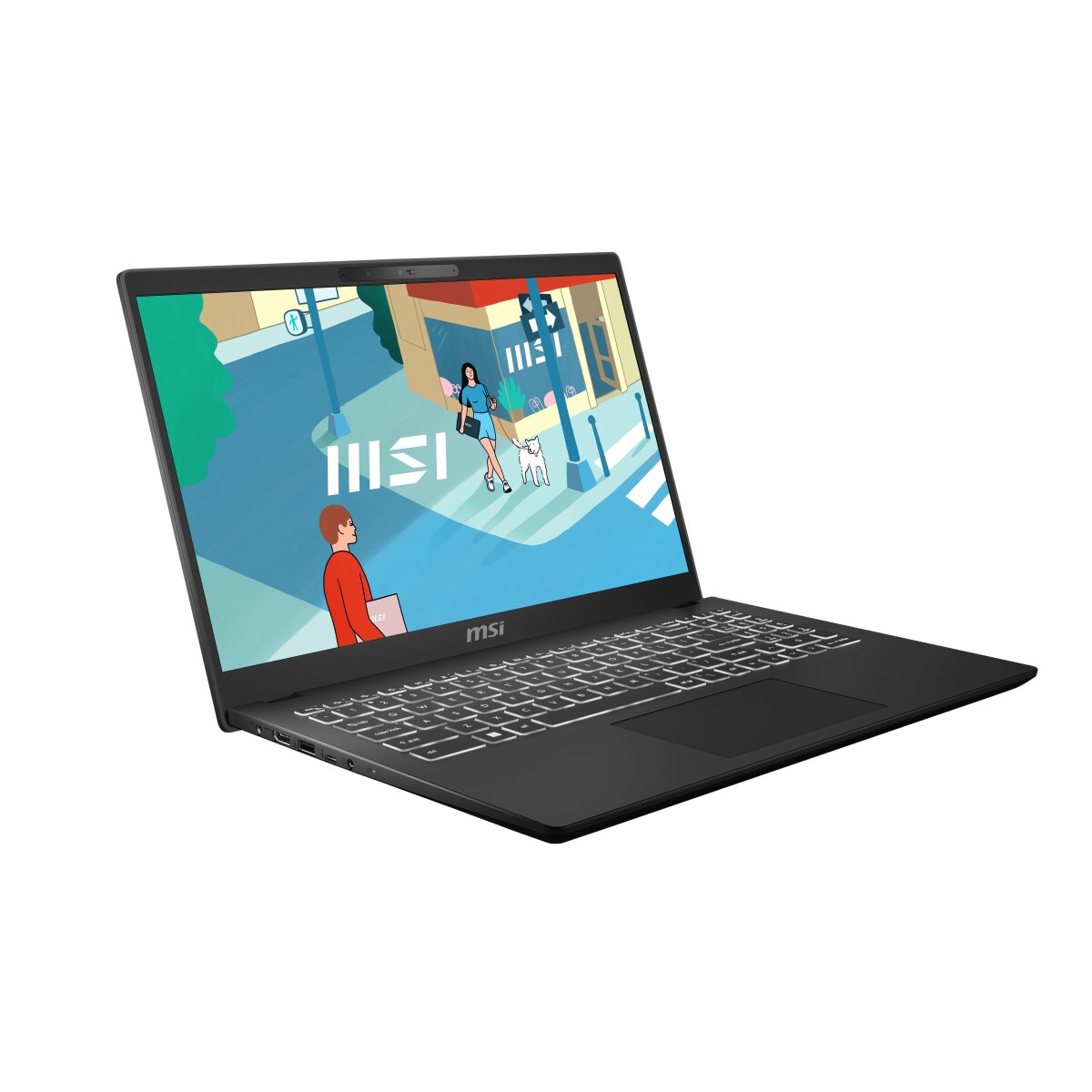
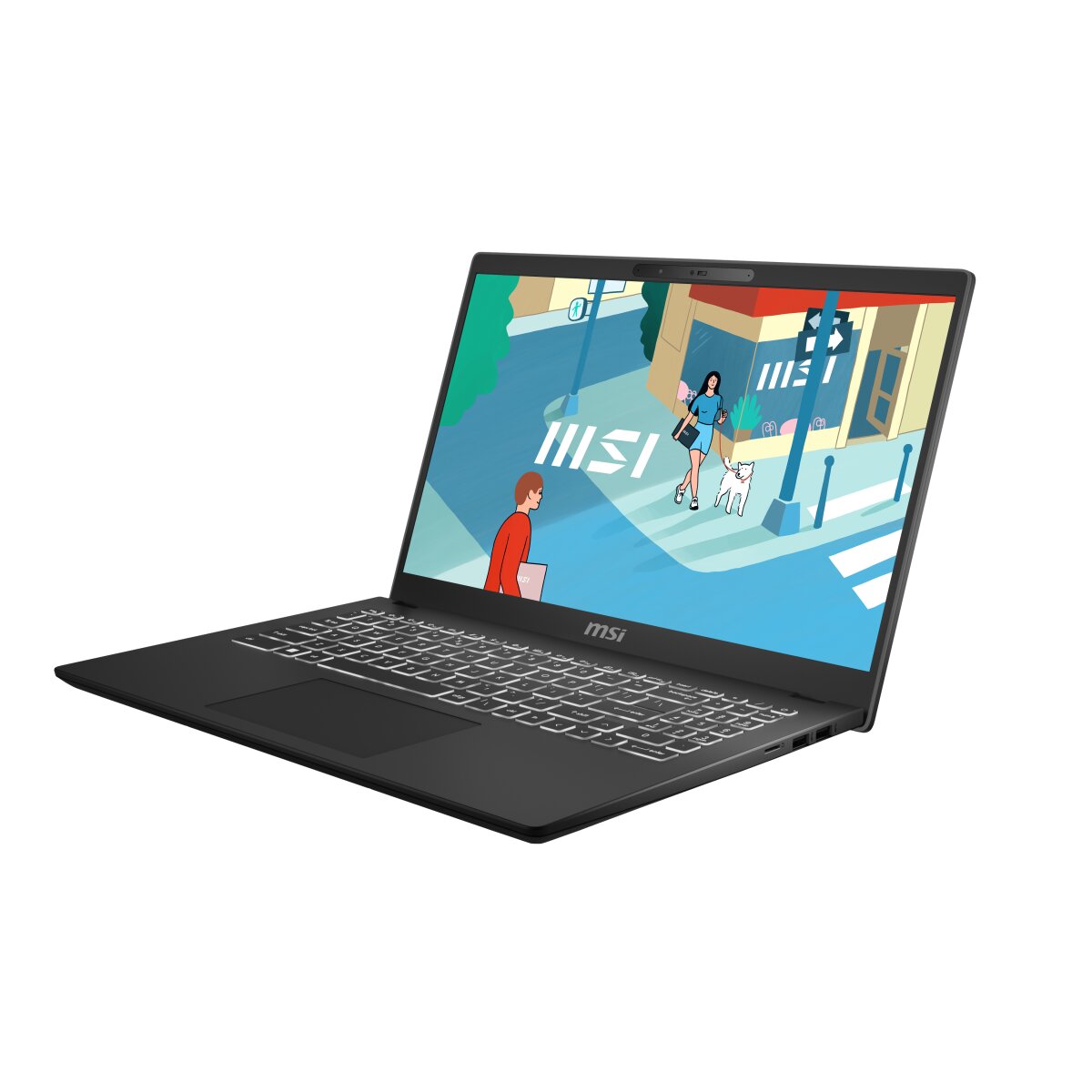
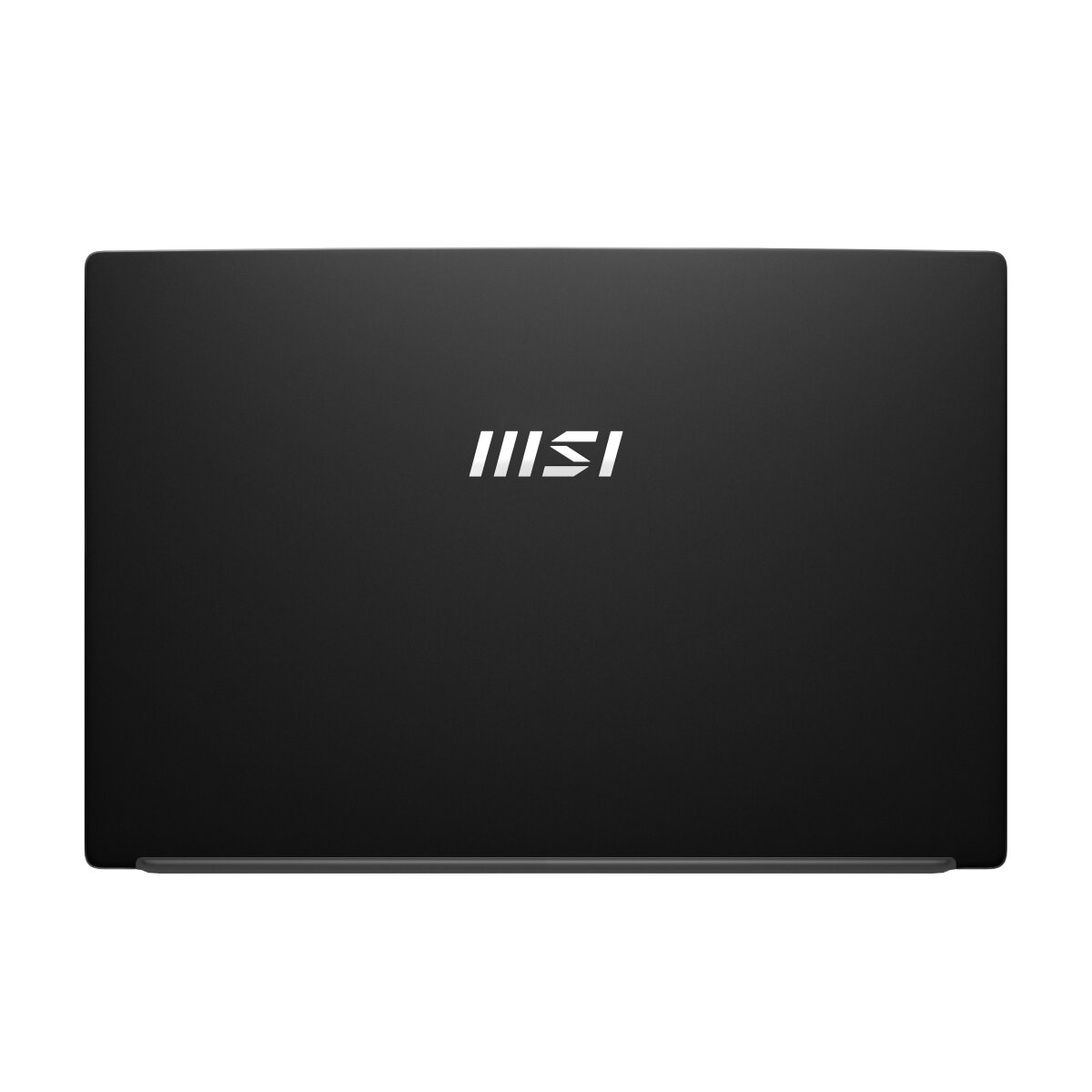
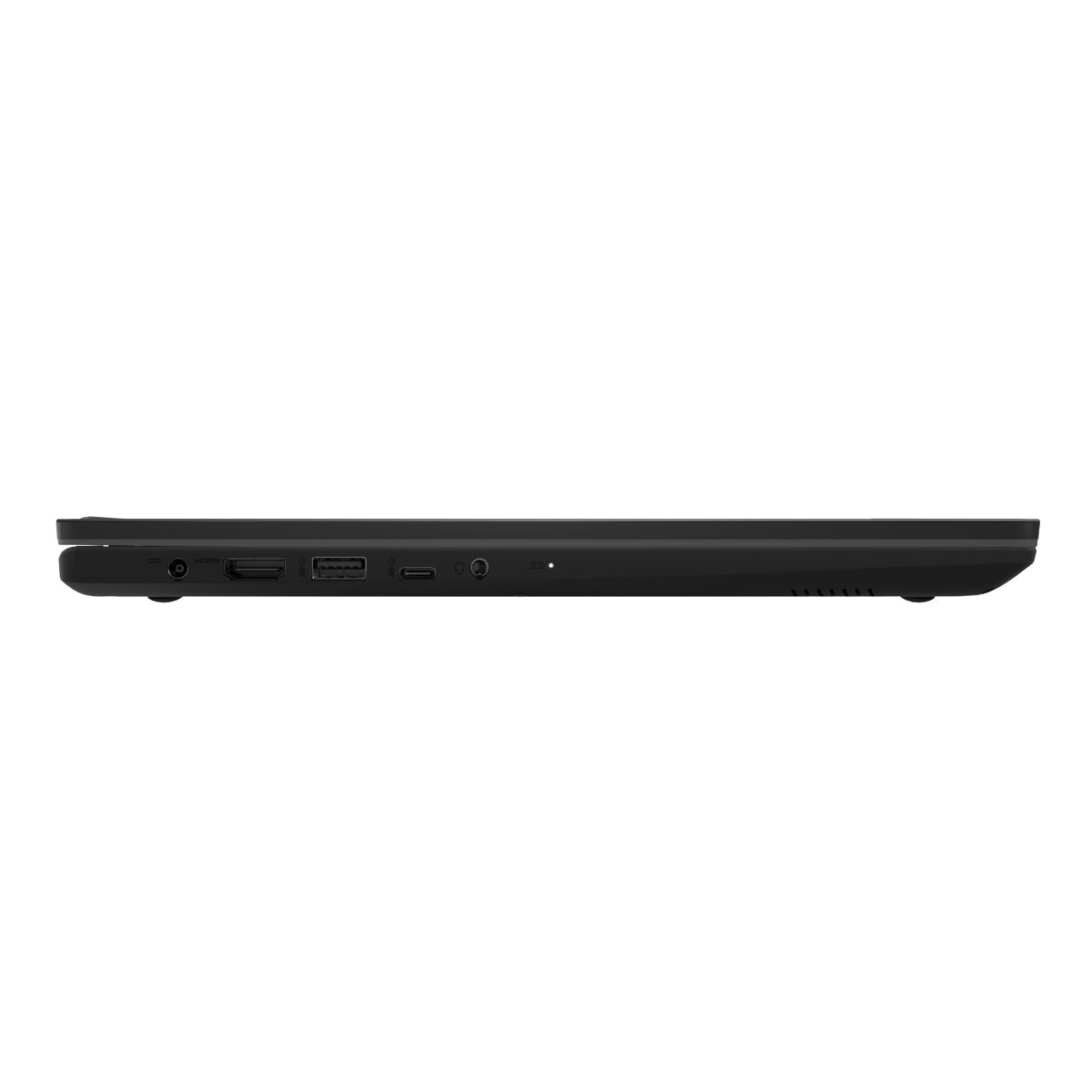
The MSI Modern 15 H laptop contains two SO-DIMM memory slots supporting DDR4-SDRAM upgrades at 3200 MHz frequency. Maximum RAM capacity reaches 64 GB total. Specifications indicate compatible memory upgrades utilize SO-DIMM form factor modules. RAM upgrade options for the MSI Modern 15 H series allow users to expand memory beyond factory configurations, with each slot accommodating modules up to 32 GB capacity.
Memory Upgrade Specifications
| Specification | Value |
|---|---|
| Memory slots | 2x SO-DIMM |
| Form factor | SO-DIMM |
| Memory type | DDR4-SDRAM |
| Frequency | 3200 MHz |
| Maximum RAM | 64 GB |
| Voltage | 1.2V |
| Number of pins | 260-pin |
| Interface | PC4 |
| PC Speed Rating | PC4-3200 (PC4-25600) |
| Bandwidth | 25.6 GB/s |
Additional Notes
- SO-DIMM memory architecture limits concurrent bandwidth to the CPU to approximately 25.6 GB/s under optimal conditions, which constrains performance gains when paired with high-end mobile processors requiring memory throughput above this threshold.
- The 2-slot configuration on the MSI Modern 15 requires complete memory replacement rather than additive upgrades; installing a single module leaves the second slot empty and prevents dual-channel operation, resulting in 50% reduction in effective memory bandwidth.
- DDR4-3200 specifications indicate this platform predates DDR5 mobile standards; compatibility with newer DDR5 SO-DIMM modules is not feasible without motherboard-level redesign, locking the system into DDR4 ecosystem obsolescence timelines.
- Reaching the 64 GB maximum necessitates dual 32 GB SO-DIMM modules, a configuration that may generate thermal stress under sustained loads due to increased power delivery requirements and reduced airflow around densely populated memory cells.
- SO-DIMM modules occupy significantly less physical space than desktop UDIMM counterparts, which typically restricts heatsink options; aftermarket high-performance memory with integrated cooling hardware risks interference with internal laptop architecture and voids thermal design assumptions.
- Factory memory configurations frequently employ single-sided module layouts; replacement modules must match this specification to avoid height mismatches that prevent proper seating or create abnormal contact pressure on the slot connectors.
- Memory frequency headroom is negligible; overclocking SO-DIMM beyond 3200 MHz on mobile platforms introduces stability degradation and accelerates component degradation without corresponding performance improvements in typical workloads.