MSI Modern 15 A10RB-009CA RAM upgrade specifications
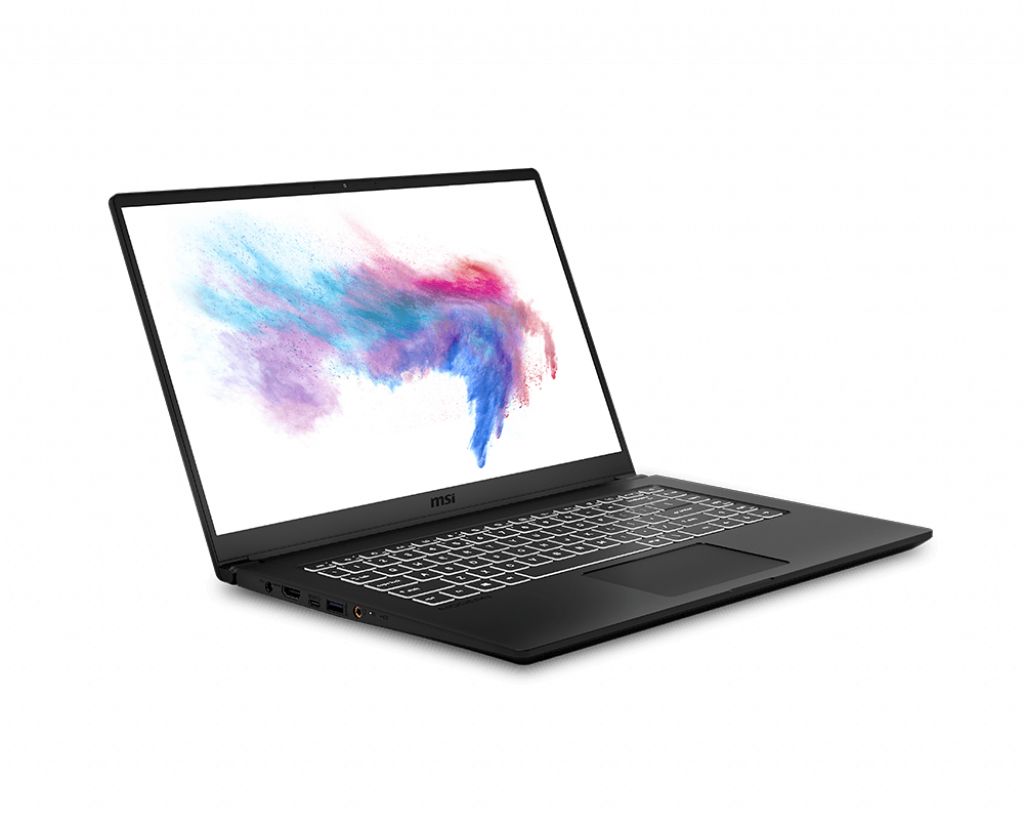

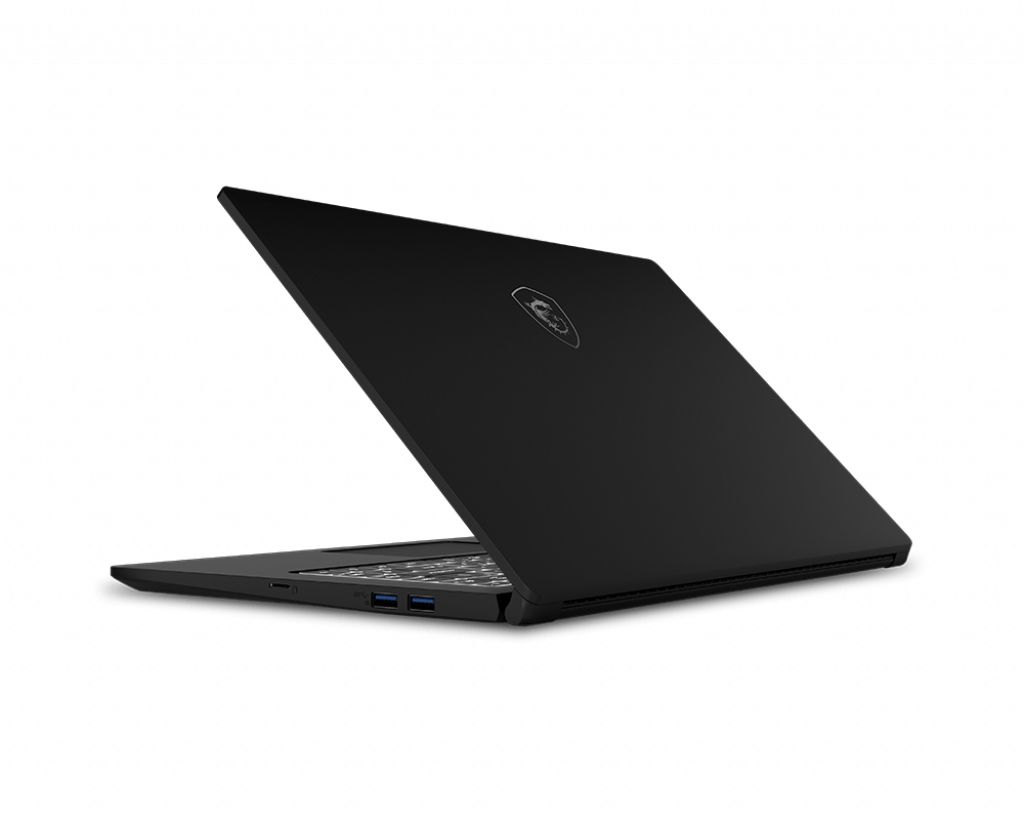
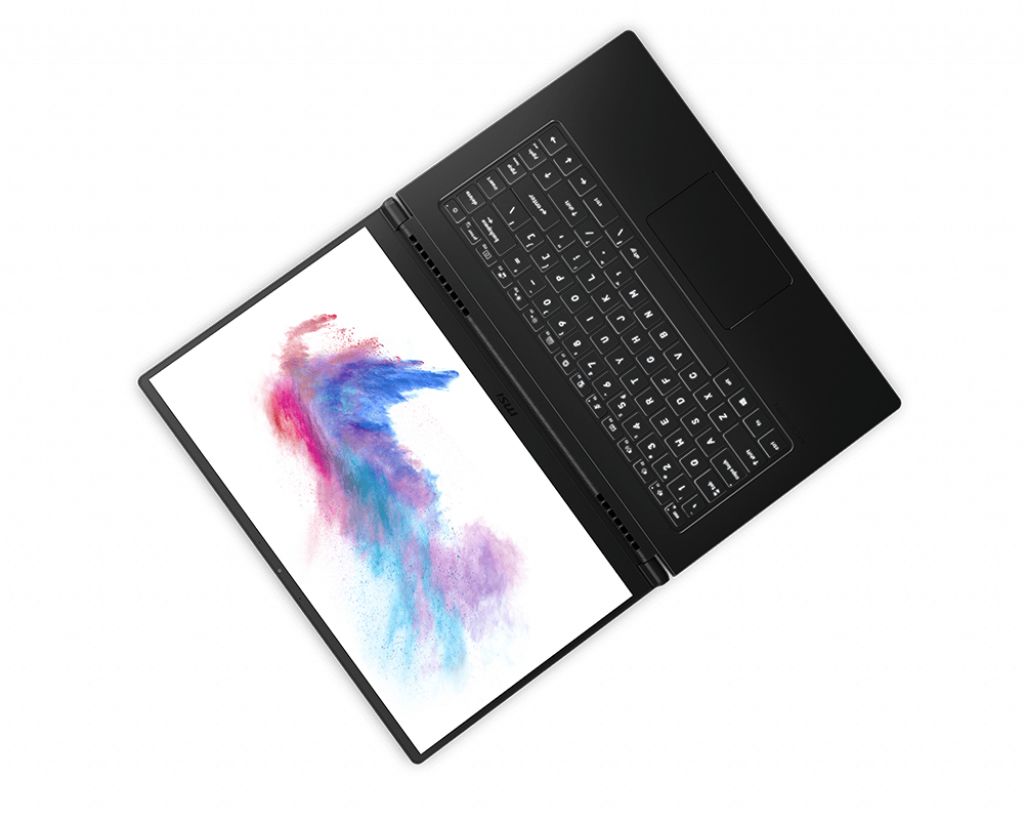
The MSI Modern 15 A10RB-009CA laptop features two SO-DIMM memory slots supporting DDR4-SDRAM upgrade specifications. The system accommodates a maximum RAM capacity of 64 GB total, with compatible memory modules operating at 2666 MHz frequency. Upgrade options allow installation of additional or replacement DDR4 SO-DIMM modules to enhance the laptop's memory capacity and performance specifications.
Memory Upgrade Specifications
| Specification | Value |
|---|---|
| Memory slots | 2x SO-DIMM |
| Form factor | SO-DIMM |
| Memory type | DDR4-SDRAM |
| Frequency | 2666 MHz |
| Maximum RAM | 64 GB |
| Voltage | 1.2V |
| Number of pins | 260-pin |
| Interface | PC4 |
| PC Speed Rating | PC4-2666 (PC4-21328) |
| Bandwidth | 21.3 GB/s |
| Laptop Release date | 14 February 2020 |
Additional Notes
- The MSI Modern 15 A10RB-009CA utilizes SO-DIMM modules, which require less physical clearance than standard desktop DIMMs and feature a 260-pin configuration specific to mobile platforms.
- The 2666 MHz frequency specification indicates JEDEC standard DDR4-2666 compatibility, which operates at 1.2V and provides a theoretical maximum bandwidth of 21.3 GB/s per channel.
- Dual-channel architecture is accessible through both SO-DIMM slots, which can double memory bandwidth to 42.6 GB/s when populated with matched modules.
- The 64 GB maximum capacity suggests compatibility with 32 GB SO-DIMM modules, which require dual-rank configuration and may exhibit slightly higher latency compared to single-rank alternatives.
- Memory installed at speeds exceeding 2666 MHz will downclock to match the controller's maximum supported frequency, rendering higher-speed modules functionally identical to DDR4-2666.
- Asymmetric configurations, such as pairing modules of different capacities, will force the system to operate in single-channel mode for the capacity exceeding the smaller module.
- Non-volatile XMP profiles embedded in enthusiast-grade modules will not activate on this platform, as mobile chipsets typically lack XMP support infrastructure.
- Access to memory slots on this chassis generation typically requires bottom panel removal, which may affect warranty status if factory seals are present.
- Mixing modules from different manufacturers or with varying latency timings can result in POST failures or force the memory controller to operate at the slowest common timing denominator.
- The DDR4 standard's backward compatibility allows DDR4-3200 modules to function after automatic downclocking, but provides no performance advantage over native 2666 MHz modules in this configuration.