MSI Modern 15 A11MU-1013IT RAM upgrade specifications

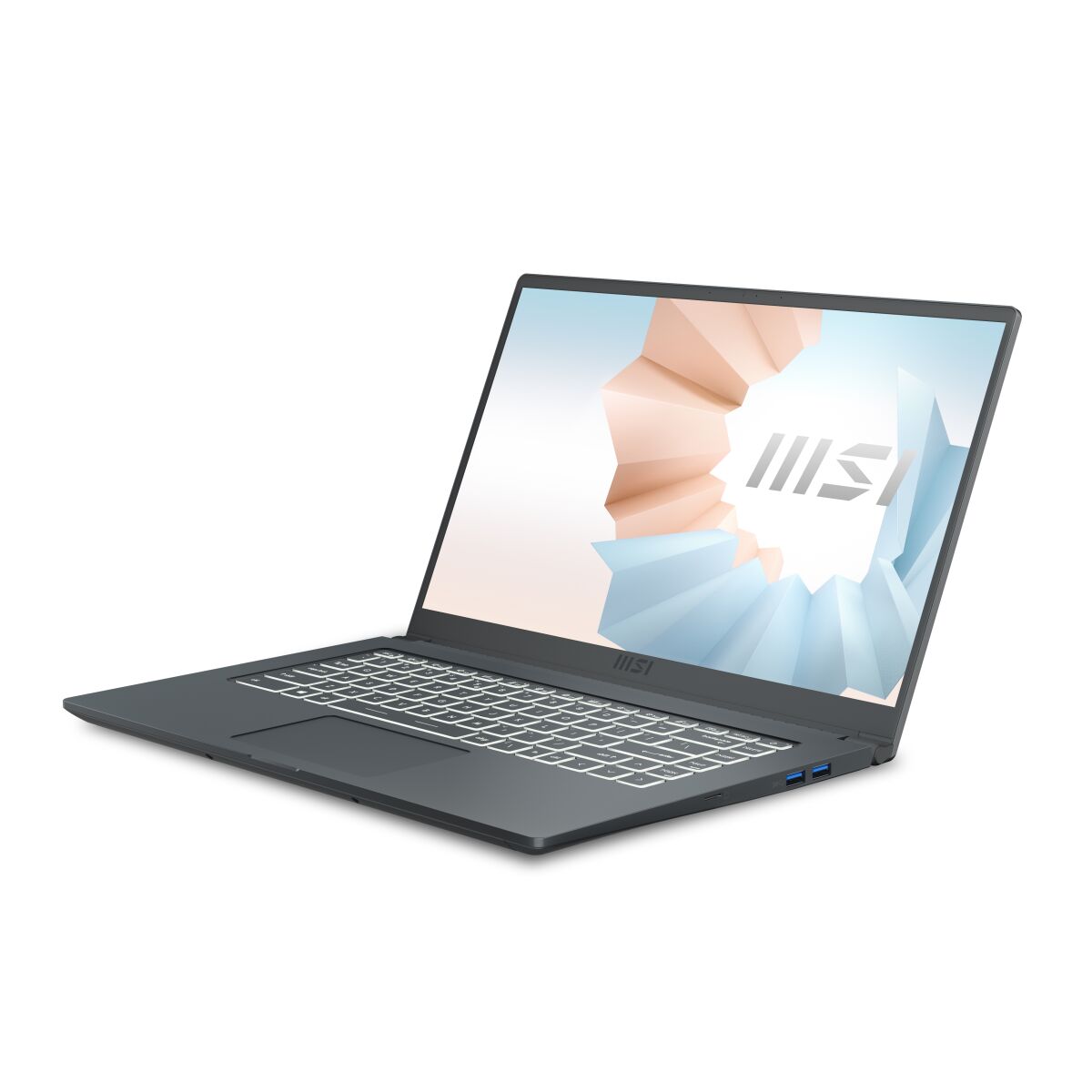
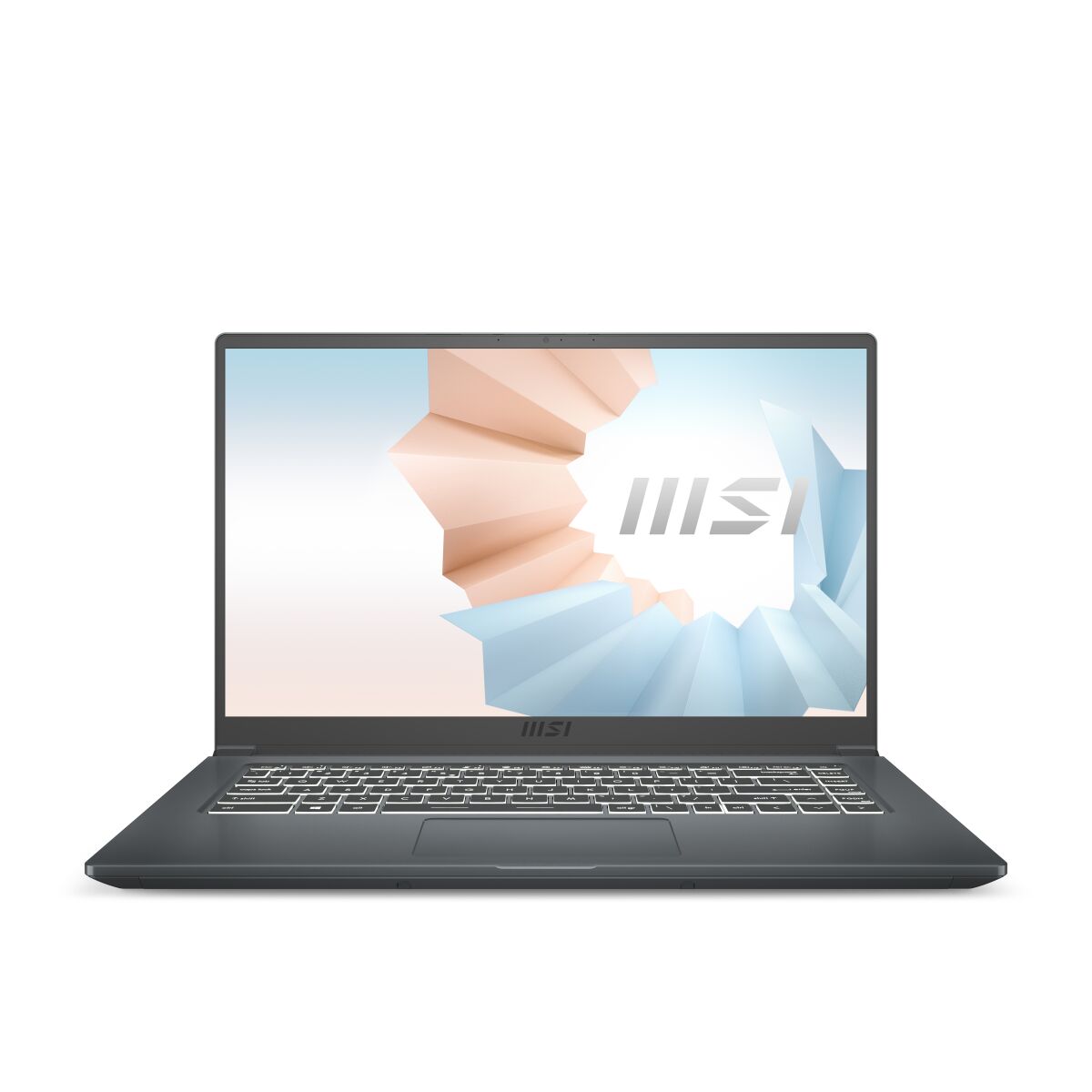
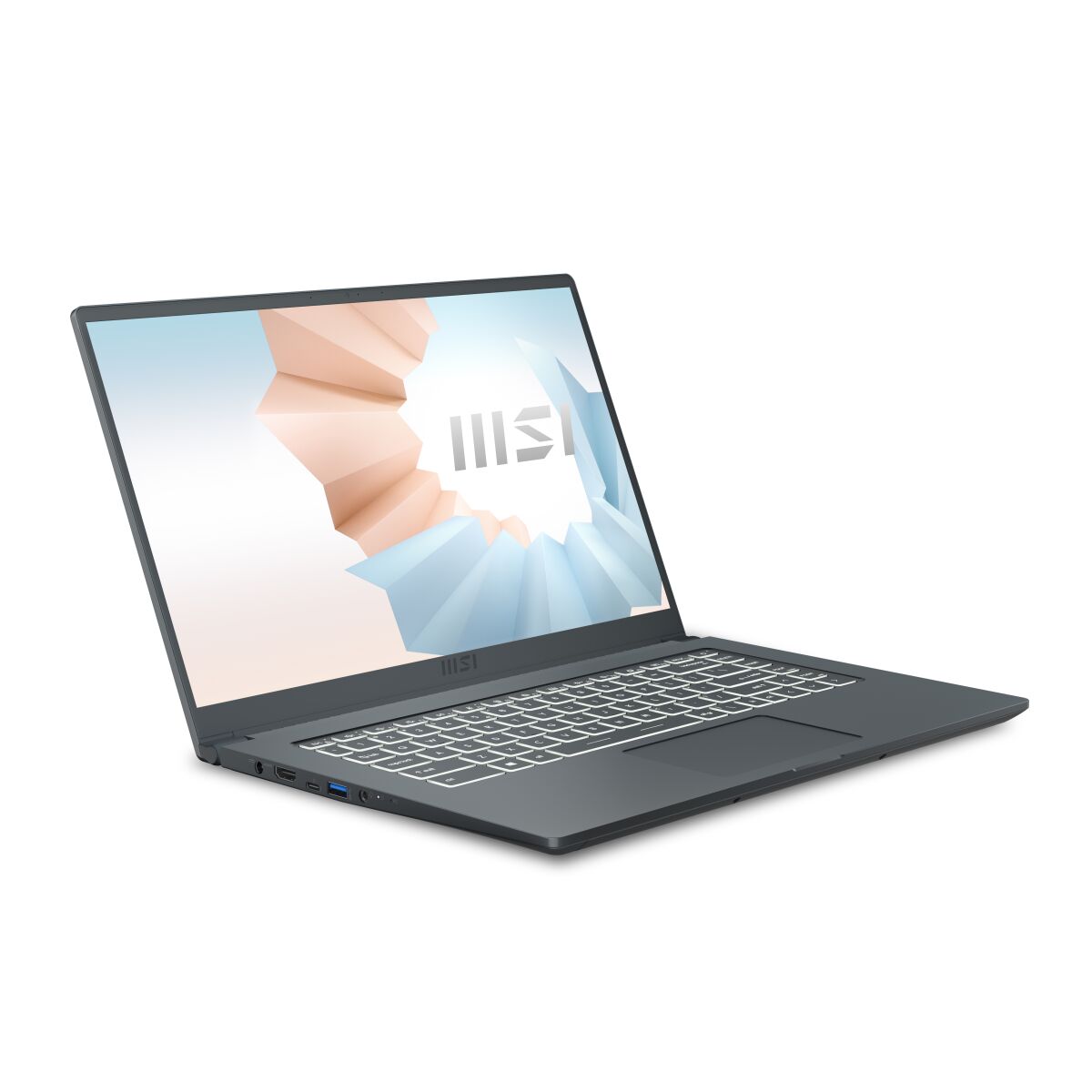

MSI Modern 15 A11MU-1013IT laptop contains two SO-DIMM memory slots supporting DDR4-SDRAM upgrade specifications. Maximum RAM capacity reaches 64 GB with compatible DDR4-3200 MHz modules. Current memory configuration and available slots enable RAM upgrades for enhanced multitasking performance. Compatible memory modules must match SO-DIMM form factor and DDR4-SDRAM specifications. Existing memory may be retained or replaced during upgrade procedures. Specifications support standard laptop memory configurations for the Modern 15 series A11MU generation.
Memory Upgrade Specifications
| Specification | Value |
|---|---|
| Memory slots | 2x SO-DIMM |
| Form factor | SO-DIMM |
| Memory type | DDR4-SDRAM |
| Frequency | 3200 MHz |
| Maximum RAM | 64 GB |
| Voltage | 1.2V |
| Number of pins | 260-pin |
| Interface | PC4 |
| PC Speed Rating | PC4-3200 (PC4-25600) |
| Bandwidth | 25.6 GB/s |
| Laptop Release date | 02 May 2022 |
Additional Notes
- Dual channel memory architecture requires installing matched pairs of modules to achieve maximum theoretical memory bandwidth and optimize integrated graphics performance.
- The presence of 2 physical slots ensures that the factory memory is not soldered to the motherboard, allowing for a total replacement of the original hardware if necessary.
- Upgrading the MSI Modern 15 A11MU-1013IT to the 64 GB threshold necessitates the use of 32 GB high density modules which may require a BIOS update to ensure full addressing stability.
- The system architecture will automatically downclock any modules rated above 3200 MHz to match the internal controller constraints of the 11th generation chipset.
- Installation of memory with lower latency timings might not yield performance gains if the motherboard firmware lacks XMP profile support for manual timing adjustments.
- Accessing the SO-DIMM slots typically involves removing the entire bottom chassis cover, which may involve penetrating a factory seal sticker depending on regional warranty policies.
- Mixing modules of different capacities or ranks can force the system into single channel mode or asynchronous dual channel mode, creating a potential data processing bottleneck.