MSI Modern 15 A11MU-654 RAM upgrade specifications
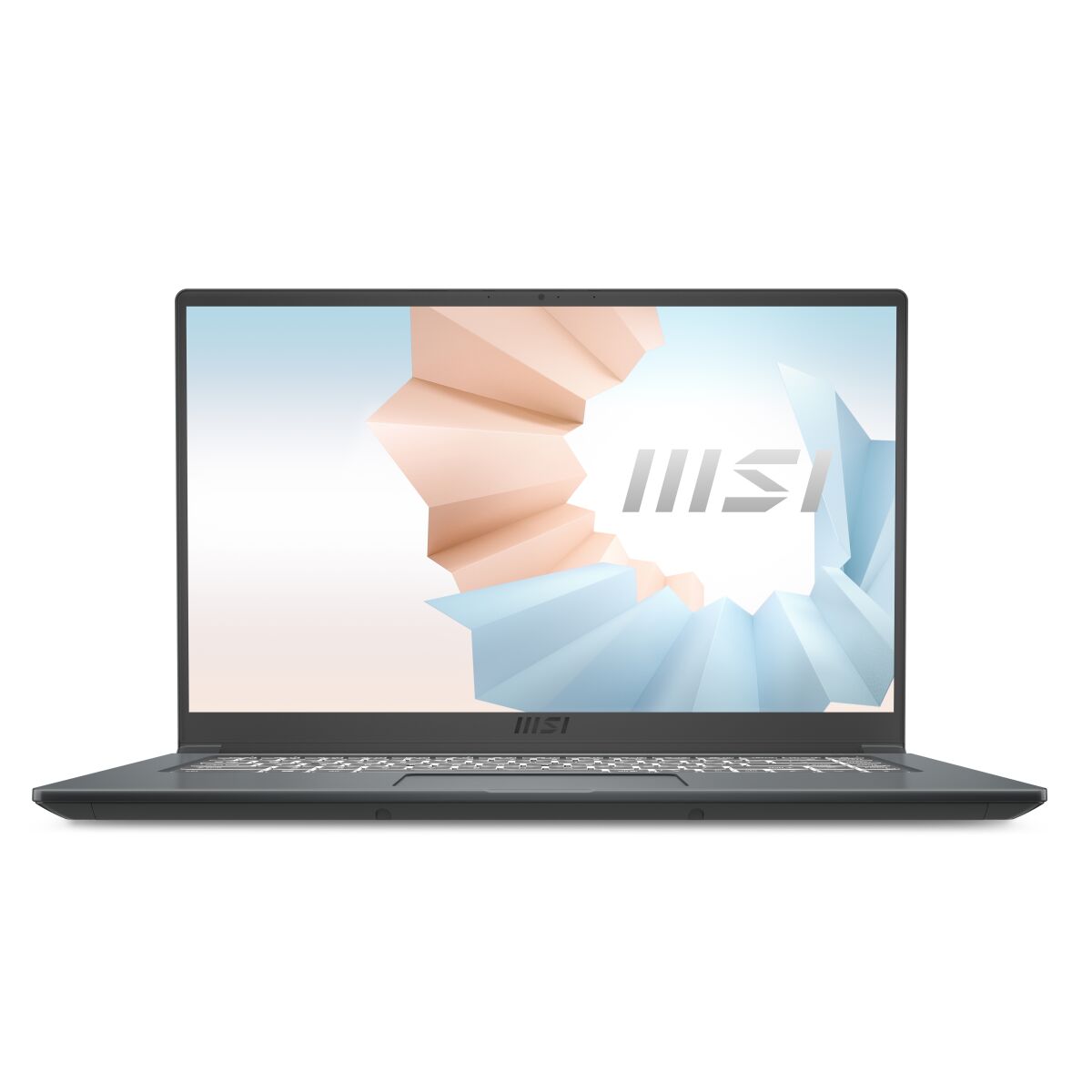
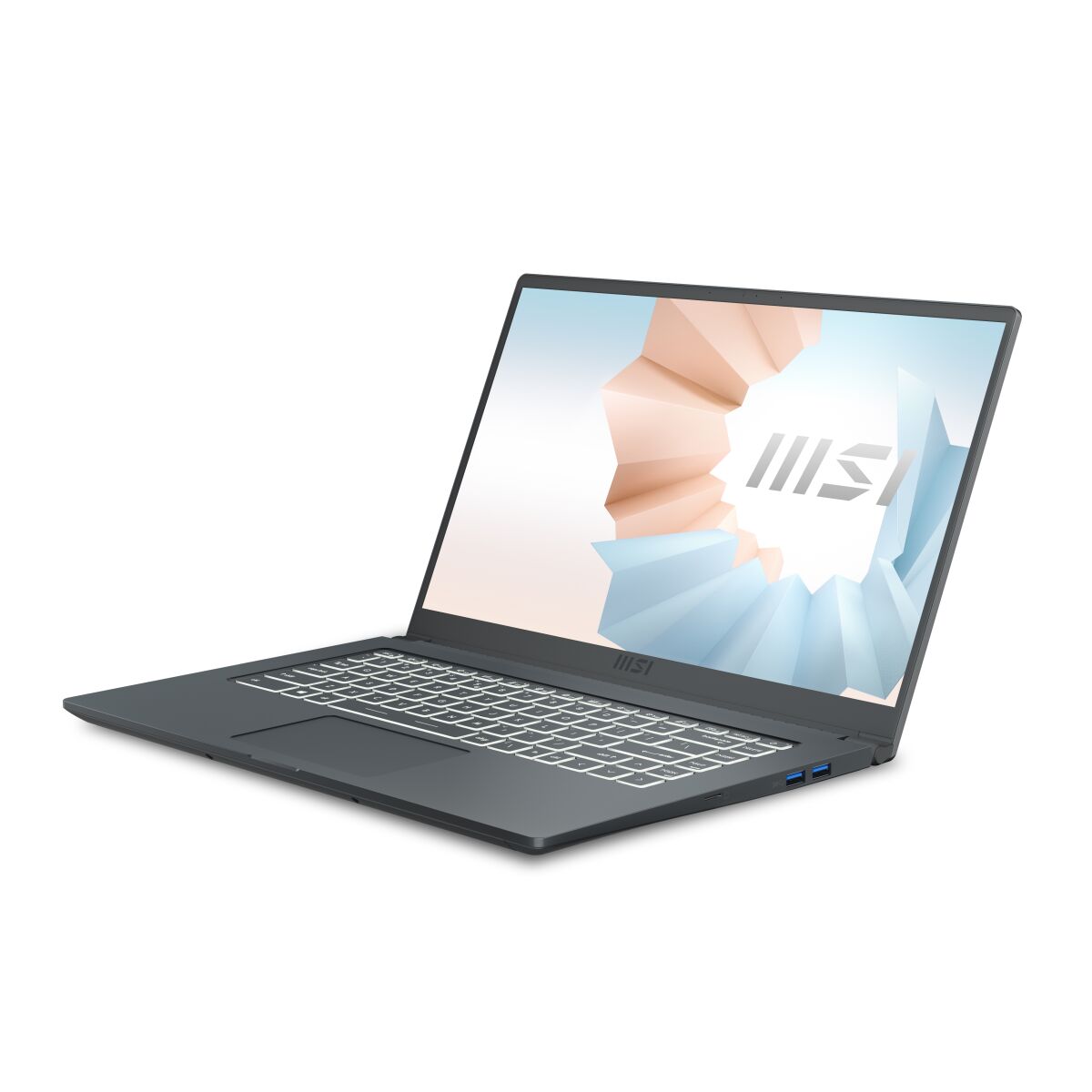
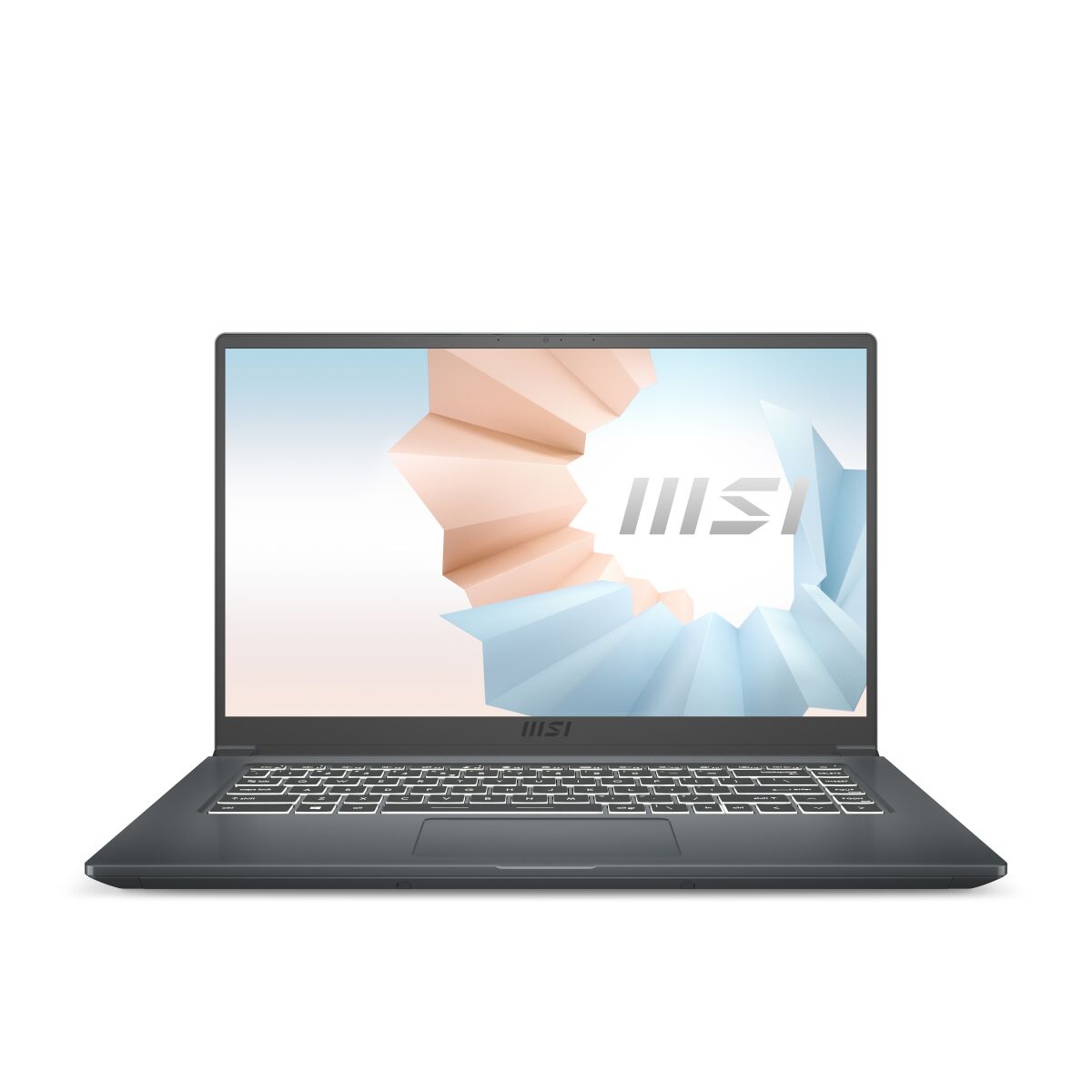
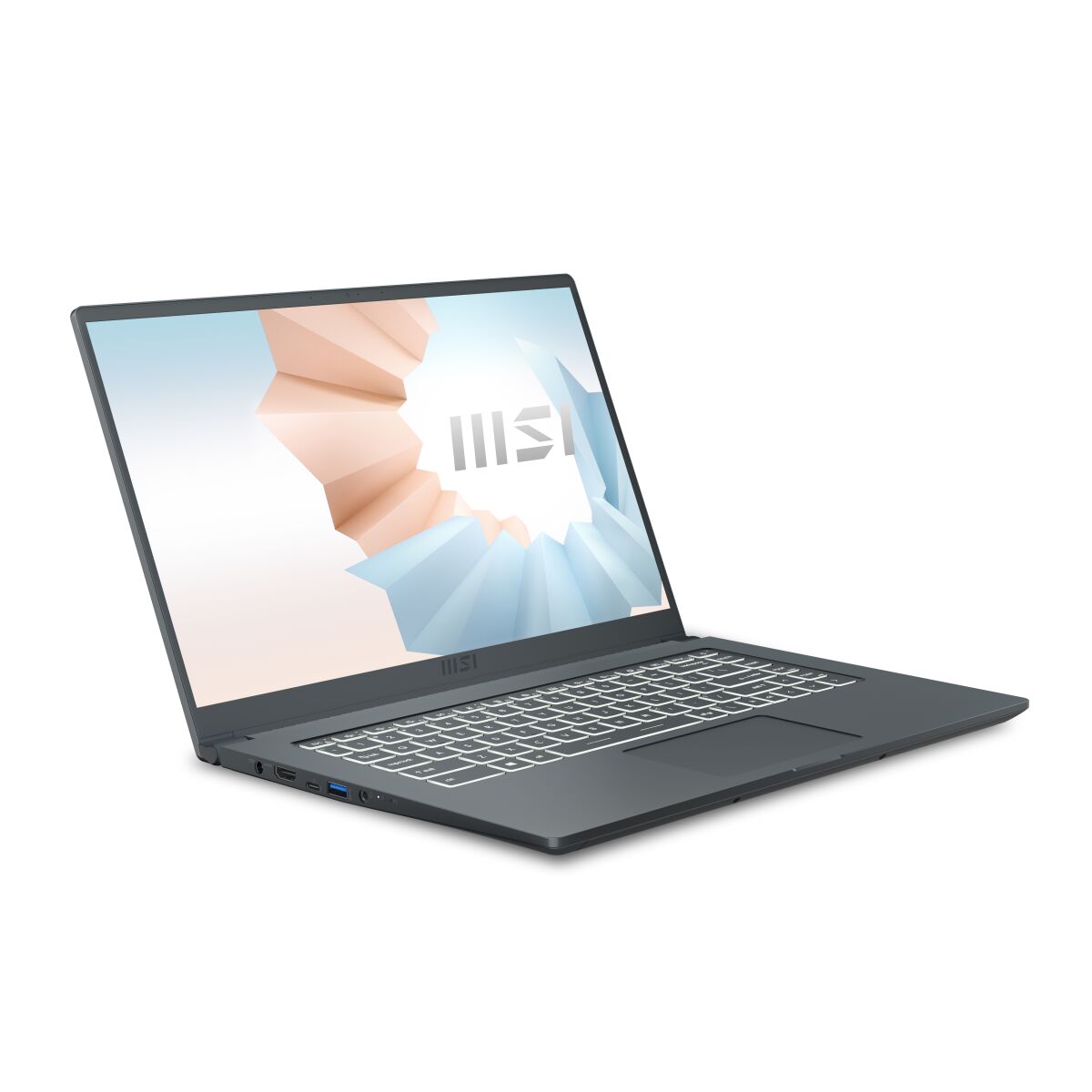
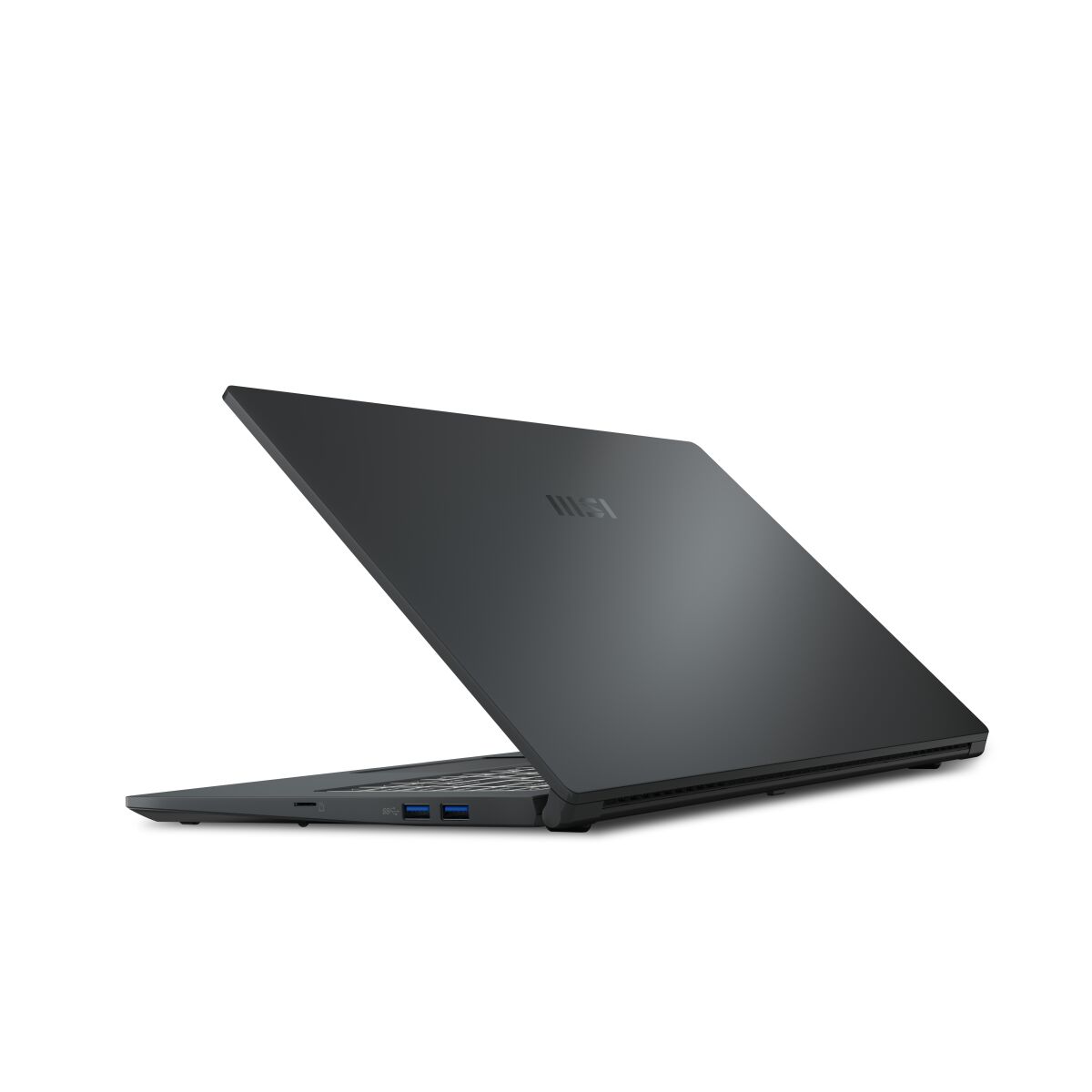
MSI Modern 15 A11MU-654 laptop RAM upgrade specifications include DDR4-SDRAM memory with 2x SO-DIMM slots supporting maximum capacity of 64 GB. Compatible memory modules operate at 3200 MHz frequency. Upgrading memory requires SO-DIMM form factor modules. Specifications define compatible RAM options for expanding memory capacity in MSI Modern 15 A11MU-654 portable computing systems.
Memory Upgrade Specifications
| Specification | Value |
|---|---|
| Memory slots | 2x SO-DIMM |
| Form factor | SO-DIMM |
| Memory type | DDR4-SDRAM |
| Frequency | 3200 MHz |
| Maximum RAM | 64 GB |
| Voltage | 1.2V |
| Number of pins | 260-pin |
| Interface | PC4 |
| PC Speed Rating | PC4-3200 (PC4-25600) |
| Bandwidth | 25.6 GB/s |
| Laptop Release date | 10 October 2021 |
Additional Notes
- The SO-DIMM form factor limits compatibility to laptop-specific modules, which typically cost more per gigabyte than desktop DIMM equivalents and offer fewer vendor options.
- The 3200 MHz specification represents the maximum supported speed under DDR4 standards for this chipset generation, meaning faster modules will downclock to this frequency without performance benefit.
- Dual-channel bandwidth architecture requires matched pairs for optimal throughput, as mismatched module capacities or speeds will force the memory controller to operate in single-channel or flex mode.
- The 64 GB ceiling necessitates 32 GB modules in both slots, limiting future expansion beyond initial configuration since no slots remain available after reaching maximum capacity.
- Intel 11th generation platform compatibility with DDR4-3200 creates a 51.2 GB/s theoretical bandwidth ceiling per channel, though real-world performance depends on motherboard trace design and CPU memory controller quality.
- Non-ECC unbuffered module requirement for the MSI Modern 15 A11MU-654 consumer platform eliminates server-grade memory options, which would fail POST or cause system instability.
- JEDEC SPD profile adherence at 3200 MHz typically operates at 1.2V, while XMP profiles may require BIOS support that consumer laptops often lack, potentially preventing advertised speeds on overclocking-marketed modules.
- CAS latency variations between CL16, CL18, and CL22 modules at 3200 MHz create nanosecond-level differences in access times that affect CPU-bound workloads despite identical frequency ratings.
- Physical installation requires removing the bottom panel, which may void warranty seals on certain regional SKUs unless performed by authorized service centers.
- Single-rank versus dual-rank module topology affects memory interleaving efficiency, with dual-rank configurations sometimes providing 5-15% performance gains in bandwidth-sensitive applications despite identical capacity and frequency.