MSI Modern 15 A11SB-205XIT RAM upgrade specifications

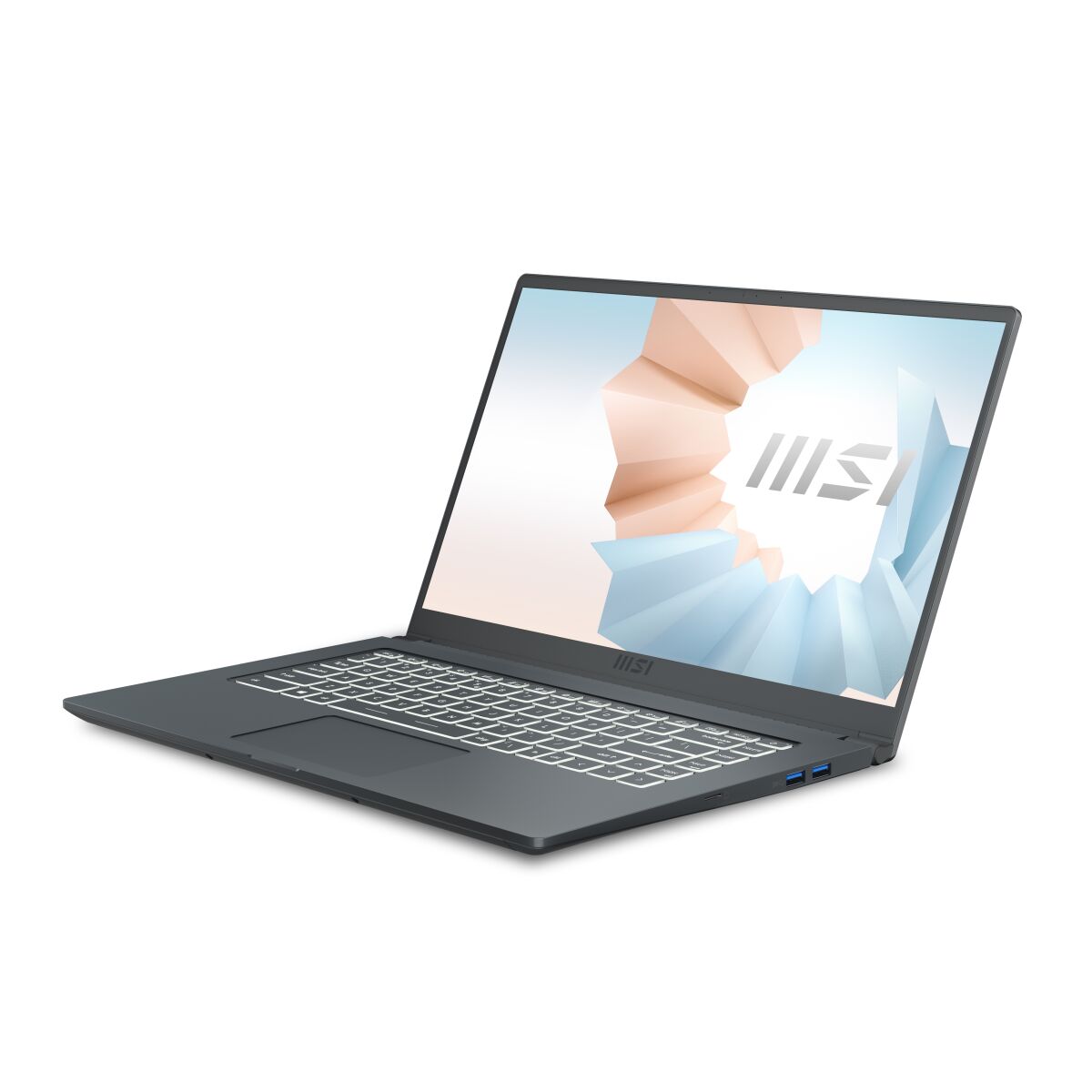


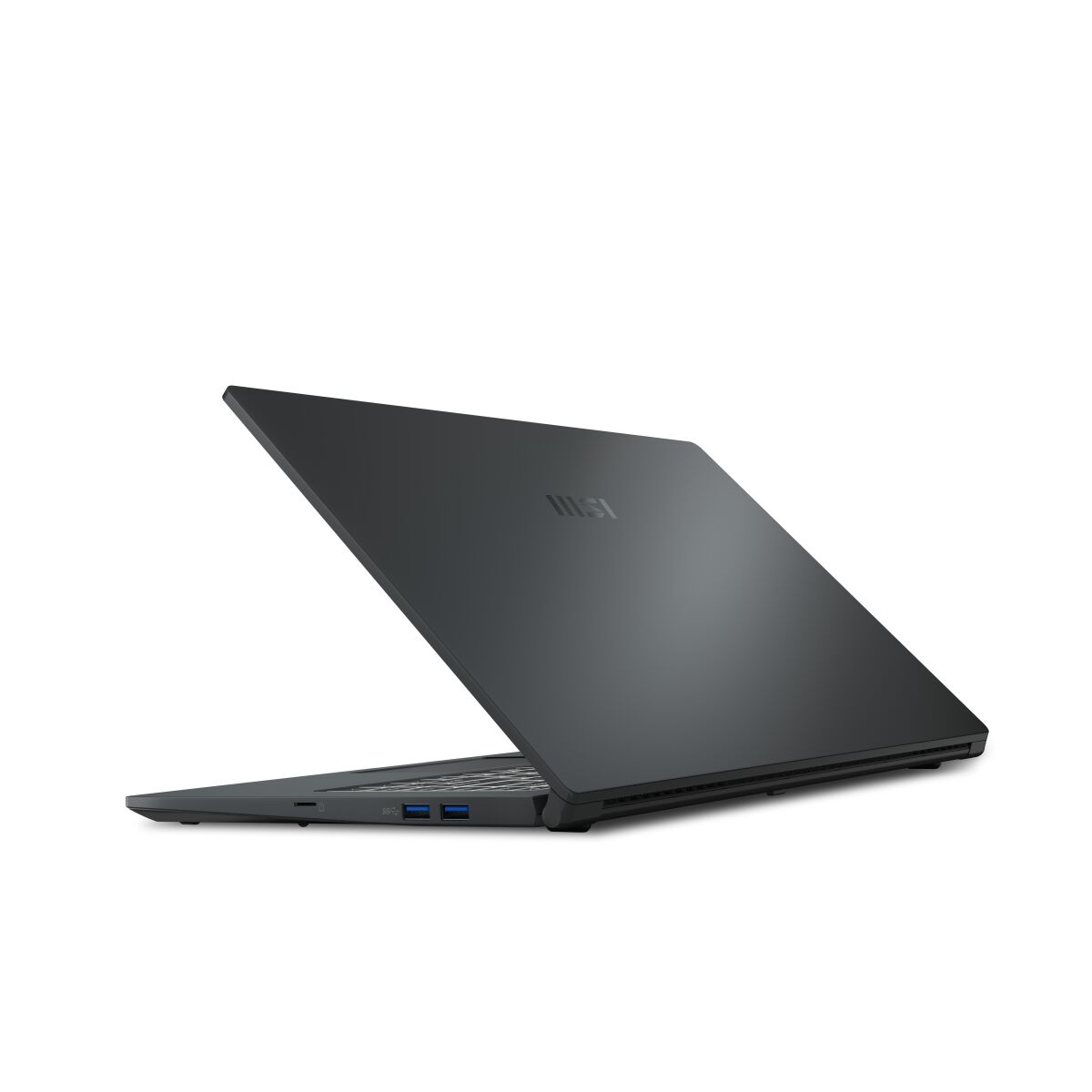
MSI Modern 15 A11SB-205XIT laptop features two SO-DIMM memory slots supporting DDR4-SDRAM upgrades at 3200 MHz frequency. Maximum RAM capacity reaches 64 GB total. The upgrade specifications indicate compatibility with standard DDR4 SO-DIMM modules. Users considering memory expansion should reference these technical specifications for compatible RAM installations on the 15 A11SB-205XIT model.
Memory Upgrade Specifications
| Specification | Value |
|---|---|
| Memory slots | 2x SO-DIMM |
| Form factor | SO-DIMM |
| Memory type | DDR4-SDRAM |
| Frequency | 3200 MHz |
| Maximum RAM | 64 GB |
| Voltage | 1.2V |
| Number of pins | 260-pin |
| Interface | PC4 |
| PC Speed Rating | PC4-3200 (PC4-25600) |
| Bandwidth | 25.6 GB/s |
| Laptop Release date | 16 January 2021 |
Additional Notes
- The MSI Modern 15 A11SB-205XIT utilizes standard 260-pin SO-DIMM modules, which differ physically from desktop DIMM form factors and cannot be interchanged.
- Dual-channel memory architecture requires matched pairs in both slots to achieve maximum bandwidth of 51.2 GB/s, while single module configurations will operate in reduced-performance single-channel mode.
- The 64 GB maximum capacity indicates chipset-level limitations that prevent recognition of higher-density modules even if physically compatible.
- Native 3200 MHz operation depends on JEDEC SPD profiles; modules rated above this frequency through XMP or other overclocking profiles may default to lower speeds without BIOS support.
- Mixing modules with different speeds forces all installed memory to operate at the lowest common frequency, potentially underutilizing faster components.
- Access to SO-DIMM slots typically requires bottom panel removal, which may involve breaking security seals that affect warranty coverage depending on regional consumer protection laws.
- DDR4 SO-DIMM operates at 1.2V standard voltage, while older DDR3L modules use different keying notches that physically prevent incorrect installation despite similar dimensions.
- CAS latency variations between modules can cause instability even when frequencies match, particularly with mixed-brand configurations.
- The 3200 MHz specification represents the upper limit of this generation's controller capability; faster DDR4 standards remain incompatible regardless of module availability.
- Populated slots determine thermal behavior, as occupied memory positions affect airflow patterns within the chassis and may influence sustained performance under load.