MSI Prestige A10SC-014 RAM upgrade specifications
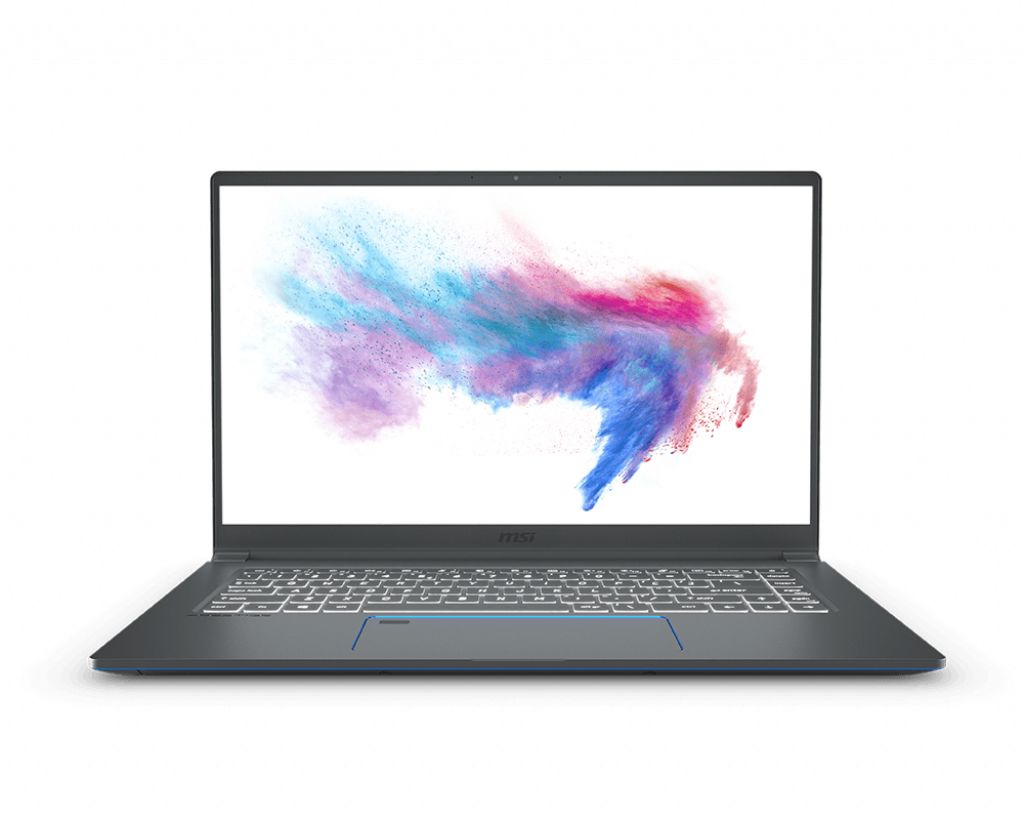
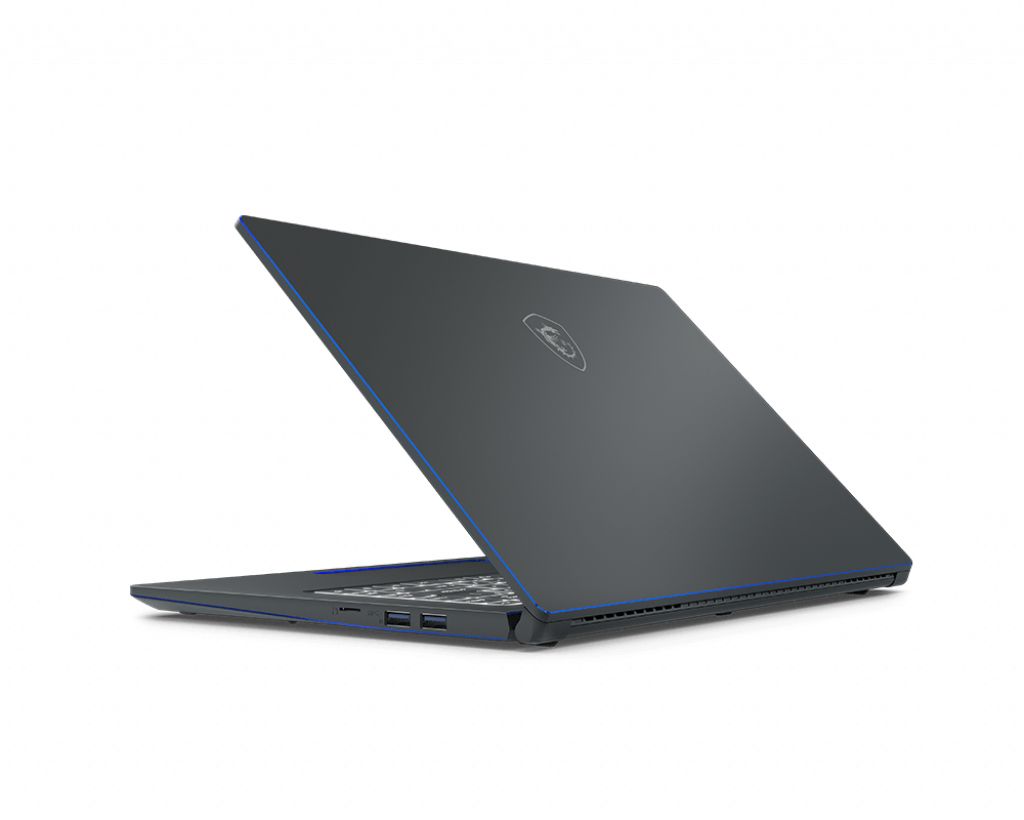
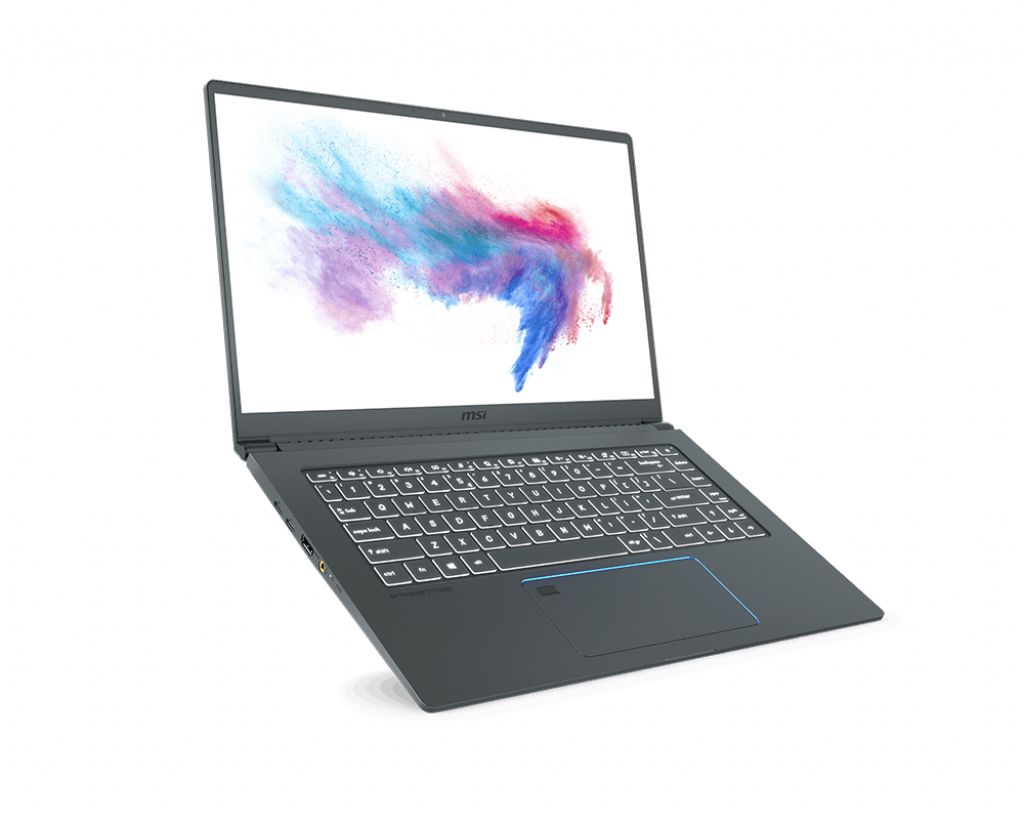
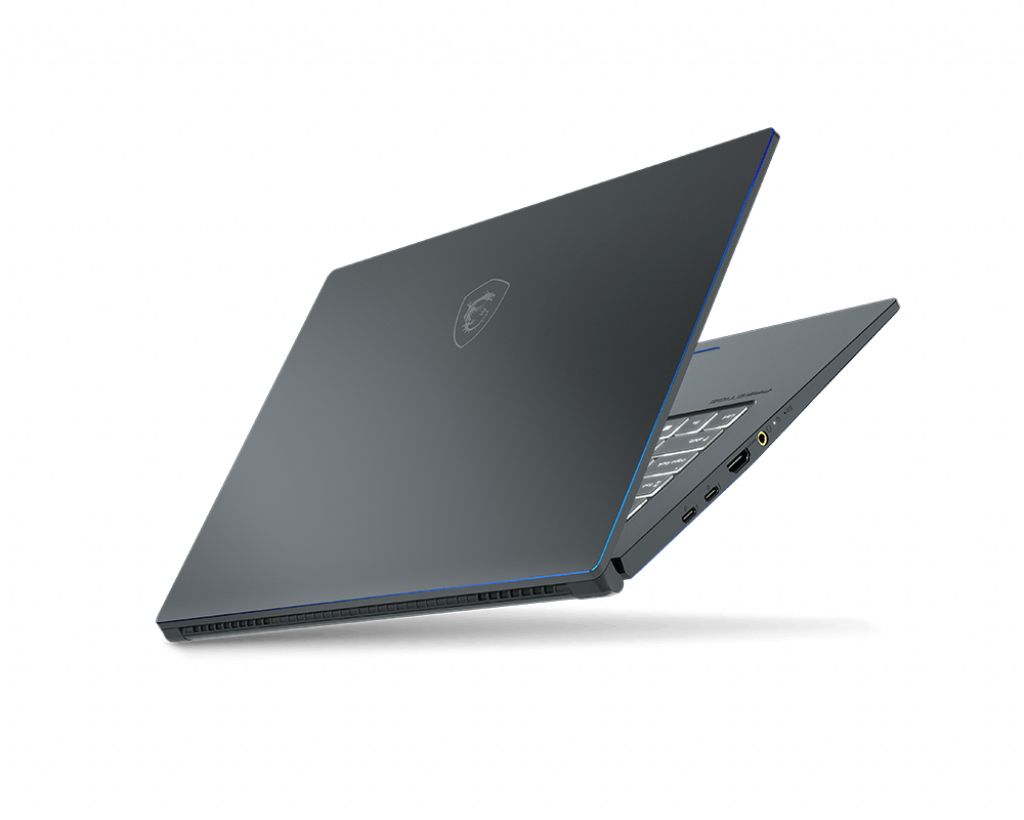
The MSI Prestige 15 A10SC-014 laptop features DDR4-SDRAM memory with 2x SO-DIMM slots for RAM upgrades. Maximum memory capacity reaches 64 GB total. Compatible SO-DIMM modules operate at 2666 MHz frequency. Specifications enable memory expansion from factory-installed configurations to support enhanced multitasking and resource-intensive applications. Upgrade options allow users to increase available memory capacity within the maximum supported threshold of 64 GB per SO-DIMM slot configuration.
Memory Upgrade Specifications
| Specification | Value |
|---|---|
| Memory slots | 2x SO-DIMM |
| Form factor | SO-DIMM |
| Memory type | DDR4-SDRAM |
| Frequency | 2666 MHz |
| Maximum RAM | 64 GB |
| Voltage | 1.2V |
| Number of pins | 260-pin |
| Interface | PC4 |
| PC Speed Rating | PC4-2666 (PC4-21328) |
| Bandwidth | 21.3 GB/s |
| Laptop Release date | 19 October 2019 |
Additional Notes
- The presence of 2 physical SO-DIMM slots implies that memory operates in a dual channel configuration when both slots are populated with identical modules, doubling the theoretical memory bandwidth compared to a single module.
- The maximum capacity of 64 GB requires the use of 2 high density 32 GB modules, as the internal architecture does not support larger individual capacities.
- Installation of faster memory modules such as 3200 MHz variants will result in a forced downclock to 2666 MHz due to hardware controller limitations inherent to the MSI Prestige A10SC-014 platform.
- Upgrading memory requires the removal of the entire bottom chassis panel, which may involve piercing a factory seal sticker and necessitates the use of non conductive prying tools to avoid shorting internal components.
- Compatibility is restricted to unbuffered, non ECC modules, meaning server grade registered memory will prevent the system from completing the power on self test.
- Because the system utilizes SODIMM slots rather than soldered memory, both factory modules can be replaced, allowing for a symmetrical latency match across the entire addressable memory space.