MSI Prestige P65 8RE-056IT Creator RAM upgrade specifications

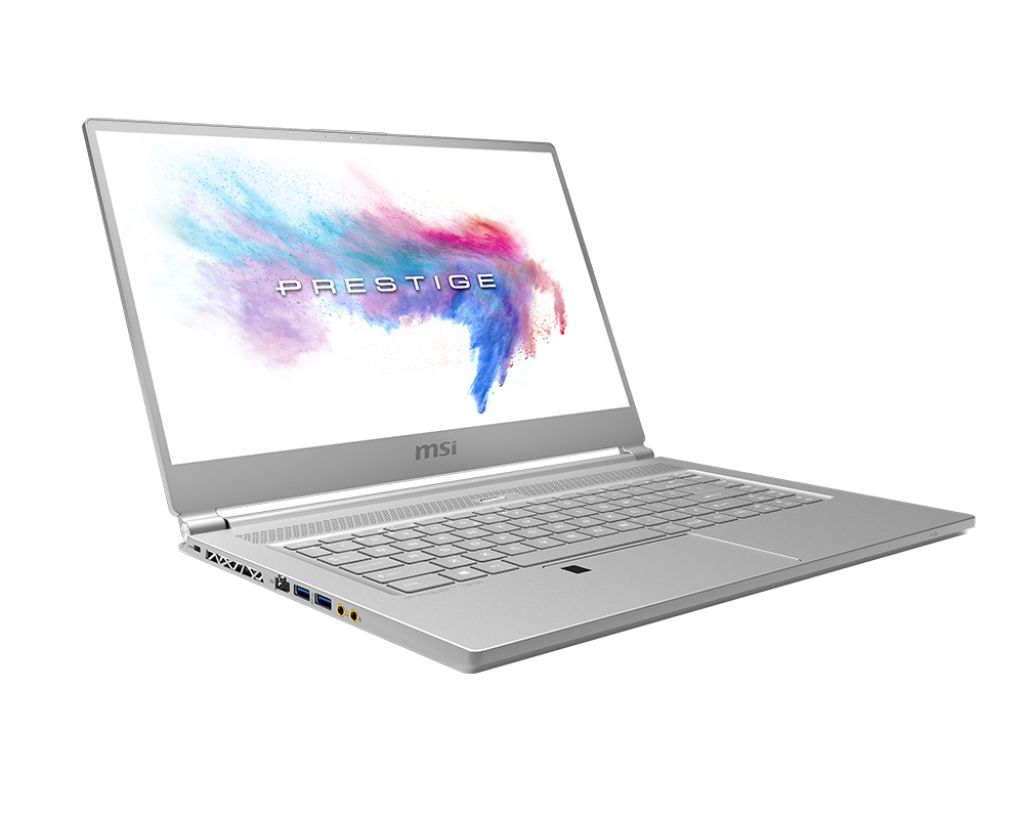
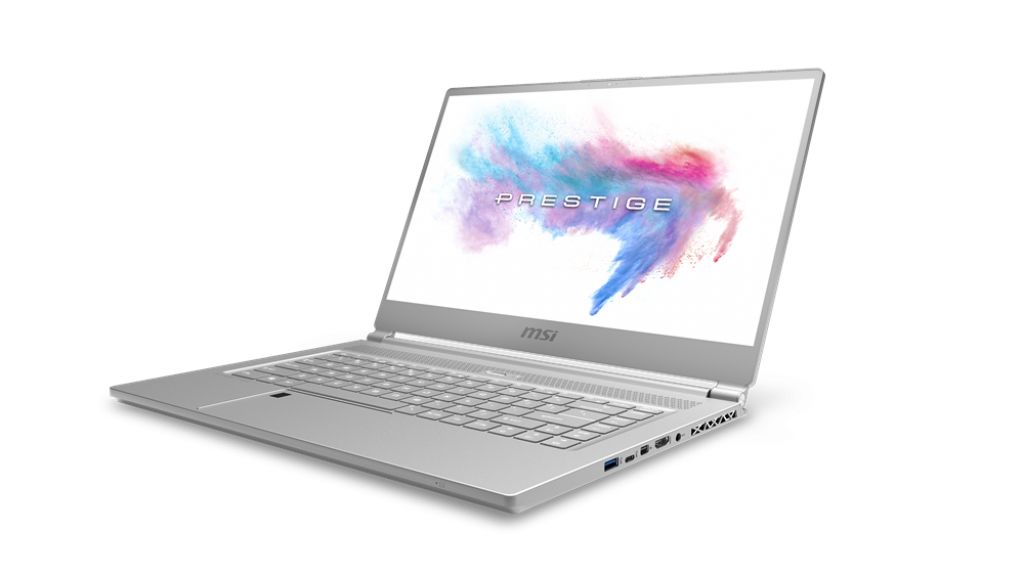
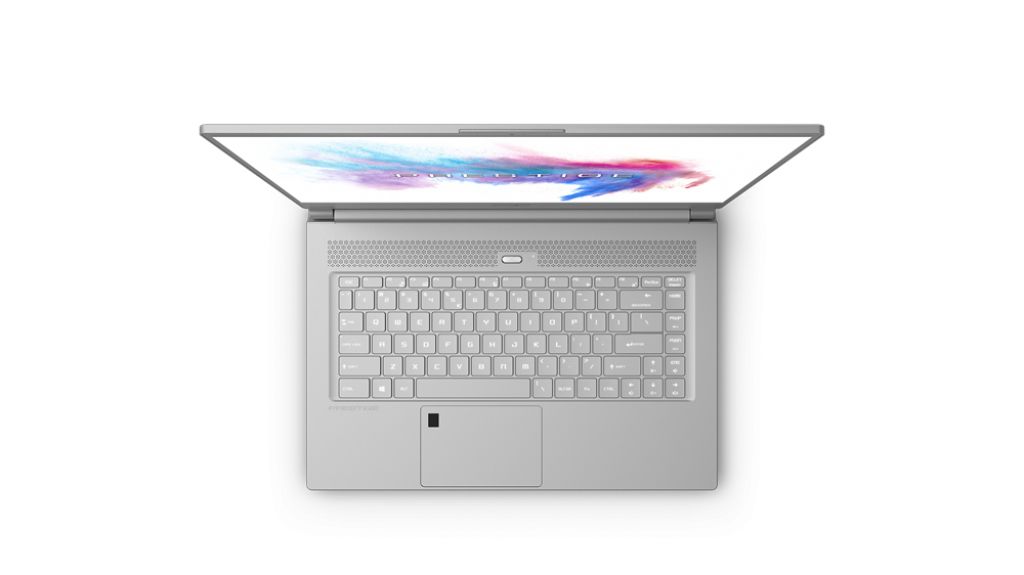
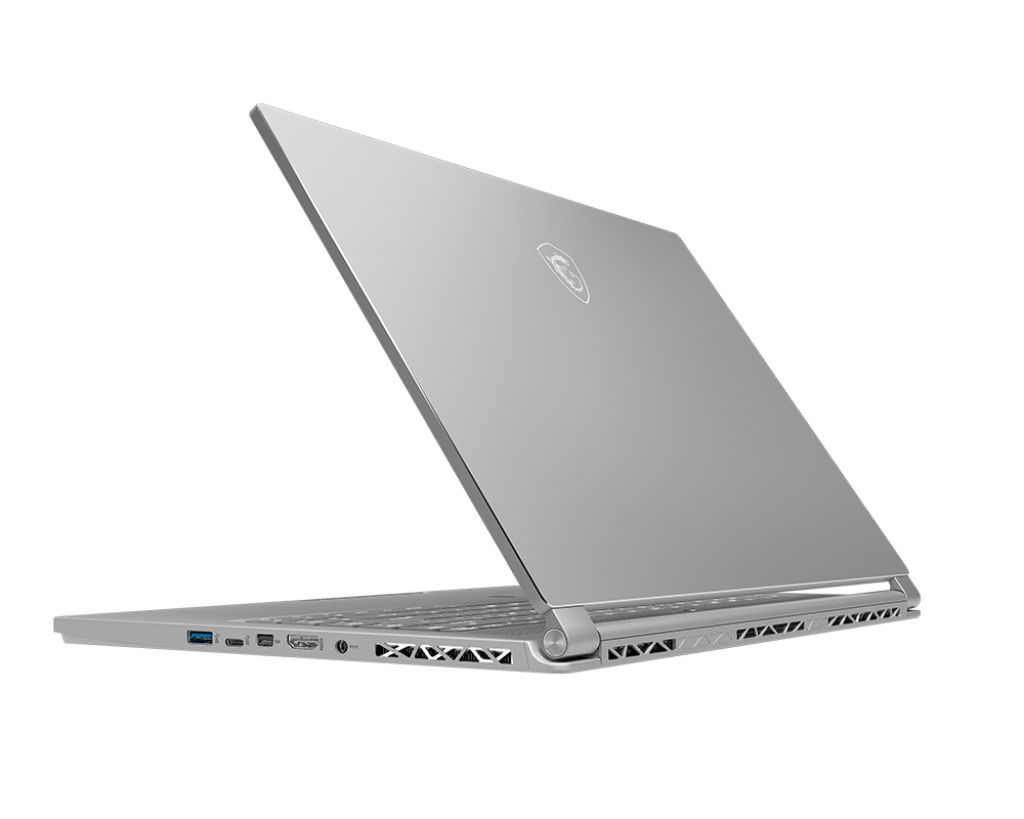
MSI Prestige P65 8RE-056IT Creator laptop features two SO-DIMM slots for memory upgrade. Compatible RAM specifications include DDR4-SDRAM modules operating at 2666 MHz frequency. Maximum memory capacity supported reaches 32 GB total. Current upgrade slots accommodate standard SO-DIMM form factor modules. Memory specifications and compatible upgrade options are detailed in official MSI documentation for the P65 8RE-056IT Creator model within the Prestige series.
Memory Upgrade Specifications
| Specification | Value |
|---|---|
| Memory slots | 2x SO-DIMM |
| Form factor | SO-DIMM |
| Memory type | DDR4-SDRAM |
| Frequency | 2666 MHz |
| Maximum RAM | 32 GB |
| Voltage | 1.2V |
| Number of pins | 260-pin |
| Interface | PC4 |
| PC Speed Rating | PC4-2666 (PC4-21328) |
| Bandwidth | 21.3 GB/s |
| Laptop Release date | 12 September 2019 |
Additional Notes
- The MSI Prestige P65 8RE-056IT Creator accepts only DDR4 SO-DIMM modules, excluding desktop-sized DIMM memory sticks that physically will not fit the smaller notebook slots.
- The 32 GB maximum capacity limit stems from the chipset architecture, meaning a 2x16 GB configuration represents the ceiling regardless of whether higher-density modules become available.
- Installing mismatched module speeds will force all installed memory to downclock to the slowest stick's frequency, creating a performance bottleneck even if faster 3200 MHz modules are installed.
- The dual-channel architecture requires identical capacity modules in both slots to achieve full bandwidth, as asymmetrical configurations will operate in single-channel mode for the unpaired portion.
- SO-DIMM module height typically does not present clearance issues in this form factor, but low-profile specifications remain irrelevant for laptop installations unlike desktop tower builds.
- The 2666 MHz native frequency operates without requiring XMP profile activation, as laptop memory controllers typically lack overclocking features common in desktop platforms.
- Voltage compatibility requires DDR4 modules operating at the standard 1.2V specification, as higher-voltage enthusiast modules designed for desktop overclocking may cause stability issues or rejection by the system BIOS.
- The dual-slot configuration permits incremental upgrades starting with a single module, though this approach sacrifices half the available memory bandwidth until the second slot is populated with a matching stick.
- Memory installed in these slots will share thermal conditions with adjacent components like the M.2 storage drive, where simultaneous high loads may impact sustained performance under thermally constrained scenarios.
- The configuration lacks support for ECC unbuffered modules, limiting deployment in applications requiring error-correcting code memory despite the professional Creator branding.