MSI Prestige P75 9SD-658RU Creator RAM upgrade specifications



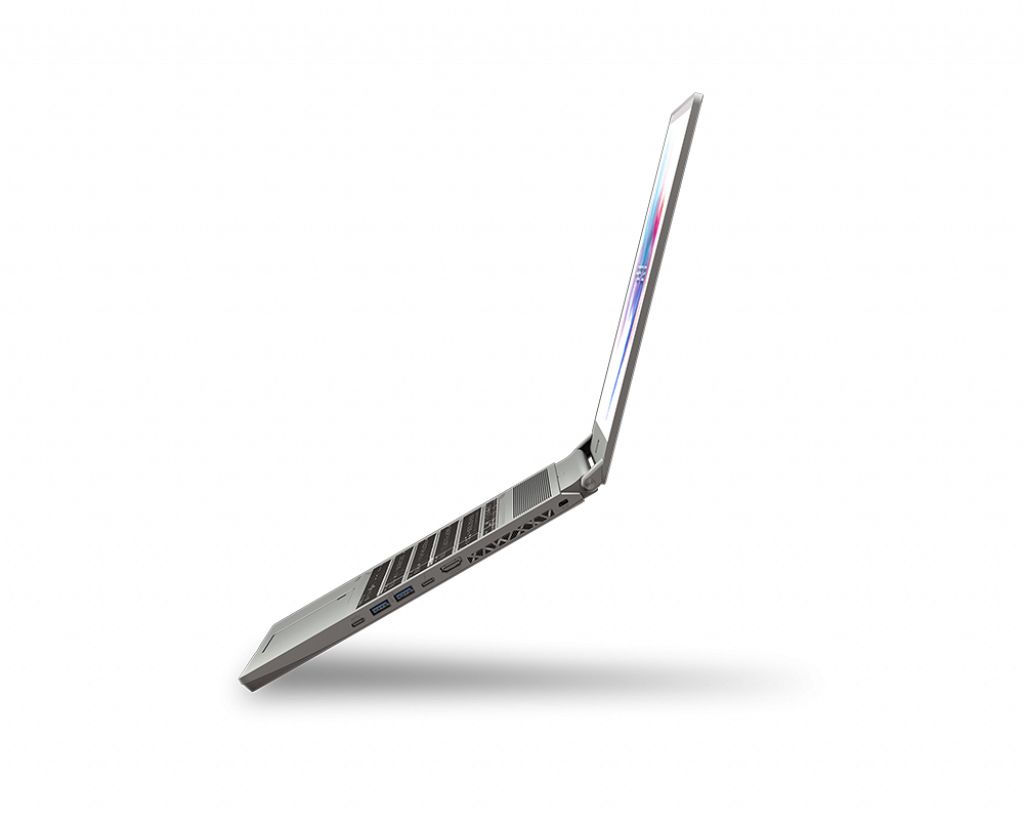

The MSI Prestige P series P75 9SD-658RU Creator laptop features DDR4-SDRAM memory upgrade specifications with two SO-DIMM slots supporting maximum capacity of 64 GB. Compatible RAM modules operate at 2666 MHz frequency. The upgrade specifications allow for dual-channel memory configuration, with each slot accepting SO-DIMM form factor modules. Maximum supported memory capacity reaches 64 GB when both slots are fully populated with compatible DDR4 modules.
Memory Upgrade Specifications
| Specification | Value |
|---|---|
| Memory slots | 2x SO-DIMM |
| Form factor | SO-DIMM |
| Memory type | DDR4-SDRAM |
| Frequency | 2666 MHz |
| Maximum RAM | 64 GB |
| Voltage | 1.2V |
| Number of pins | 260-pin |
| Interface | PC4 |
| PC Speed Rating | PC4-2666 (PC4-21328) |
| Bandwidth | 21.3 GB/s |
| Laptop Release date | 15 July 2019 |
Additional Notes
- The MSI Prestige P75 9SD-658RU Creator supports DDR4-2666 MHz memory, which operates 734 MHz below the DDR4-3400 standard achievable on compatible 9th-generation mobile platforms, indicating the system implements frequency constraints that will persist regardless of module specifications.
- SO-DIMM slot configuration with 2 available slots establishes a hard ceiling of 64 GB total capacity; users cannot exceed this limit through single-module substitution, and maximum density requires both slots populated with 32 GB modules.
- Installation of modules exceeding the manufacturer's maximum rating will not function at rated speeds and may trigger BIOS warnings or instability, as firmware typically enforces SPD-based frequency locks incompatible with higher-spec DDR4 variants.
- Upgrading from factory configuration requires removal of existing SO-DIMM modules from retention clips; failure to fully disengage retention mechanisms during extraction creates risk of socket damage that nullifies warranty coverage for subsequent hardware failures.
- DDR4-2666 MHz bandwidth throughput reaches approximately 21.3 GB/s per channel, constraining content creator workloads involving real-time 4K video processing or large dataset manipulation where higher-frequency alternatives would reduce render times.
- Memory upgrade pathways remain limited to DDR4 SO-DIMM modules; no migration pathway exists to DDR5 technology without motherboard-level replacement, effectively locking the system to DDR4 architecture for its operational lifespan.