MSI Prestige P75 9SE-1083NL Creator RAM upgrade specifications



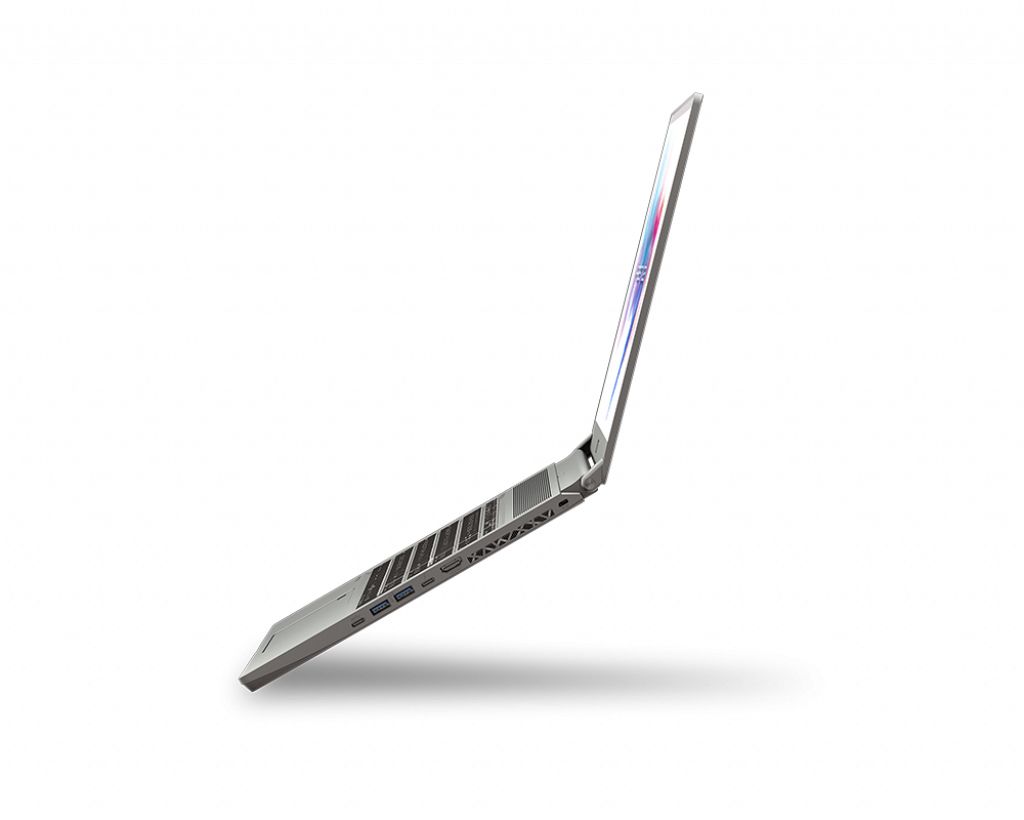

The MSI Prestige P75 9SE-1083NL Creator laptop features DDR4-SDRAM memory upgrade capabilities with two SO-DIMM slots supporting maximum capacity of 64 GB. Compatible memory modules operate at 2666 MHz frequency. Specifications indicate each slot accommodates SO-DIMM form factor components. The system supports RAM upgrades for users requiring enhanced multitasking and content creation performance on this Creator-class mobile workstation.
Memory Upgrade Specifications
| Specification | Value |
|---|---|
| Memory slots | 2x SO-DIMM |
| Form factor | SO-DIMM |
| Memory type | DDR4-SDRAM |
| Frequency | 2666 MHz |
| Maximum RAM | 64 GB |
| Voltage | 1.2V |
| Number of pins | 260-pin |
| Interface | PC4 |
| PC Speed Rating | PC4-2666 (PC4-21328) |
| Bandwidth | 21.3 GB/s |
| Laptop Release date | 23 October 2019 |
Additional Notes
- The MSI Prestige P75 9SE-1083NL Creator supports dual-channel memory architecture through its 2 SO-DIMM slots, enabling doubled theoretical bandwidth compared to single-channel configurations when populated with matched pairs.
- Installation requires 260-pin SO-DIMM modules specifically, as standard 288-pin desktop DIMM modules are physically incompatible with the smaller notebook form factor.
- The 64 GB maximum capacity constraint indicates a per-slot limitation of 32 GB, meaning memory kits with individual modules exceeding this density will fail to initialize or operate unstably.
- The 2666 MHz frequency represents DDR4-2666 specification (PC4-21300), delivering 21.3 GB/s theoretical bandwidth per channel or 42.6 GB/s in dual-channel mode.
- Modules rated at higher frequencies such as 3200 MHz will function but downclock to 2666 MHz, as the memory controller enforces the maximum supported speed regardless of module capabilities.
- Non-ECC unbuffered RAM is required for this platform, as SO-DIMM ECC or registered modules designed for workstation systems will create compatibility conflicts.
- Upgrading from factory configurations typically requires accessing the bottom panel, and warranty preservation depends on whether the manufacturer classifies RAM as a customer-accessible component.
- Mixing modules with different speeds, timings, or densities may force the system to operate at the lowest common denominator settings or prevent POST completion entirely.
- The DDR4 voltage standard of 1.2V applies, meaning XMP profiles requiring elevated voltages may not activate if the BIOS lacks manual voltage adjustment options.
- Single-rank versus dual-rank module architecture affects performance minimally at this frequency, though dual-rank configurations can provide marginal bandwidth improvements in specific workloads.