MSI Prestige P75 9SE-455RU Creator RAM upgrade specifications
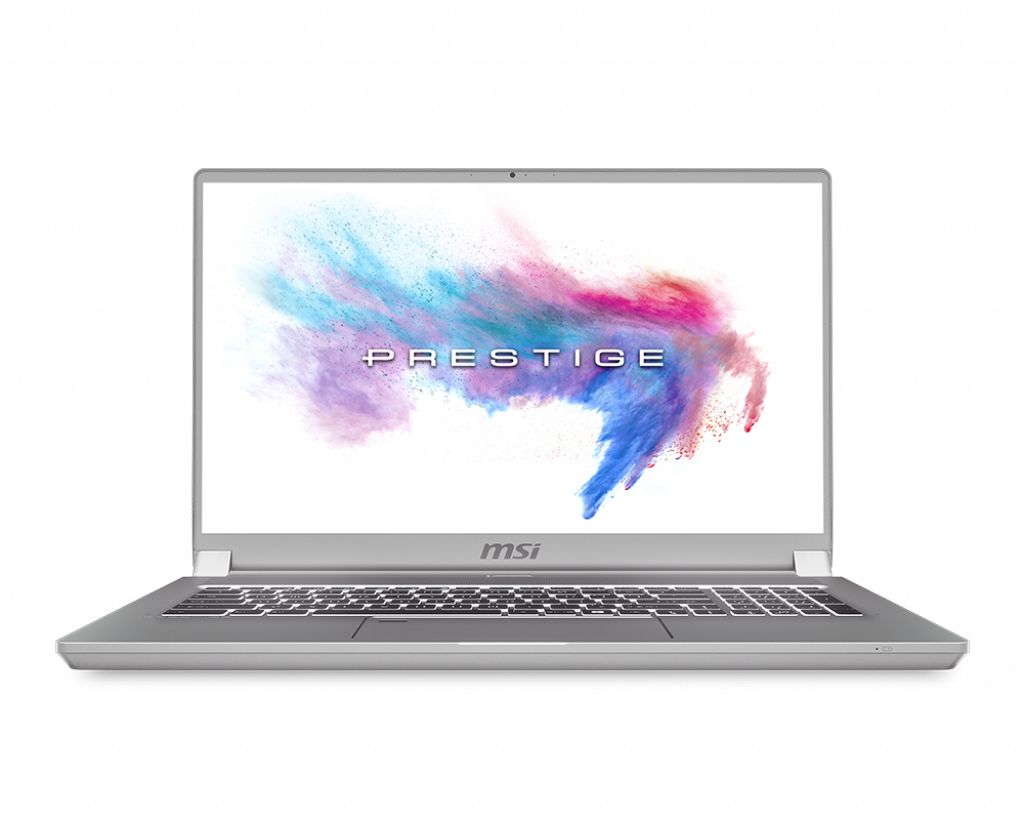
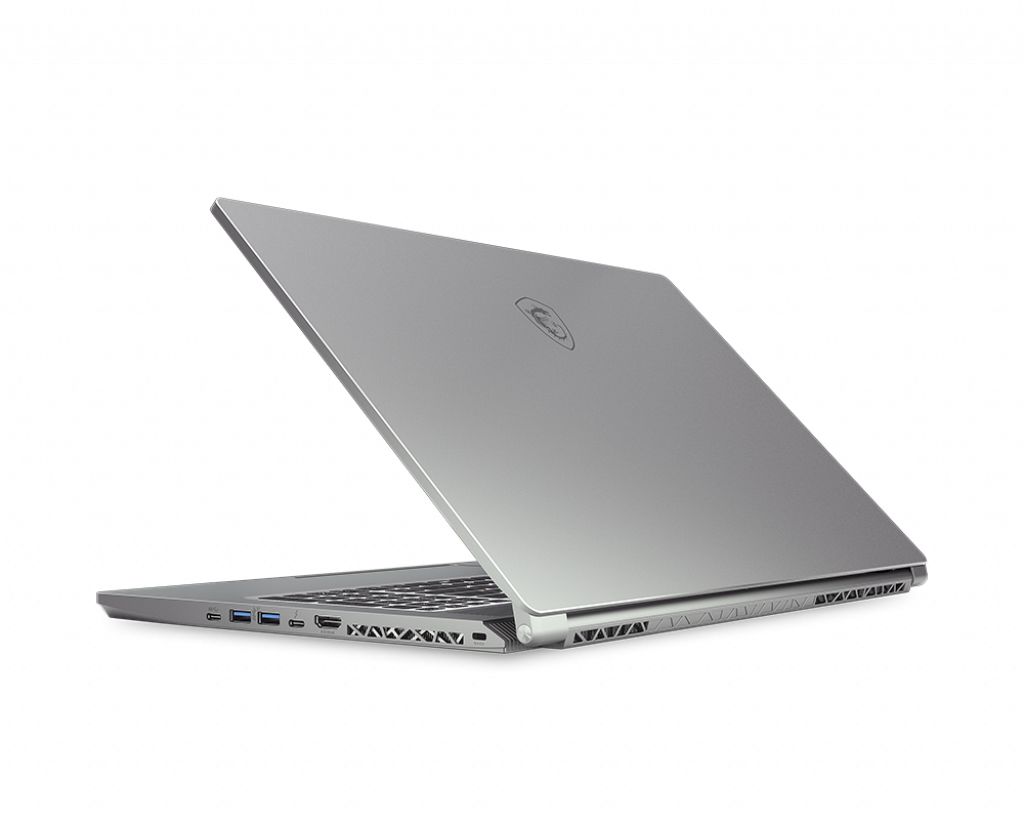
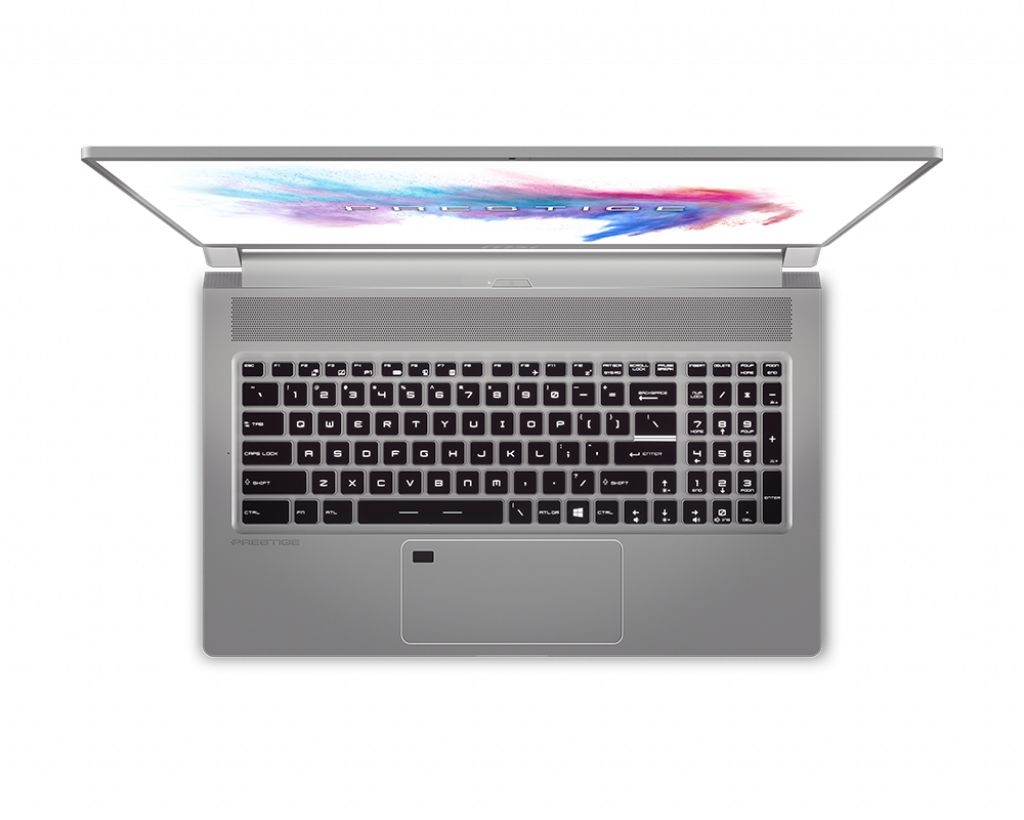
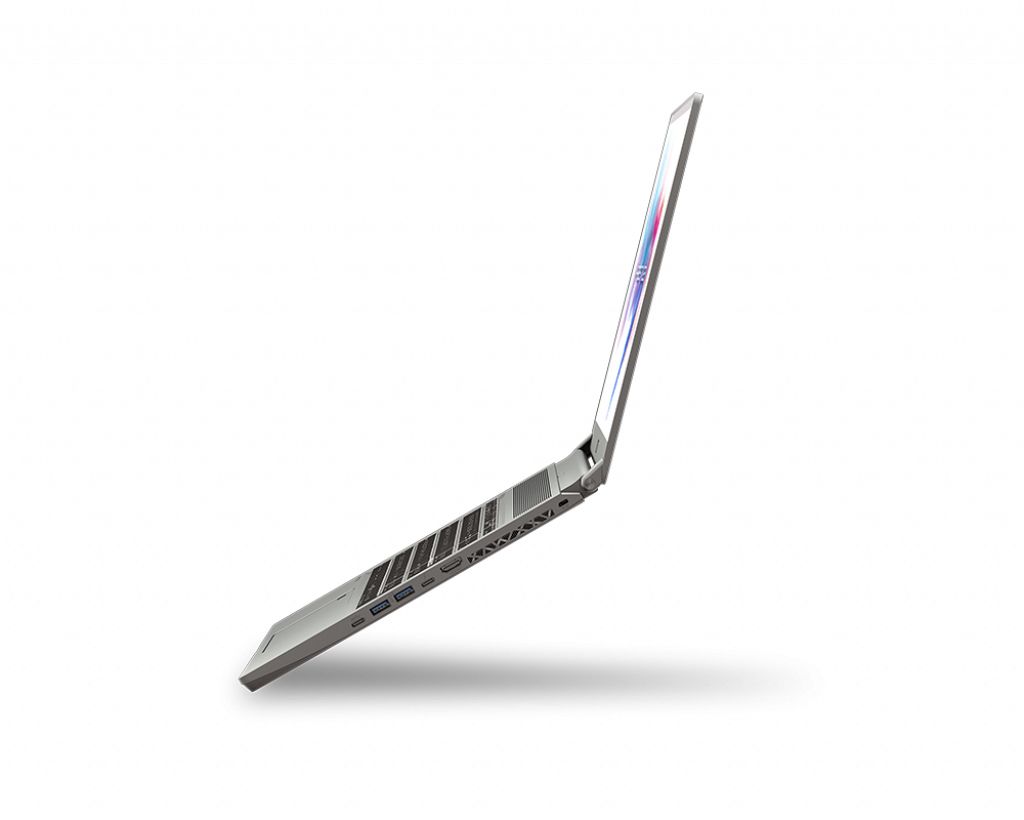
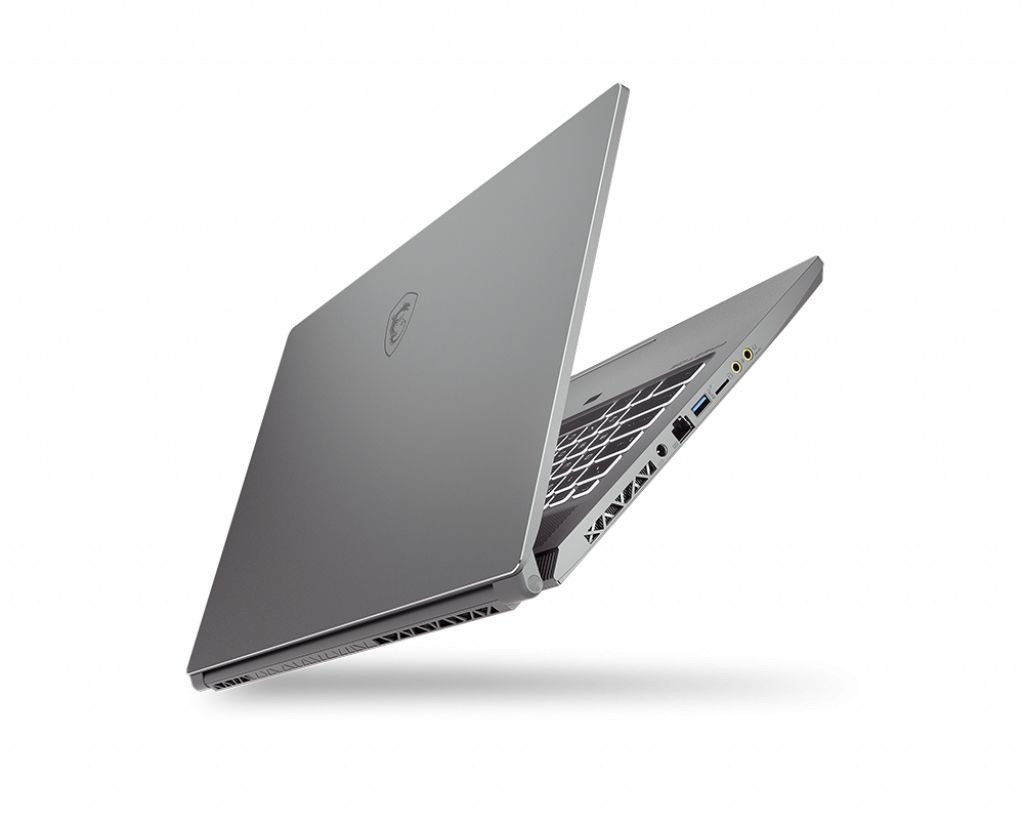
The MSI Prestige P series P75 9SE-455RU Creator laptop features DDR4-SDRAM memory upgrade specifications with two SO-DIMM slots supporting maximum capacity of 64 GB total. Memory modules operate at 2666 MHz frequency. The SO-DIMM form factor enables compatible RAM upgrades for this Creator model, allowing users to expand memory capacity within the specified maximum limitations. Upgrade slots accommodate DDR4 specifications aligned with the laptop's native memory configuration and performance parameters.
Memory Upgrade Specifications
| Specification | Value |
|---|---|
| Memory slots | 2x SO-DIMM |
| Form factor | SO-DIMM |
| Memory type | DDR4-SDRAM |
| Frequency | 2666 MHz |
| Maximum RAM | 64 GB |
| Voltage | 1.2V |
| Number of pins | 260-pin |
| Interface | PC4 |
| PC Speed Rating | PC4-2666 (PC4-21328) |
| Bandwidth | 21.3 GB/s |
| Laptop Release date | 15 July 2019 |
Additional Notes
- The MSI Prestige P75 9SE-455RU Creator accepts only SO-DIMM modules, rendering standard desktop DIMM memory physically incompatible regardless of electrical specifications.
- The 2666 MHz specification represents a maximum supported frequency threshold; modules rated at higher speeds will downclock to this limit, potentially wasting premium component costs.
- Achieving the 64 GB maximum capacity requires populating both available slots with 32 GB modules, eliminating any future expansion path without replacing existing memory.
- Single-slot configurations below maximum capacity sacrifice dual-channel bandwidth, effectively halving theoretical memory throughput compared to matched-pair installations.
- DDR5 modules share physical SO-DIMM dimensions but implement different notch positioning and voltage requirements, making cross-generation installation physically impossible despite apparent compatibility.
- Systems limited to 2666 MHz operation may bottleneck when paired with high-performance processors that could leverage faster memory timings in less restrictive platforms.
- Vendor-locked BIOS implementations may reject non-validated memory kits even when specifications match, particularly affecting modules with aggressive XMP profiles designed for enthusiast platforms.
- The 64 GB ceiling constrains workloads requiring larger memory footprints, such as virtual machine clusters or large-scale dataset manipulation, regardless of processor capabilities.
- Warranty preservation typically requires maintaining original memory configuration or using manufacturer-approved upgrade paths, as aftermarket installations may void coverage depending on regional service policies.
- Mixed module configurations combining different capacities across the 2 slots force the system into flex-mode operation, introducing asymmetric channel utilization and unpredictable performance characteristics.