MSI Prestige PS42 8M-097CA RAM upgrade specifications

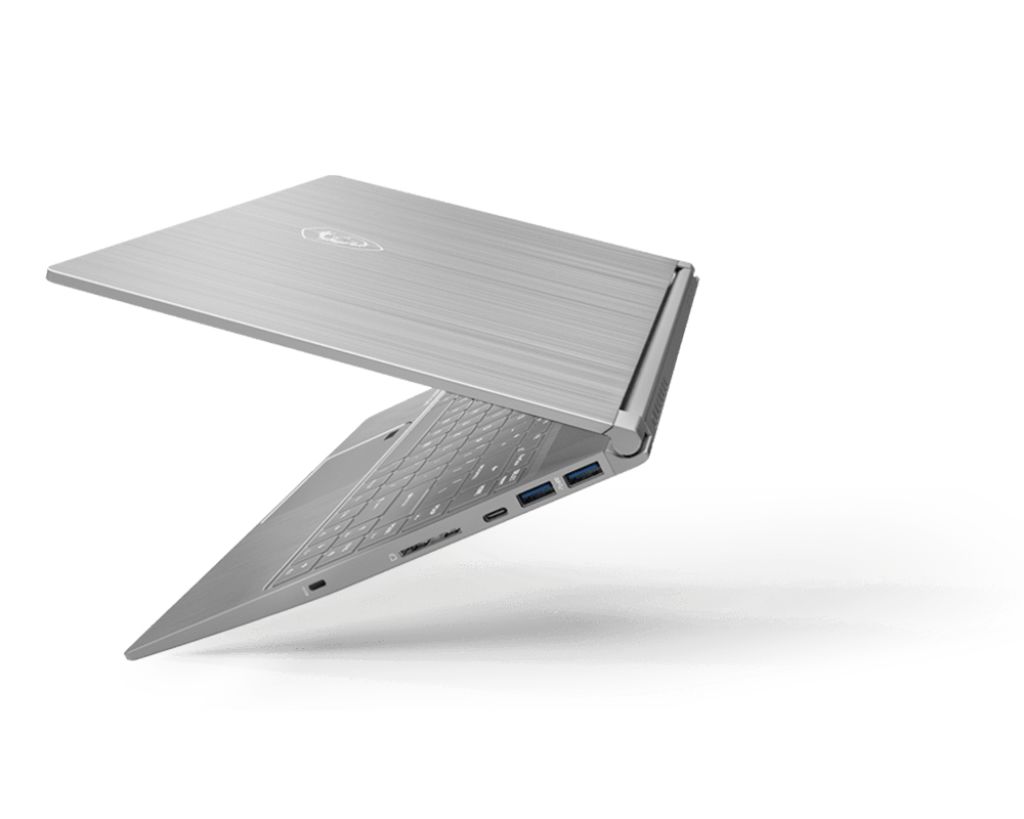



MSI Prestige PS42 8M-097CA laptop features one SO-DIMM memory slot supporting DDR4-SDRAM upgrade specifications. Maximum RAM capacity reaches 16 GB with DDR4-2400 MHz frequency support. Compatible memory modules must utilize SO-DIMM form factor for proper installation in this model. RAM upgrade options allow expansion from factory configuration to maximum specifications through replacement or addition of compatible DDR4 memory modules in the available slot.
Memory Upgrade Specifications
| Specification | Value |
|---|---|
| Memory slots | 1x SO-DIMM |
| Form factor | SO-DIMM |
| Memory type | DDR4-SDRAM |
| Frequency | 2400 MHz |
| Maximum RAM | 16 GB |
| Voltage | 1.2V |
| Number of pins | 260-pin |
| Interface | PC4 |
| PC Speed Rating | PC4-2400 (PC4-19200) |
| Bandwidth | 19.2 GB/s |
| Laptop Release date | 19 July 2018 |
Additional Notes
- The MSI Prestige PS42 8M-097CA features soldered onboard memory in addition to the single SO-DIMM slot, limiting future expansion to one user-accessible module rather than enabling dual-channel flexibility through two matching modules.
- The 16 GB maximum capacity constraint suggests that the soldered memory occupies one channel, creating an asymmetric dual-channel configuration when a SO-DIMM module is installed rather than true matched dual-channel operation.
- DDR4-2400 represents JEDEC standard specifications rather than higher-performance XMP profiles, meaning modules rated for faster speeds will downclock to 2400 MHz regardless of their advertised specifications.
- The single SO-DIMM slot prevents users from implementing matched pairs of memory modules, which typically deliver optimal bandwidth in applications that benefit from symmetric dual-channel memory access patterns.
- Installing memory above the 16 GB threshold may result in system instability or failure to POST due to chipset limitations or BIOS restrictions, even if physically compatible modules are inserted.
- The 2400 MHz frequency operates at PC4-19200 bandwidth specifications, delivering 19.2 GB/s theoretical maximum throughput per channel under ideal conditions without accounting for latency overhead.
- Accessing the SO-DIMM slot likely requires complete bottom panel removal rather than a dedicated service door, potentially voiding seals or warranty indicators depending on regional service policies.
- Memory upgrades must use unbuffered non-ECC SO-DIMM modules specifically, as registered or ECC variants are incompatible with consumer-grade mobile chipsets despite sharing the same physical form factor.
- The single-slot configuration eliminates the possibility of incremental capacity upgrades, forcing users to replace the existing module entirely rather than supplementing it with an additional stick.
- Mixing memory modules with different densities or timings may force the system to operate at the lowest common specifications, potentially degrading performance below the 2400 MHz specification if mismatched modules are installed.