MSI Prestige PS42 8M-238AU RAM upgrade specifications
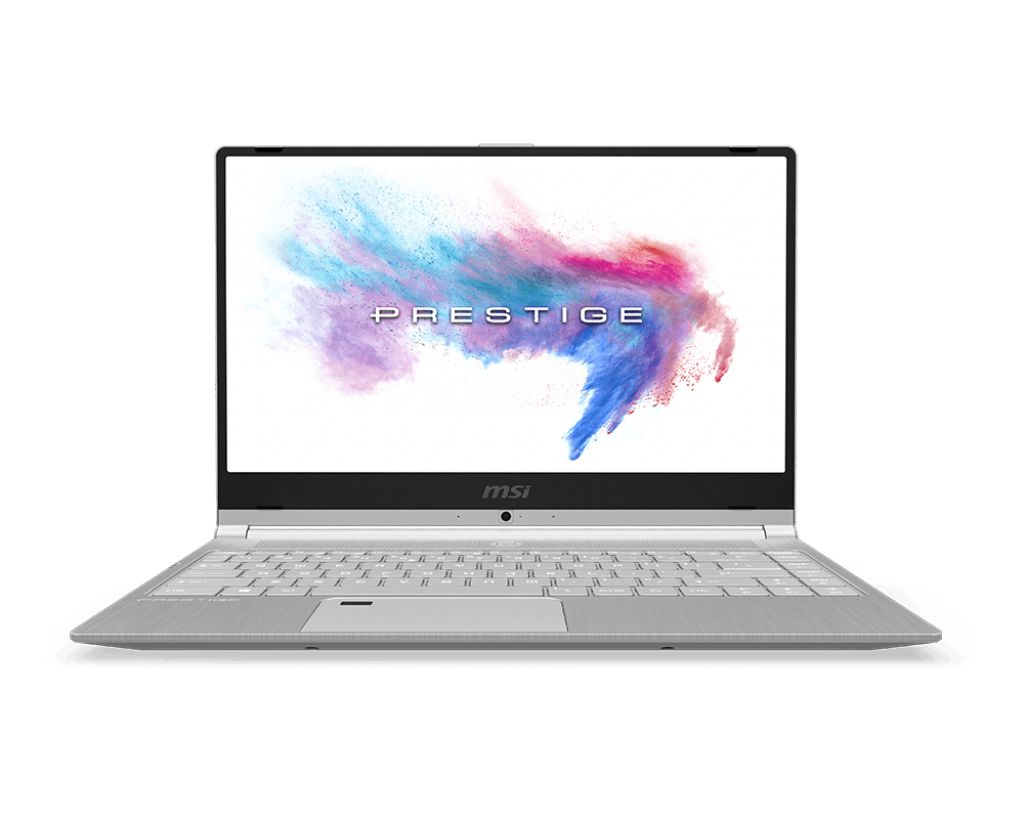
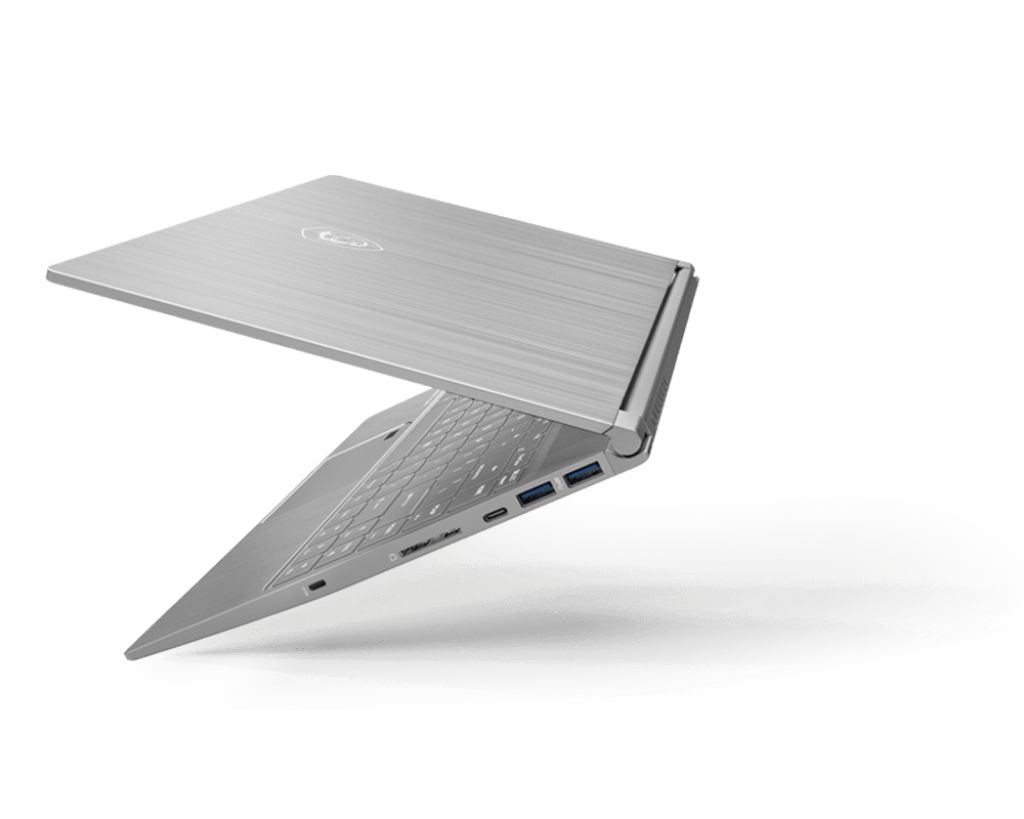
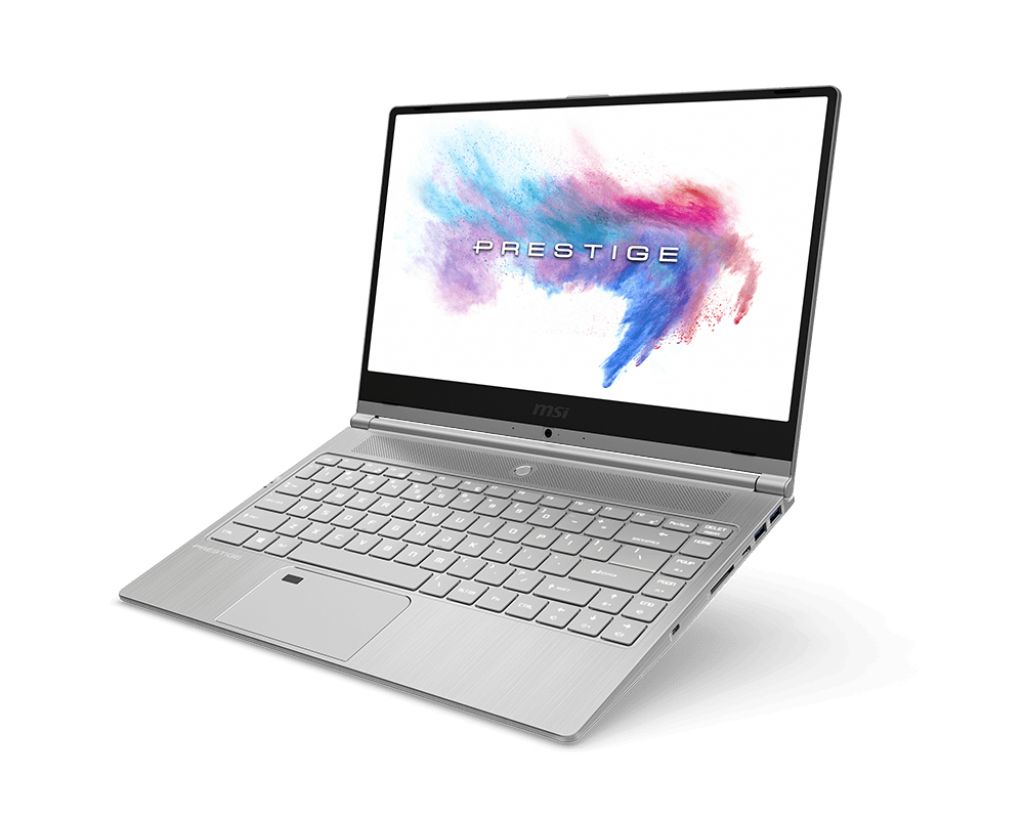
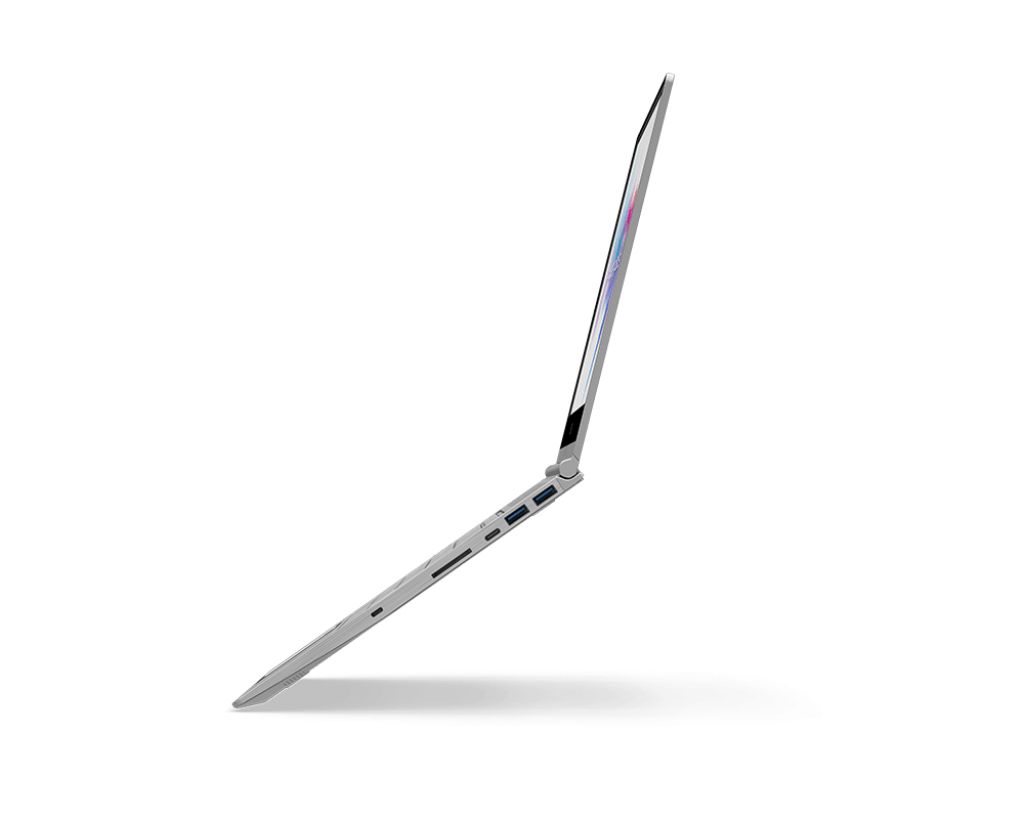
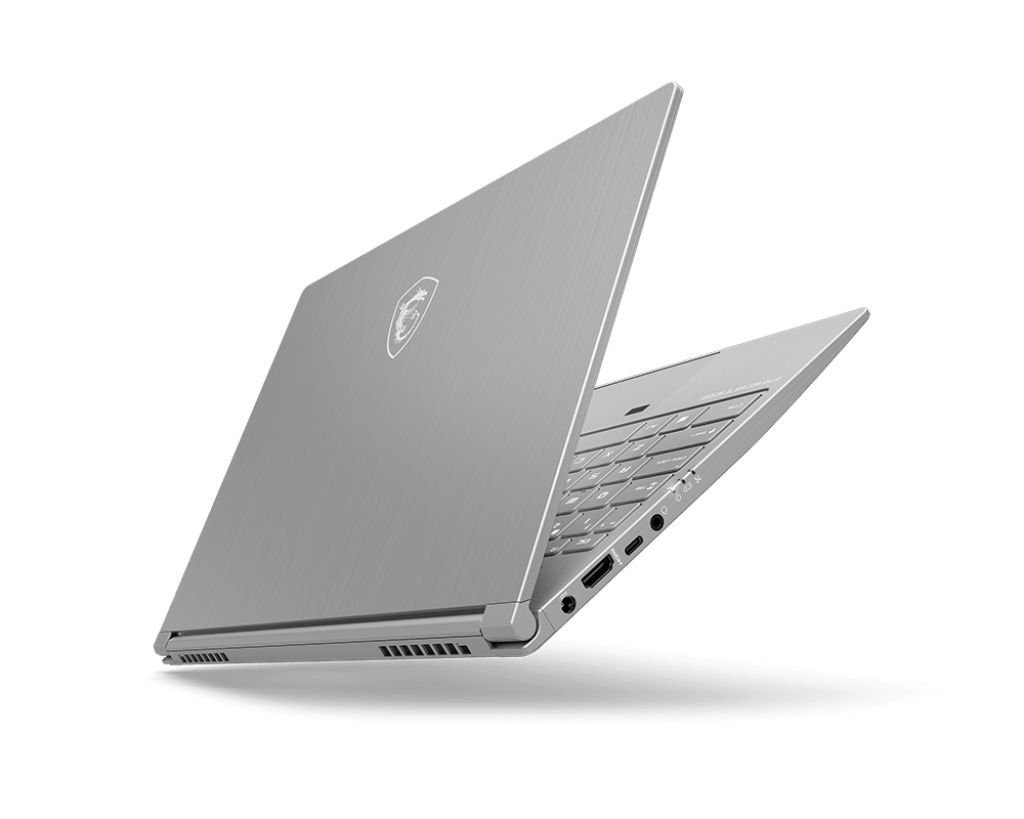
The MSI Prestige PS42 8M-238AU contains DDR4-SDRAM memory configured in a single SO-DIMM slot. The laptop supports maximum RAM capacity of 16 GB with compatible memory operating at 2400 MHz frequency. Upgrade specifications indicate SO-DIMM form factor memory modules are required for this model. The PS42 8M-238AU memory slots allow for RAM expansion to reach the maximum supported capacity through compatible DDR4-SDRAM modules.
Memory Upgrade Specifications
| Specification | Value |
|---|---|
| Memory slots | 1x SO-DIMM |
| Form factor | SO-DIMM |
| Memory type | DDR4-SDRAM |
| Frequency | 2400 MHz |
| Maximum RAM | 16 GB |
| Voltage | 1.2V |
| Number of pins | 260-pin |
| Interface | PC4 |
| PC Speed Rating | PC4-2400 (PC4-19200) |
| Bandwidth | 19.2 GB/s |
| Laptop Release date | 17 September 2018 |
Additional Notes
- Single SO-DIMM slot configuration limits concurrent memory to 1 module, eliminating dual-channel architecture benefits and forcing single-channel operation with associated 5-15% performance penalty versus dual-channel setups.
- 16 GB maximum capacity ceiling means upgrade path terminates at single 16 GB module, leaving no headroom for future expansion beyond this threshold.
- 2400 MHz DDR4 support indicates 8th-generation Intel processor compatibility (Kaby Lake Refresh era), establishing hard compatibility boundary for any CPU upgrade attempts.
- SO-DIMM form factor is standard for ultrabook/thin laptop designs, confirming tight internal chassis constraints that preclude larger desktop DDR4 modules or alternative memory technologies.
- Soldered CPU and chipset configurations are typical in this product segment, meaning processor replacement is not feasible through standard service procedures and would void manufacturer warranty.
- Single memory slot combined with 16 GB maximum capacity creates scenario where stock configuration likely shipped with 8 GB module, leaving room for one upgrade to 16 GB without requiring removal of existing memory.
- DDR4-2400 operates at lower speed tier than modern DDR4-3200 standards, indicating this platform cannot leverage performance gains from newer memory without confirmation of BIOS support for memory speed overclocking.