MSI Prestige PS42 8M Modern RAM upgrade specifications

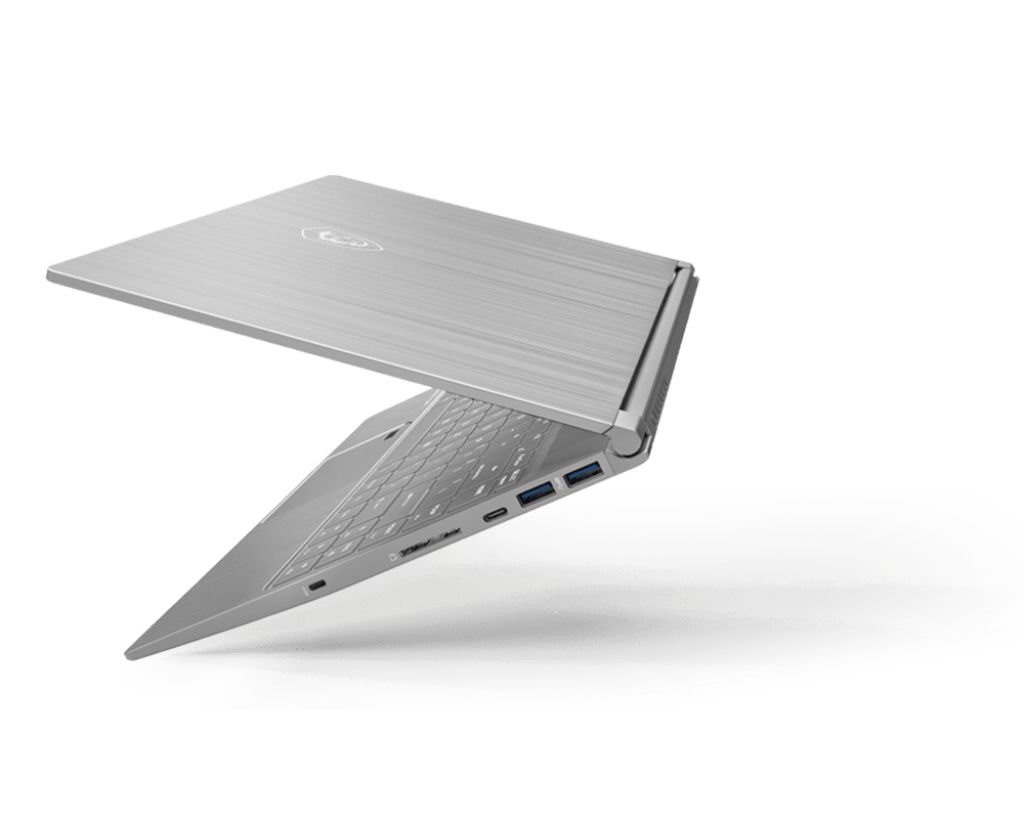
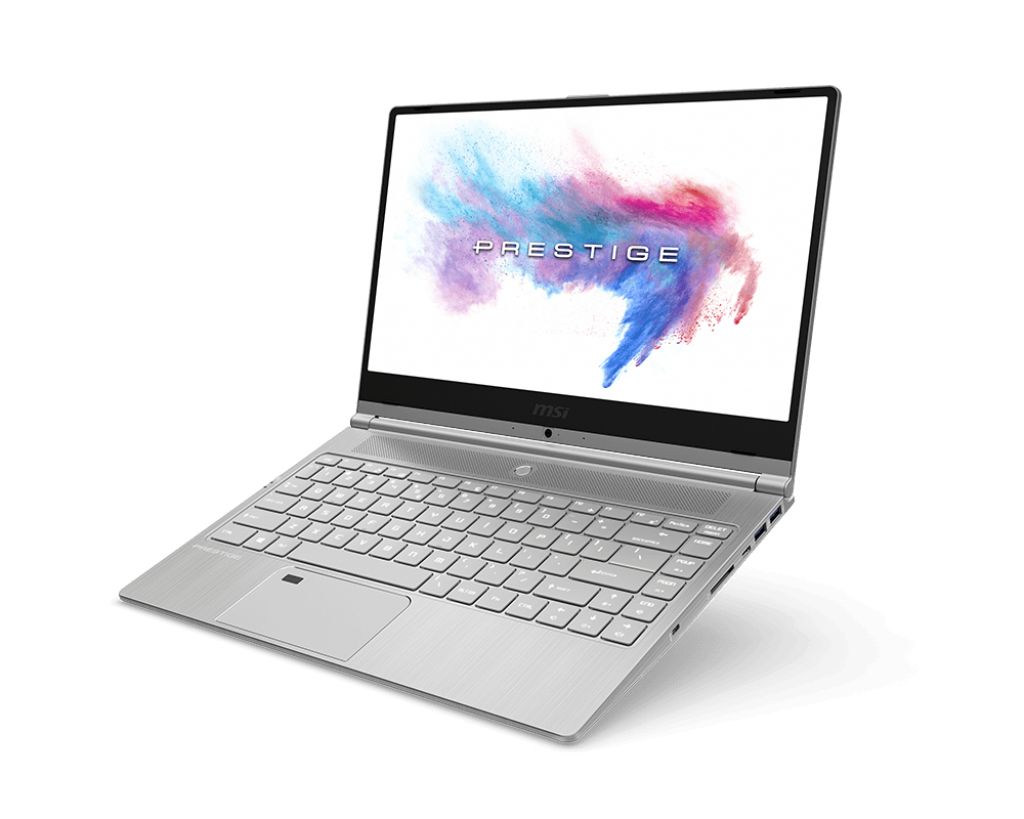

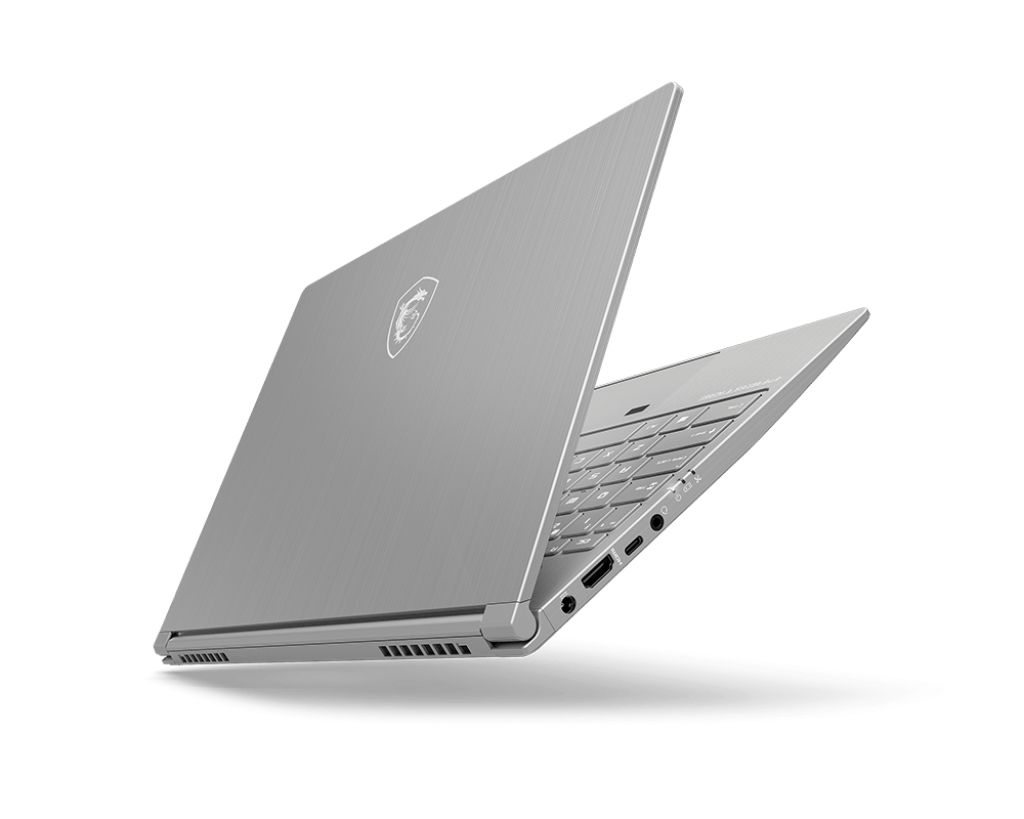
MSI Prestige PS42 8M Modern laptop features one SO-DIMM memory slot supporting DDR4-SDRAM modules. Maximum RAM capacity reaches 16 GB with DDR4-2400 MHz frequency specifications. RAM upgrade compatibility requires SO-DIMM form factor modules. Memory specifications indicate single-slot configuration limiting expansion options for this MSI PS series model.
Memory Upgrade Specifications
| Specification | Value |
|---|---|
| Memory slots | 1x SO-DIMM |
| Form factor | SO-DIMM |
| Memory type | DDR4-SDRAM |
| Frequency | 2400 MHz |
| Maximum RAM | 16 GB |
| Voltage | 1.2V |
| Number of pins | 260-pin |
| Interface | PC4 |
| PC Speed Rating | PC4-2400 (PC4-19200) |
| Bandwidth | 19.2 GB/s |
| Laptop Release date | 25 May 2019 |
Additional Notes
- The MSI Prestige PS42 8M Modern features soldered memory in addition to the single SO-DIMM slot, meaning partial system RAM cannot be replaced or removed.
- The 2400 MHz frequency limitation applies to both the soldered memory and any installed SO-DIMM module, preventing faster DDR4 speeds from running at their rated specifications.
- Accessing the SO-DIMM slot requires complete bottom panel removal, which involves disconnecting the battery connector to prevent electrical damage during installation.
- The 16 GB maximum capacity reflects a dual-channel configuration where the soldered memory is paired with the SO-DIMM module, typically as 8 GB soldered plus 8 GB user-installable.
- Installing mismatched capacity modules will force the system into asymmetric dual-channel mode, potentially reducing memory bandwidth in certain workloads.
- DDR4-2666 or DDR4-3200 modules will function but downclock to 2400 MHz, offering no performance advantage over native 2400 MHz modules.
- The SO-DIMM slot operates at 1.2V standard for DDR4, making low-voltage DDR4L modules unnecessary and potentially incompatible with voltage requirements.
- Single-rank versus dual-rank module architecture affects compatibility with the soldered memory configuration, requiring matched rank organization for optimal stability.
- Thermal constraints in the slim chassis design may cause memory throttling under sustained high-bandwidth operations despite operating within specification.
- Non-ECC unbuffered modules are required, as the mobile platform does not support error-correcting code memory or registered configurations.