MSI Prestige PS42 8MO-038NL Modern RAM upgrade specifications
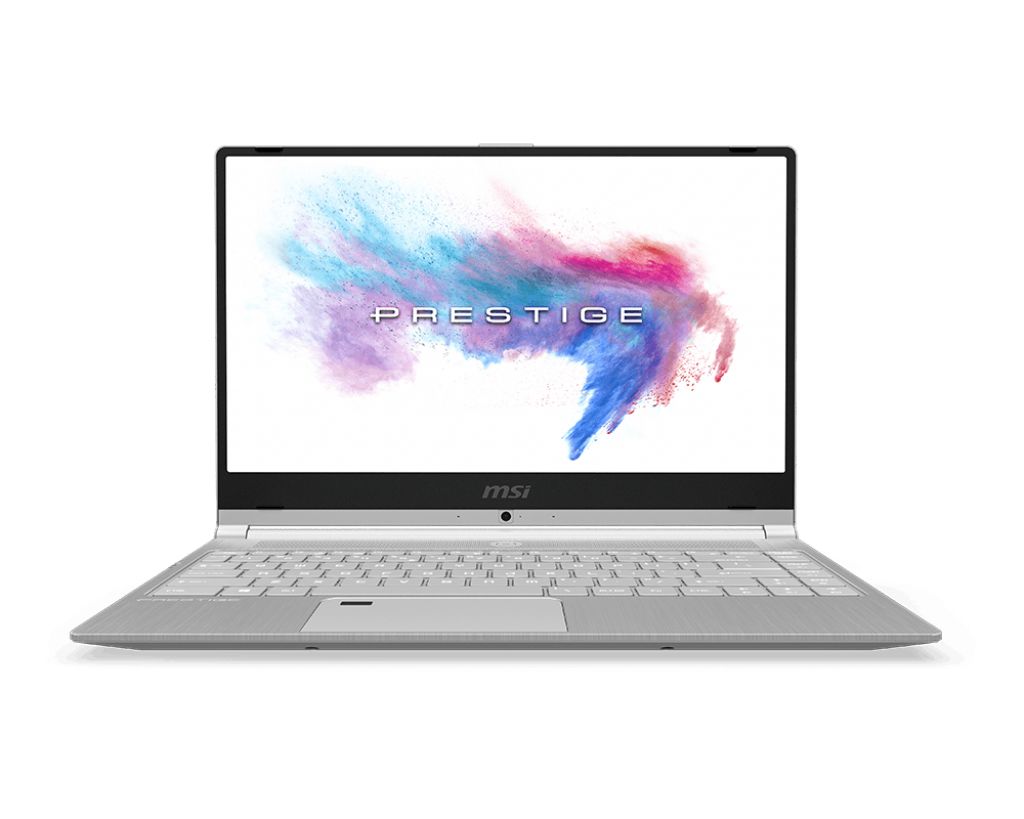
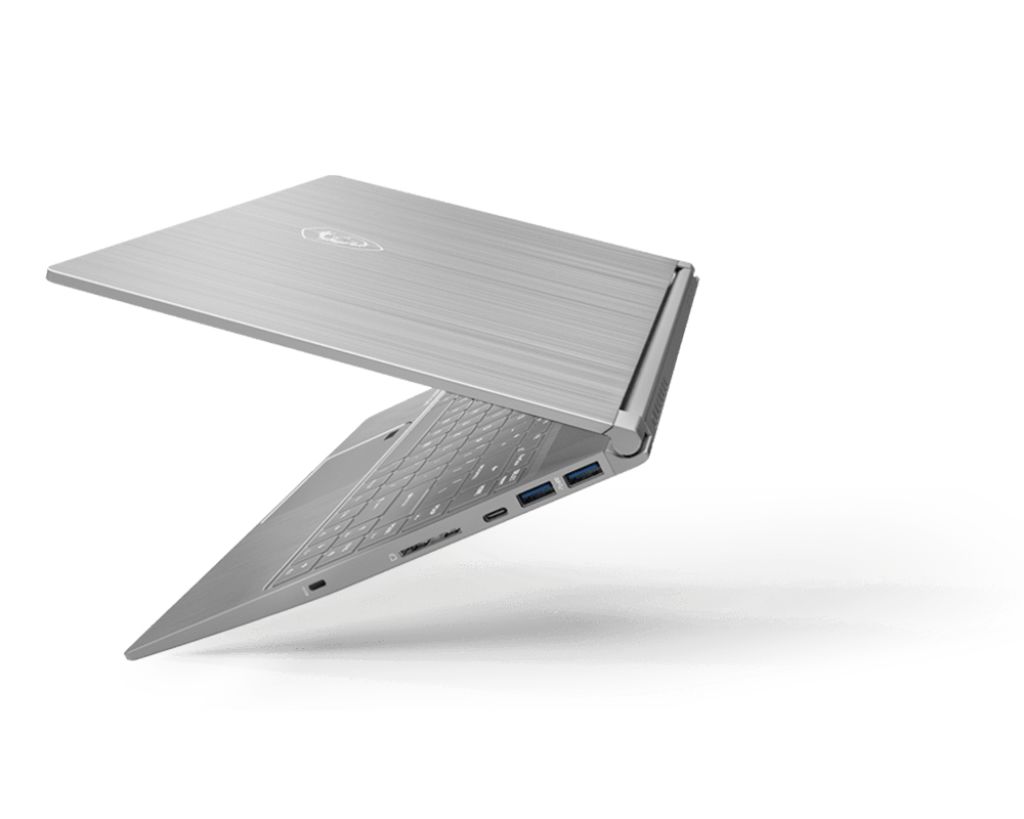
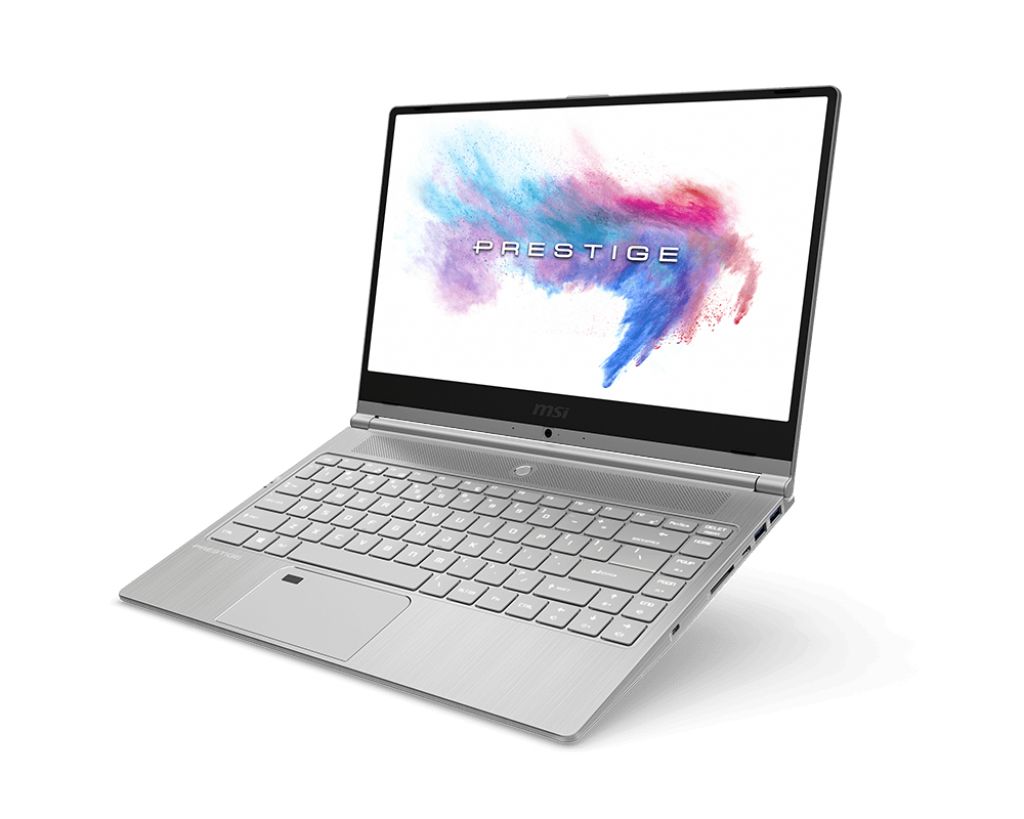
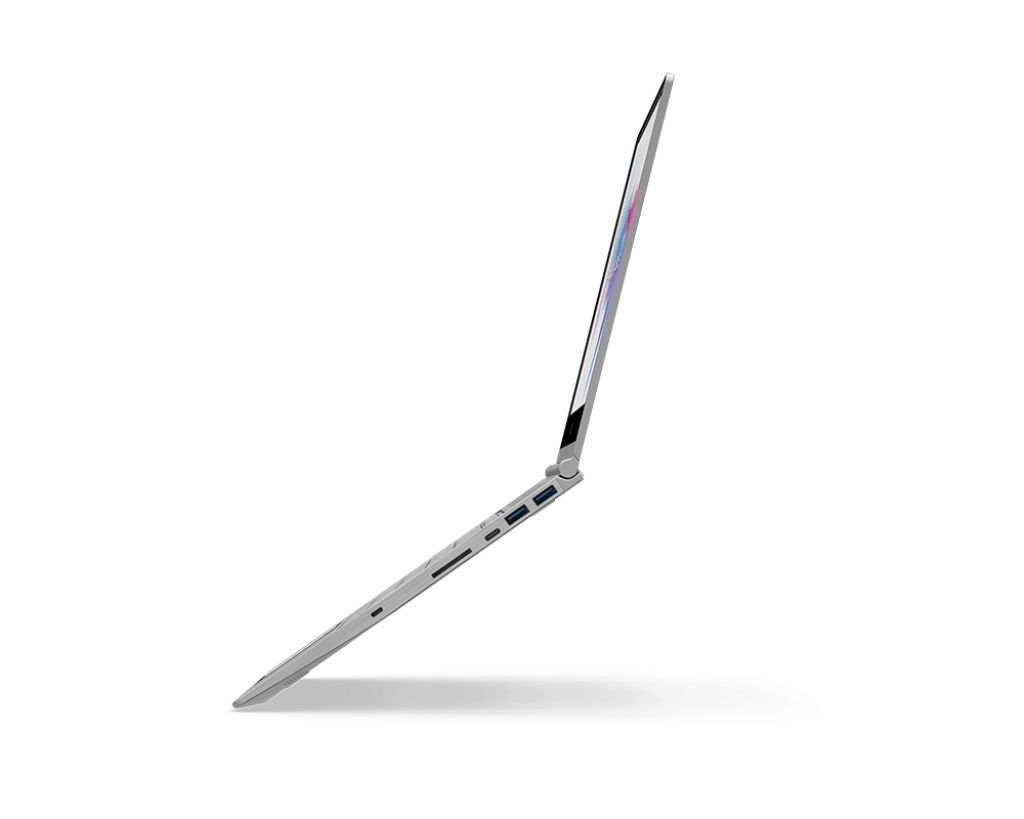
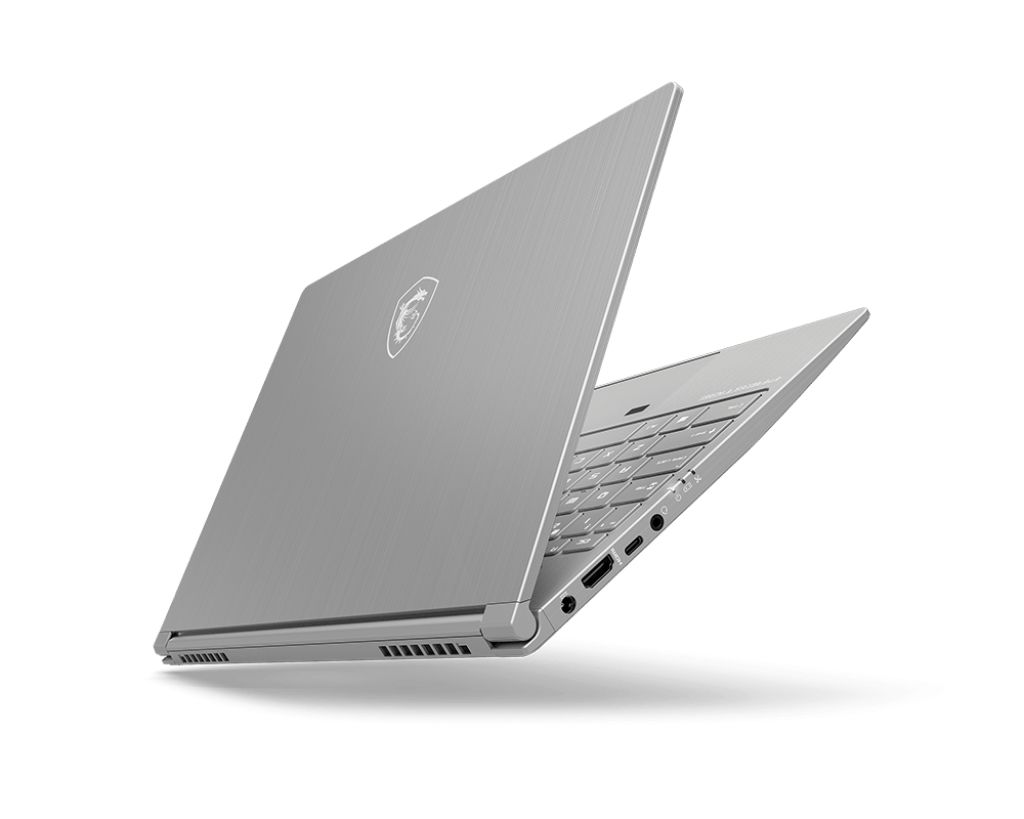
The MSI Prestige PS42 8MO-038NL Modern laptop features a single SO-DIMM memory slot compatible with DDR4-SDRAM modules operating at 2666 MHz. The maximum memory upgrade capacity reaches 16 GB, allowing users to expand the system's RAM from its stock configuration. Specifications indicate the memory form factor as SO-DIMM, standard for mobile computing devices. The PS42 8MO-038NL Modern supports DDR4 memory upgrades within the stated frequency and capacity parameters, enabling enhanced multitasking performance and application responsiveness for the MSI Prestige series notebook.
Memory Upgrade Specifications
| Specification | Value |
|---|---|
| Memory slots | 1x SO-DIMM |
| Form factor | SO-DIMM |
| Memory type | DDR4-SDRAM |
| Frequency | 2666 MHz |
| Maximum RAM | 16 GB |
| Voltage | 1.2V |
| Number of pins | 260-pin |
| Interface | PC4 |
| PC Speed Rating | PC4-2666 (PC4-21328) |
| Bandwidth | 21.3 GB/s |
| Laptop Release date | 19 October 2019 |
Additional Notes
- The single slot configuration prevents dual channel memory architecture, resulting in a single channel bandwidth limitation for memory intensive tasks.
- Upgrading the MSI PS42 8MO-038NL Modern requires the complete replacement of the existing module since no secondary expansion slot is available.
- The internal motherboard layout necessitates a flip motherboard design or significant disassembly to access the SO-DIMM socket for any hardware changes.
- Installing a module with a frequency higher than 2666 MHz results in automatic downclocking to meet the hardware controller speed limit.
- The 16 GB capacity threshold indicates a BIOS or chipset limitation that ignores any additional density provided by 32 GB modules.
- Memory latency remains stagnant due to the lack of XMP profile support usually found in single slot thin and light systems.
- Integrated graphics performance scales directly with system RAM speed, but remains capped by the single channel throughput bottleneck.