MSI Prestige PS42 8RA-034LU RAM upgrade specifications

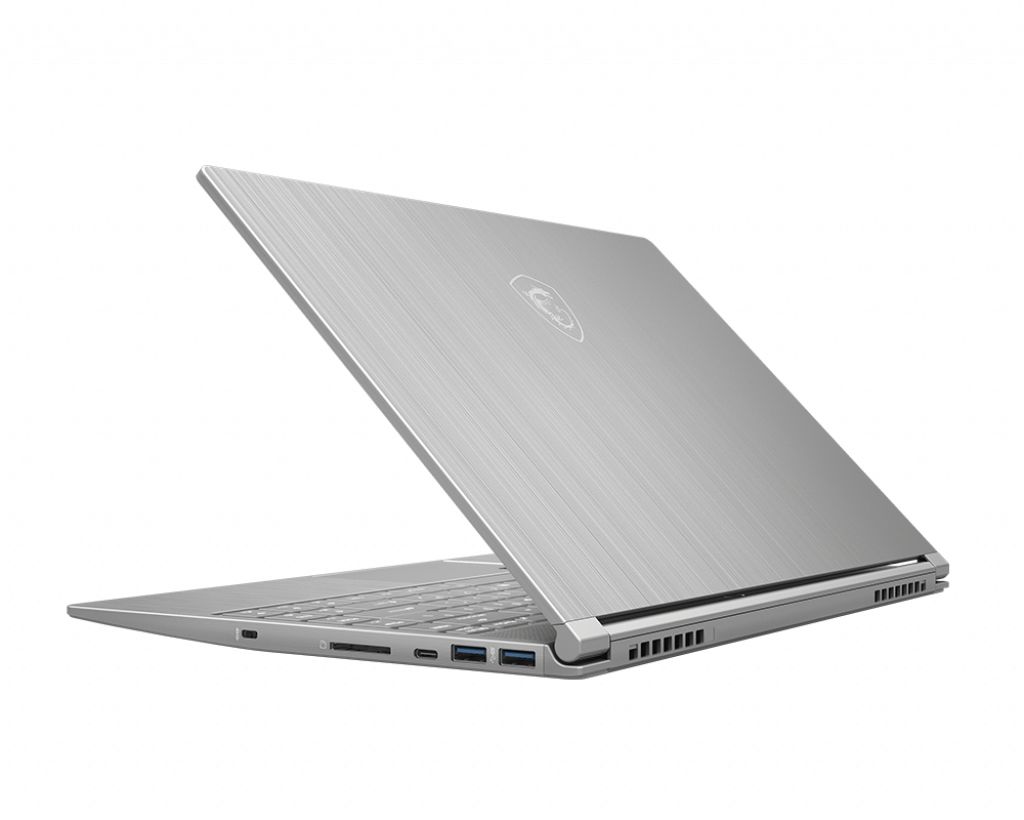
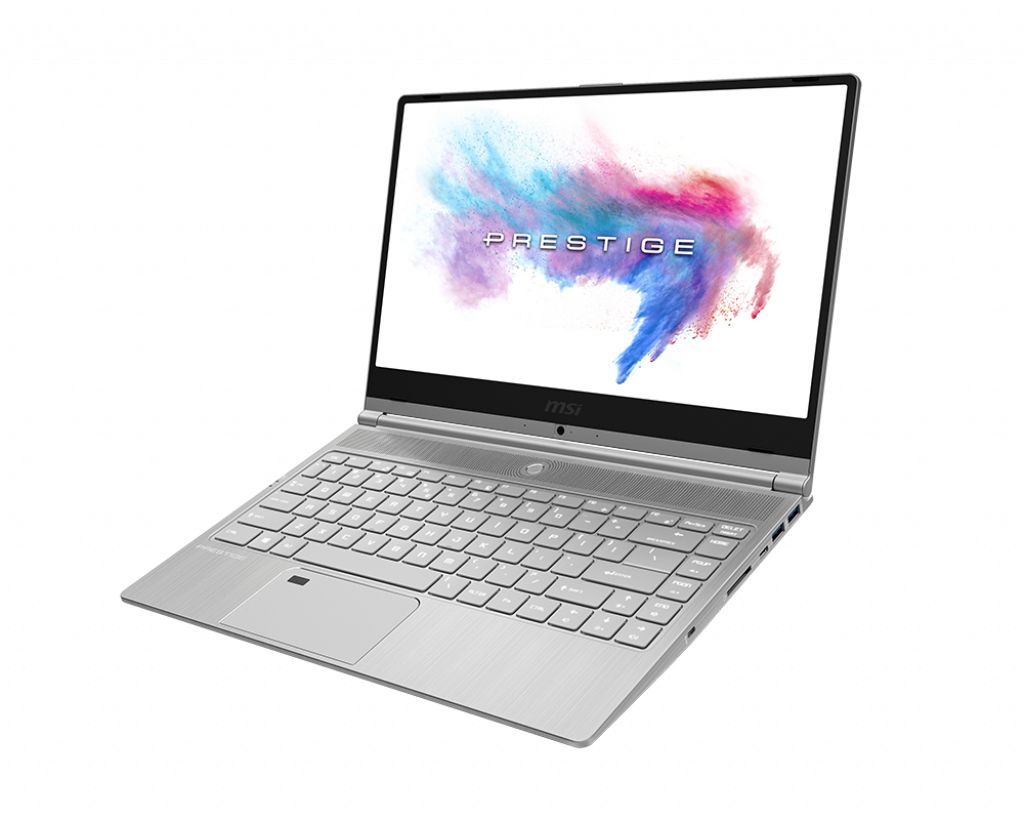
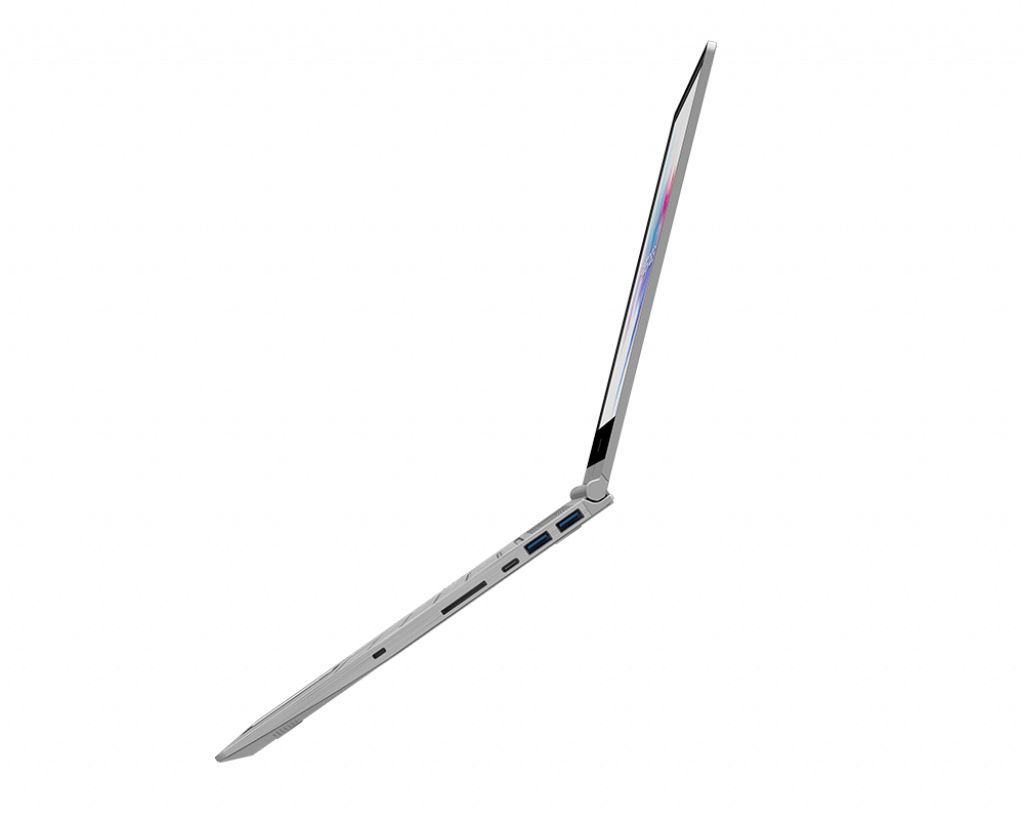
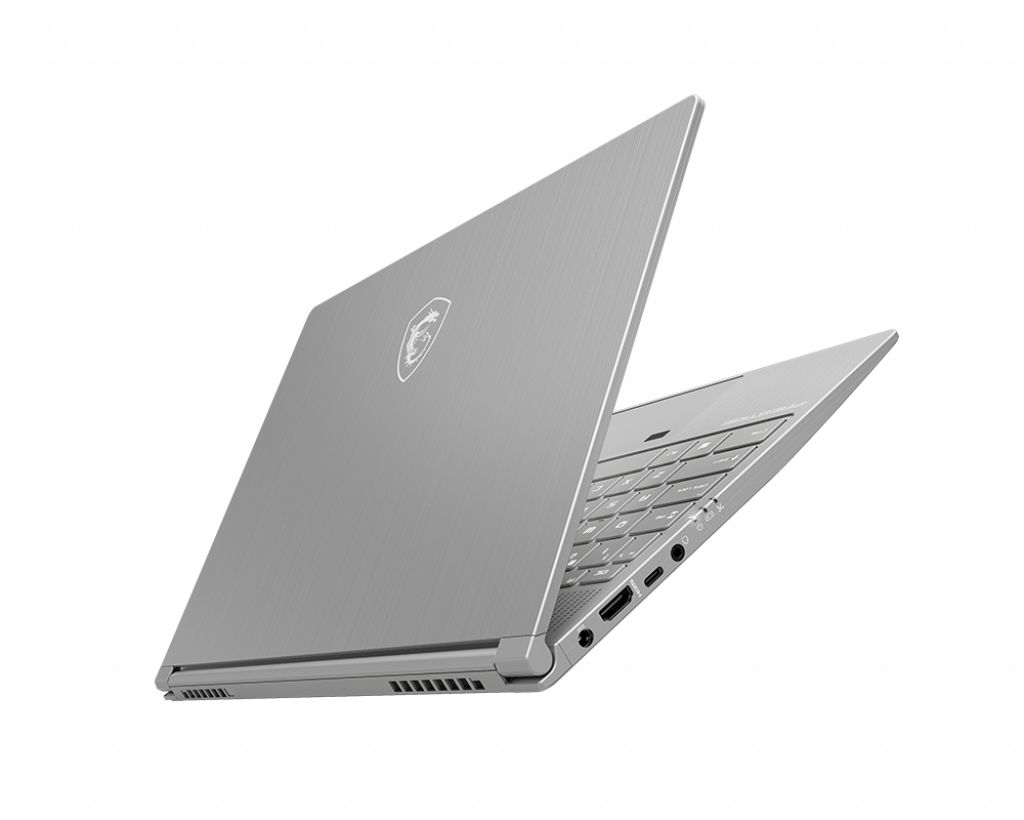
MSI Prestige PS42 8RA-034LU RAM upgrade specifications include one SO-DIMM slot supporting DDR4-SDRAM memory. Maximum compatible capacity reaches 16 GB total. Memory operates at 2400 MHz frequency. Upgrade options utilize SO-DIMM form factor modules. Compatible DDR4 memory modules can be installed in the available slot to expand system memory capacity from baseline configuration to maximum specifications supported by laptop platform.
Memory Upgrade Specifications
| Specification | Value |
|---|---|
| Memory slots | 1x SO-DIMM |
| Form factor | SO-DIMM |
| Memory type | DDR4-SDRAM |
| Frequency | 2400 MHz |
| Maximum RAM | 16 GB |
| Voltage | 1.2V |
| Number of pins | 260-pin |
| Interface | PC4 |
| PC Speed Rating | PC4-2400 (PC4-19200) |
| Bandwidth | 19.2 GB/s |
| Laptop Release date | 29 March 2019 |
Additional Notes
- The MSI Prestige PS42 8RA-034LU architecture features soldered memory with a single expansion slot rather than dual-channel modularity, limiting theoretical bandwidth to approximately 19.2 GB/s compared to the 38.4 GB/s achievable with matched dual-channel configurations.
- Memory-intensive applications requiring sustained throughput above 20 GB/s will encounter architectural bottlenecks regardless of installed capacity due to single-channel operation.
- The 16 GB ceiling reflects chipset addressing constraints or power delivery limitations inherent to the platform's thermal envelope design.
- Upgrading to the maximum capacity requires depopulating the existing module, rendering the original memory unrecoverable unless preserved separately.
- PC4-19200 module compatibility is essential, as higher-frequency modules will downclock to 2400 MHz without performance benefit while potentially introducing stability issues if XMP profiles auto-enable.
- Non-ECC unbuffered modules are required, as server-grade registered or ECC variants will fail POST initialization.
- CAS latency variations between CL15, CL16, and CL17 at this frequency produce negligible real-world impact, typically under 2% in latency-sensitive workloads.
- Installation requires bottom panel removal, with potential warranty implications if security seals are present on chassis fasteners.
- The SO-DIMM slot proximity to thermal components may restrict module height to standard 30mm profiles, excluding high-profile heat-spreader designs exceeding 32mm.
- Pairing soldered memory of unknown specification with aftermarket modules creates asymmetric channel configurations, preventing flex mode optimization on platforms that support it.
- Voltage specification adherence to 1.2V nominal is critical, as low-voltage 1.35V DDR3L modules physically fit SO-DIMM slots but are electrically incompatible with DDR4 controllers.