MSI Prestige PS42 8RA-037LU RAM upgrade specifications



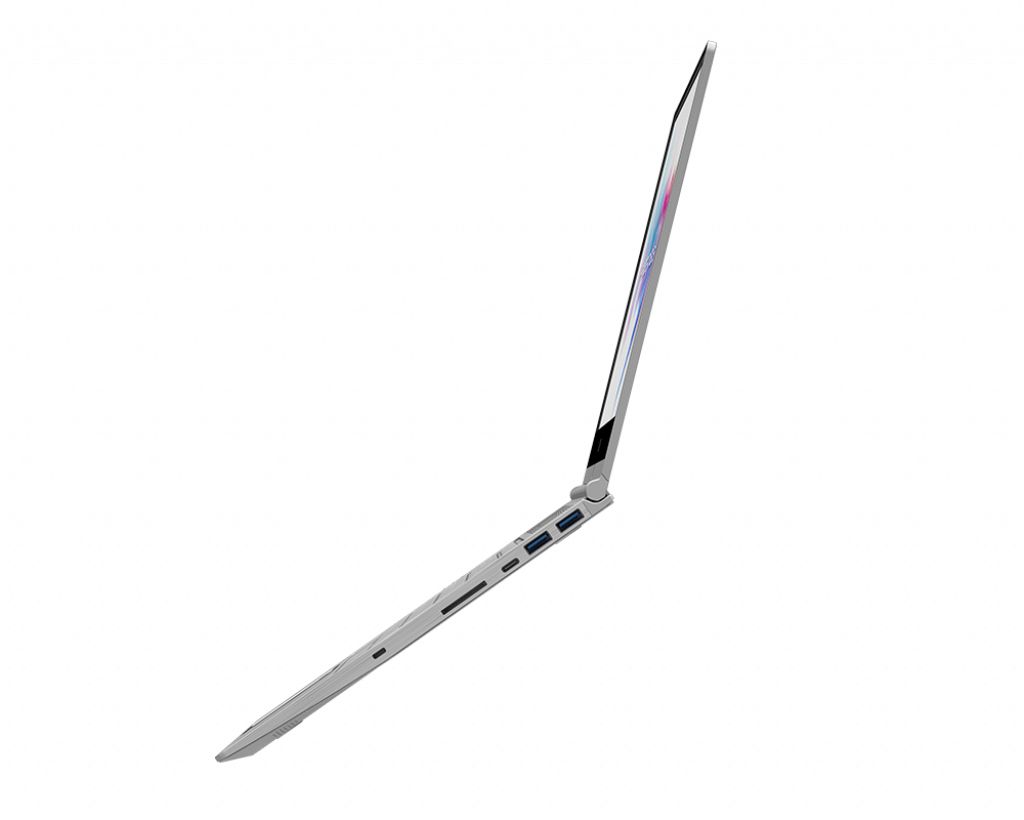
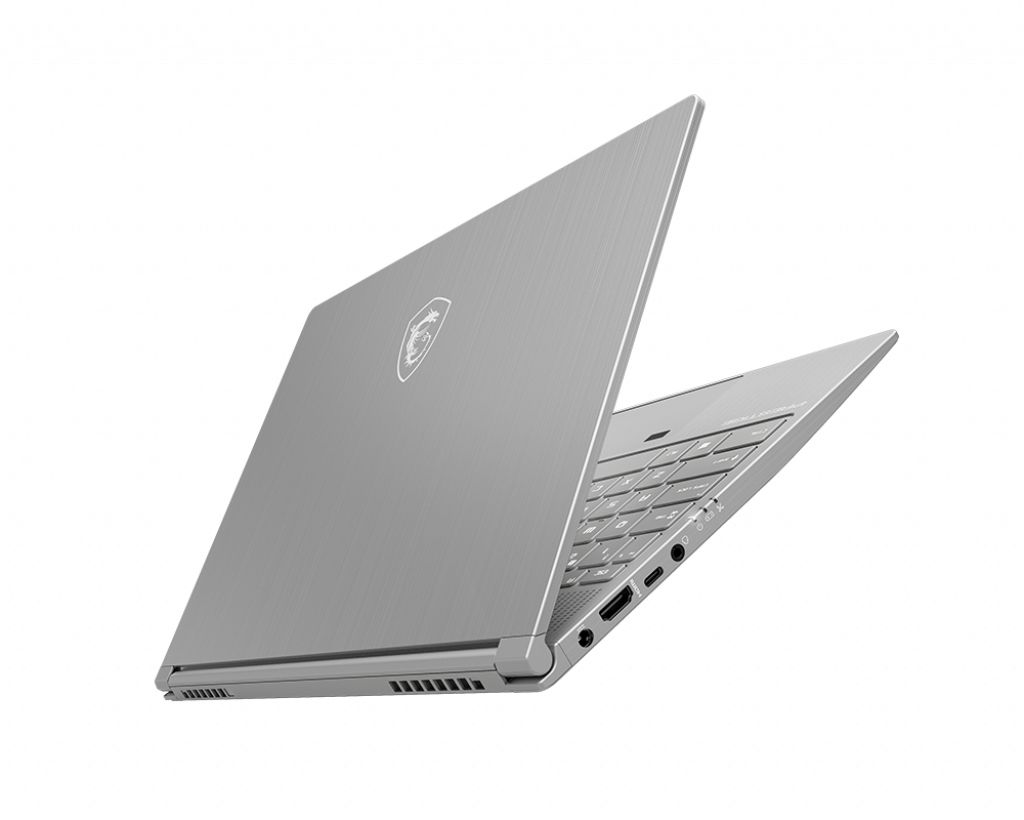
MSI Prestige PS series model PS42 8RA-037LU supports DDR4-SDRAM memory upgrades. The laptop contains one SO-DIMM slot for RAM expansion. Maximum memory capacity reaches 16 GB when upgraded. Compatible memory modules operate at 2400 MHz frequency. Current specifications allow for single SO-DIMM upgrades to enhance system performance. RAM slots accept standard SO-DIMM form factor modules meeting DDR4 specifications.
Memory Upgrade Specifications
| Specification | Value |
|---|---|
| Memory slots | 1x SO-DIMM |
| Form factor | SO-DIMM |
| Memory type | DDR4-SDRAM |
| Frequency | 2400 MHz |
| Maximum RAM | 16 GB |
| Voltage | 1.2V |
| Number of pins | 260-pin |
| Interface | PC4 |
| PC Speed Rating | PC4-2400 (PC4-19200) |
| Bandwidth | 19.2 GB/s |
| Laptop Release date | 29 March 2019 |
Additional Notes
- The MSI Prestige PS42 8RA-037LU features a single SO-DIMM slot configuration, which prevents dual-channel memory operation and reduces potential memory bandwidth by approximately 50% compared to dual-channel systems.
- The 2400 MHz frequency specification indicates DDR4-2400 compatibility, which operates at PC4-19200 standard with a maximum theoretical bandwidth of 19.2 GB/s in single-channel mode.
- Upgrading to the 16 GB maximum capacity requires complete replacement of any existing module rather than adding a second module, resulting in disposal or reallocation of the original RAM.
- The single-slot design eliminates the possibility of incremental upgrades, forcing users to purchase the full target capacity upfront rather than spreading costs across multiple upgrade cycles.
- Memory-intensive applications such as video editing, 3D rendering, or virtual machines will experience reduced performance due to the single-channel bandwidth limitation, regardless of total capacity installed.
- The SO-DIMM form factor requires notebook-specific modules measuring 67.6 mm in length, which differ from standard desktop DIMM modules and typically carry higher per-gigabyte pricing.
- Systems configured with 8 GB modules operating at DDR4-2400 speeds will experience approximately 40 nanoseconds of CAS latency assuming CL17 timing, which represents the delay between memory request and data delivery.
- The 2400 MHz limitation prevents utilization of higher-speed DDR4 modules rated at 2666 MHz, 3200 MHz, or above, as the system will either refuse to boot or downclock the module to 2400 MHz.
- Installing non-standard voltage modules such as DDR4L low-voltage variants may cause compatibility issues, as SO-DIMM DDR4 typically operates at 1.2V standard specification.
- The absence of a second slot means no fallback option exists if the single module fails, resulting in complete system inoperability until replacement rather than degraded operation.
- Warranty considerations require verification that user-accessible memory compartments permit upgrades without breaking seals or removing components that void manufacturer coverage.