MSI Prestige PS42 8RB-023AU RAM upgrade specifications

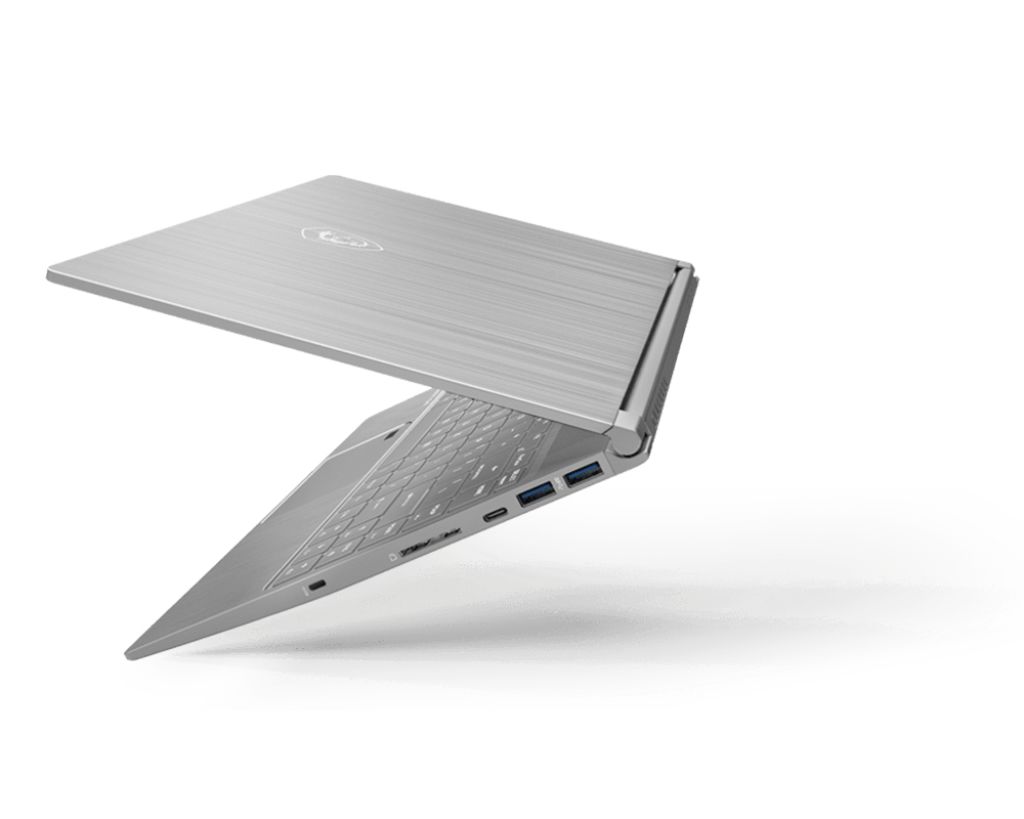
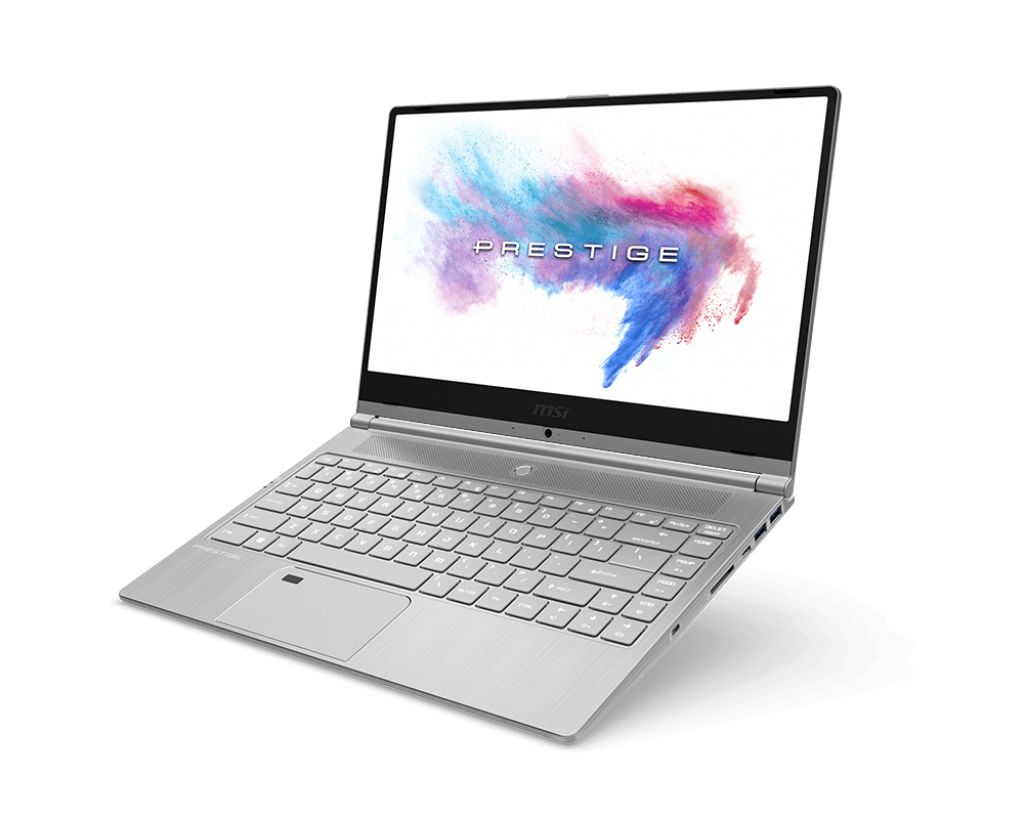
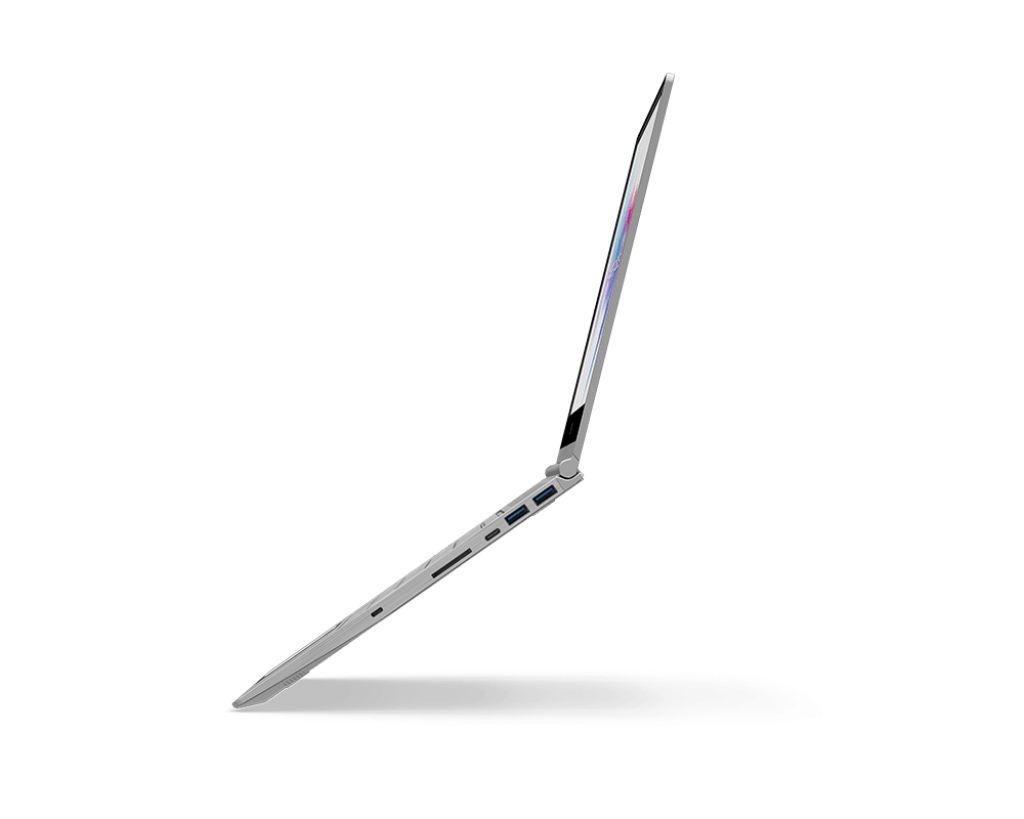

MSI Prestige PS42 8RB-023AU laptop features DDR4-SDRAM memory configuration with one SO-DIMM slot for RAM upgrade. Maximum memory capacity reaches 16 GB total. Compatible memory modules operate at 2400 MHz frequency. Current specifications support SO-DIMM form factor RAM modules. Upgrade slots accommodate single memory module installation to expand overall system memory capacity from factory configuration. Memory specifications remain compatible with DDR4-SDRAM standard technology.
Memory Upgrade Specifications
| Specification | Value |
|---|---|
| Memory slots | 1x SO-DIMM |
| Form factor | SO-DIMM |
| Memory type | DDR4-SDRAM |
| Frequency | 2400 MHz |
| Maximum RAM | 16 GB |
| Voltage | 1.2V |
| Number of pins | 260-pin |
| Interface | PC4 |
| PC Speed Rating | PC4-2400 (PC4-19200) |
| Bandwidth | 19.2 GB/s |
| Laptop Release date | 17 September 2018 |
Additional Notes
- Single memory slot configuration limits concurrent capacity expansion; replacing the existing module rather than adding to it becomes the only upgrade path.
- DDR4-2400 MHz specification indicates this system predates mainstream DDR4-3200 adoption; newer DDR4 modules at higher frequencies will downclock to 2400 MHz, eliminating performance gains from faster memory purchases.
- SO-DIMM form factor restricts compatible modules to laptop-class memory; desktop DDR4 UDIMM modules are physically incompatible and cannot be force-fitted without component damage.
- 16 GB maximum capacity ceiling prevents future expansion beyond this threshold; applications requiring 32 GB or higher memory allocation cannot be accommodated through upgrade.
- Single-slot architecture creates a single point of failure; if the installed module fails, the system loses all RAM functionality until replacement, unlike dual-slot configurations that retain partial operability.
- Migration from 8 GB to 16 GB requires complete module replacement and creates potential warranty concerns if the original module disposal or retention is mishandled during the swap.
- Memory bandwidth potential remains constrained by the single channel configuration; upgrading to a faster module does not increase effective bandwidth since only one slot populates the channel architecture.