MSI Prestige PS63 8M-063FR Modern RAM upgrade specifications
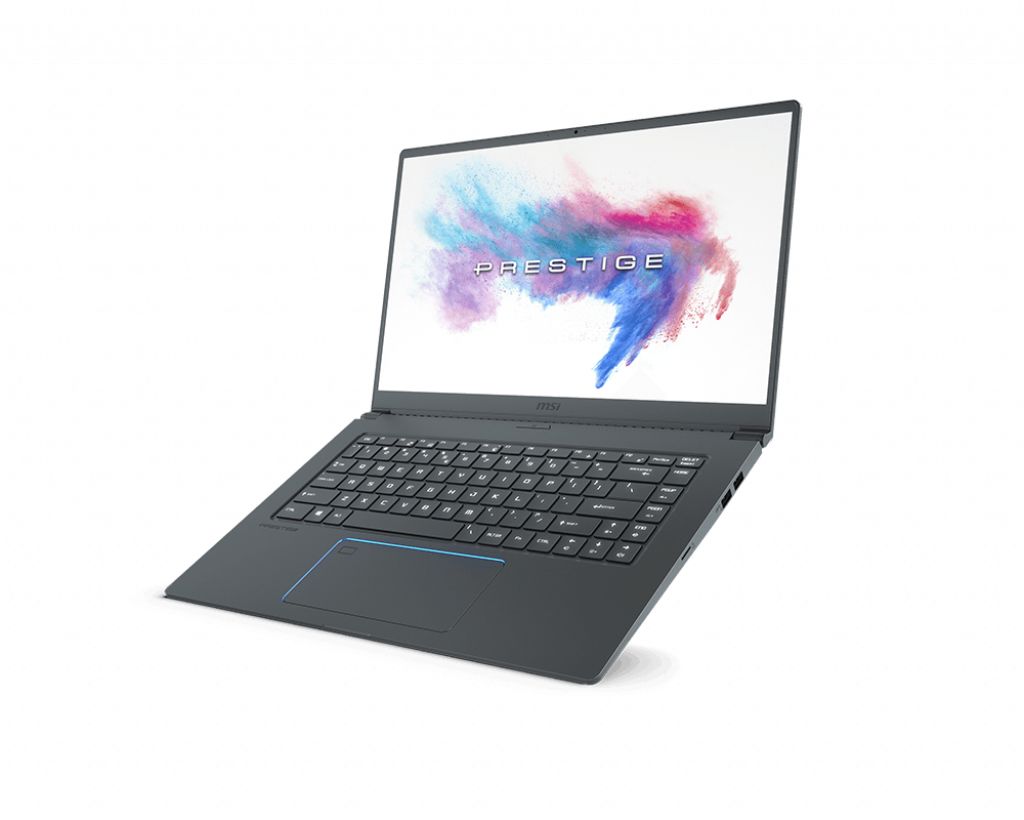
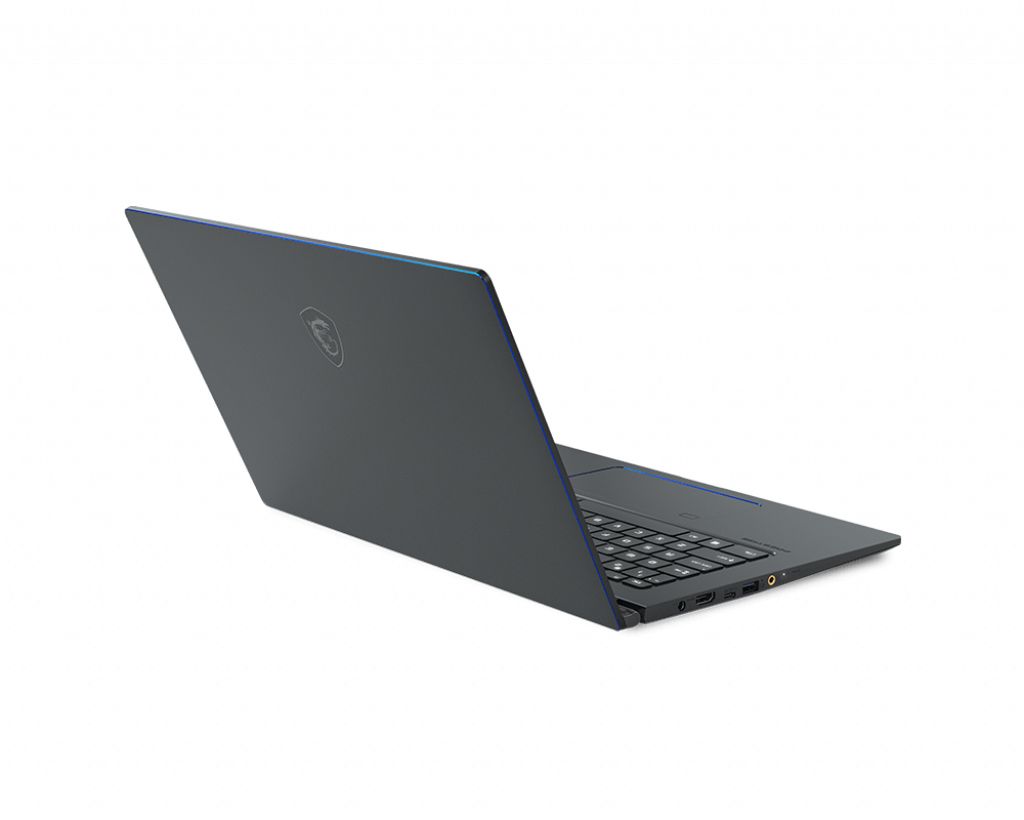
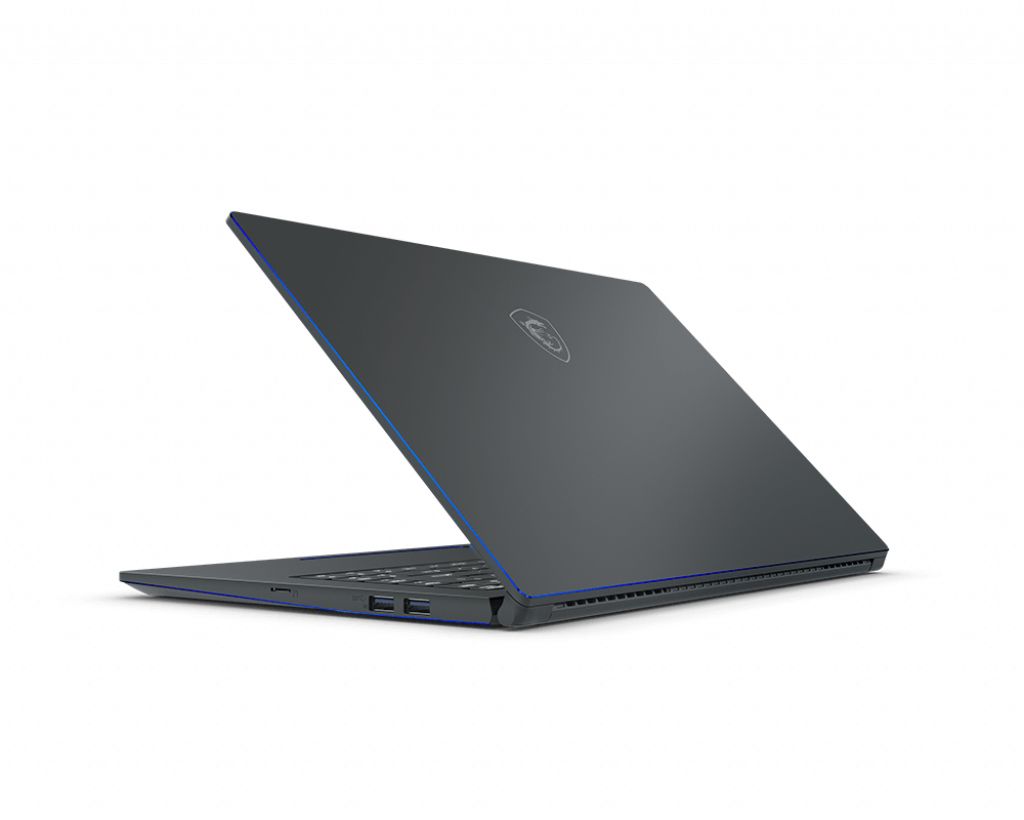
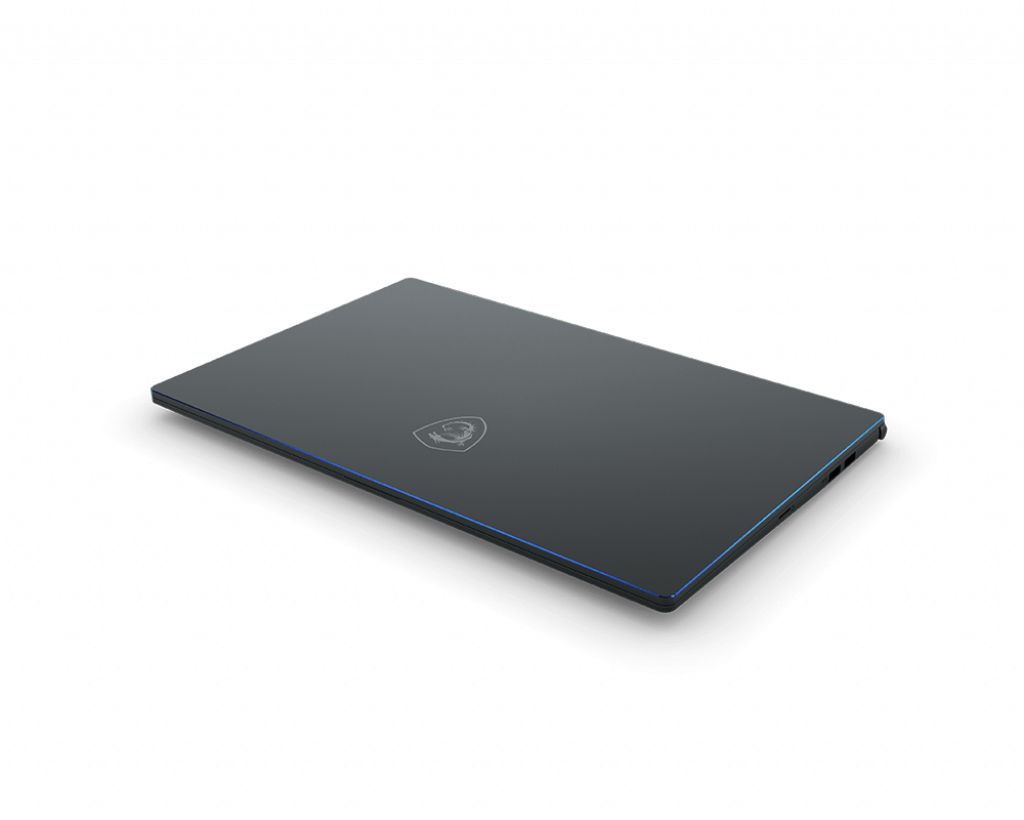
The MSI Prestige PS63 8M-063FR Modern laptop features DDR4-SDRAM memory upgrade specifications with 2x SO-DIMM slots supporting a maximum RAM capacity of 32 GB. Compatible memory modules operate at 2400 MHz frequency using the SO-DIMM form factor. The upgrade specifications enable installation of DDR4 memory modules to enhance system performance and multitasking capabilities on the MSI PS family portable computer.
Memory Upgrade Specifications
| Specification | Value |
|---|---|
| Memory slots | 2x SO-DIMM |
| Form factor | SO-DIMM |
| Memory type | DDR4-SDRAM |
| Frequency | 2400 MHz |
| Maximum RAM | 32 GB |
| Voltage | 1.2V |
| Number of pins | 260-pin |
| Interface | PC4 |
| PC Speed Rating | PC4-2400 (PC4-19200) |
| Bandwidth | 19.2 GB/s |
| Laptop Release date | 22 June 2019 |
Additional Notes
- The MSI Prestige PS63 8M-063FR Modern contains 2 SO-DIMM slots that operate at 2400 MHz, establishing a hard ceiling of 32 GB total system memory regardless of future DDR4 module availability.
- DDR4-2400 represents a bandwidth bottleneck relative to contemporary DDR4-3200 standards; memory-intensive workloads will experience latency penalties, though standard productivity and content consumption tasks remain unaffected.
- SO-DIMM form factor requires laptop-specific memory modules; desktop DDR4 sticks are physically incompatible and cannot be force-fitted without permanent damage to the connector or motherboard.
- Symmetric dual-slot configuration permits matched-pair installation (either 2x8GB or 2x16GB) to enable dual-channel operation; single-slot or mismatched configurations reduce aggregate throughput by approximately 50 percent.
- The 32 GB maximum capacity threshold restricts memory-intensive applications such as video editing, 3D rendering, or large-scale data analysis; upgrade potential terminates at this hardware-defined boundary.
- Warranty coverage for memory upgrades typically remains intact when using manufacturer-approved DDR4-2400 modules; higher-frequency modules may operate but risk voiding coverage if stability issues arise.
- Memory speed negotiation defaults to the lowest-rated module frequency when mixed DDR4 speeds are installed; pairing DDR4-2400 with faster modules forces all memory to operate at 2400 MHz baseline.