MSI Prestige PS63 8M-078NL Modern RAM upgrade specifications
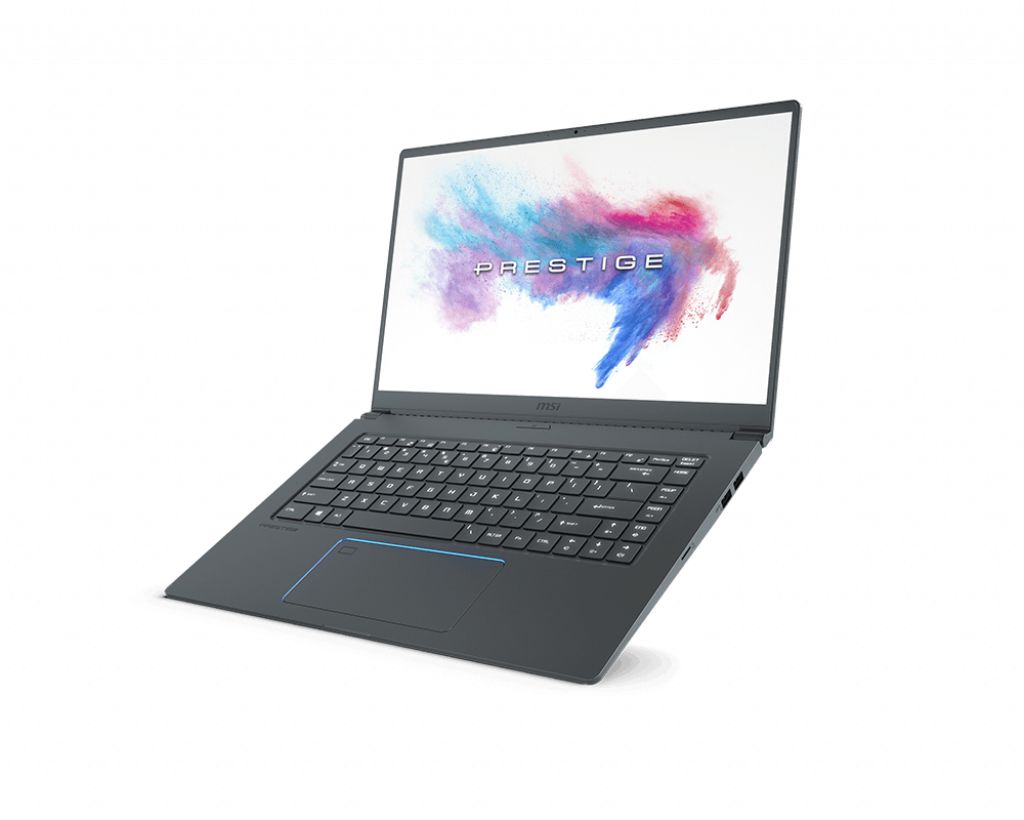
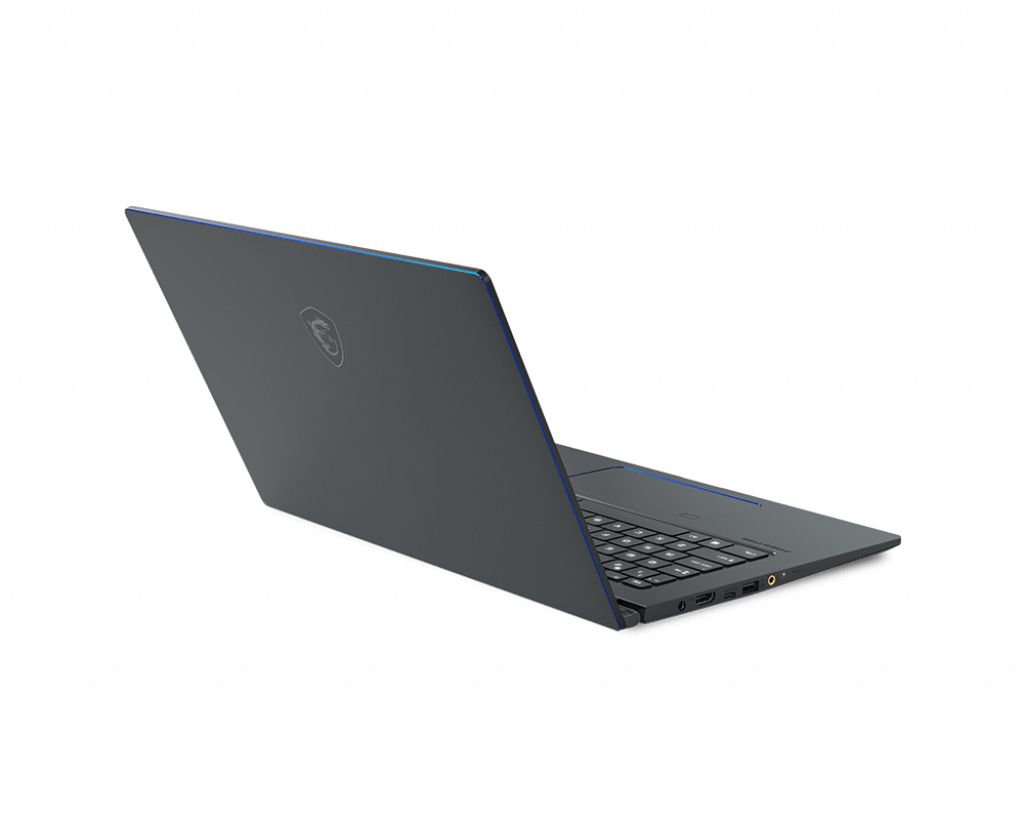
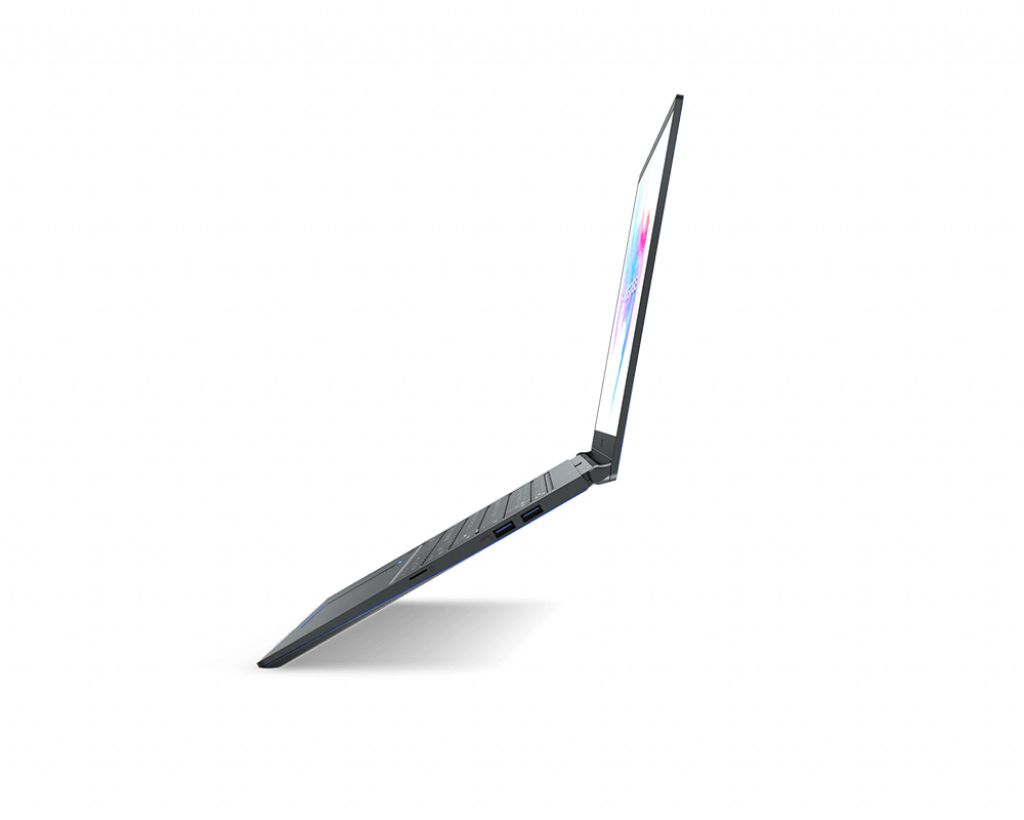
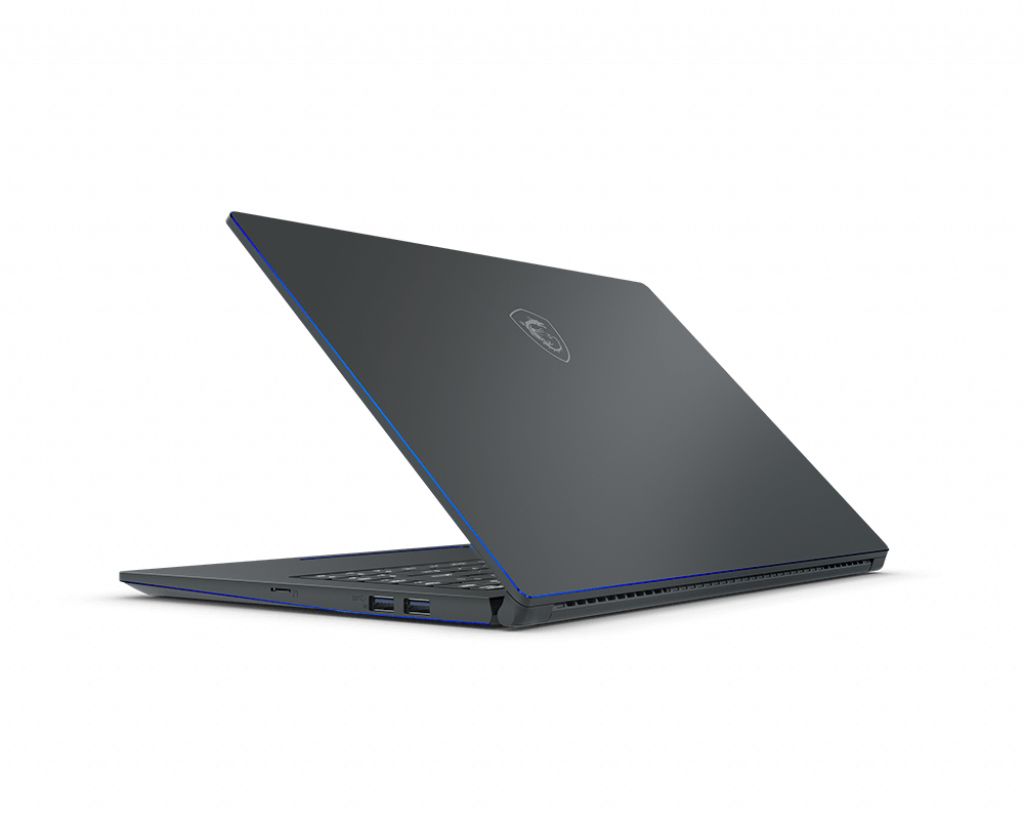
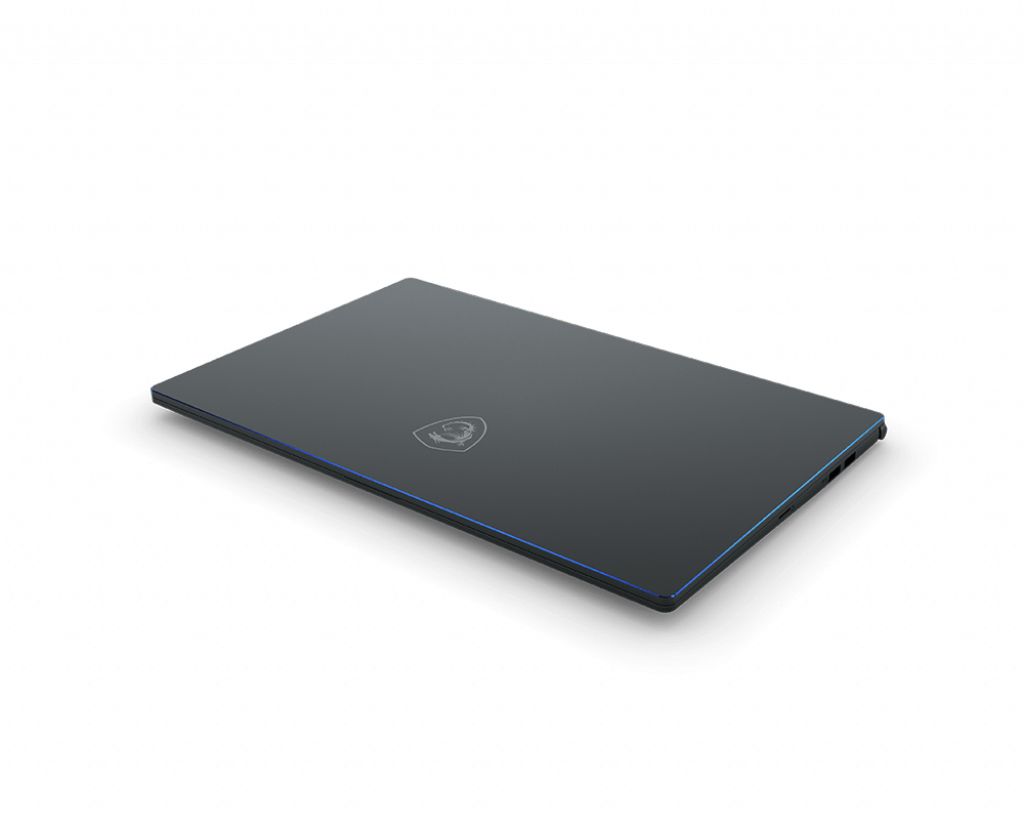
MSI Prestige PS63 8M-078NL Modern laptop supports DDR4-SDRAM memory upgrades via two SO-DIMM slots. Maximum compatible RAM capacity reaches 32 GB total. Memory operates at 2666 MHz frequency. Upgrade specifications accommodate standard SO-DIMM form factor modules. RAM upgrade compatibility limited to DDR4-SDRAM specifications with matching frequency parameters for optimal system performance and stability.
Memory Upgrade Specifications
| Specification | Value |
|---|---|
| Memory slots | 2x SO-DIMM |
| Form factor | SO-DIMM |
| Memory type | DDR4-SDRAM |
| Frequency | 2666 MHz |
| Maximum RAM | 32 GB |
| Voltage | 1.2V |
| Number of pins | 260-pin |
| Interface | PC4 |
| PC Speed Rating | PC4-2666 (PC4-21328) |
| Bandwidth | 21.3 GB/s |
| Laptop Release date | 19 October 2019 |
Additional Notes
- The MSI PS63 8M-078NL Modern accepts standard 260-pin SO-DIMM modules rather than desktop-size DIMMs, restricting compatibility to notebook-specific memory.
- DDR4-2666 represents JEDEC specification rather than overclocked XMP profiles, ensuring broad compatibility without BIOS configuration requirements.
- The 32 GB ceiling requires dual 16 GB modules to reach maximum capacity, as 2 slots cannot accommodate higher densities through this configuration.
- Single-rank versus dual-rank module architecture affects integrated graphics performance, with dual-rank configurations typically providing measurable bandwidth advantages in GPU-dependent tasks.
- CAS latency variations between 17, 19, and 22 within 2666 MHz modules create minor performance deltas, though bandwidth constraints limit practical differences in most workloads.
- Non-ECC unbuffered modules are required, as registered or ECC memory types lack compatibility with consumer mobile chipsets in this platform.
- Operating voltage must remain within 1.2V DDR4 standard specifications, as lower-voltage variants designed for reduced power consumption may encounter stability issues.
- Mixed-capacity configurations maintain functionality but disable dual-channel operation symmetry, effectively running asymmetric mode with bandwidth penalties in memory-intensive operations.
- The bottom panel removal process determines user-accessible upgrade feasibility, with some ultrabook chassis designs requiring complete disassembly beyond typical warranty-safe procedures.
- Pre-installed memory may occupy both slots, necessitating complete replacement rather than supplementary installation to increase total capacity beyond factory configuration.
- Thermal constraints within slim chassis designs limit sustained memory frequency under continuous workloads, though 2666 MHz represents conservative specifications within thermal envelopes.
- JEDEC fallback mechanisms automatically downclock incompatible higher-frequency modules to 2666 MHz, though stability testing remains advisable after such substitutions.