MSI Prestige PS63 8RC-020IT Modern RAM upgrade specifications
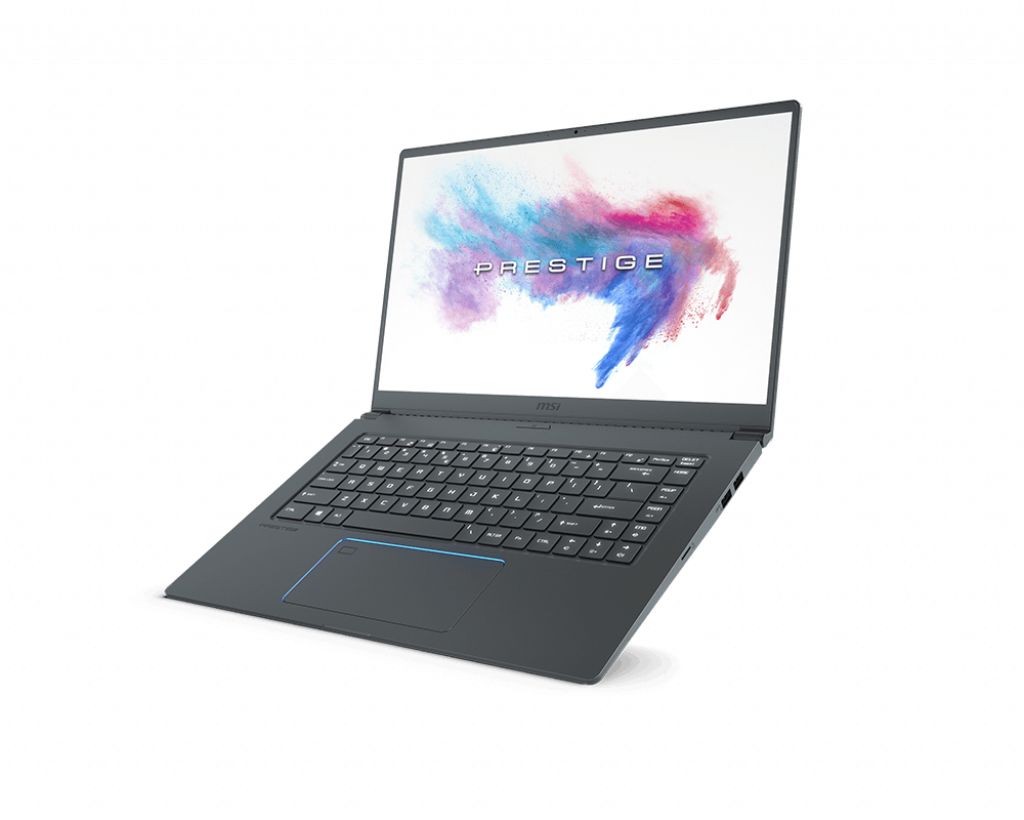
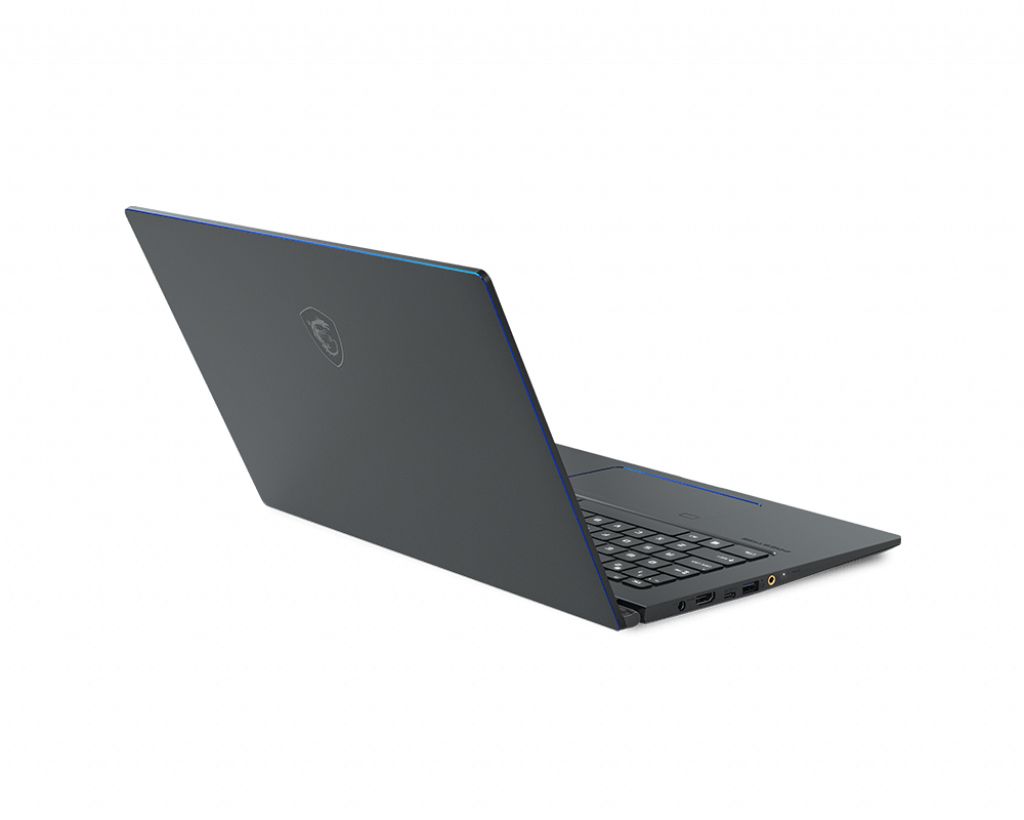

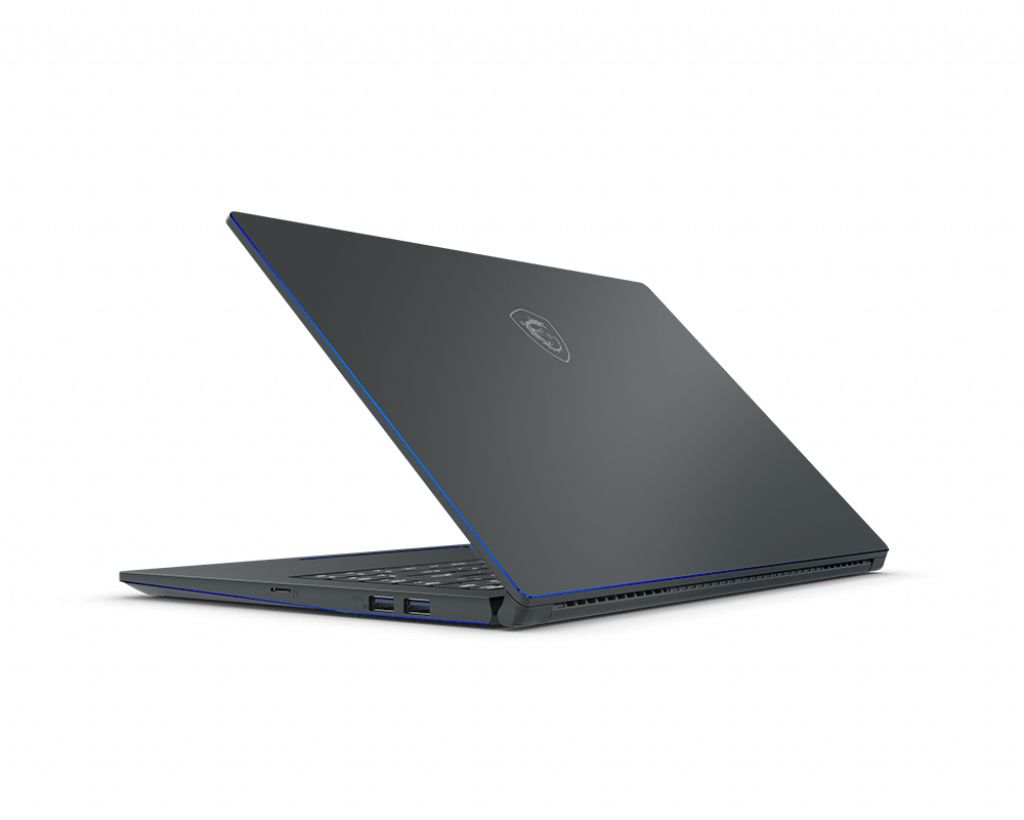
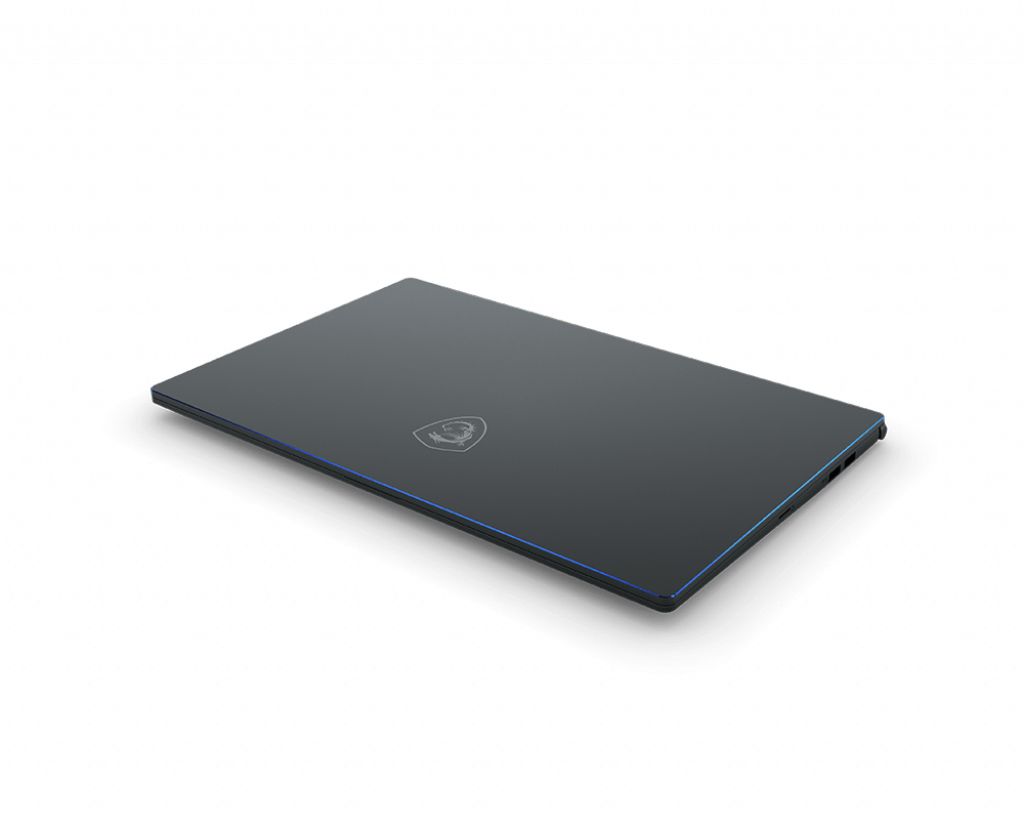
MSI Prestige PS series model PS63 8RC-020IT Modern supports DDR4-SDRAM memory upgrade through 2x SO-DIMM slots. Maximum RAM capacity reaches 32 GB total. Compatible memory operates at 2400 MHz frequency with SO-DIMM form factor specifications. Upgrade specifications enable expansion from factory configuration to maximum capacity of 32 GB across dual memory slots.
Memory Upgrade Specifications
| Specification | Value |
|---|---|
| Memory slots | 2x SO-DIMM |
| Form factor | SO-DIMM |
| Memory type | DDR4-SDRAM |
| Frequency | 2400 MHz |
| Maximum RAM | 32 GB |
| Voltage | 1.2V |
| Number of pins | 260-pin |
| Interface | PC4 |
| PC Speed Rating | PC4-2400 (PC4-19200) |
| Bandwidth | 19.2 GB/s |
| Laptop Release date | 16 January 2019 |
Additional Notes
- The MSI PS63 8RC-020IT Modern accepts only DDR4 SO-DIMM modules, excluding compatibility with desktop-sized DIMM memory or older DDR3 standards regardless of physical adapters.
- The 2400 MHz frequency ceiling prevents faster modules rated at 2666 MHz or 3200 MHz from operating beyond this speed, resulting in automatic downclocking to match the chipset limitation.
- The 32 GB maximum capacity constraint reflects chipset addressing limits, requiring a 16 GB per slot configuration to reach full capacity rather than higher-density single modules.
- The dual-channel SO-DIMM architecture requires matched pairs for optimal memory bandwidth, as asymmetric configurations force single-channel operation and reduce throughput by approximately 50 percent.
- Access to both memory slots typically requires complete bottom panel removal and potential disassembly of internal components depending on the motherboard layout.
- Non-standard voltage modules such as low-voltage DDR4L at 1.2V versus standard 1.2V may cause POST failures or instability if the system firmware lacks adaptive voltage control.
- Installing unbuffered (non-ECC) modules remains essential, as registered or ECC SO-DIMMs designed for server applications will not initialize in consumer-grade mobile platforms.
- The absence of quad-channel support limits memory parallelism compared to workstation-class systems, concentrating bandwidth constraints during simultaneous intensive operations.
- Mixing modules with different CAS latencies forces the memory controller to adopt the slower timing specification across all installed capacity.
- Warranty preservation typically requires avoiding physical damage to retention clips or surrounding PCB traces during installation procedures.