MSI Prestige PS63 8RC-032BE Modern RAM upgrade specifications
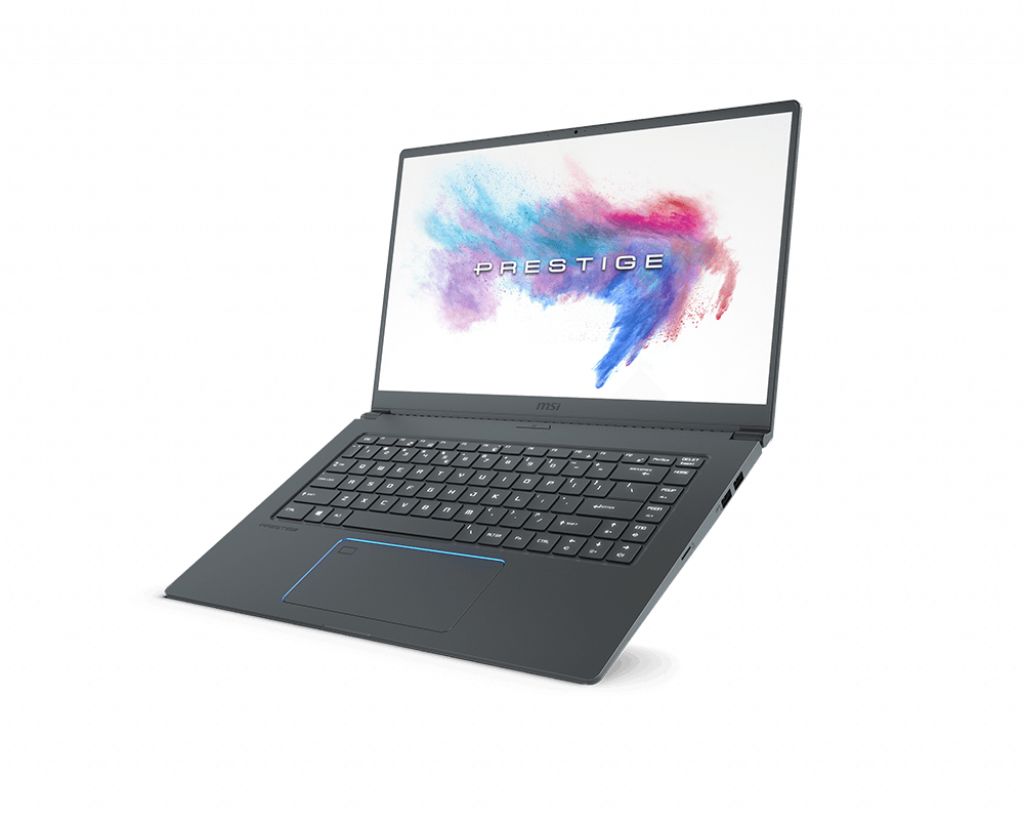
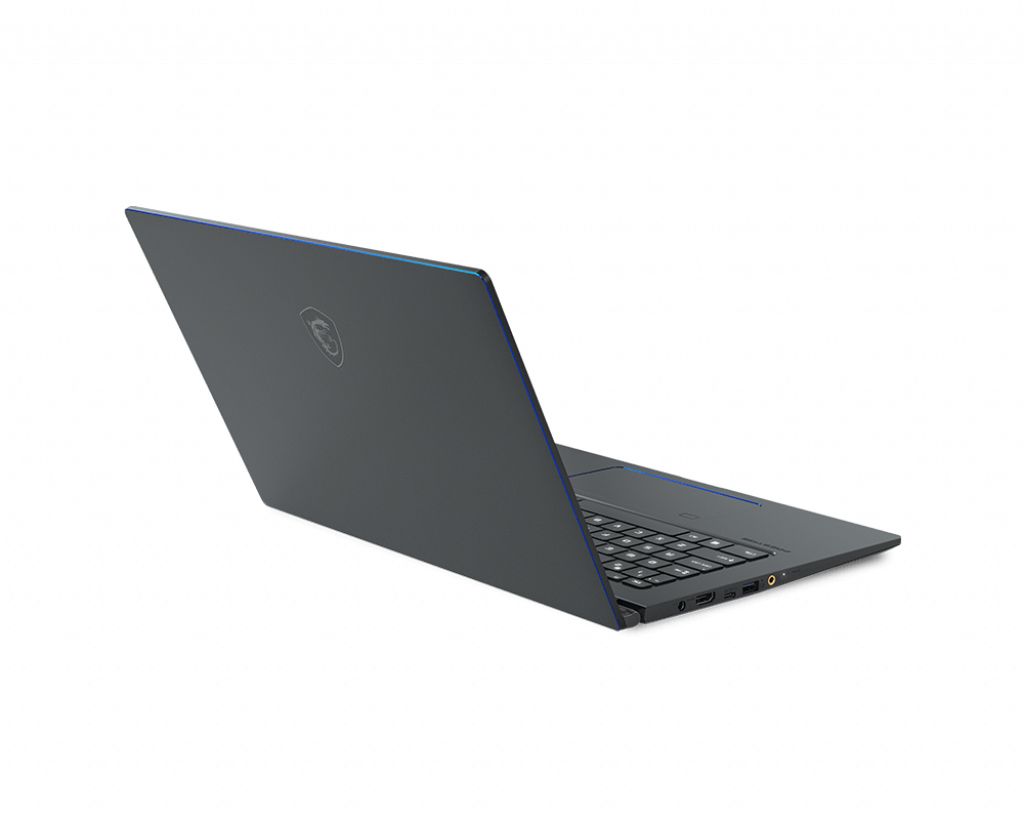
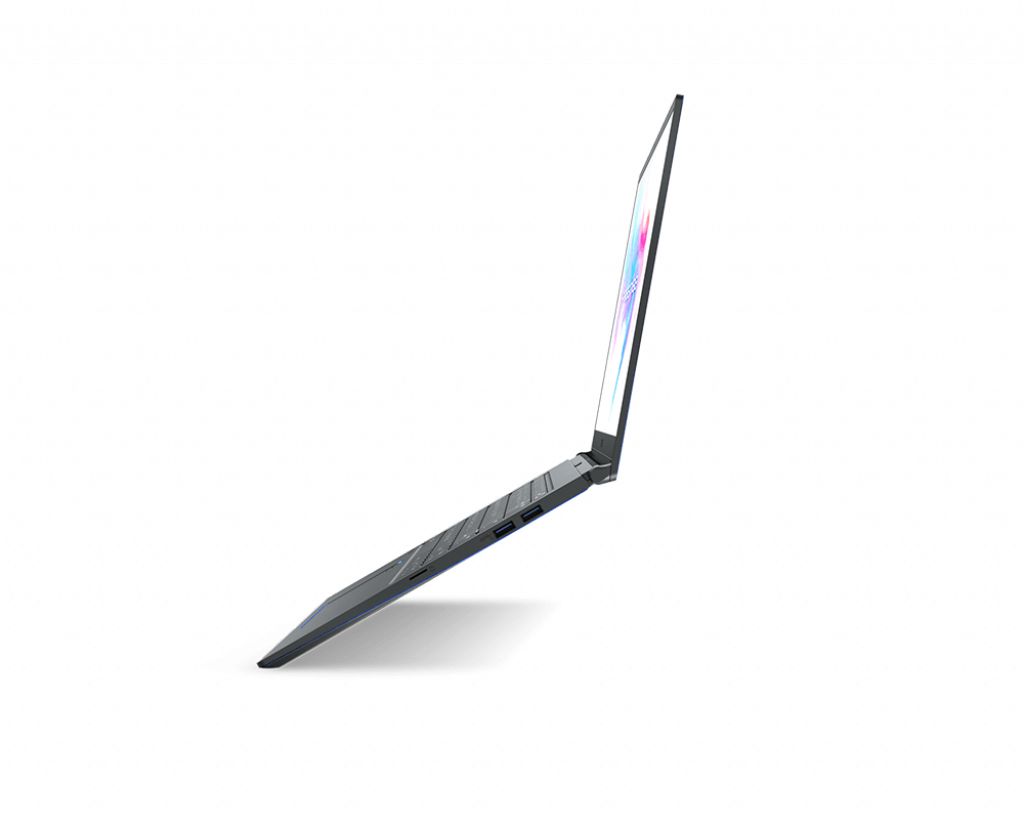
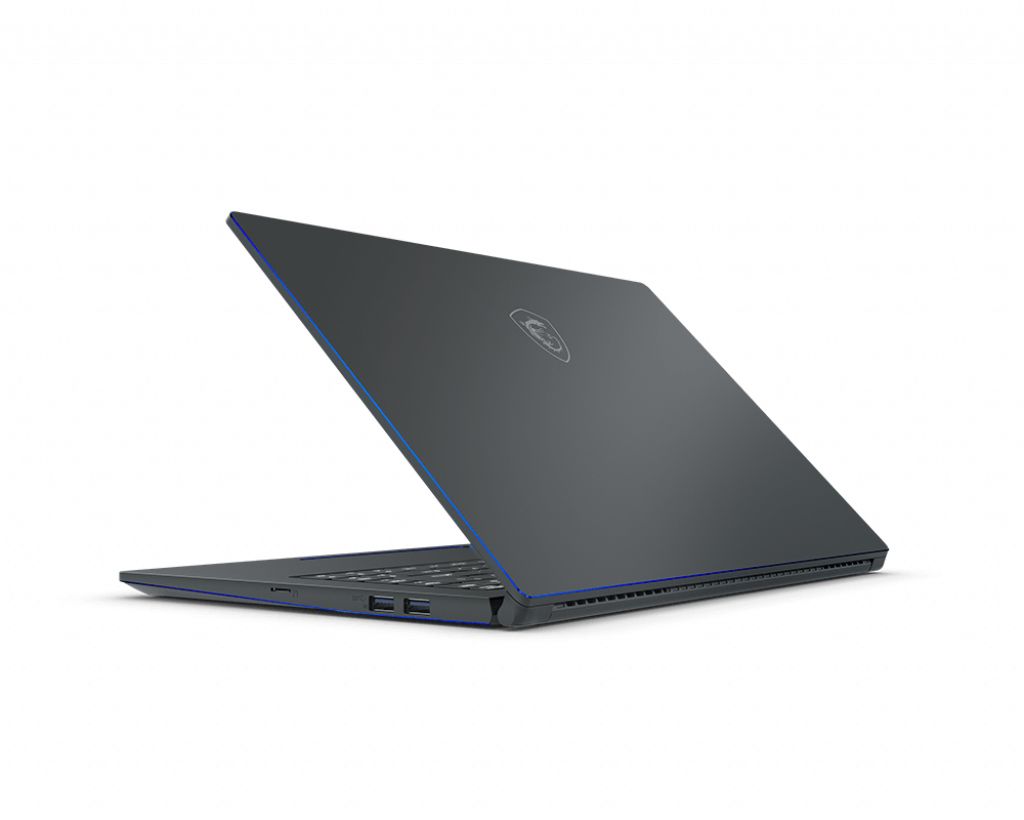
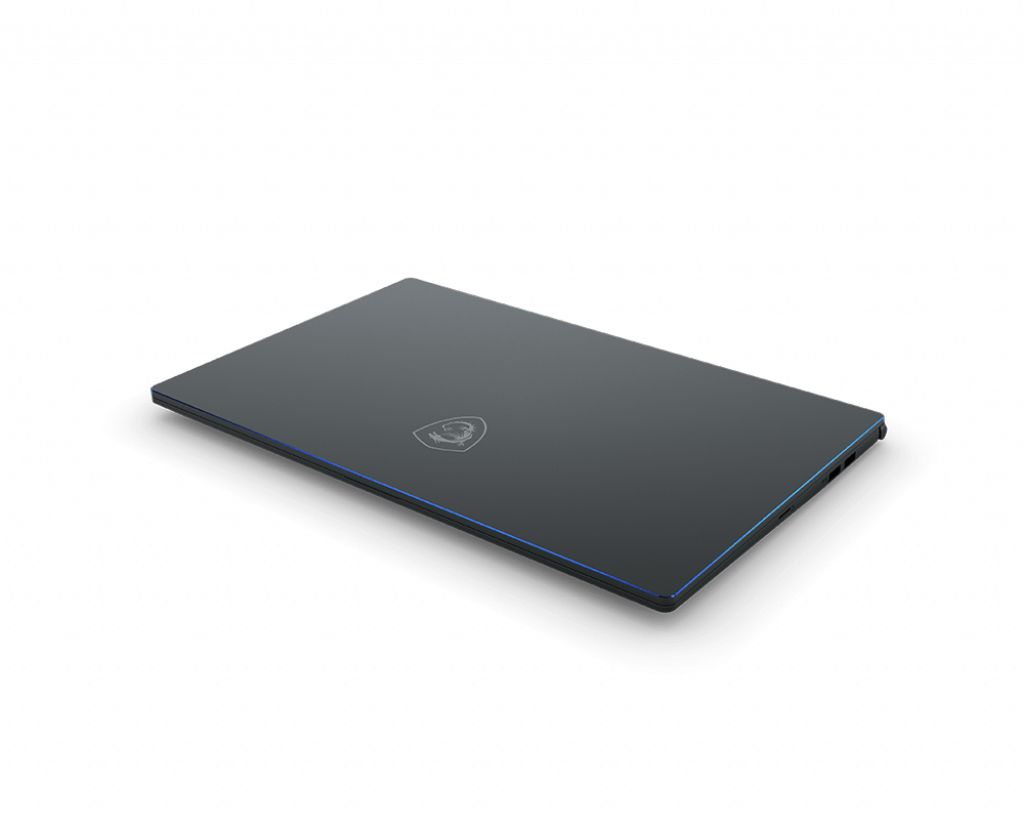
MSI Prestige PS63 8RC-032BE Modern laptop supports DDR4-SDRAM memory upgrades. The system features 2x SO-DIMM slots for RAM expansion, with maximum supported capacity of 32 GB total memory. Compatible upgrades utilize SO-DIMM form factor modules operating at 2400 MHz frequency. Specifications define upgrade compatibility and maximum memory configuration for the PS series model.
Memory Upgrade Specifications
| Specification | Value |
|---|---|
| Memory slots | 2x SO-DIMM |
| Form factor | SO-DIMM |
| Memory type | DDR4-SDRAM |
| Frequency | 2400 MHz |
| Maximum RAM | 32 GB |
| Voltage | 1.2V |
| Number of pins | 260-pin |
| Interface | PC4 |
| PC Speed Rating | PC4-2400 (PC4-19200) |
| Bandwidth | 19.2 GB/s |
| Laptop Release date | 07 February 2019 |
Additional Notes
- The MSI Prestige PS63 8RC-032BE Modern supports DDR4-2400 memory, which operates at a lower frequency than contemporary DDR4 standards (2666, 2933, 3200 MHz). Aftermarket modules rated for higher speeds will downclock to 2400 MHz, eliminating performance gains from premium memory purchases.
- Dual SO-DIMM slots mean both memory modules must be populated simultaneously to reach the 32 GB maximum capacity. Single-slot configurations operate at reduced bandwidth due to single-channel architecture, resulting in measurable performance degradation in memory-intensive applications.
- SO-DIMM form factor restricts compatible modules to laptop-grade memory only. Standard desktop DDR4 UDIMMs are physically incompatible with the motherboard slots and cannot be adapted without external enclosures, eliminating bulk purchasing or inventory reuse options.
- Upgrading from factory-installed configurations to 32 GB requires both SO-DIMM slots to accept matched pairs. Mismatched capacities or speeds between slots may trigger BIOS errors or forced downclocking to the slowest module's specification, necessitating identical module selection for warranty compliance.
- The 2400 MHz constraint indicates first-generation Coffee Lake architecture (8th-gen Intel). Memory controller bandwidth at this speed provides sufficient throughput for CPU-GPU integration but becomes a bottleneck when pairing with discrete NVIDIA or AMD graphics cards under sustained workloads.