MSI Prestige PS63 8RC-094RU Modern RAM upgrade specifications
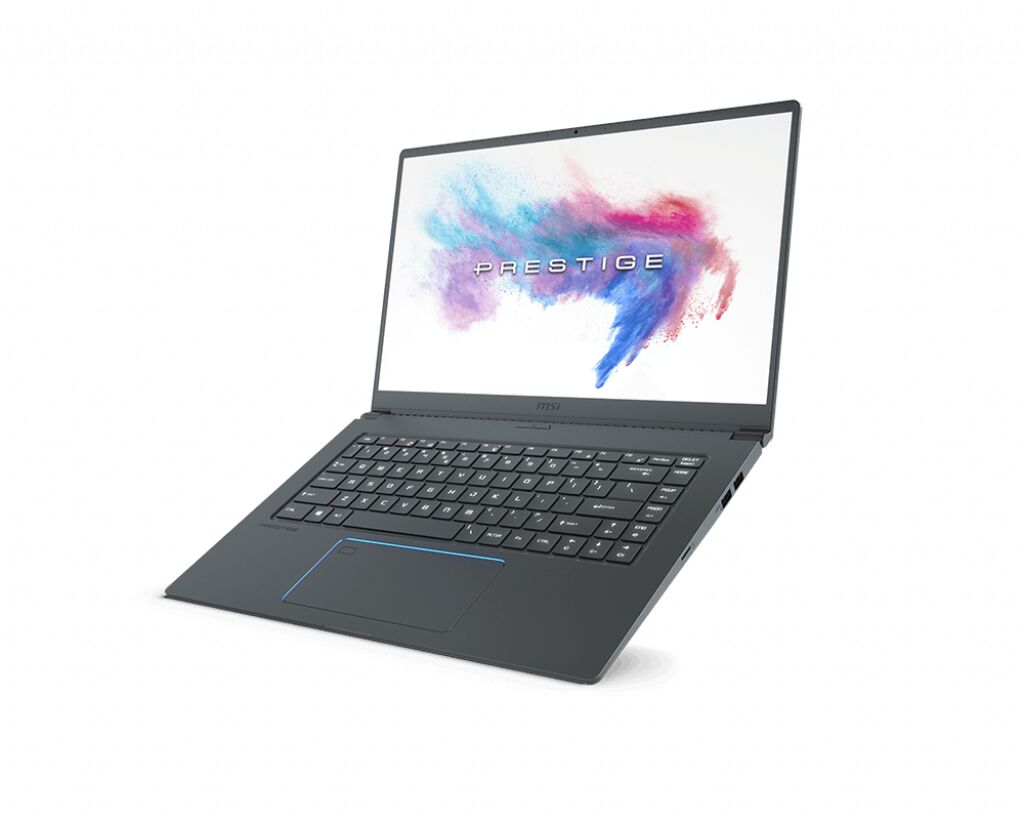
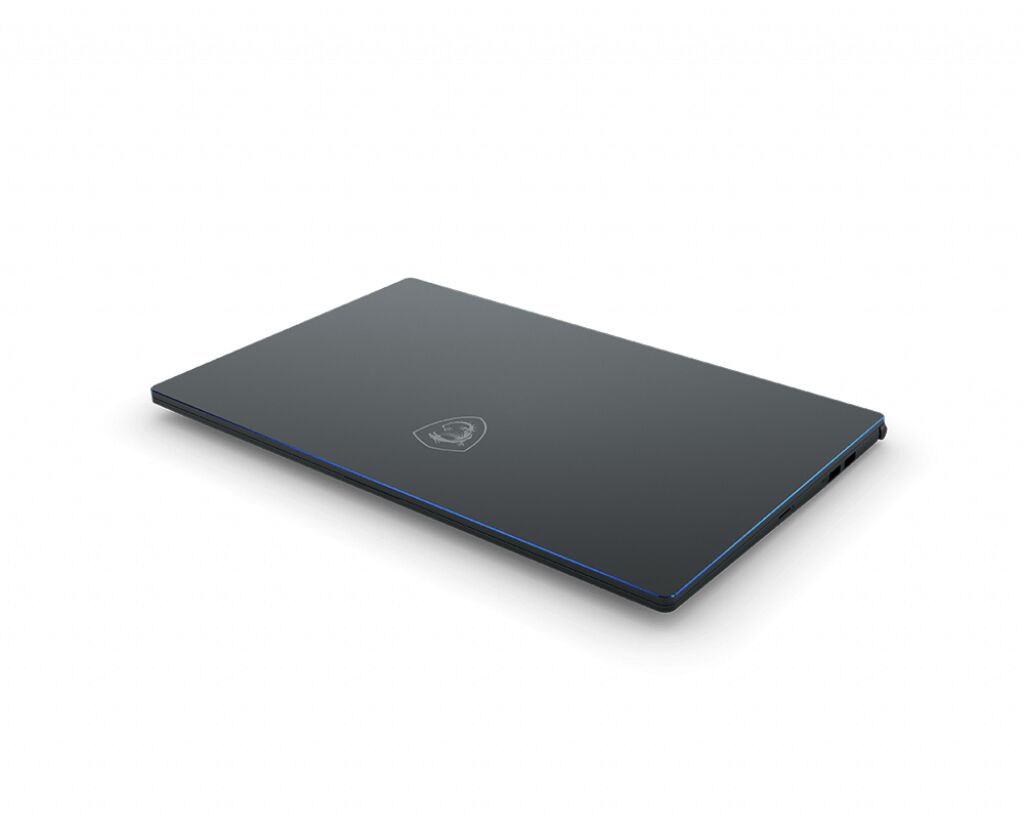
MSI Prestige PS63 8RC-094RU Modern laptop supports DDR4-SDRAM memory upgrades through two SO-DIMM slots. Maximum compatible RAM capacity reaches 32 GB total. Memory specifications require DDR4 modules operating at 2400 MHz frequency. Upgrade options allow users to expand existing memory configurations by installing compatible SO-DIMM form factor modules into available slots. Current specifications define the memory upgrade parameters and compatible RAM configurations for this MSI Prestige PS series model.
Memory Upgrade Specifications
| Specification | Value |
|---|---|
| Memory slots | 2x SO-DIMM |
| Form factor | SO-DIMM |
| Memory type | DDR4-SDRAM |
| Frequency | 2400 MHz |
| Maximum RAM | 32 GB |
| Voltage | 1.2V |
| Number of pins | 260-pin |
| Interface | PC4 |
| PC Speed Rating | PC4-2400 (PC4-19200) |
| Bandwidth | 19.2 GB/s |
| Laptop Release date | 15 July 2019 |
Additional Notes
- The MSI Prestige PS63 8RC-094RU Modern accepts dual-channel memory configurations, enabling symmetric capacity distribution across both slots for optimal bandwidth utilization.
- DDR4-2400 represents JEDEC standard baseline timing, typically operating at CL17 latency specifications without requiring XMP profile activation.
- SO-DIMM modules measuring 67.6mm in length are required, excluding standard desktop DIMM form factors from compatibility consideration.
- The 32 GB ceiling supports either 2x16 GB matched pairs or asymmetric configurations like 16 GB + 8 GB, though the latter reduces dual-channel efficiency on unmatched portions.
- Eighth-generation Intel mobile platforms underlying this chassis enforce DDR4-2400 as the maximum validated frequency, with higher-rated modules downclocking automatically to this specification.
- Non-soldered SO-DIMM slots preserve user-serviceable upgrade access without voiding manufacturer warranties, provided electrostatic discharge precautions are observed.
- Voltage requirements remain fixed at 1.2V standard for DDR4, eliminating low-voltage DDR3L or DDR3 compatibility despite physical slot similarities.
- Single-rank versus dual-rank module architecture affects population rules when approaching maximum capacity, with some 16 GB modules requiring specific rank configurations for stability.
- Memory bandwidth peaks at 37.5 GB/s theoretical throughput in dual-channel mode, sufficient for integrated graphics frame buffer allocation without throttling.
- Temperature tolerances within the slim chassis design favor modules with standard heat spreader profiles over extended gaming-oriented heat sink designs.