MSI Prestige PS63 8SC-023CZ Modern RAM upgrade specifications

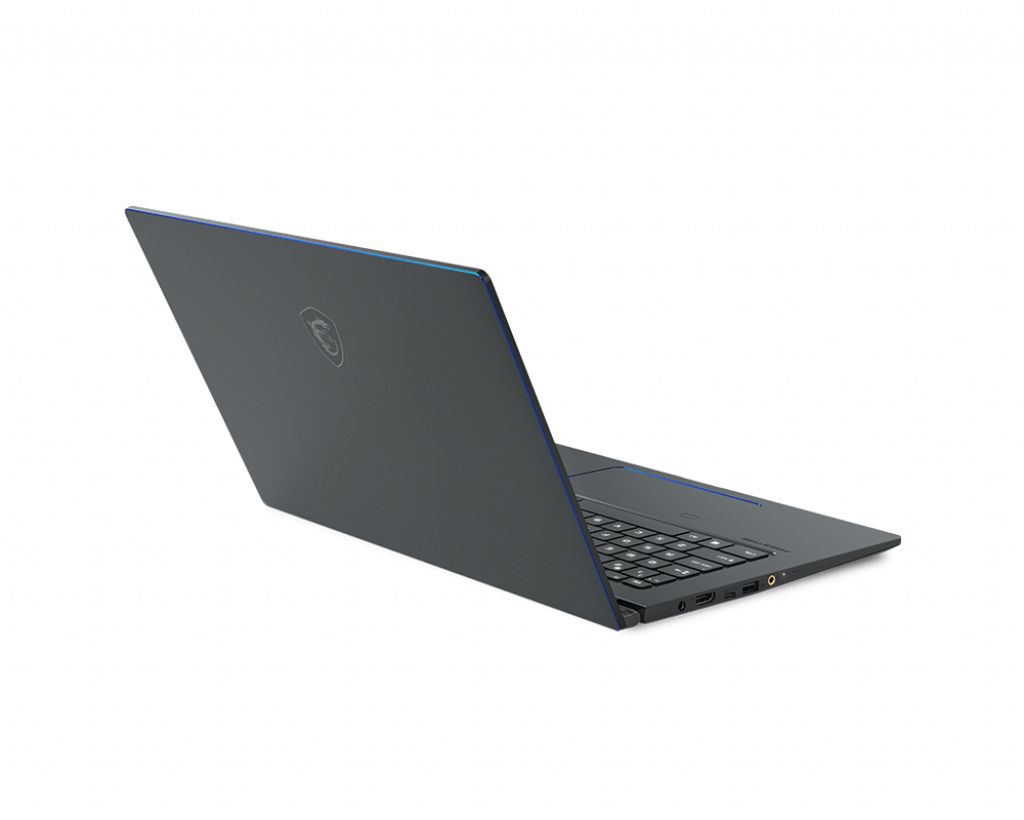

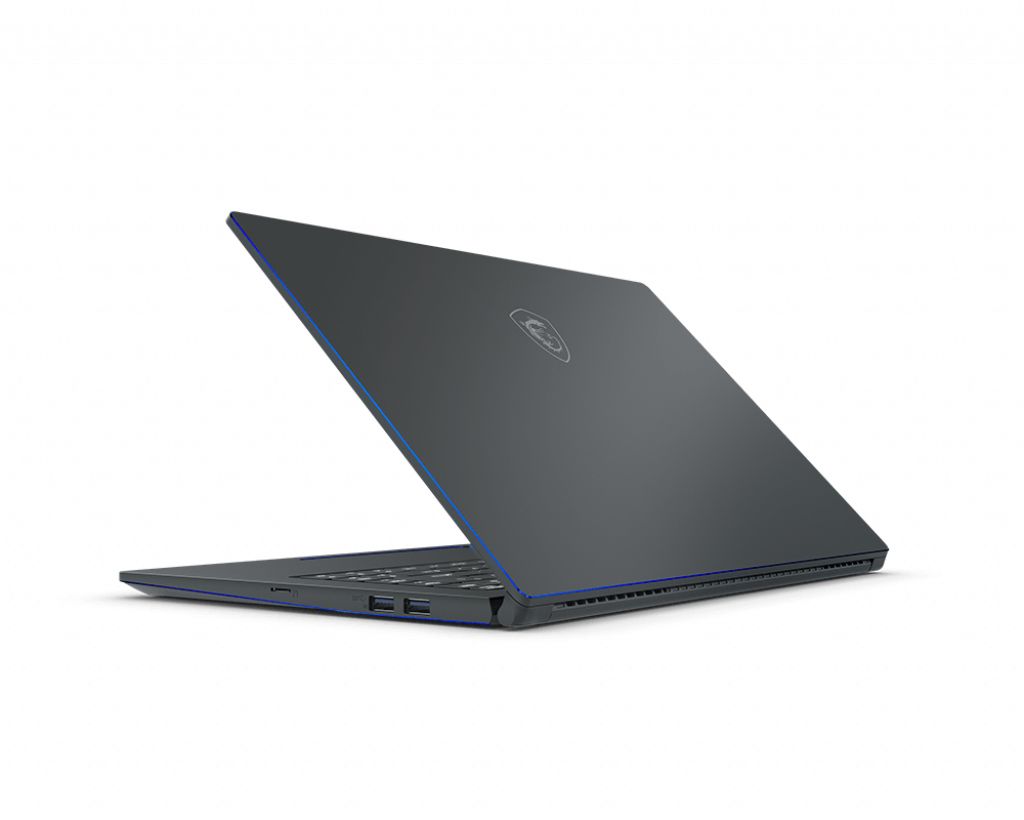
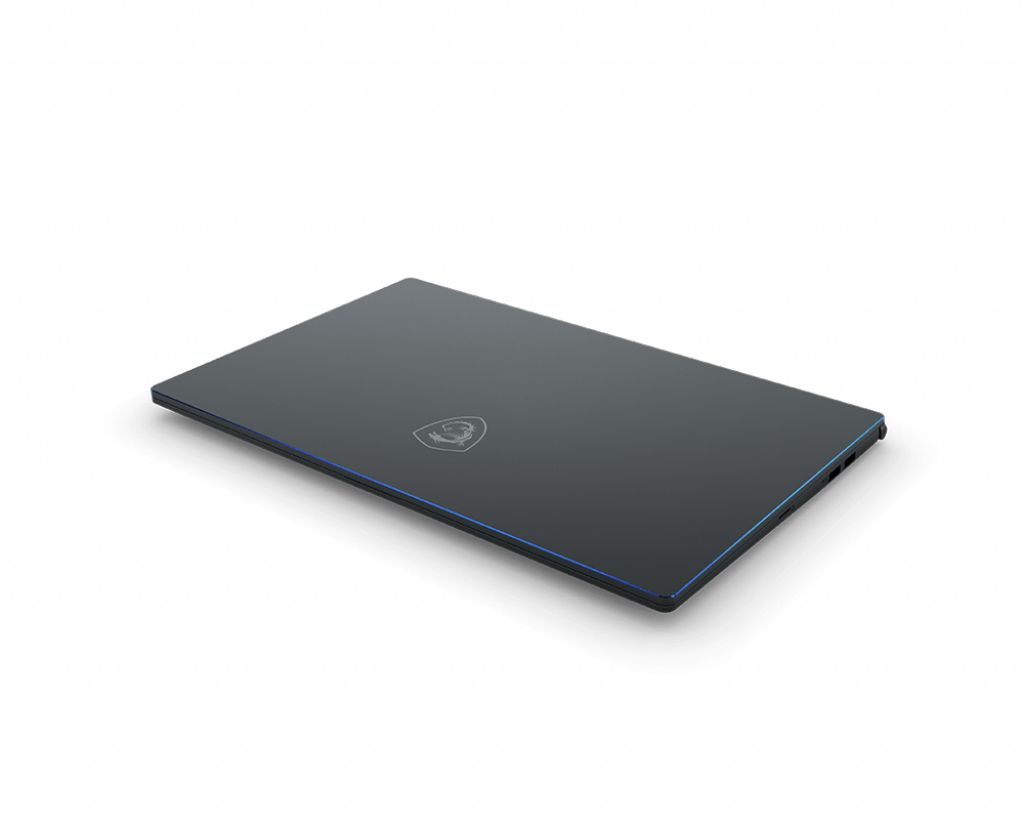
MSI Prestige PS63 8SC-023CZ Modern laptop RAM upgrade specifications include DDR4-SDRAM memory with 2x SO-DIMM slots supporting maximum capacity of 32 GB. Compatible memory upgrade modules feature SO-DIMM form factor and 2400 MHz frequency. The specifications indicate available slots for memory expansion on the PS series model, enabling users to upgrade RAM capacity according to system requirements and compatible parameters.
Memory Upgrade Specifications
| Specification | Value |
|---|---|
| Memory slots | 2x SO-DIMM |
| Form factor | SO-DIMM |
| Memory type | DDR4-SDRAM |
| Frequency | 2400 MHz |
| Maximum RAM | 32 GB |
| Voltage | 1.2V |
| Number of pins | 260-pin |
| Interface | PC4 |
| PC Speed Rating | PC4-2400 (PC4-19200) |
| Bandwidth | 19.2 GB/s |
| Laptop Release date | 25 May 2019 |
Additional Notes
- The MSI Prestige PS63 8SC-023CZ Modern architecture limits memory configurations to dual-channel setups, preventing installation of single or quad-module configurations.
- Desktop-class DIMM modules are physically incompatible with the notebook form factor, requiring SO-DIMM variants exclusively for successful installation.
- The 2400 MHz frequency specification indicates DDR4-2400 PC4-19200 modules are necessary, as higher-rated modules will downclock to match this controller limitation.
- A 32 GB ceiling constrains professional workflows involving large datasets, virtualization with multiple concurrent instances, or memory-intensive rendering operations.
- The memory controller architecture rejects DDR3L modules despite physical SO-DIMM compatibility, creating potential confusion during incorrect purchasing decisions.
- Dual-rank 16 GB SO-DIMM modules are required to reach maximum capacity, whereas single-rank variants may limit configurations to lower total capacities.
- Mismatched module capacities between slots will maintain functionality but may introduce asymmetric channel operation, potentially reducing peak bandwidth efficiency.
- Upgrading beyond manufacturer specifications may void warranty coverage, particularly if installation damage occurs to the retention clips or module sockets.
- The 2400 MHz standard operates at 1.2V, preventing compatibility with older 1.35V or 1.5V DDR3 modules despite similar physical dimensions.
- Accessing the memory compartment typically requires complete bottom panel removal rather than dedicated service doors, increasing disassembly complexity for end-users.
- Thermal constraints in thin chassis designs may throttle performance before memory bandwidth becomes the limiting factor in sustained workloads.
- Non-ECC unbuffered modules are required, as registered or error-correcting variants introduce timing incompatibilities with consumer-grade memory controllers.