MSI Stealth A13VF-068FR RAM upgrade specifications

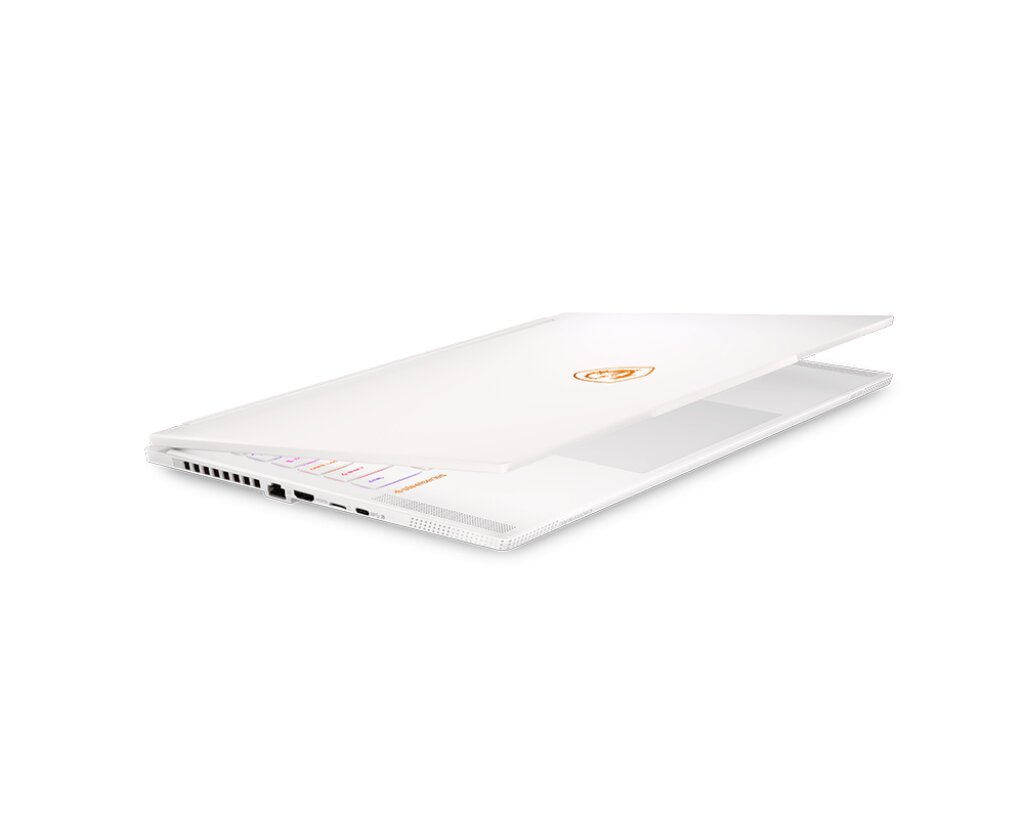
MSI Stealth 16 Studio A13VF-068FR laptop features DDR5-SDRAM memory upgrade specifications. The system includes 2x SO-DIMM slots for memory expansion, supporting maximum RAM capacity of 64 GB. Compatible memory modules operate at 5200 MHz frequency and utilize SO-DIMM form factor. Upgrade specifications enable users to expand total memory capacity up to the supported maximum through compatible DDR5-SDRAM modules installed in available slots.
Memory Upgrade Specifications
| Specification | Value |
|---|---|
| Memory slots | 2x SO-DIMM |
| Form factor | SO-DIMM |
| Memory type | DDR5-SDRAM |
| Frequency | 5200 MHz |
| Maximum RAM | 64 GB |
| Voltage | 1.1V |
| Number of pins | 262-pin |
| Interface | PC5 |
| PC Speed Rating | PC5-5200 (PC5-41600) |
| Bandwidth | 41.6 GB/s |
| Laptop Release date | 16 September 2023 |
Additional Notes
- The MSI Stealth A13VF-068FR supports DDR5 SO-DIMM modules exclusively, preventing the use of any DDR4 or older generation memory due to incompatible voltage requirements and physical notch positioning.
- The 64 GB maximum capacity constraint requires dual 32 GB modules to reach the ceiling, as higher-density single modules would exceed the chipset's addressing capabilities.
- The 5200 MHz native frequency operates within JEDEC specifications for DDR5, eliminating the need for XMP profile activation that could void manufacturer support agreements.
- Dual-channel architecture across the 2 SO-DIMM slots delivers 83.2 GB/s theoretical bandwidth when populated symmetrically, but mismatched module capacities will downclock to single-channel operation in affected ranks.
- The SO-DIMM form factor imposes thermal constraints compared to desktop UDIMM modules, as the reduced PCB surface area concentrates heat in a smaller footprint during sustained workloads.
- Memory installed in both slots creates ranked interleaving that halves latency penalties during sequential access patterns, but asymmetric population degrades this benefit.
- The absence of ECC support in standard DDR5 SO-DIMM configurations means on-die error correction handles transient faults, but uncorrectable errors will still cause system instability.
- Upgrading beyond factory specifications requires verifying module compatibility with the specific Intel or AMD chipset generation, as vendor-validated QVL lists prevent post-installation recognition failures.
- The soldered design of many modern thin chassis does not apply here, as the discrete SO-DIMM slots permit user-serviceable upgrades without specialized reballing equipment.
- Higher frequency modules rated above 5200 MHz will automatically downclock to this speed ceiling, wasting the premium cost differential without delivering performance gains.
- Mixed-brand modules with identical specifications may introduce sub-timing mismatches that force the memory controller to apply conservative fallback settings, reducing effective throughput.