MSI Sword 17 A11UC-074AU RAM upgrade specifications

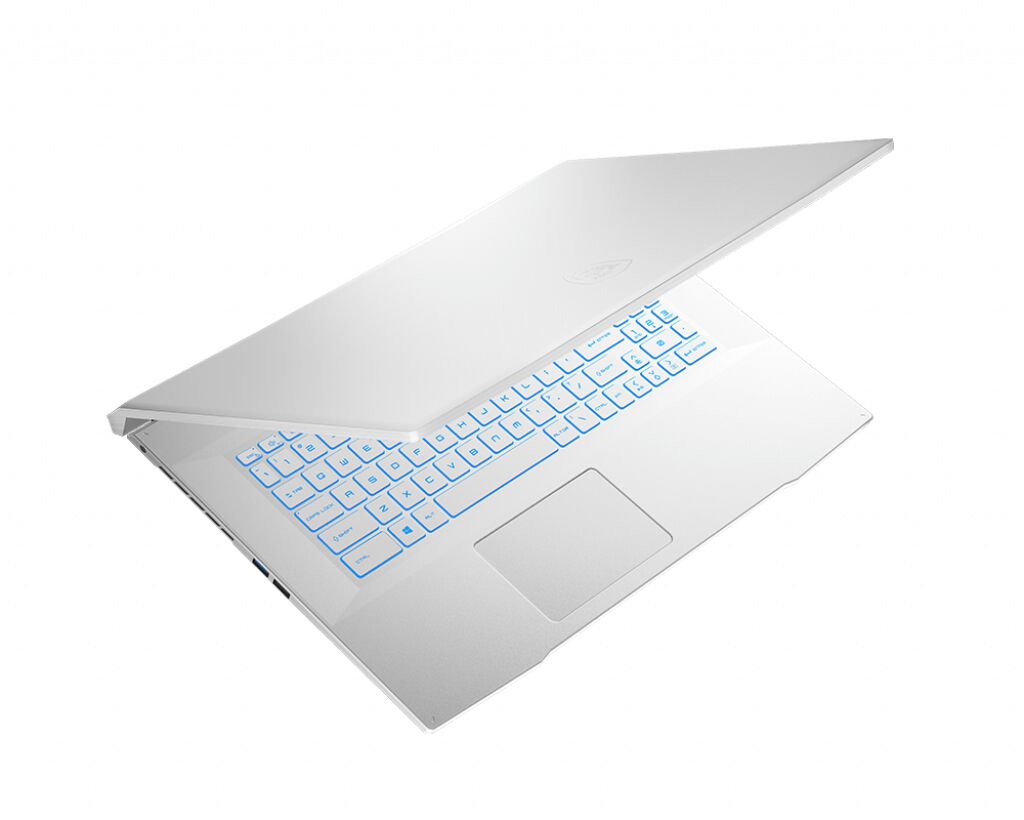
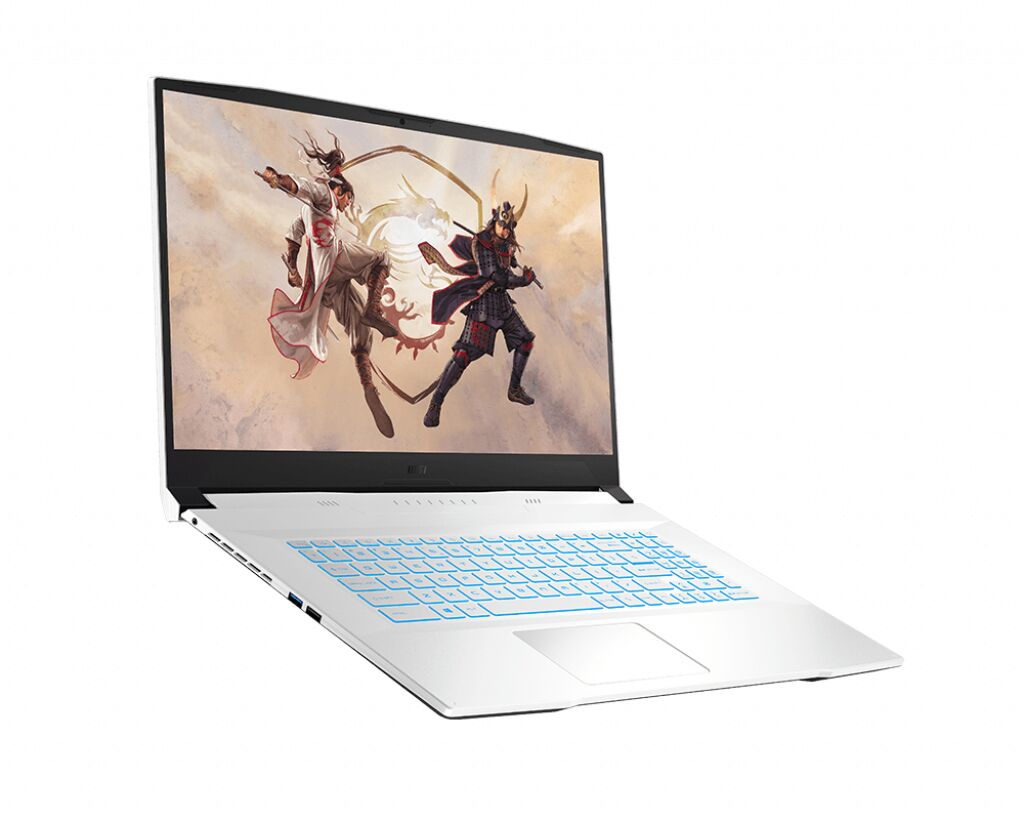
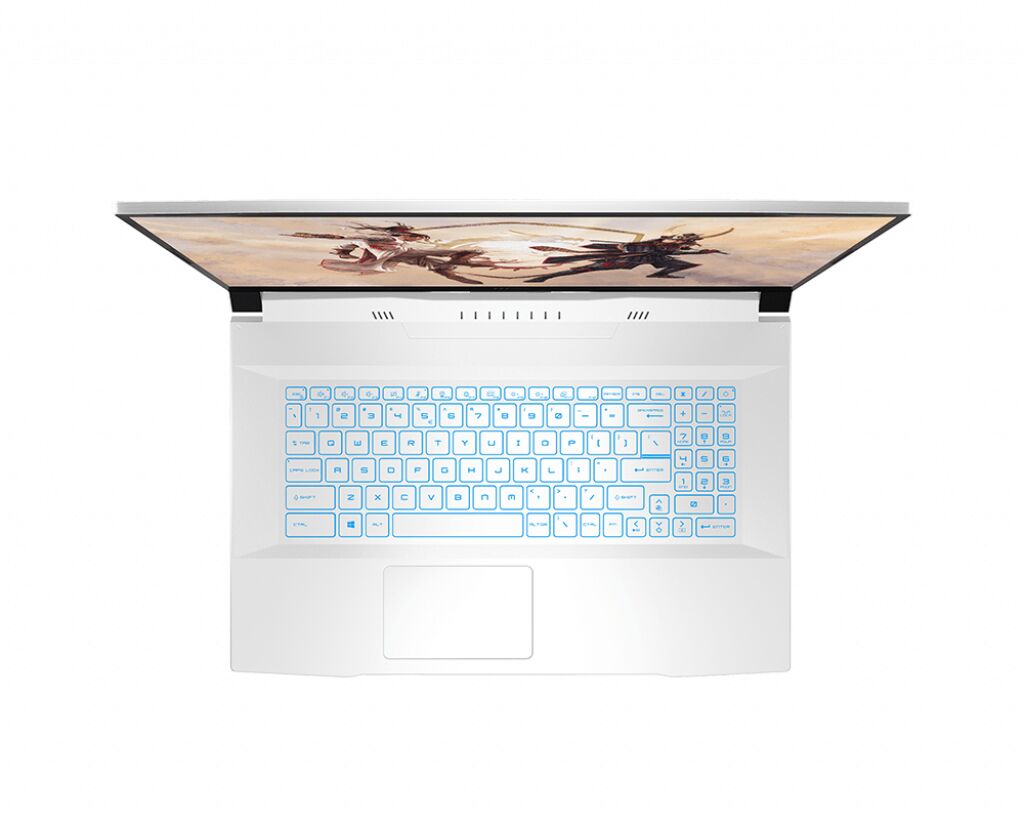
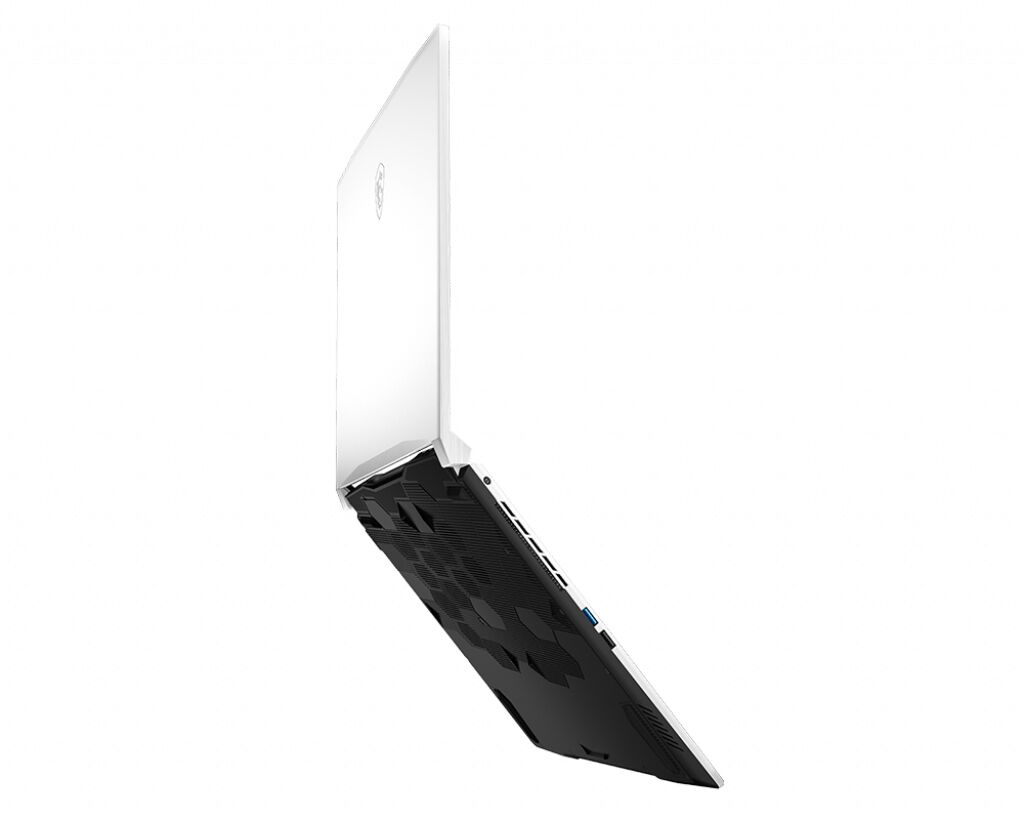
MSI Sword 17 A11UC-074AU laptop memory upgrade specifications include two SO-DIMM slots supporting DDR4-SDRAM memory at 3200 MHz frequency. Maximum RAM capacity reaches 64 GB, providing substantial upgrade potential from factory configuration. Compatible memory modules utilize SO-DIMM form factor standard for portable computing. RAM upgrade enables enhanced multitasking and performance capabilities for intensive applications.
Memory Upgrade Specifications
| Specification | Value |
|---|---|
| Memory slots | 2x SO-DIMM |
| Form factor | SO-DIMM |
| Memory type | DDR4-SDRAM |
| Frequency | 3200 MHz |
| Maximum RAM | 64 GB |
| Voltage | 1.2V |
| Number of pins | 260-pin |
| Interface | PC4 |
| PC Speed Rating | PC4-3200 (PC4-25600) |
| Bandwidth | 25.6 GB/s |
| Laptop Release date | 16 May 2021 |
Additional Notes
- The MSI Sword 17 A11UC-074AU contains 2 SO-DIMM slots operating in dual-channel configuration, enabling symmetric memory bandwidth utilization across both channels.
- DDR4-3200 specifications indicate compatibility constraints with older DDR3 modules and forward incompatibility with DDR5 systems, locking the upgrade path to DDR4 JEDEC or manufacturer-validated overclocked variants.
- The 64 GB maximum capacity ceiling represents a hard limit imposed by BIOS/firmware constraints rather than physical slot limitations, as single SO-DIMM modules exceeding this per-slot threshold exist in the market but will not function in this platform.
- SO-DIMM form factor requires laptop-specific memory modules; standard desktop DIMM modules cannot physically insert into the available slots.
- Dual-channel architecture means asymmetrical configurations (e.g., populating only 1 slot or installing mismatched capacities) will default to single-channel operation on the populated channel, resulting in approximately 40-50% bandwidth reduction compared to balanced dual-channel operation.
- Memory speed validation occurs at POST; modules rated above 3200 MHz will either fail to initialize or automatically downclock to 3200 MHz depending on BIOS settings, providing backward compatibility but no performance gain from premium-tier modules.
- SO-DIMM modules occupy minimal physical space beneath the keyboard deck; most laptop cases accommodate standard height modules without interference, but low-profile variants may be necessary if thermal or mechanical conflicts occur after installation.